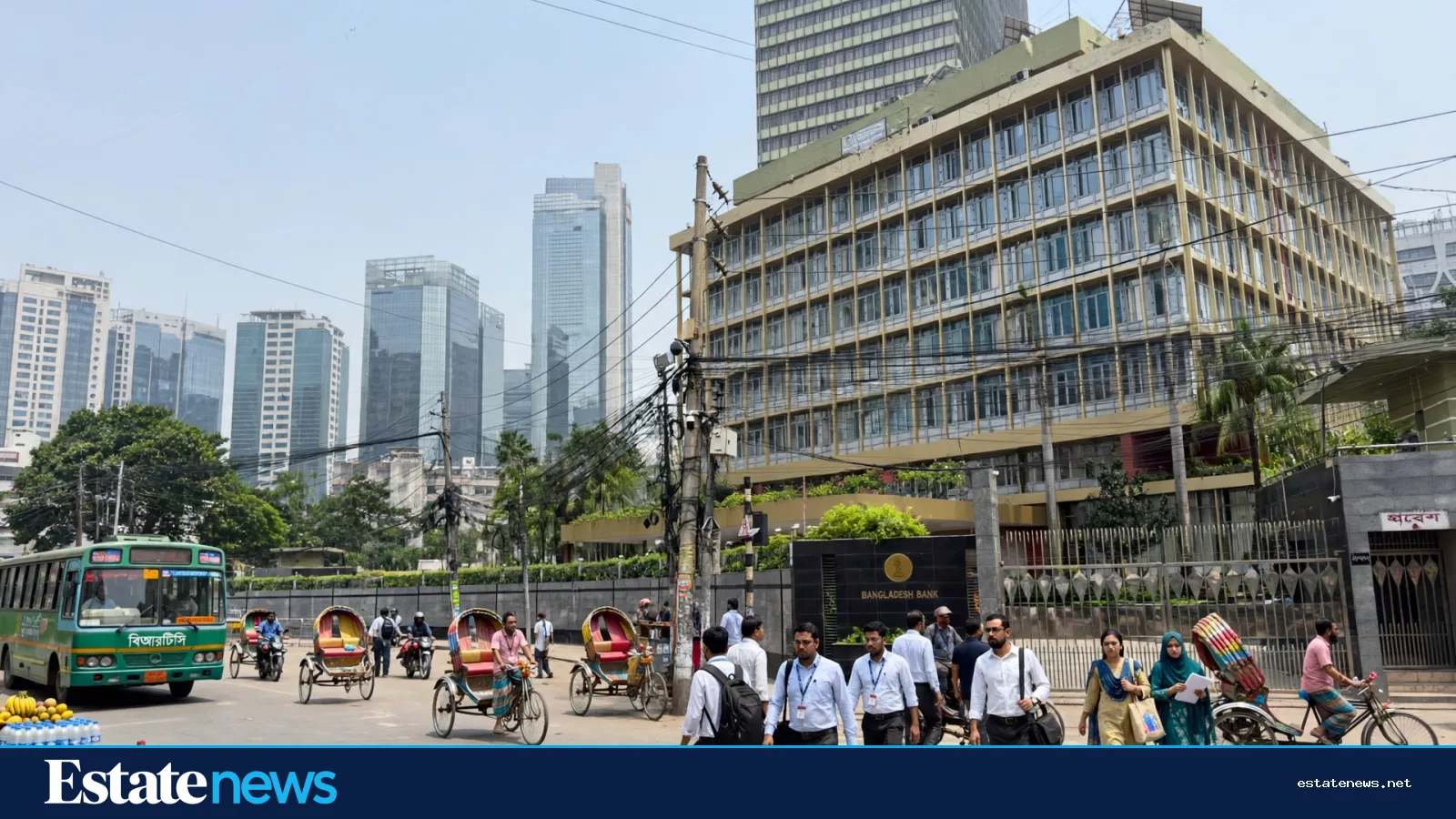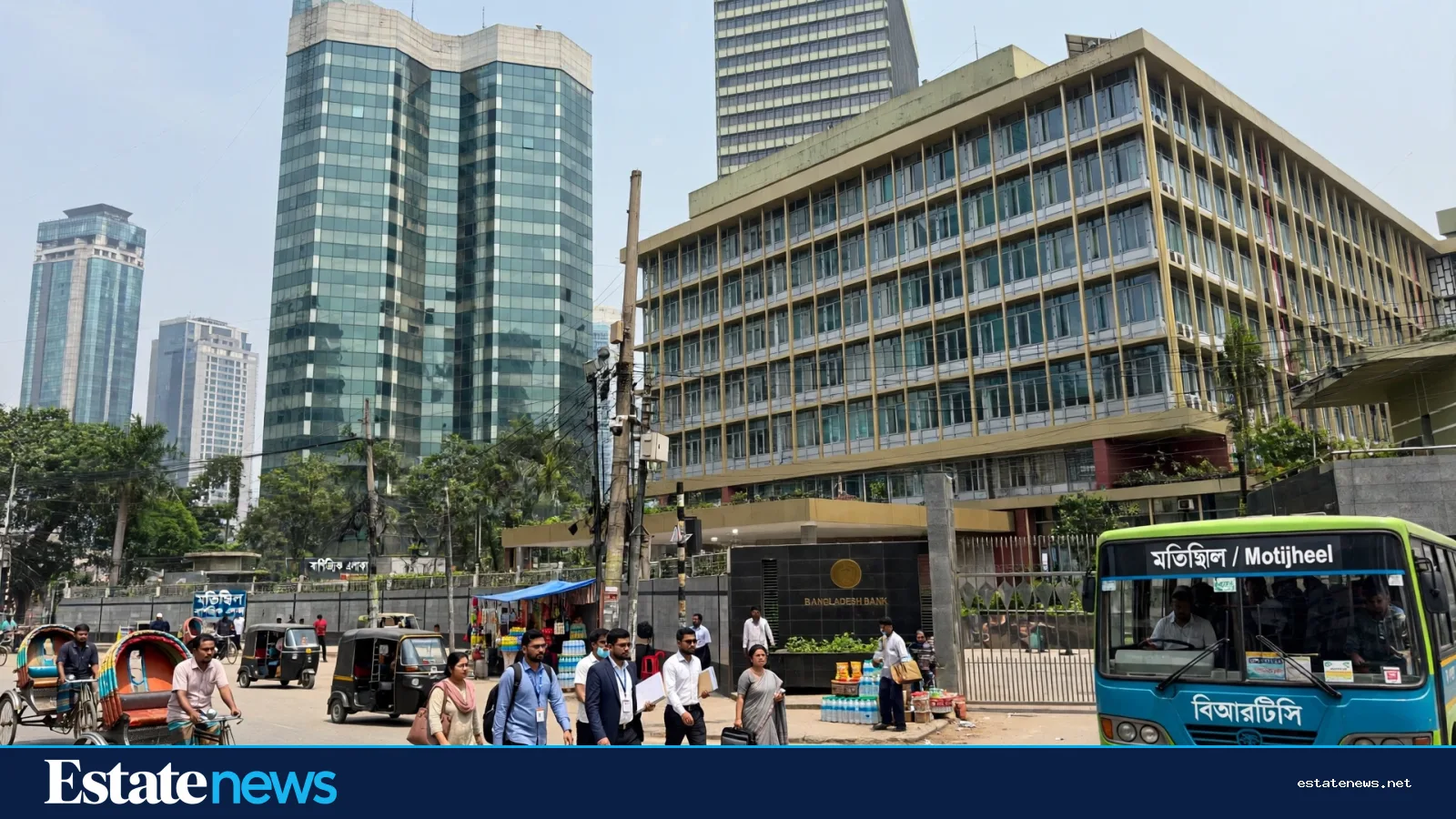
The government wants to stop borrowing so much from the banks, and on Saturday it named the four instruments it plans to use instead. Finance and Planning Minister Amir Khosru Mahmud Chowdhury told an event organised by The Weekly Counterpoint in Dhaka on 28 November that the government plans to issue dollar bonds in international markets, Panda bonds in China, Samurai bonds in Japan, and Sukuk for Shariah-compliant financing. The aim, he said, is to reduce reliance on bank borrowing to finance public expenditure and development projects. None of the four bonds has been issued. All four are plans, and the details, including size and timing, are still to be fixed.
The logic is straightforward. When the government borrows heavily from commercial banks, there is less credit left for everyone else. A business borrowing for a warehouse, or a family borrowing for a flat, competes with the state for the same pool of money. The government has said it plans its first sovereign bond issue in international markets from early January, in New York or London, and the Prime Minister's Special Assistant Tanvir Ghani said on 15 November that overseas issuance could come within two to three months. The size of the bond and the amount the government intends to raise have not yet been decided.
What each bond is

A dollar bond is the simplest of the four: the government borrows in US dollars from international investors, and repays in dollars. It is the instrument Bangladesh has talked about longest, and the one that would put the country's credit in front of global buyers for the first time. A Panda bond is a bond sold in China, in Chinese yuan, by a foreign issuer. A Samurai bond is the Japanese equivalent, sold in Japan in yen. Sukuk is the Shariah-compliant form of borrowing, structured around an underlying asset rather than interest, and it opens the door to Islamic investors at home and abroad. The government has also said it wants to shift its domestic borrowing toward long-term bonds and Sukuk rather than short-term Treasury bills, to reduce the risk of having to refinance large sums at short notice.
The rates tell part of the story. Yields on 91-day Treasury bills fell from around 12 percent in June 2025 to below 10 percent in June 2026, and now sit at 8 to 9 percent, according to the Financial Express. Borrowing has become cheaper for the government, but the volume of bank borrowing has not fallen with it. The Daily Star reported on 26 November that the government's net bank borrowing rose 72 percent year on year in July to September, against a Tk 42,000 crore shortfall in revenue collection by the National Board of Revenue. That is the pressure the four bonds are meant to relieve.
The Hong Kong plan


The bond plan comes with an equity plan. The minister said the government is setting up a Bangladesh Equity Fund on the Hong Kong Stock Exchange, alongside a $2.0 billion Bangladesh-dedicated fund in Hong Kong. That fund is equity, not a loan: it would invest in Bangladeshi companies rather than lend to the state. A private equity fund is also being set up in Hong Kong to mobilise investment to turn around struggling banks, and the World Bank has expressed specific interest in supporting the bank recapitalisation programme, the minister said. How much a home buyer should pay for borrowed money, and why the cost of a first sovereign bond matters to that rate, is set out in "Bangladesh's First Dollar Bond May Cost 8.5 Percent. Here Is Why That Matters".
The minister also spoke about the wider repair work. The government is separating tax policy from tax collection, with a deadline of two to three months, and is tightening project selection to four tests: value for money, expected returns, employment generation and environmental impact. The debt management department is being separated so citizens can learn the actual debt figures and per capita debt, he said. Bangladesh has not defaulted and is repaying every loan instalment on time despite the burden of past debt, he added.
What it means for a home loan
For a family borrowing for a flat, the bond plan matters in one specific way. If the government funds more of its spending from bond buyers abroad instead of banks at home, the banks have more room to lend to private borrowers, and the price of that lending can ease. That is the theory, and it is why the finance minister framed the plan as a way to keep credit available to businesses. The practice will depend on whether the bonds sell, at what price, and whether the money raised actually replaces bank borrowing rather than adding to total borrowing.
The cleanup of the banks is the other half of the same story. A third of bank loans is now bad, and the recapitalisation programme the World Bank has shown interest in is meant to put the banks back on their feet. What that cleanup means for people borrowing for a home is set out in "A Third of Bank Loans Is Now Bad. What the Cleanup Means for Home Borrowers". The smaller funds that lend to first-time borrowers are covered in "Bangladesh Banks' Tk 1,500 Crore Fund: Who Can Borrow and at What Rate".
The four bonds are a promise, not a transaction. The test will come in January, when the first sovereign issue is planned, and in the months after, when the Panda, Samurai and Sukuk plans either find buyers or stay on the minister's list. Until then, the banks remain the government's main lender, and the home buyer remains in the queue behind it.