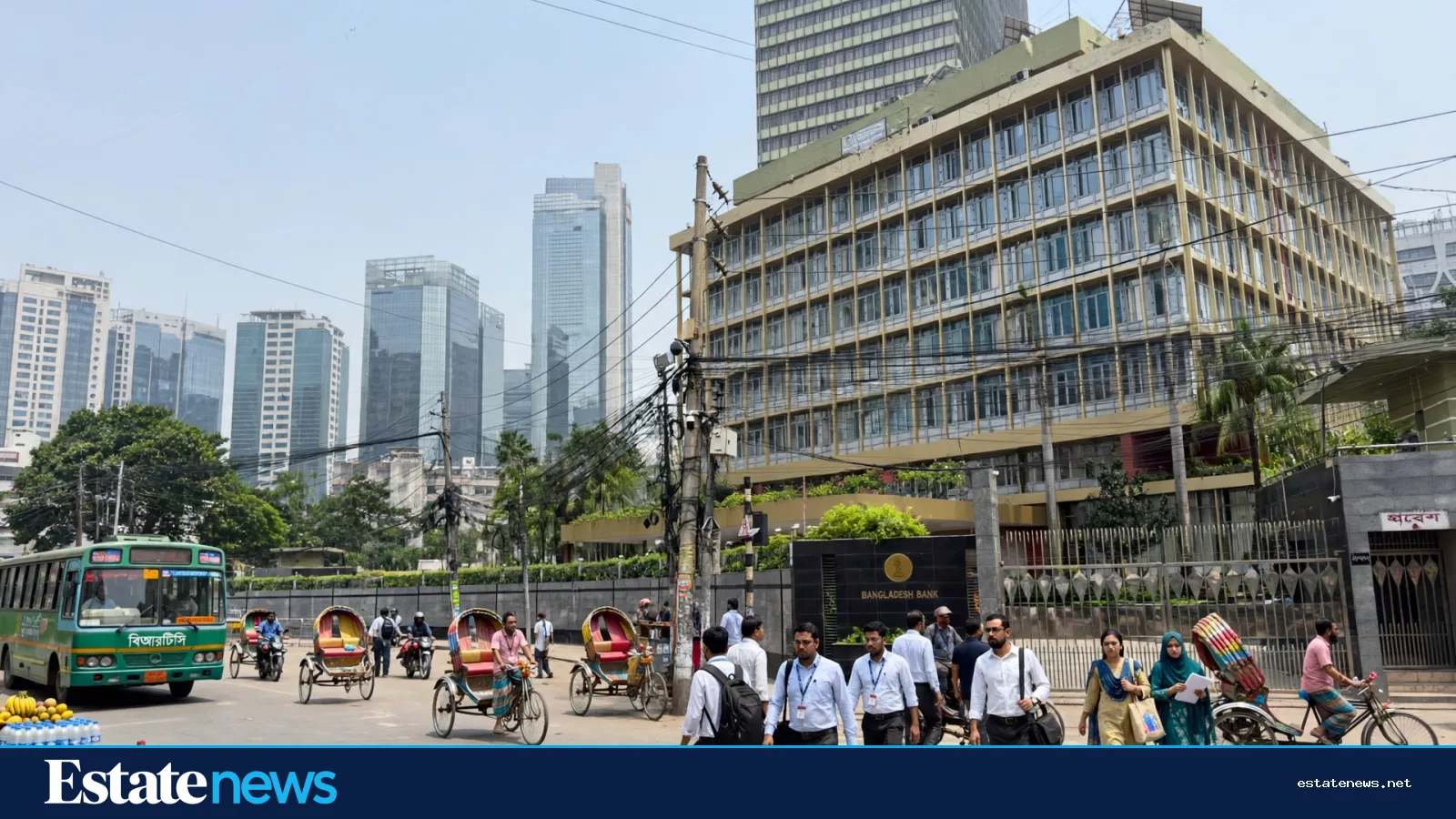
Bangladesh Bank has told every authorised dealer bank in the country to set up a dedicated price verification cell and subscribe to at least one internationally recognised price verification platform by 1 January 2027. The instruction came in a circular from the central bank's Foreign Exchange Policy Department on 26 November, reported by The Business Standard the same evening.
The circular directs banks to monitor and verify prices centrally across import, export, services and other cross-border transactions. Banks must also verify the international market prices of importable goods before opening letters of credit or initiating imports. The instructions take effect on 1 January 2027, and banks have until then to complete the arrangements.
What the cells are meant to catch

The target is over-invoicing. An importer declares a price above the international rate, and the extra money leaves the country dressed up as a legitimate import payment. A central bank official told The Business Standard the aim is to curb money laundering and the outflow of excess funds through inflated import bills. A dedicated cell inside each bank, checking prices against an international platform, is meant to catch the gap before the letter of credit is opened, not after the money has gone.
This circular builds on an earlier one. On 13 August 2026, the central bank issued FEPD-1 Circular No. 30, which already required banks to verify international market prices of importable goods before opening letters of credit. The new circular, FEPD-2 Circular Letter No. 03, turns that requirement into a standing system: a cell in every authorised dealer bank, and a subscription to a price platform that can show what a good actually costs on the world market.


What it means for importers of steel, cement and machinery
For an honest importer, the change should be felt as paperwork, not punishment. A letter of credit application will now need a price that stands up against an international benchmark, with the grade, origin and shipment terms to match. An importer of steel rod or cement clinker who buys at the market rate has nothing to fear from the check. An importer whose invoice sits far above the benchmark will be asked to explain it.
The timing gives banks a month. They must choose a platform, pay for the subscription and staff the cell before the new year. Smaller banks will feel the cost more than large ones, and the circular leaves the choice of platform to each bank, taking affordability and operational needs into account.
The wider cleanup
The circular sits inside a larger repair job at the central bank. Bangladesh Bank has spent the year tightening rules on banks, from governance to bad loans, and the price verification cells are one more piece of that work. Estate News covered the plan in "Bangladesh Bank's Four-Year Plan to Fix the Banks, Step by Step", and the scale of the bad-loan problem in "A Third of Bank Loans Is Now Bad. What the Cleanup Means for Home Borrowers". The funding available to businesses is covered in "Bangladesh Banks' Tk 1,500 Crore Fund: Who Can Borrow and at What Rate". For a home buyer, the link is indirect but real: trade mispricing drains the foreign exchange the country needs, and a cleaner trade book leaves more room for the credit that builds houses.