The Asian Development Bank has approved a $150 million concessional loan to improve water supply and sanitation for about 900,000 people across eight Bangladeshi towns. The approval came on 26 November, according to an ADB statement reported by The Daily Star, and the project is called the Cluster Towns Water Supply and Sanitation Project.
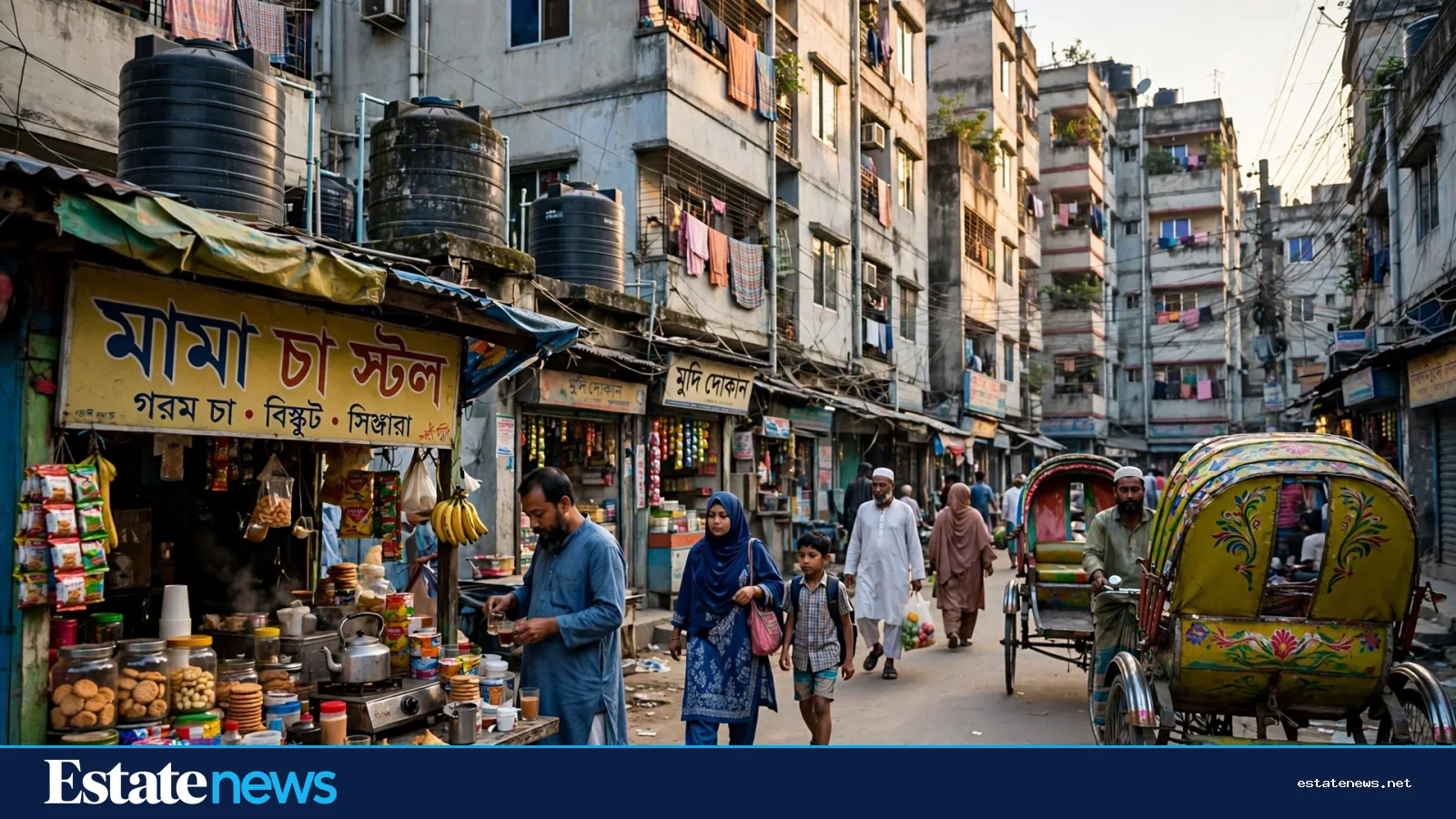
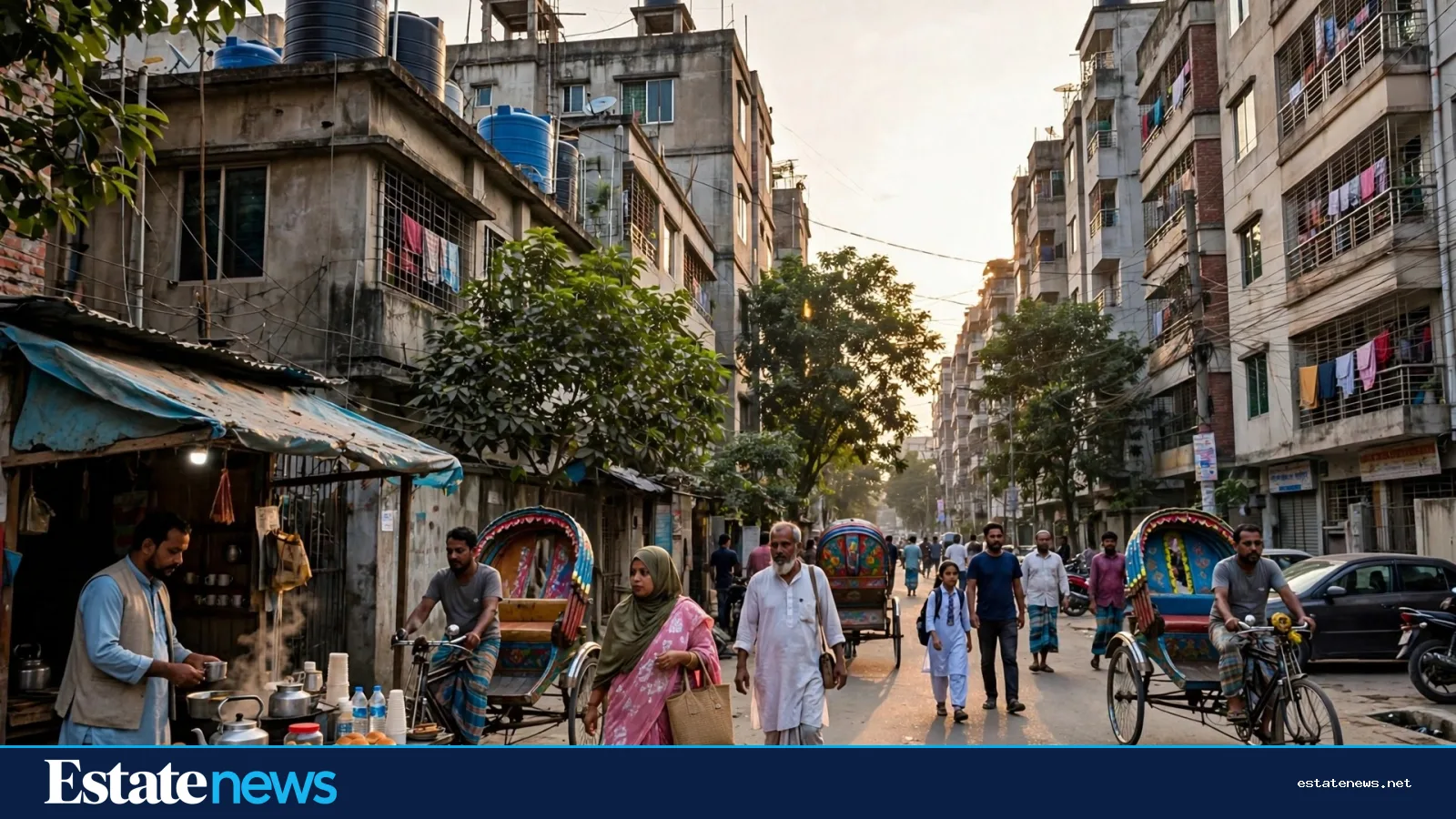
The eight towns are Cumilla City Corporation and the towns of Chandpur, Gopalpur, Hajiganj, Ishwardi, Laksam, Natore and Pabna. They are grouped as cluster towns, neighbouring municipalities inside the country's main economic growth networks, and the project treats them together rather than one by one.
Pipes, meters and a new water authority

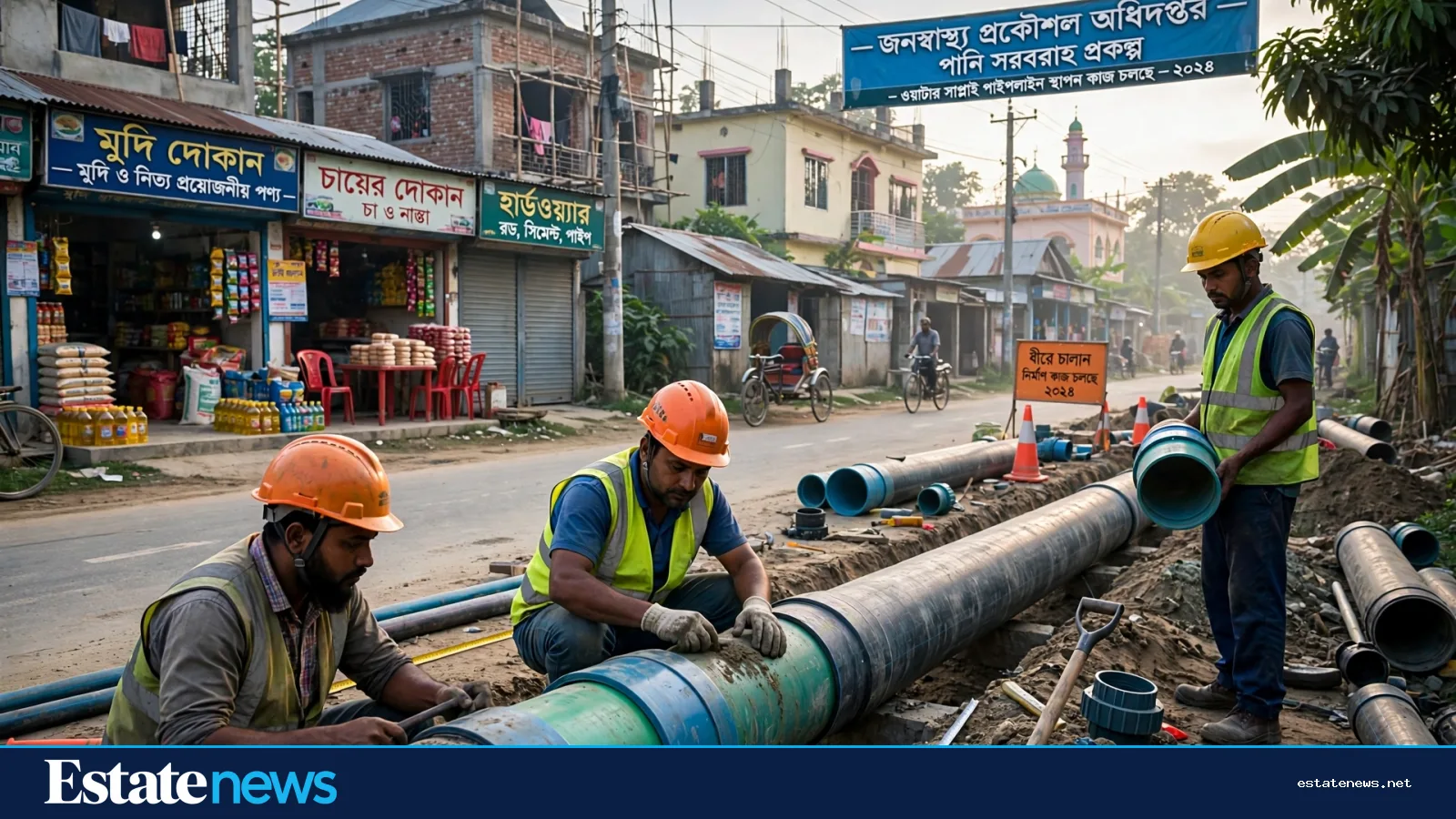
The work is large. The project will build about 1,790 kilometres of water distribution networks and install or rehabilitate 65,000 household connections equipped with smart meters. It will also build household latrines in low-income communities and public sanitation facilities designed for women, girls and people with special needs, managed by women residents, according to the ADB statement.
The target that matters most is the water that never reaches a tap. More than half the water these towns treat is lost today, through leaks and unmetered use. The project aims to bring losses below 20 percent by 2032, when the work is expected to finish. ADB will also provide a separate $1 million technical assistance package for policy and institutional reform, and the Government of Bangladesh will contribute $46 million in counterpart financing. A new Cumilla Water Supply and Sewerage Authority will be set up as part of the project.


Why water decides where people live
A house is only as good as its water. In Dhaka, buyers ask about the water line before they ask about the paint. In a district town, the same question decides whether a family builds on a plot at all. A neighbourhood with a reliable piped supply fills up. One where the water comes by tanker, or not at all, stays half empty no matter how wide its roads are.
That is why a water loan belongs on a property portal. The eight towns in this project are growing fast, and their housing markets are growing with them. Better water does not raise a price by itself, and no one should claim it does. What it does is remove the first objection a buyer has, and the first cost a household carries. A family that does not buy water by the jar has money for other things.
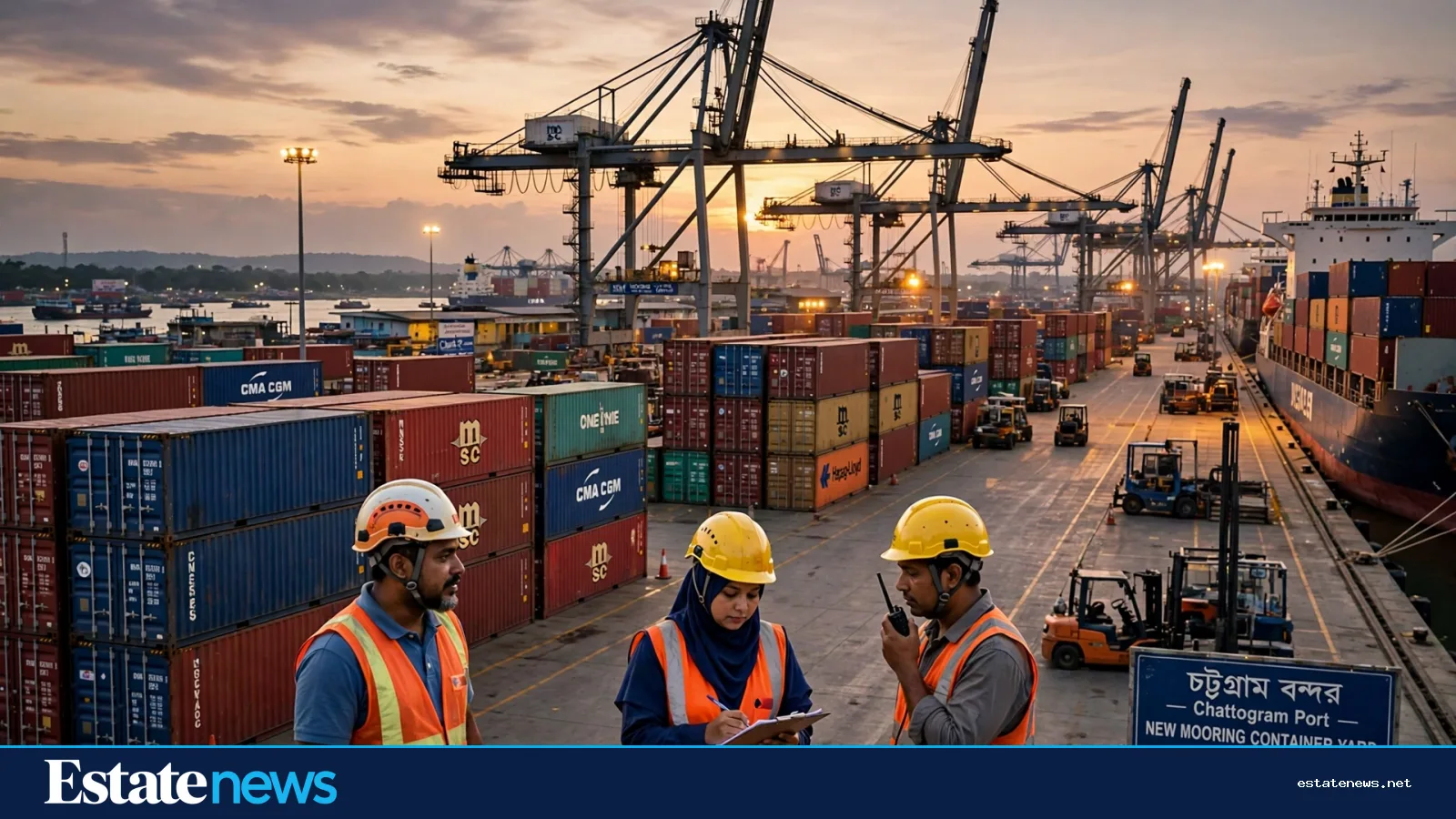
The project joins a run of public investment decisions this month. Estate News covered the biggest of them in "ECNEC Clears Tk 24,110 Crore: Power Lines, Hospitals and Rural Roads", and the port work that shapes Chattogram's future in "Bay Terminal: The 5-Million-TEU Plan, One Decision at a Time" and "Chattogram Port: DP World to Take Over New Mooring Terminal in March 2027". Water is quieter than a port or a power line. For the 900,000 people in these eight towns, it is the investment they will notice first, every morning, at the tap.