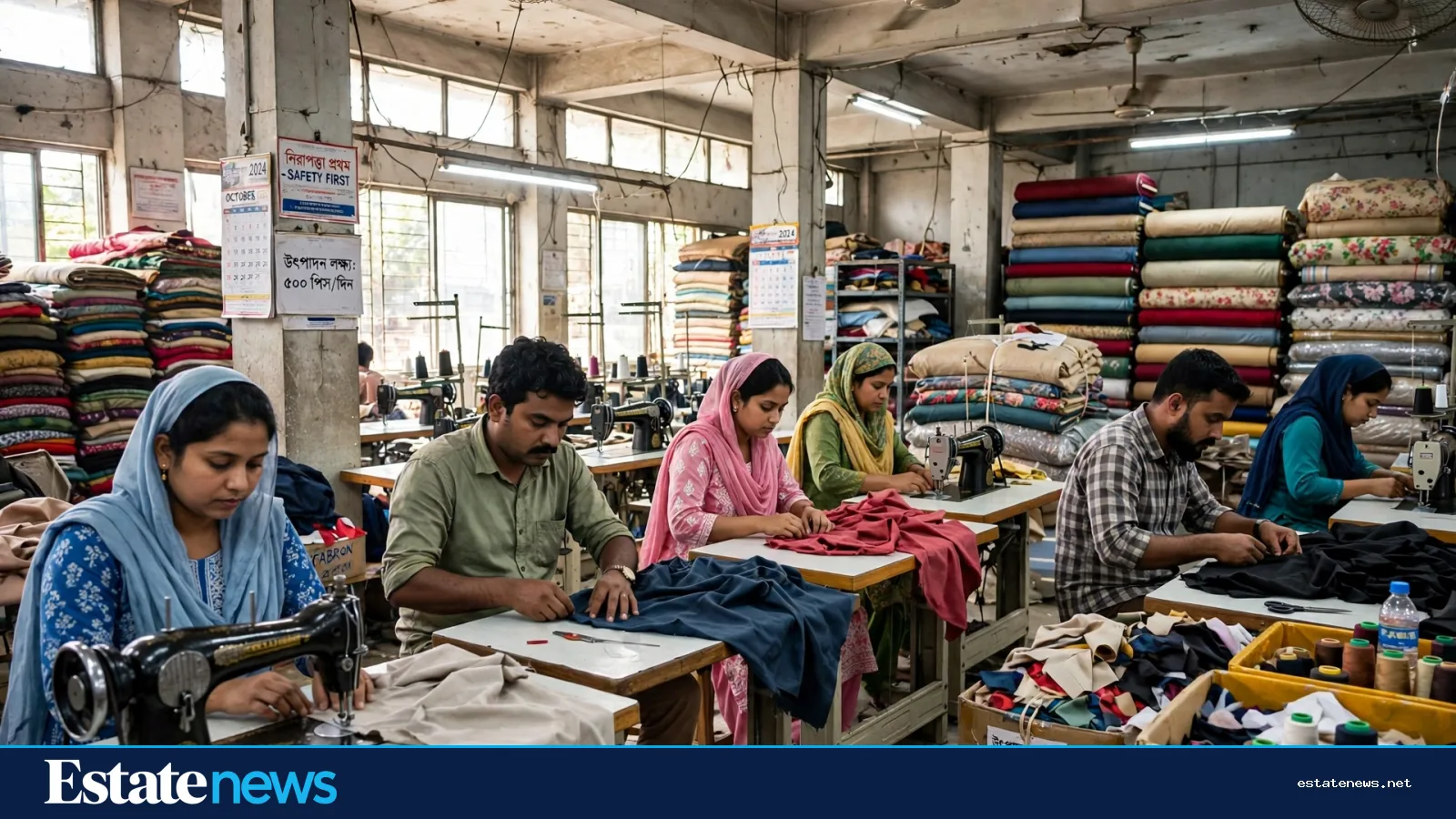
Two countries, similar size, similar populations, very different export books. Vietnam exported $475 billion worth of goods in 2025, up 17 percent on the year before. Bangladesh exported $48 billion in the fiscal year ended June 2026, slightly below the previous year. The gap is ten to one. A Business Standard analysis by Mamun Rashid, published on 26 November, sets out why, and the answer is not one decision. It is a decade of them.
Electronics against garments
The price gap tells the same story in miniature. Early-2026 Eurostat figures in the analysis show Bangladesh's average garment price to the European Union fell 8.4 percent to 13.80 euros a kilogram. Vietnam's climbed 11.8 percent to 29.00 euros a kilogram, more than double Bangladesh's figure. Bangladesh sells more of the cheap end of the market. Vietnam sells more of the dear end. That is not a difference in sewing skill. It is a difference in what the factories are set up to make, and who buys from them.

Foreign investment follows the same pattern. Vietnam registered $38.42 billion of foreign direct investment in 2025 and disbursed $27.62 billion, a five-year high. Bangladesh's net foreign investment rose to $1.77 billion from $1.27 billion, but fresh equity grew by barely $10 million to $554.6 million. Money comes where it can make things and ship them, and Vietnam gives it more things to make.
The trade-deal gap


Trade agreements are the second difference, and the starker one. Vietnam has 17 free trade agreements covering more than 60 economies. Its deal with the European Union reached 99 percent duty-free coverage in August 2026. Bangladesh has no major free trade agreement in operation. Its first real bilateral deal, the Economic Partnership Agreement with Japan, was signed in February 2026.
Bangladesh's duty-free access to the European market rests on its least-developed-country status, and that clock is now set: graduation has been deferred to November 2029, which extends EU duty-free access until late 2032. The time exists. The question is what is built with it.
What the price gap says
Wages do not explain the gap. Vietnam's Region I minimum wage sits near $202 a month, rising to about $217 in January 2027, well above Bangladesh's garment minimum. Vietnam pays more and sells dearer. The lesson is that cheap labour alone no longer wins orders. Reliable power, faster customs, deeper supplier networks and a wider product range do.
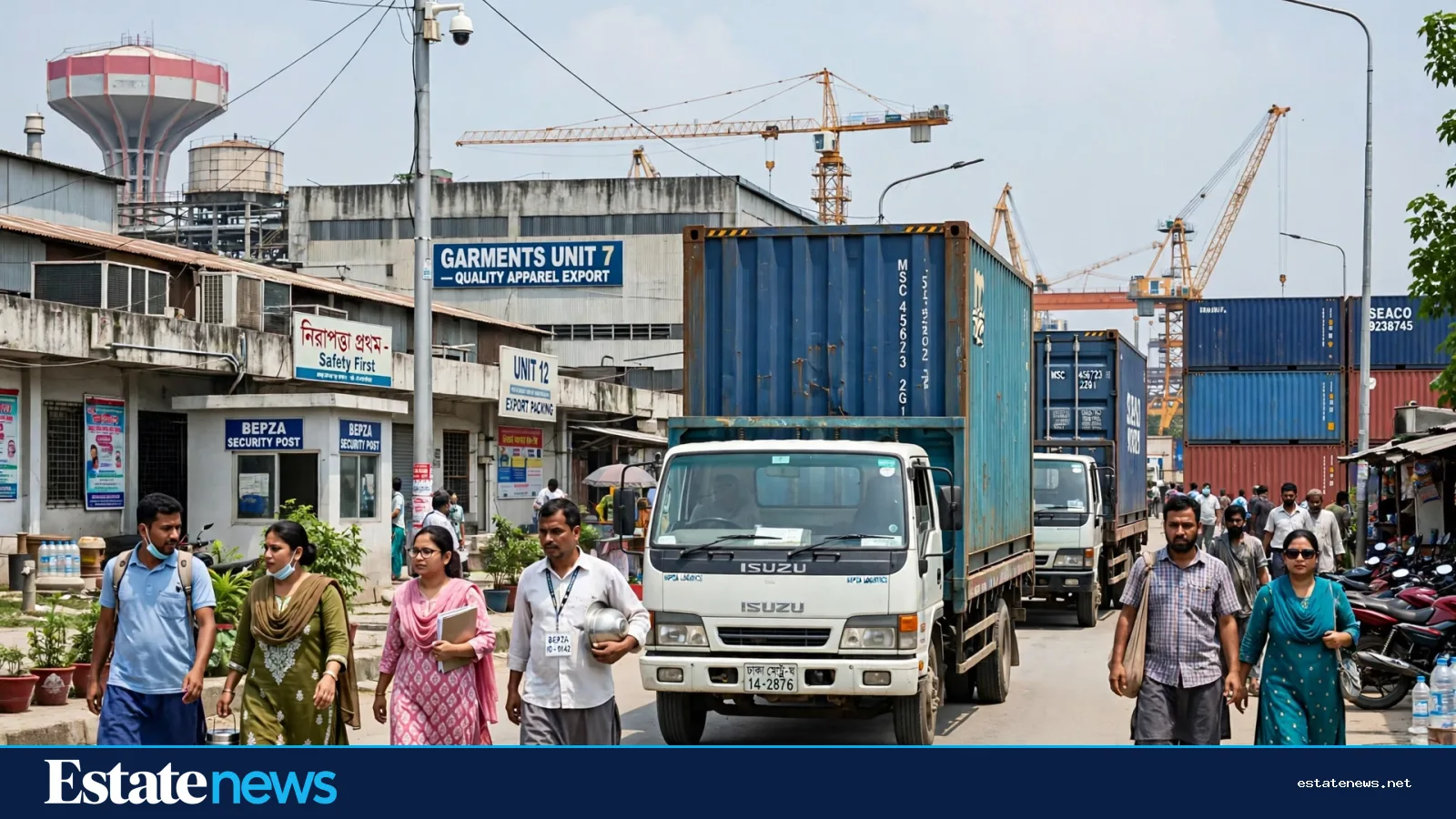
For Bangladesh, the analysis points in one direction. Diversification is not a slogan for a seminar. It is the difference between $48 billion and $475 billion. The tariff dispute with Washington, covered in "33.62% or 43%? The Tariff Number Bangladesh Must Get Right", shows how exposed a single-product export book is to a single decision abroad. The garment sector's own earnings are in "The Garment Sector Kept $6.77 Billion This Quarter. That Is the Real Number", and the foreign investment picture is in "Singapore Is Now Bangladesh's Biggest Investor as Net FDI Falls 13%". Factory towns from Gazipur to Chattogram live on these numbers. Their housing, their rents and their shops all follow the order book. A wider order book is the surest way to keep them full.