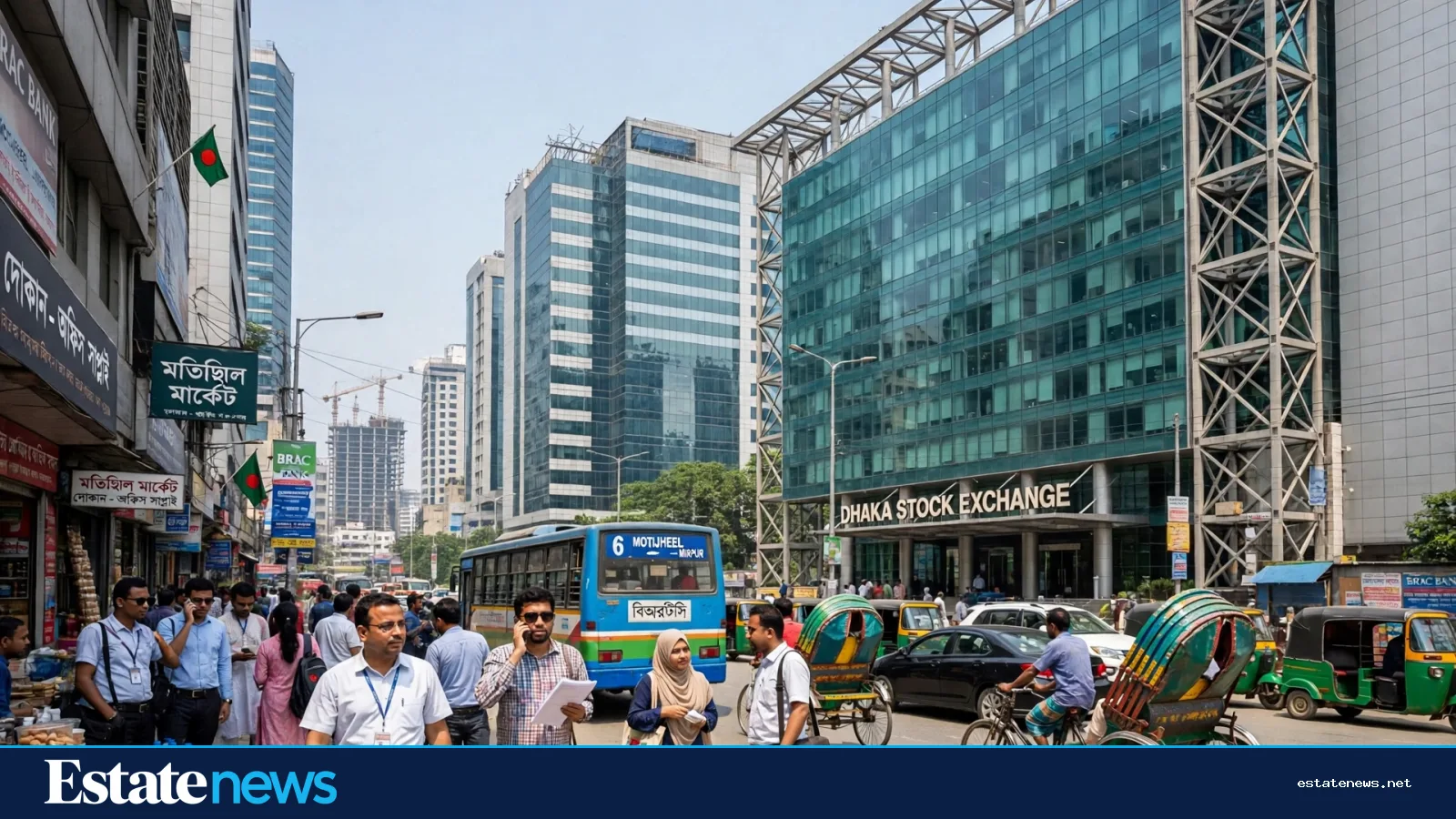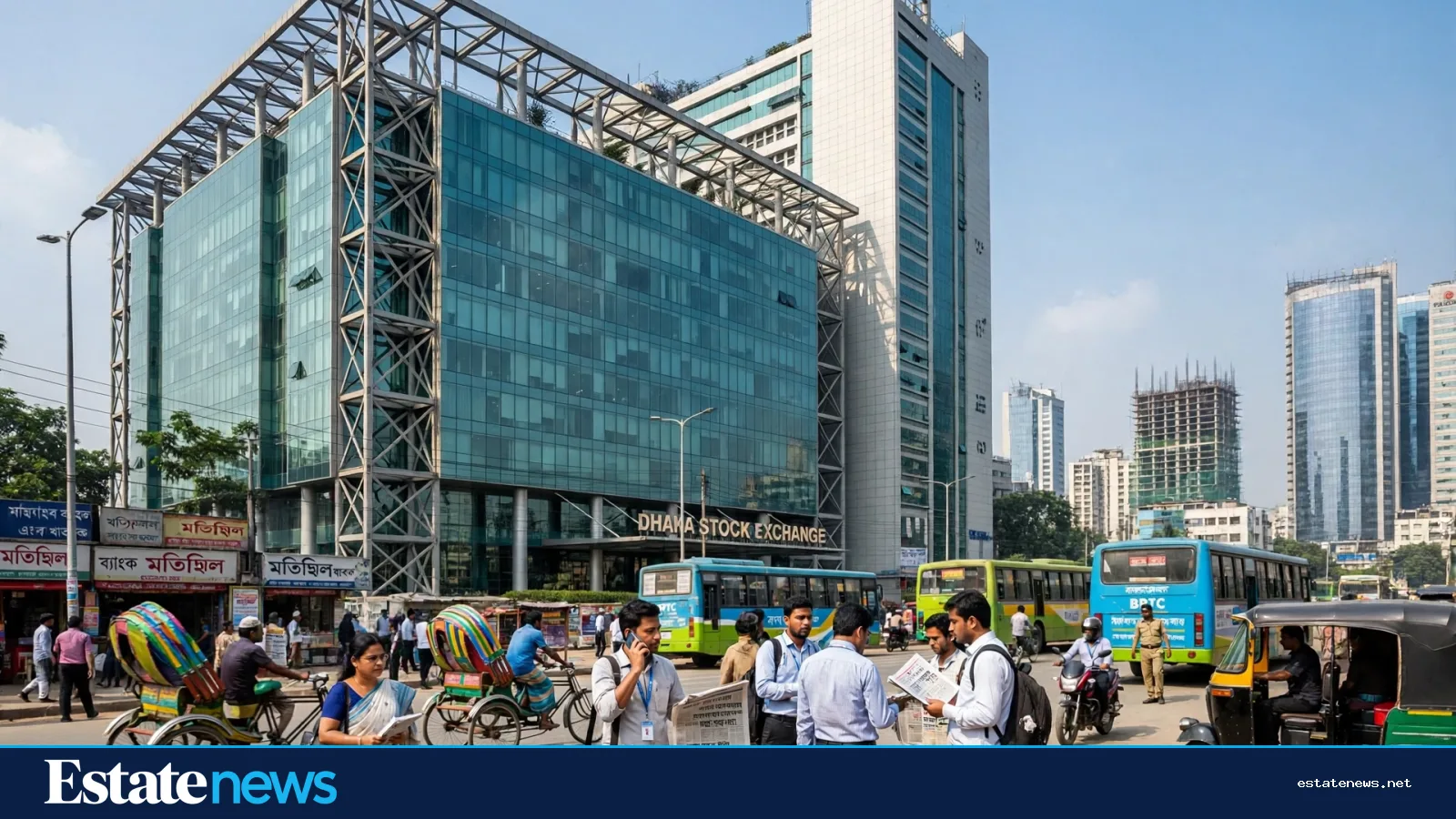
The Dhaka Stock Exchange fell for a second straight session on Thursday, 26 November, and this time the story was not the size of the fall. It was the thinness of the trading. The benchmark DSEX shed 6.94 points, or 0.13 percent, to close at 5,526.38, down from 5,533.32. The blue-chip DS30 fell 5.42 points, or 0.26 percent, to 2,090.77. The Shariah index, DSES, closed at 1,062.94, down 2.21 points, or 0.21 percent. Small numbers, all of them. The number that matters is the turnover.
Turnover fell 23 percent to Tk 707.06 crore, from Tk 917.87 crore the day before, according to EBL Securities. Volume was 23.58 crore shares across 189,725 trades. Market capitalisation stood at about Tk 6,70,269 crore, down roughly Tk 1,240 crore on the day. When turnover drops by nearly a quarter in a single session, it means investors are not selling in a panic. It means they are standing aside.
A thin market, not a rout

The breadth of the day backs that reading. Of the shares traded, 142 advanced, 181 declined and 58 stayed unchanged. Losers outnumbered gainers, but not by the landslide of Wednesday, when 276 shares fell and 53 rose. The selling was orderly, and the index held above 5,500.
The day's winners were led by TUNGHAI, up 9.62 percent, followed by ICBAMCL2ND at 9.45 percent and ICBEPMF1S1 at 9.43 percent. BEXIMCO rose 9.17 percent and led the turnover chart at Tk 48.56 crore. RENWICKJA gained 7.48 percent. The losers were led by MPETROLEUM, down 8.71 percent, PRIMEFIN at 7.69 percent and PLFSL at 6.25 percent. Turnover by sector was led by Textile, Pharma and Chemicals, Bank, Miscellaneous, Fuel and Power, and Engineering.


The two-day slide now stands at 61.64 points: 54.70 on Wednesday, 6.94 on Thursday. The DSEX relative strength index sits at 56.92, according to Bangladesh Finance Capital, a level that suggests the market is neither stretched nor exhausted. The Business Standard put the fall down to profit-booking after the recent rally, plus concerns over the proposed US tariffs and the unrest in the garment sector. All three fit the day. After Tuesday's rebound, holders of recent gains had reason to sell. The tariff proposal, and the factories still shut in Gazipur, keep a cloud over the market's biggest sector.
What it means for property and bank stocks
For readers of this portal, the market's mood reaches home through two doors: the banks and the listed property companies. Bank stocks led the turnover chart alongside textiles, and they are the hinge of the housing market. When banks are cautious, home loans tighten, and when home loans tighten, flat sales slow. The thin turnover says banks and brokers alike are waiting for the next piece of news, not rushing to buy.
The same waiting game applies to the property stocks. A market that falls 54 points one day and 7 the next, on falling turnover, is a market without conviction in either direction. It is not a crash. It is a pause, and pauses end when something changes. Two dates frame what comes next. The first is 30 November, when the MSCI rebalancing takes effect at the close of trading. The second is the garment wage settlement, where the ministry's approval and the gazette are still to come.
Estate News covered Wednesday's fall in "DSEX Falls 54.70 Points as Foreign Selling Hits Its Biggest Day of November", and Tuesday's rebound in "DSEX Rebounds 30.84 Points as Banks Lead the Buying". The wider picture of the week is in "Bangladesh Market Wrap, 26 November: Tariffs, Wages, the Fall". Thursday's session added little to the index and a lot to the story: the market is not falling hard. It is trading thin, and waiting.