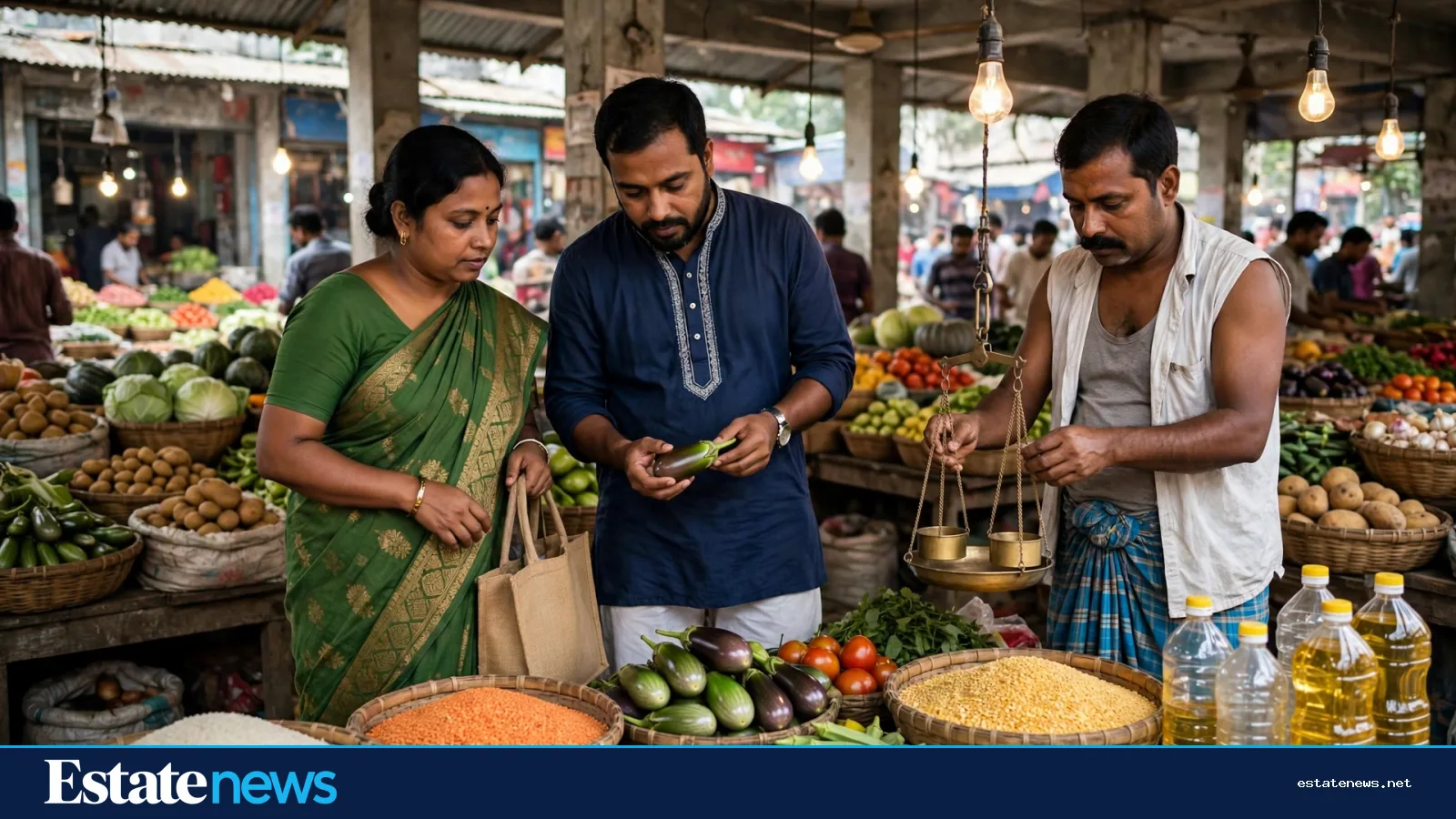
Every bag of rice, every bar of soap and every bag of cement carries a tax inside its price. For a rich household that tax is a footnote. For a poor one it is a fifth of everything the family earns. A study presented in Dhaka on 21 November puts the gap in plain numbers, and the numbers are hard to look away from.
The poorest 10 percent of households in Bangladesh pay value-added tax equal to 20.37 percent of their reported income, according to the study by the Research and Policy Integration for Development, known as RAPID. The richest 10 percent pay 2.8 percent. The poorest family hands over more than seven times the share of its income that the richest family does, for the same kind of tax on the same kind of shopping.
The study is called "Missing Revenue in Bangladesh: Tax Potential, Gaps and Distributional Consequences". It was carried out with support from the Friedrich-Ebert-Stiftung Bangladesh, and it was presented by RAPID chairman MA Razzaque, with research director Md Deen Islam and senior research associate Tahsin Rifat. Its figures come from the Bangladesh Bureau of Statistics Household Income and Expenditure Survey 2022.

The rural poor pay the most
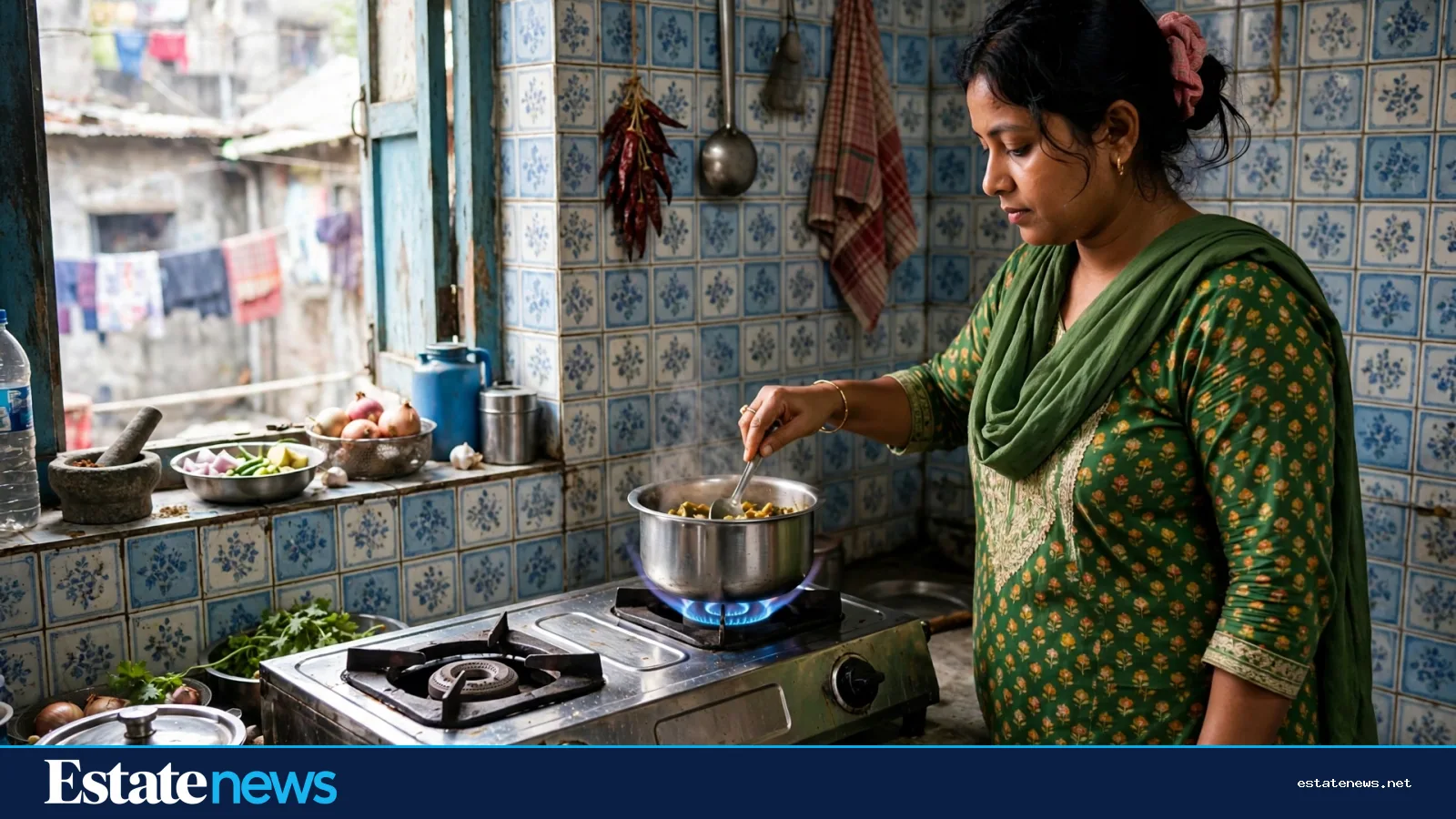
The burden is heaviest where incomes are lowest. The poorest rural households pay VAT equal to more than 23 percent of their reported income, the study found, against about 16.5 percent for their poorest urban counterparts. A family in a village buys nearly everything it uses, and almost every purchase carries VAT in the price. There is little room to choose untaxed alternatives, and no savings to absorb the cost.
The other side of the same picture is who holds the wealth. The richest 10 percent of households own more than 76 percent of personal wealth, according to the study, and the richest 1 percent hold over 47 percent. The top 10 percent of income earners account for more than 40 percent of total household income. Yet the tax system leans on the spending of people at the bottom, not on the income of people at the top.
Personal income tax barely touches the poor at all. The bottom 70 percent of households have virtually no personal income tax liability, the study found, because their incomes fall below the taxable threshold. That is how it should be. The problem is that VAT fills the gap in the wrong direction: it takes the largest share from the households with the least to give.
The money is there without a new tax
The study's most useful finding is not the gap itself. It is that the gap can be closed without raising a rate or inventing a new tax. Bangladesh could lift its tax-to-GDP ratio from 7.3 percent in 2023 to around 13.5 percent by enforcing the laws that already exist, widening the tax base and curbing evasion, the study estimates. The money is being lost, not un-collectable.


The scale of the loss is large. Potential personal income tax revenue in 2021-22 was 4.85 percent of GDP, the study estimated, against actual collection of 0.98 percent, a gap of 3.87 percentage points. For domestic VAT, potential revenue was 3.82 percent of GDP against actual collection of 1.80 percent, a gap of 2.02 points. The study attributes the shortfall to inadequate business registration, concealed sales and VAT that is collected from buyers but never deposited with the exchequer.
The top 10 percent of earners should contribute more than 93 percent of potential personal income tax revenue under existing rates, the study said, because they hold more than 40 percent of total income. Bringing high earners in the ninth and tenth income deciles into the tax net, rather than raising rates, is the study's recommendation.
Finance Division Secretary Md Khairuzzaman Mozumder, who spoke at the presentation, said poverty had risen from 18.57 percent to around 22 to 23 percent, partly because interest rates had remained below inflation for three years. The figure frames the VAT numbers in human terms: more families are poor, and the tax on their shopping takes a bigger share than it did.
What it means for a family's month
For a household, the 20.37 percent figure is not an abstraction. It is the tax folded into the price of cooking oil, rice, soap, clothes, a school bag and a bag of cement for a repair. A family that spends nearly everything it earns has no way to dodge it. A rich family that saves and invests much of its income pays VAT only on what it consumes, and the share falls.
That is why the study matters to readers who think about homes and household money. A family deciding whether it can afford a flat, a plot or a loan is deciding on the income left after tax. When a fifth of a poor family's income goes to VAT, the room for saving a deposit or paying an instalment shrinks to almost nothing. Estate News has written about that squeeze before, in "The Middle-Class Squeeze: What Rising Costs Do to the Flat-Buying Plan", and the VAT figures show one of the forces doing the squeezing.
The study does not ask for sympathy. It asks for enforcement. Register the businesses that should be registered. Collect the VAT that is already charged. Bring the highest earners into the income-tax net under the rates that already exist. None of that needs a new tax on the poor, and all of it would leave the poorest families paying a smaller share of what they earn.
There is a number worth carrying into the next budget debate. Bangladesh's tax-to-GDP ratio stood at 7.3 percent in 2023, the lowest in the Asia-Pacific region, according to the study. The revenue exists. It is sitting in unregistered sales, undeposited VAT and untaxed high incomes. Finding it is a matter of administration, not of asking the poorest households to pay more.