A garment shipment left Bangladesh for a British wholesaler this week without a single sheet of paper changing hands. Prime Bank PLC, Lloyds and the technology firm Enigio completed several cross-border documentary collections between the two countries entirely in digital form, according to a press release carried by The Business Standard. The shipments came from Viyellatex Limited, a Bangladeshi apparel maker, and went to a garment wholesaler in the United Kingdom.
Prime Bank acted as the remitting bank in Dhaka. Lloyds served as the collecting bank in the UK. Every document for each shipment was issued and transferred through Enigio's trace:original system. The buyer accepted the collections by signing digital promissory notes prepared on the same system, and Lloyds issued and transferred the release note under the air waybill digitally to the importer.
Under an hour to prepare, 48 hours door to door

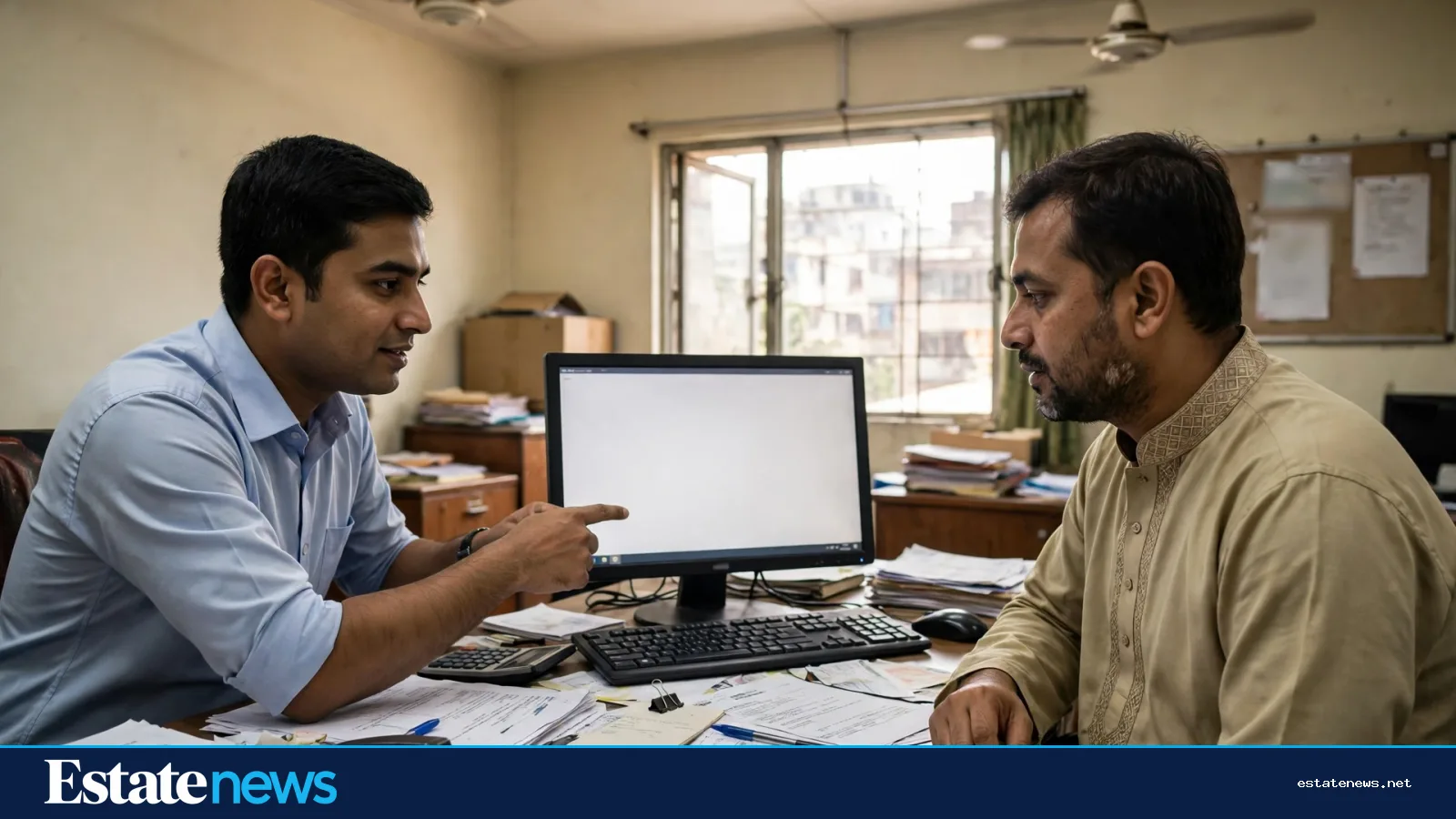
Speed is the point of the exercise. Prime Bank prepared the documents for the full set of collections and transferred them to Lloyds in under an hour. The whole chain, from creating the digital documents in Bangladesh to releasing them to the buyer, took 48 hours. No paper originals were printed. No courier carried a folder across the world.
That matters because the old way is slow in a very specific place. A documentary collection only releases the shipping papers once the buyer accepts them, and the papers have to travel. In the paper world that trip takes days, and a day of waiting is a day of money sitting still. Cutting the paper out of the chain does not change the price of the shirts. It changes how fast the exporter gets paid, and how fast the buyer gets the goods.
The rules that made it legal


Two legal frameworks sit underneath the deals. On the Bangladesh side, the collections ran under Bangladesh Bank's digital trade framework, which permits electronic presentation of trade documents under approved arrangements, and under the International Chamber of Commerce's Uniform Rules for Collections (URC 522) and their electronic supplement, eURC, with the concurrence of Bangladesh Bank. On the British side, the UK Electronic Trade Documents Act 2023 gives digital trade documents the same legal standing as paper.
This is not Prime Bank's first step into the field. In July 2026, the bank completed Bangladesh's first transactions under eUCP and eURC in a Bangladesh Bank pilot, putting the country on the ICC's global eUCP map. With these latest deals, the bank becomes the first in Bangladesh to complete cross-border digital trade on both the import and export sides, according to the announcement. Earlier this month, Lloyds and Enigio also completed Bangladesh's first documentary collection involving an electronic bill of lading with another local bank.
What it means for an exporter in Gazipur
For a factory owner, the gain is practical. Faster document release means faster payment, and faster payment means the working capital tied up in a shipment comes back sooner. A factory that ships every week feels that difference in its cash flow within a month. It also means fewer chances for papers to go missing in transit, which is a real cost when a courier delay holds up a container.
The change will not arrive everywhere at once. Most Bangladeshi exporters still trade on paper, and most banks have not yet built the systems. But the path is now visible: a pilot in July, a first electronic bill of lading this month, and now a set of collections done end to end in two days. Estate News covered the garment sector's earnings in "The Garment Sector Kept $6.77 Billion This Quarter. That Is the Real Number", and the cost of raising money abroad in "Bangladesh's First Dollar Bond May Cost 8.5 Percent. Here Is Why That Matters". The wider picture of the week is in "Bangladesh Market Wrap, 26 November: Tariffs, Wages, the Fall". If the 48-hour chain becomes routine, the next exporter to use it will not be a pioneer. It will simply be on time.