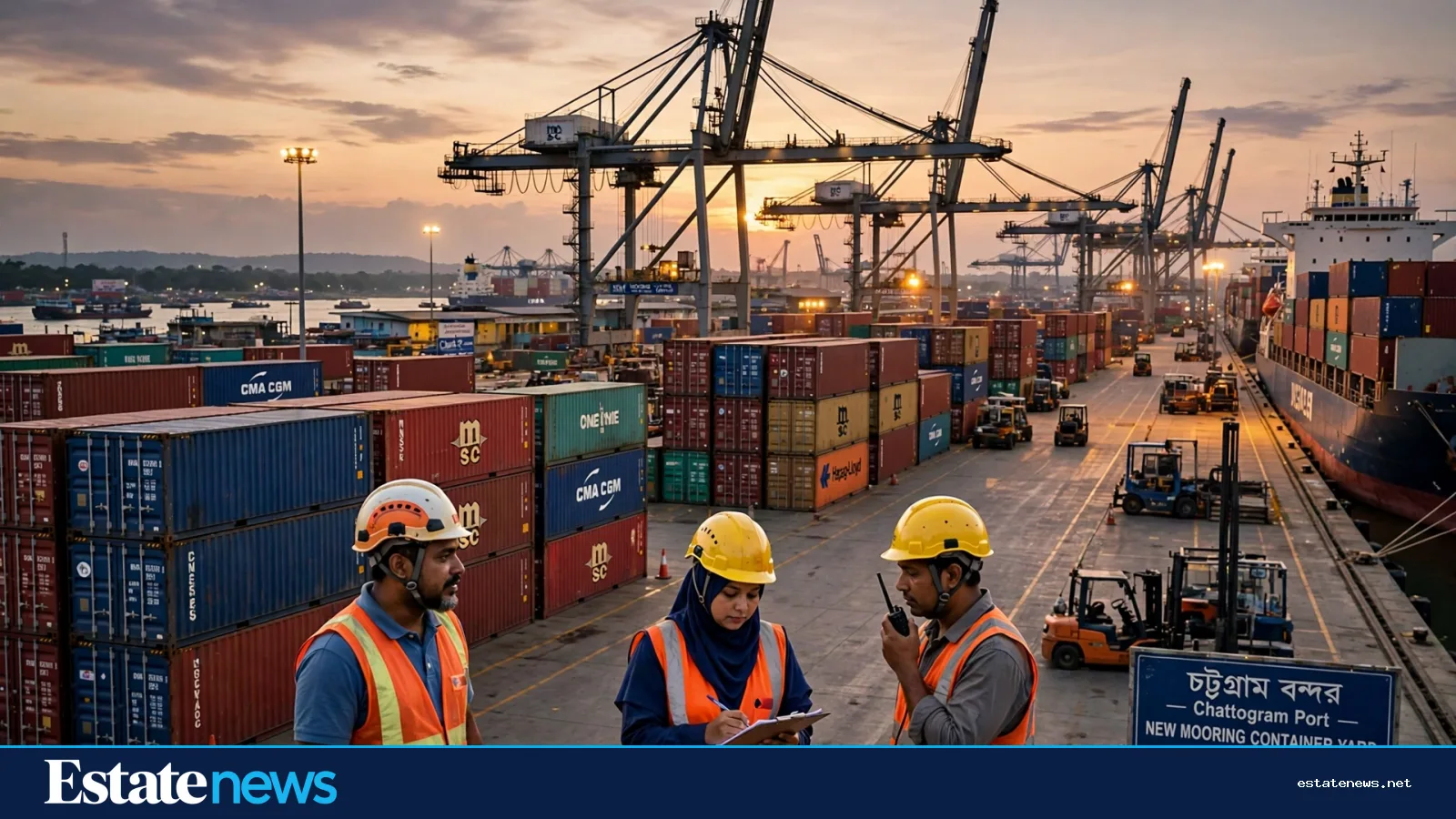
Chattogram port is where Bangladesh's trade meets the sea, and it is also where the country's biggest infrastructure question is being answered. Who pays for the next terminal, the next road, the next power plant, and on what terms? This week, the Asian Development Bank and the government gave that question a new tool: PPP Monitor: Bangladesh, a public-private partnership scorecard built on more than 500 indicators.
The Monitor was launched on 17 November at the Bangladesh PPP Forum in Dhaka. Finance and Planning Minister Amir Khosru Mahmud Chowdhury joined the launch, alongside an ADB delegation led by Sona Shrestha, the bank's Director General for South Asia, which visited Dhaka from 16 to 18 November. The full report is expected in early 2027.
What the Monitor measures

A PPP project is one where a private company builds and runs public infrastructure, sharing the cost and the risk with the government. Bangladesh has talked about such projects for years. The Monitor asks why so few of them get built. It examines the national PPP framework, project development and approval processes, government support mechanisms and market maturity across eight sectors: roads, railways, ports, airports, energy, water and wastewater, information and communication technology, and social infrastructure. It also covers local government PPPs and municipal finance.
Takeo Koike, head of ADB's Office of Markets Development and Public-Private Partnership, said Bangladesh has an important opportunity to mobilise private sector expertise, innovation and capital for sustainable infrastructure and better public services. The forum's participants called for better project preparation, transparent and competitive procurement, balanced risk allocation, predictable contracts and early engagement with investors. Those are the unglamorous details that decide whether a private investor signs or walks away.
The port at the centre of it


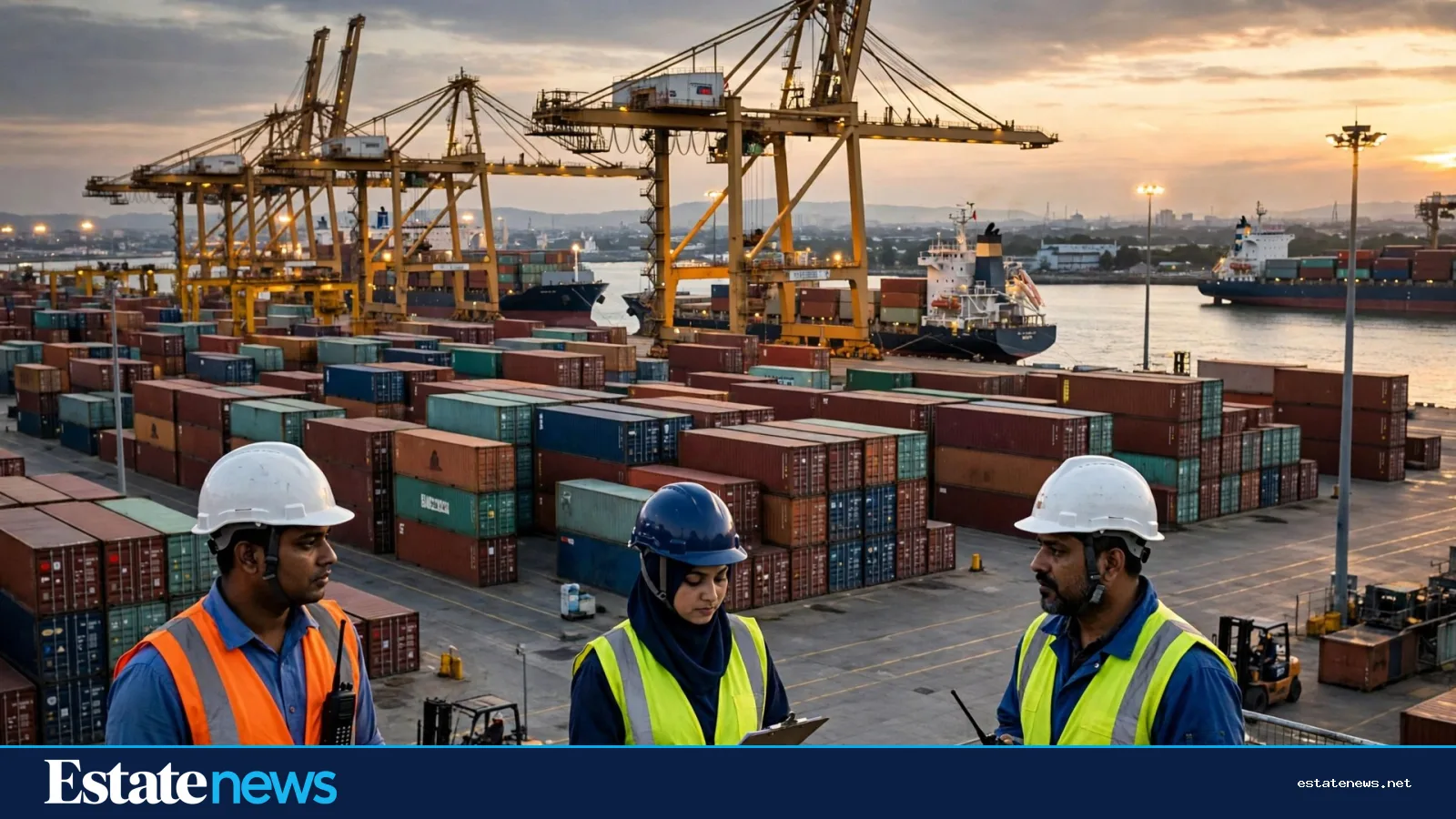
Chattogram port is the test case that matters most. Estate News reported that DP World is set to take over the New Mooring Terminal in March 2027, in "Chattogram Port: DP World to Take Over New Mooring Terminal in March 2027". That handover is the biggest single PPP-style deal in the port's recent history, and it will be watched as a measure of whether private operators can run a Bangladeshi terminal well.
The port's own pipeline is moving too. Estate News reported this week that four firms have bid for a six-month contract to operate the Chattogram Container Terminal, and that a fourfold penal-rent freeze has been extended for three months, in "Chattogram Port: Four Bids for the Container Terminal and the Rent Freeze Extended". The bids show there is appetite. The freeze shows the port is still working through the backlog of containers and charges that slow it down. A PPP Monitor that scores the rules honestly could help both: clearer terms for bidders, and a clearer picture of where the port's own processes need fixing.
Solar and the billion-dollar pipeline
The ADB delegation did not only talk about ports. It signed an agreement to extend transaction advisory support to five additional solar and battery storage projects. The expanded pipeline now covers six projects with more than 1,000 megawatts of planned capacity, expected to mobilise over $1 billion in private investment. Estate News covered the solar side in "ADB Backs 1,000 MW of Solar: What It Means for Dhaka Roofs", and the pipeline's growth since then shows how fast the energy story is moving.
The delegation's meetings ranged across banking, taxation and state-owned enterprise reforms, bond and equity market development, and finance for small and medium enterprises. The officials in the room included Bangladesh Bank Governor Md Mostaqur Rahman, Bangladesh Securities and Exchange Commission Chairman Masud Khan, Invest Bangladesh Chairman Ashik Chowdhury, and Special Assistant to the Prime Minister Tanvir Shahriar Ghani. The discussions will feed into the master plan for the Integrated Growth Network Development initiative and ADB's country partnership strategy for 2028 to 2032.
For a reader in Chattogram, the Monitor is not a report on a shelf. It is the checklist that decides whether the next terminal, the next depot and the next power line get private money, and on what terms. A port that clears its containers faster and charges fairly is worth more to every exporter in the country, and to every family whose flat sits in a city whose economy runs on trade. The DP World handover in March will be the first big answer. The Monitor is the tool that will keep score.