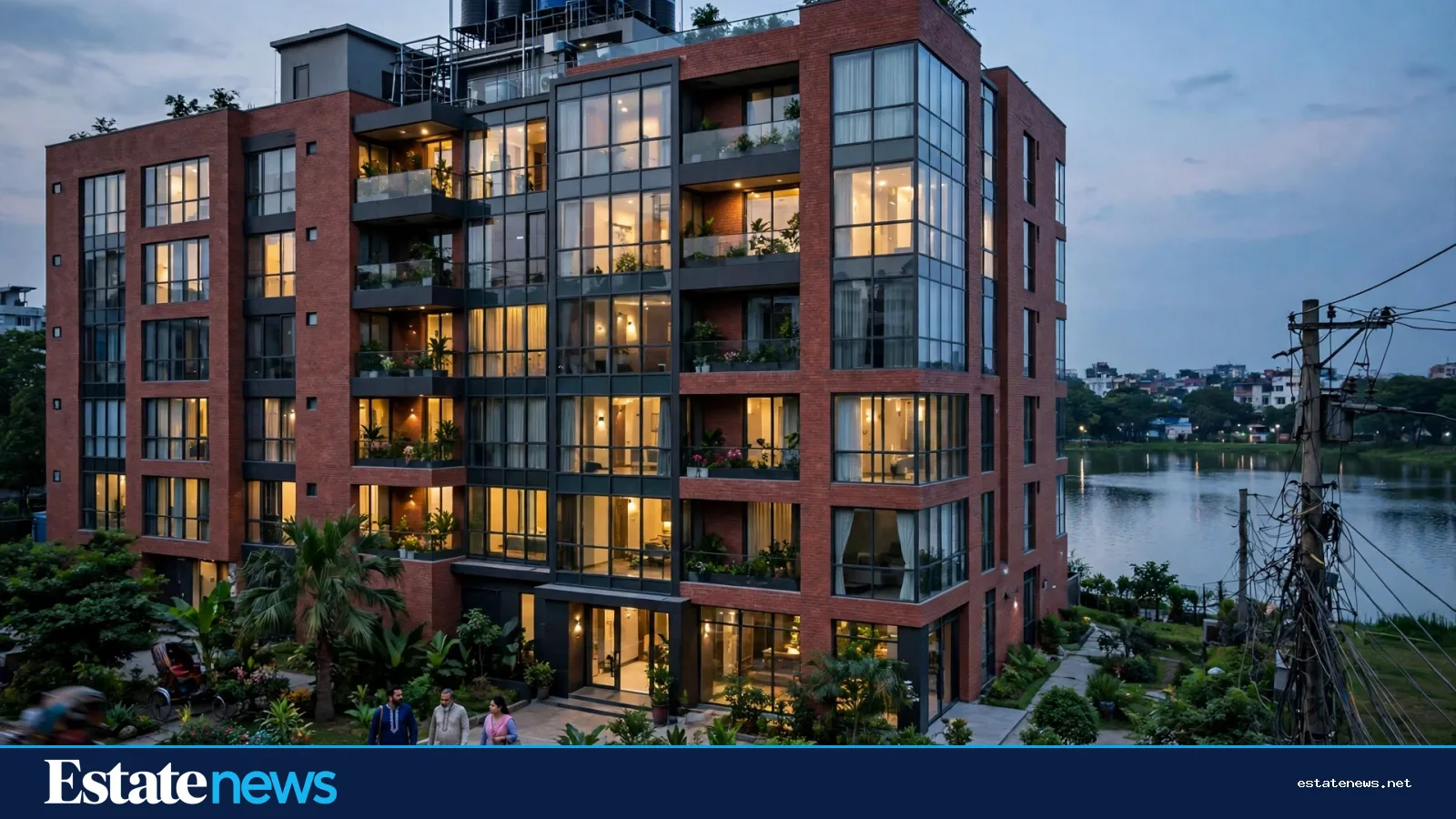
The gate opens onto quiet. Inside, the road noise of Gulshan falls away, and the garden is what catches a visitor's eye, not the building at all. It is the garden. A lawn runs along the front, old trees stand where the architects left them, and water moves in a small pool near the entrance. The flats above are large, the windows are wide, and only a handful of families live behind the walls.
Bay Developments Ltd has worked this way for three decades. The company began in 1995 and has stayed in the most expensive streets of Dhaka, Gulshan, Baridhara and Banani, building a small number of large flats instead of a large number of small ones. This feature looks at what the company has actually built, how it builds, and what a buyer should check before paying a premium price for a flat in this part of Dhaka.
Thirty years, a few buildings at a time

Bay started with a single promise, according to the company's own account of its history: quality, held steady across every project. The trade press puts the same point in plainer terms. In a profile carried by ICE Today, Bay is described as a builder that has stayed in a high-end niche for three decades, pushing design ideas that later spread across Dhaka's premium market.
The record supports the scale of that claim, if not every detail of it. Bay's projects are small by Dhaka standards. Gulfeshan in Gulshan, launched in 1999 and completed in 2002, holds ten units of 3,200 to 4,000 square feet, and the company lists every one of them as sold. Chayaneer in Baridhara, launched in May 2021, holds ten apartments of about 3,600 square feet each, with completion set for 2025. Lyra, also in Baridhara, launched in June 2021 with 14 apartments and the same 2025 completion date. Seleste in Gulshan, launched in July 2021, holds 12 apartments across single-apartment floors of 3,950 and 4,150 square feet, with completion set for 2024.
That slowness is deliberate, and it is also the company's main risk. A buyer who waits for a Bay flat waits years. A buyer who wants choice across the city will find more of it elsewhere. Bay's answer, in its own project pages, is that each building is planned around light, air and planting. Whether that answer is worth the wait is a question only the buyer can settle, and it should be settled with documents, not with a feeling.
The portfolio in Gulshan, Baridhara and Banani
Gulfeshan remains the clearest statement of the Bay idea. The project page describes a ten-katha lawn, private hanging gardens and two old rain trees kept through construction. The building uses red facing brick with glass and aluminium, double walls between apartments for privacy, and bay windows that open onto the lake and the garden below.
The newer projects carry the same ideas into larger floor plates. Westlake, on Road 50 in North Gulshan, is the company's flagship in the making. ICE Today reported 15 units there, in duplex, simplex and penthouse layouts of 4,500 to 9,000 square feet, with interiors fitted for each buyer.
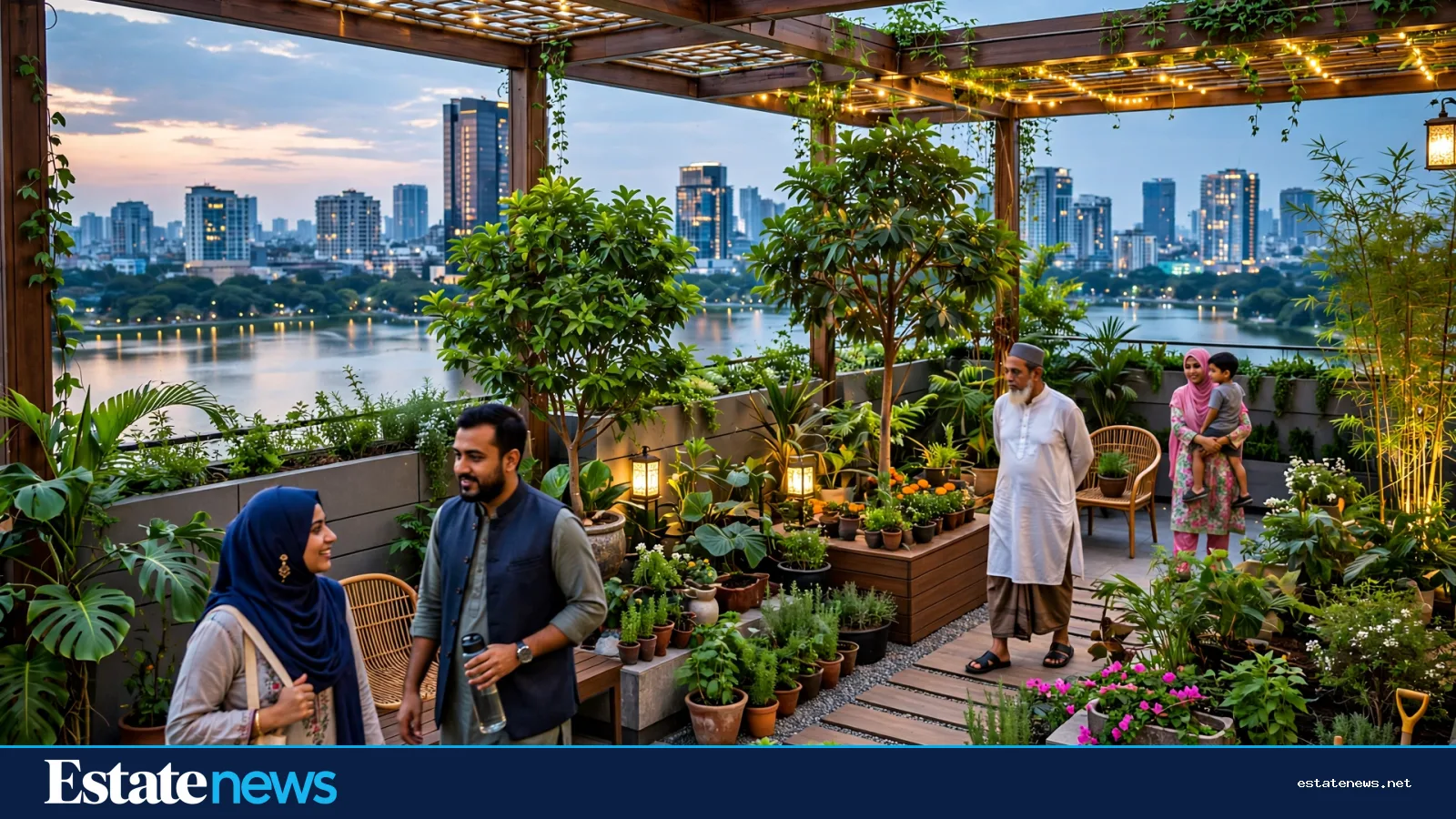
Khan Lodge in Gulshan and the Tafuri Residence in the Baridhara Diplomatic Zone sit at the same end of the market. The company's pages describe Khan Lodge as a set of spacious apartments with large windows and open space around the building. Tafuri, on a corner plot, holds four duplex residences with a rooftop leisure centre, a garden, a pool and a clubhouse. Orbit House in Banani is different again, a seven-level private residence with two apartment floors, a dining area, a banquet hall and a movie room. The variety is real, but the thread holds. Few homes, large rooms, planting in and around the building, and addresses where land is scarce and costly.


What the premium price is really paying for
A flat in Gulshan or Baridhara costs far more than the same floor area anywhere else in Dhaka. Estate News tracks asking prices from current public sale listings, and the latest run, as of 24 November, puts the median asking price in Gulshan at Tk 20,000 a square foot, from nine listings, and in Banani at Tk 13,888 a square foot, also from nine listings. These are asking prices, not transaction prices, and they cover the whole market in each area, not Bay's flats alone. A premium building with a garden, a single apartment per floor and a fitted interior will sit above the area median. A buyer should expect that, and should ask what the gap is paying for.
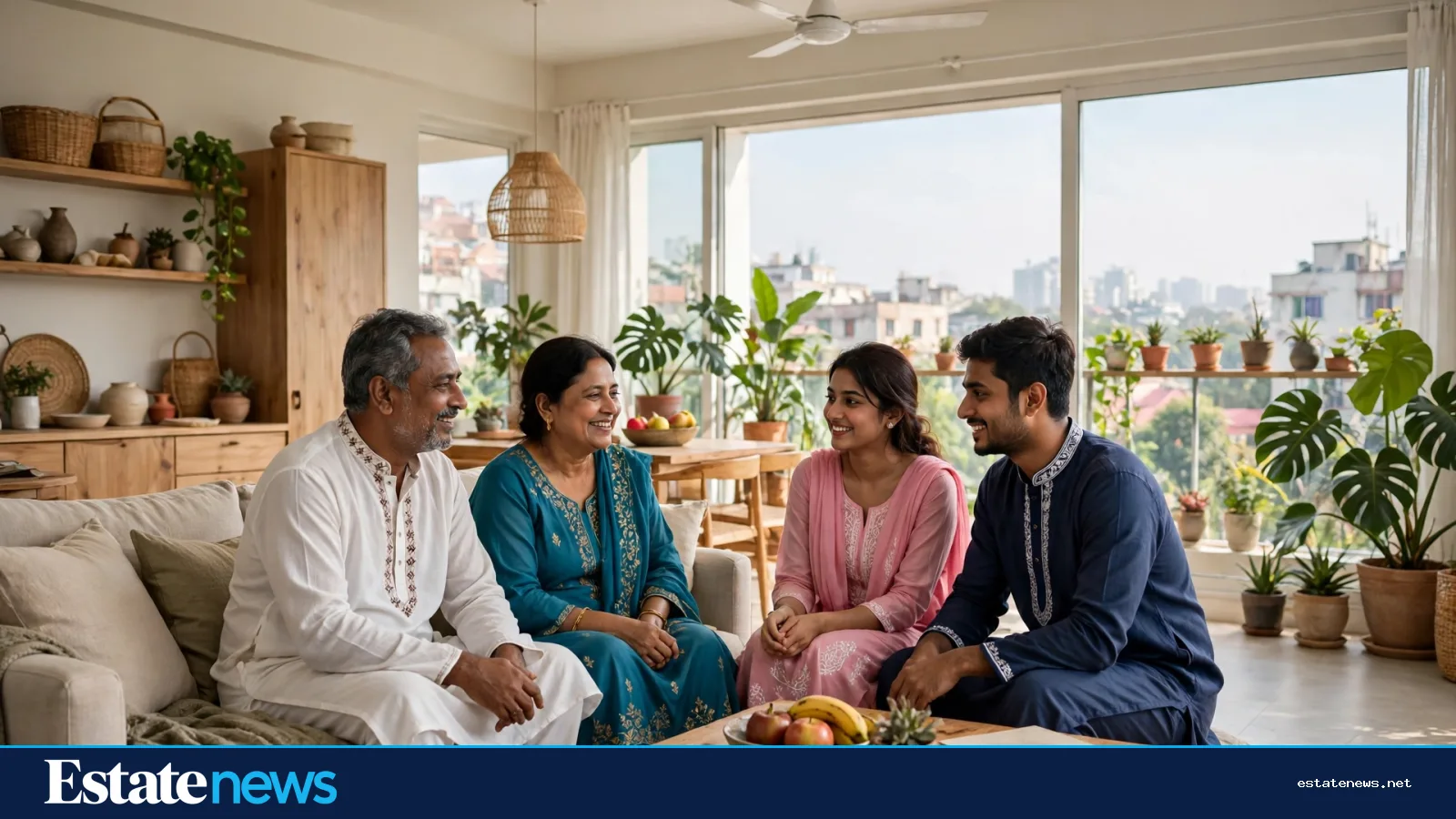
Part of the answer is space. A 4,000 square foot flat with one home per floor gives a family room to live in a way a 1,200 square foot flat cannot. Part of it is the address. Gulshan and the Baridhara Diplomatic Zone hold their value because embassies, offices and schools sit close by, and because new land there is almost impossible to find. Part of it is the finish. Bay offers a complete interior fit for each family and runs professional building maintenance after handover, according to the company's own material.
The rest of the answer is design that is hard to price. Natural ventilation, daylight through large windows, planting that cools a facade, and quiet. Bay says many of the features now common in high-end Dhaka apartments began in its projects, and that some have since entered the National Building Code. What can be checked is simpler. Walk the building. Stand in the flat at midday and feel whether the air moves. Look at the garden and ask who waters it.
What a premium buyer should check
A high price does not remove the ordinary checks. It makes them more important, because the sums are larger and the mistakes cost more. Start with the deed and the chain of title, checked against the records, and with the mutation record. Ask for the RAJUK approval for the building and check that the flat on offer matches the approved plan. Read the handover date in the agreement, and what the agreement says if the date slips.
Then look at the costs on top of the price. Registration costs apply to a premium flat the same way they apply to any flat. Stamp duty runs at 1.5 percent. The registration fee is 1 percent. Local government tax is 2 percent inside a city corporation. VAT on a new flat is 2 percent up to 1,600 square feet and 4.5 percent above that size, so a large premium flat carries a larger VAT bill. Mutation costs Tk 1,170. On a flat of several thousand square feet, these charges run into many lakhs, and they should be in the buyer's maths before any booking money changes hands.
Ask, too, about the things the brochure leaves out. Who manages the building after handover, and what does the service charge cover. How the lift, generator and water supply are maintained. Whether the parking, the garden and the rooftop are common space or tied to individual flats. A builder with a long record should answer these questions without hesitation.
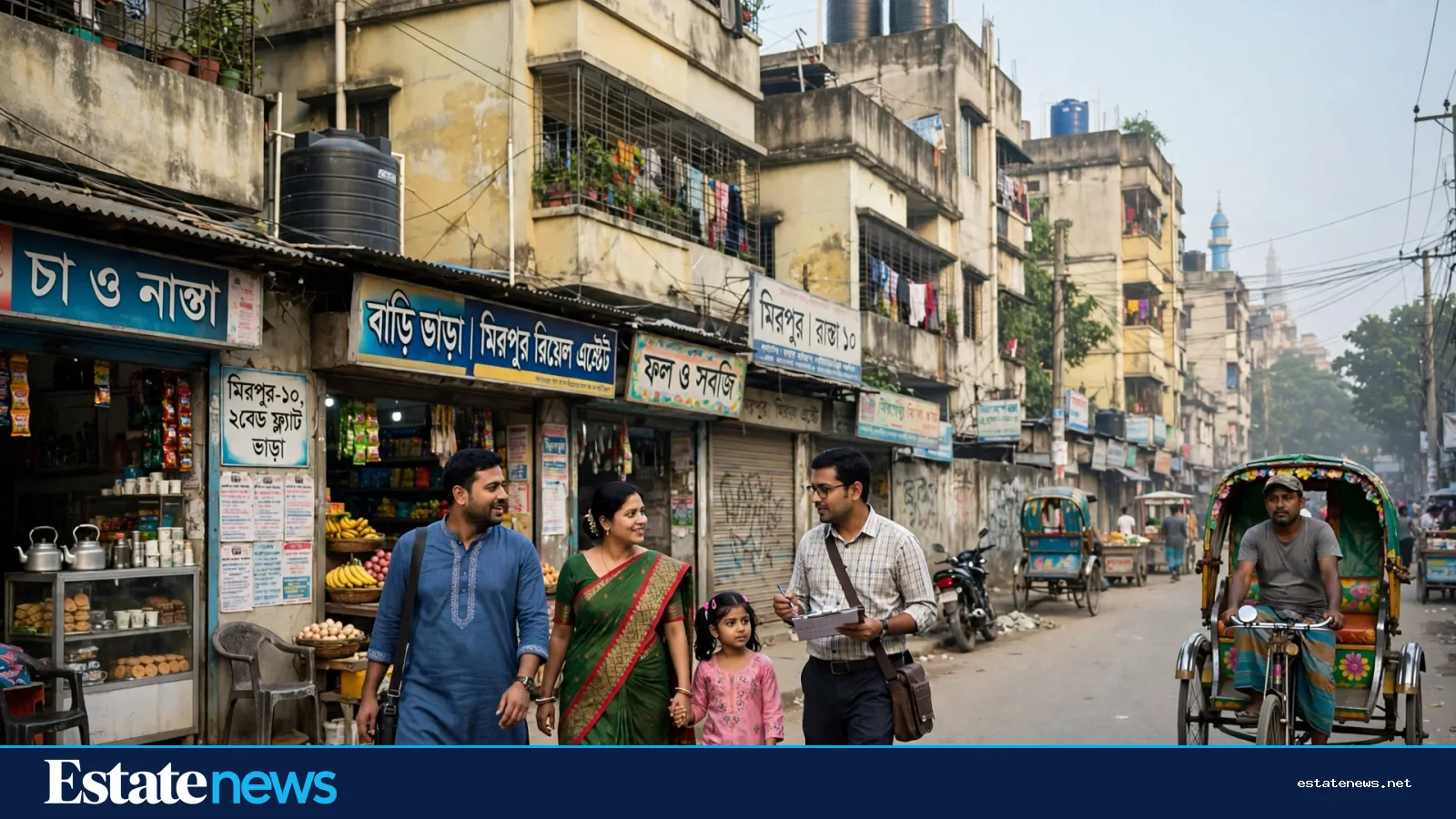
Estate News covered the wider price picture in "Flat Price in Dhaka: What November's Asking Prices Say, Area by Area", the cheapest ground in the city in "Mirpur: Dhaka's Cheapest Flats and the People Who Buy Them", and the registration maths in the guides on flat agreements and registration costs.
Bay has spent thirty years building a small number of large flats in the most expensive streets of Dhaka, betting that a few buyers will pay for space, light and quiet. The bet has held so far. For the next buyer standing at the gate in Gulshan, the question is not whether the garden is beautiful. It is whether the papers, the price and the maintenance behind it are as sound as the building in front of them.