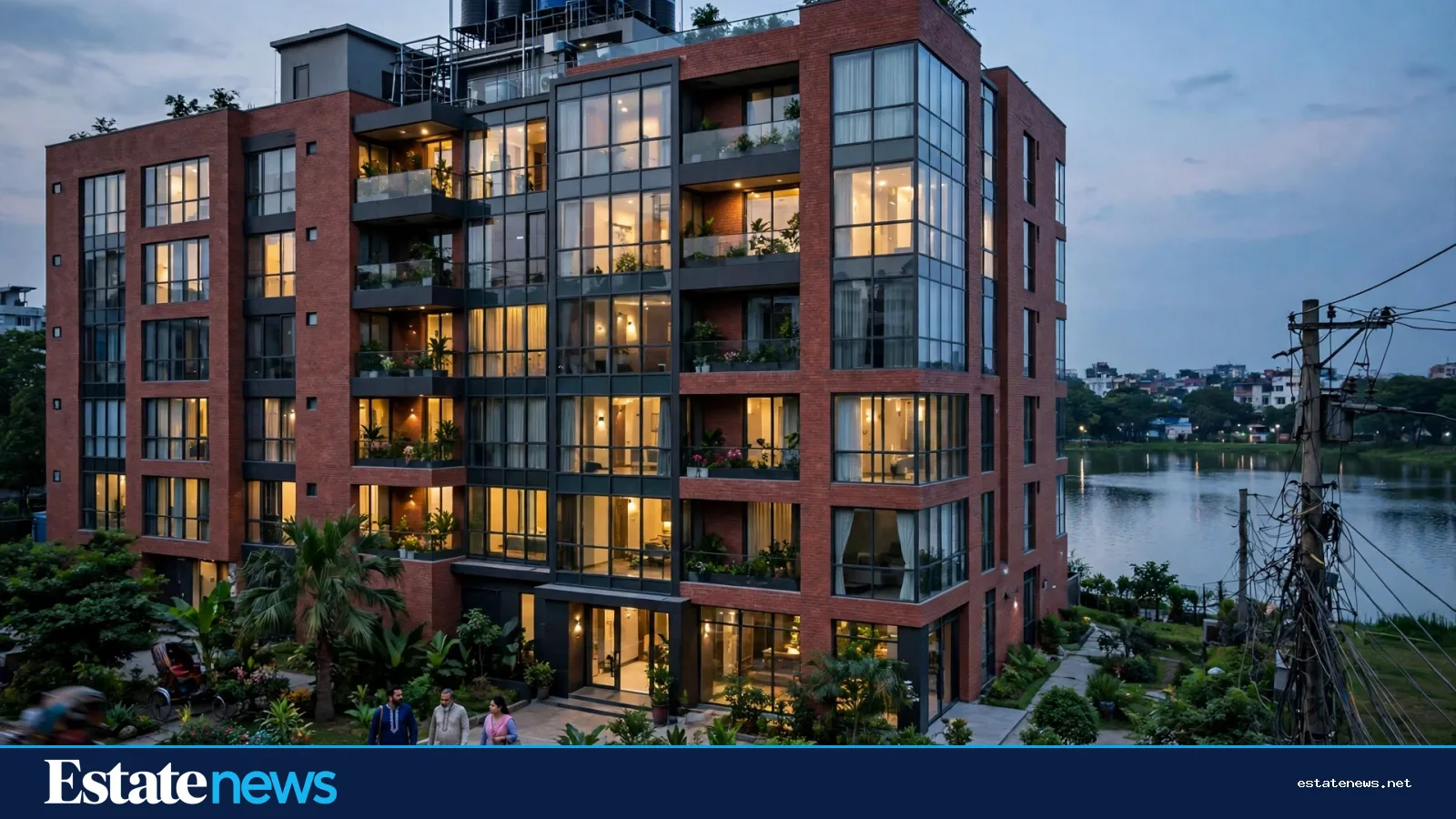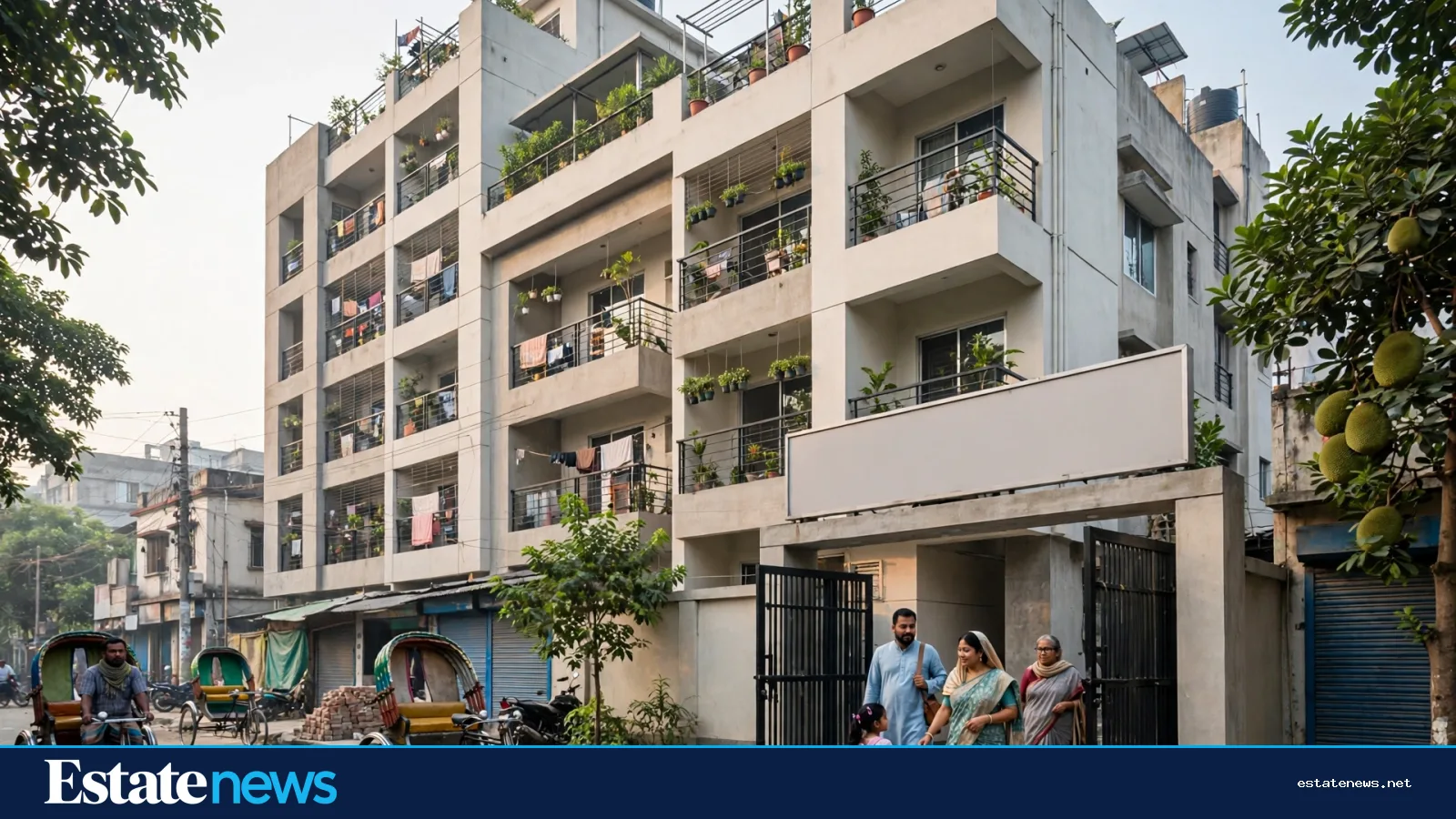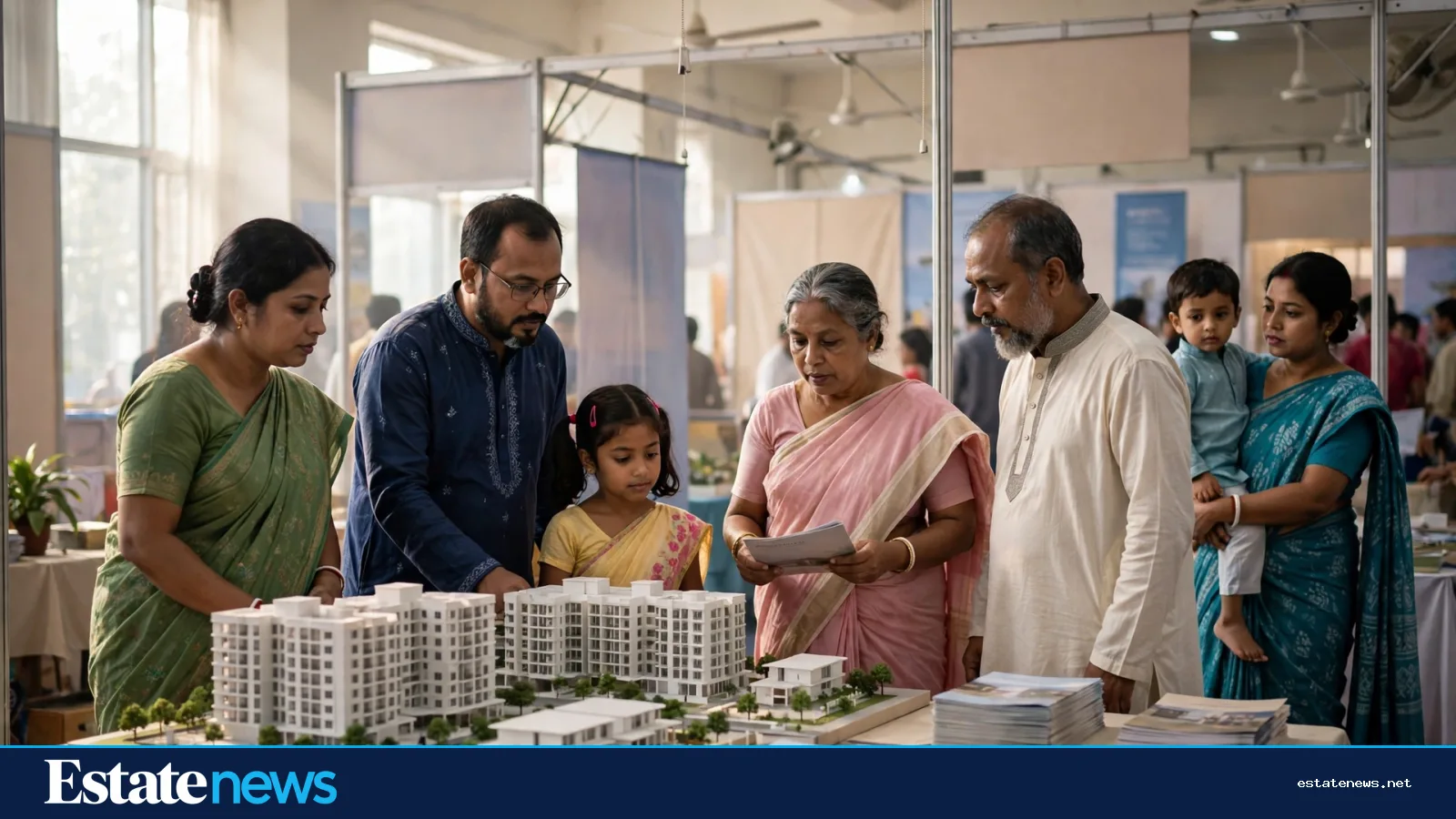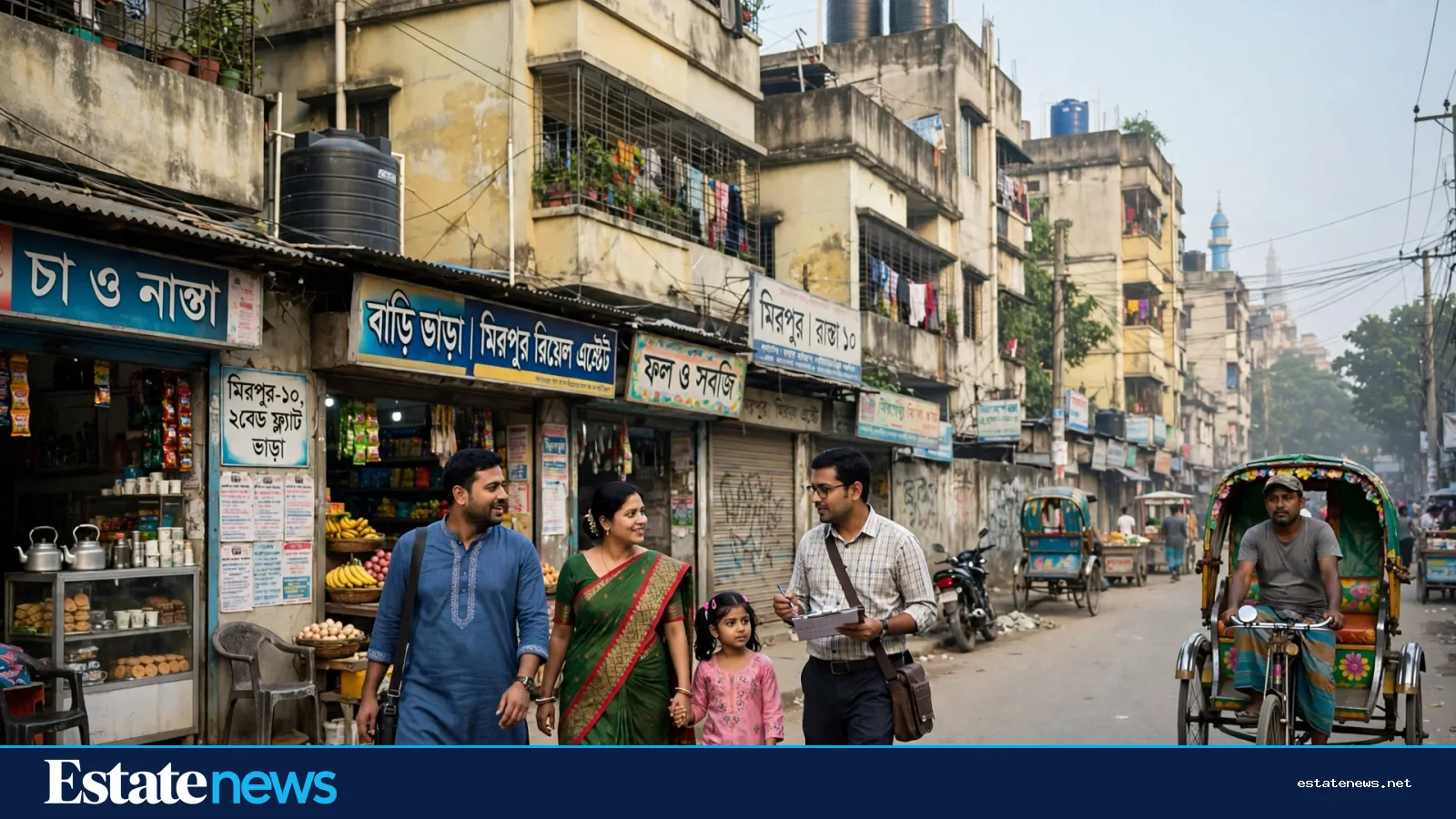
Every family in Dhaka that pays rent asks the same question sooner or later. The rent goes out each month and builds nothing. A flat of their own would cost a fortune, but at least the money would stay in the family. The answer is arithmetic, and it changes with the area, the size of the flat and the size of the loan.
Start with what buying actually costs. The price on the listing is only the first line. Registration costs sit on top of it: stamp duty at 1.5 percent, a registration fee of 1 percent, local government tax at 2 percent inside a city corporation, VAT of 2 percent on a new flat up to 1,600 square feet, and Tk 1,170 for mutation. On a flat of Tk 87 lakh, those charges come to Tk 5,66,670. On a flat of Tk 1.25 crore, they come to Tk 8,13,670. On a flat of Tk 2 crore, they come to Tk 13,01,170. That money is gone the day the deed is signed, before a single piece of furniture is bought.
What the asking prices say

Estate News tracks asking prices from current public sale listings. The latest run, collected on 24 November from eight to ten listings per area, puts the median asking price in Mirpur at Tk 8,700 a square foot, in Bashundhara Residential Area at Tk 9,865, in Uttara at Tk 12,500, in Banani at Tk 13,888, and in Gulshan and Dhanmondi at Tk 20,000. These are asking prices, not transaction prices. A listing price is what a seller hopes for, and the price a buyer actually pays can be lower after negotiation.
Run the numbers on a 1,000 square foot flat. In Mirpur, the asking price is Tk 87 lakh, and registration adds Tk 5,66,670, so the cash needed before the loan is about Tk 92.67 lakh plus the deposit. In Uttara, the same size costs Tk 1.25 crore, with Tk 8,13,670 in registration charges. In Gulshan, it costs Tk 2 crore, with Tk 13,01,170 in registration charges.
Then comes the monthly instalment. Its size depends on three things: how much is borrowed, the interest rate the bank charges, and how many years the loan runs. Estate News does not publish a single home-loan rate, because rates differ by bank and by borrower. The site's /emi calculator lets a reader put in the loan amount, the rate their own bank quotes and the tenure, and see the instalment before deciding anything. The /rent-vs-buy calculator sets the cost of buying beside the cost of renting over the same years.
What renting costs, and what it saves


Renting has no registration cost, no deposit locked into concrete, and no instalment that runs for twenty years. The money a renter pays each month is gone, but the renter keeps the freedom to move when a job changes or a child's school changes. To compare the two honestly, take the rent you actually pay now, not a figure from a table. Estate News has no verified median rent for any Dhaka area, so this piece uses worked examples instead of market rents, and a reader should replace them with their own rent.
Take a household paying Tk 30,000 a month in rent. That is Tk 3,60,000 a year, and Tk 18 lakh over five years. In the same five years, a buyer of a Tk 87 lakh flat in Mirpur pays Tk 5,66,670 in registration charges alone, plus the deposit, plus sixty monthly instalments, plus service charges and maintenance. The buyer ends the five years owning a share of the flat. The renter ends the five years with the freedom to leave and the deposit still in the bank. Which is better depends on how long the family plans to stay, how steady the income is, and whether the flat's value holds.
Staying put is where buying wins. A family that will live in the same area for ten or fifteen years, with a steady income and a loan it can carry even in a bad year, gets the most from owning. A family that may move for work, or whose income is uncertain, gets the most from renting.
The checks before either choice
A renter should read the agreement before paying an advance: the monthly rent, the advance, the notice period, who pays for repairs, and what happens if the owner sells. A buyer should check the deed and the chain of title, the RAJUK approval, the mutation record, and whether the land is free of dispute. Both should check the building itself: water supply, gas, lift, generator, and the state of the stairwell.
Estate News covered the Bangla side of this question in "ভাড়া না কেনা: ঢাকায় কোনটা লাভজনক, হিসাব করে দেখুন", the registration arithmetic in "ফ্ল্যাটের রেজিস্ট্রেশন খরচ: ২০২৬ সালের পুরো হিসাব", and the area asking prices in "Flat Price in Dhaka: What November's Asking Prices Say, Area by Area". This is general guidance, not financial advice. A reader deciding between rent and a loan should talk to their bank about the rate and to a lawyer about the papers before signing anything.
Rent or buy is not a question with one answer for the whole city. It is a question with one answer per family, per area, per loan. Do the maths with your own rent, your own salary and your own bank's rate, and the answer will be yours.