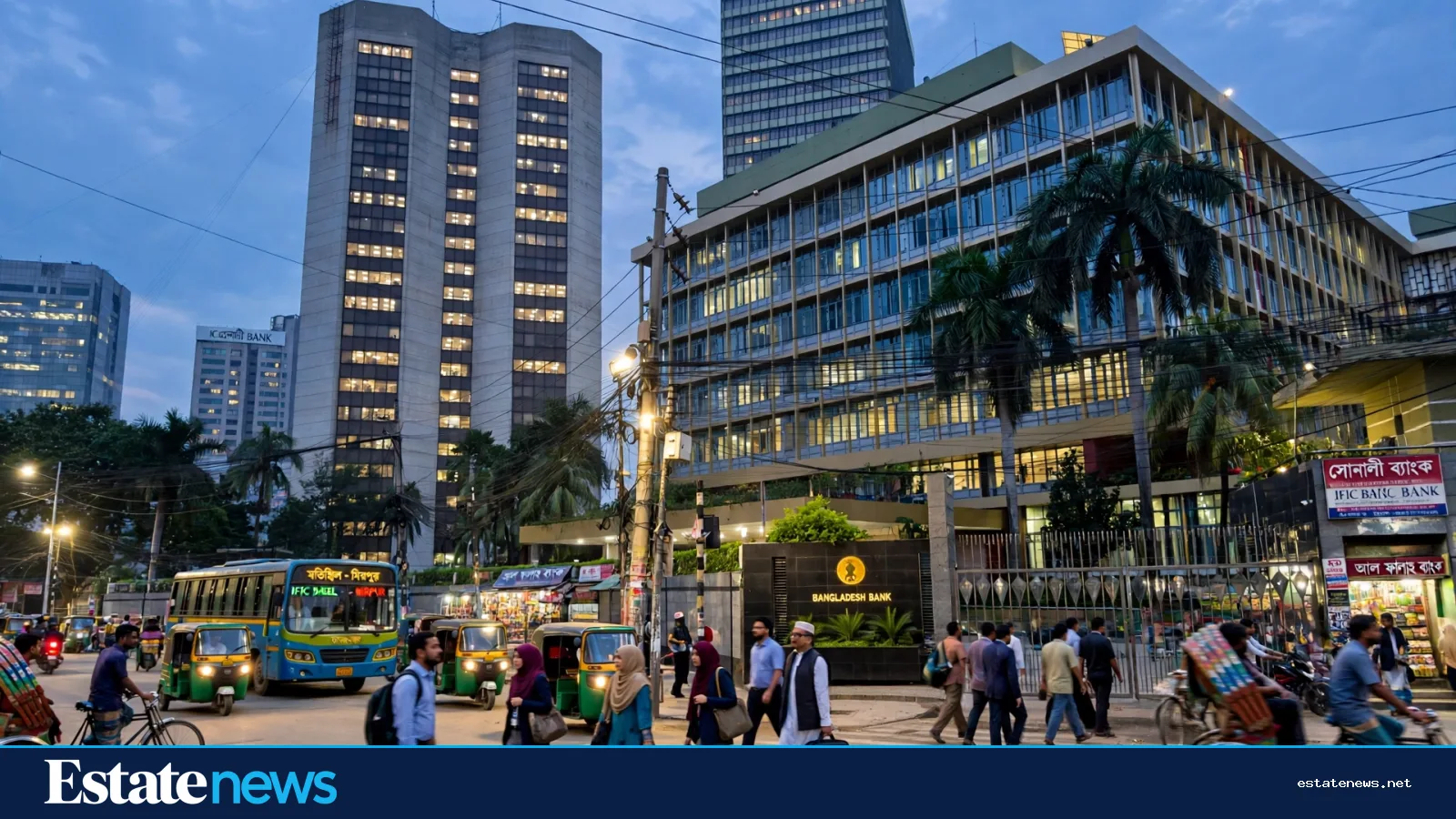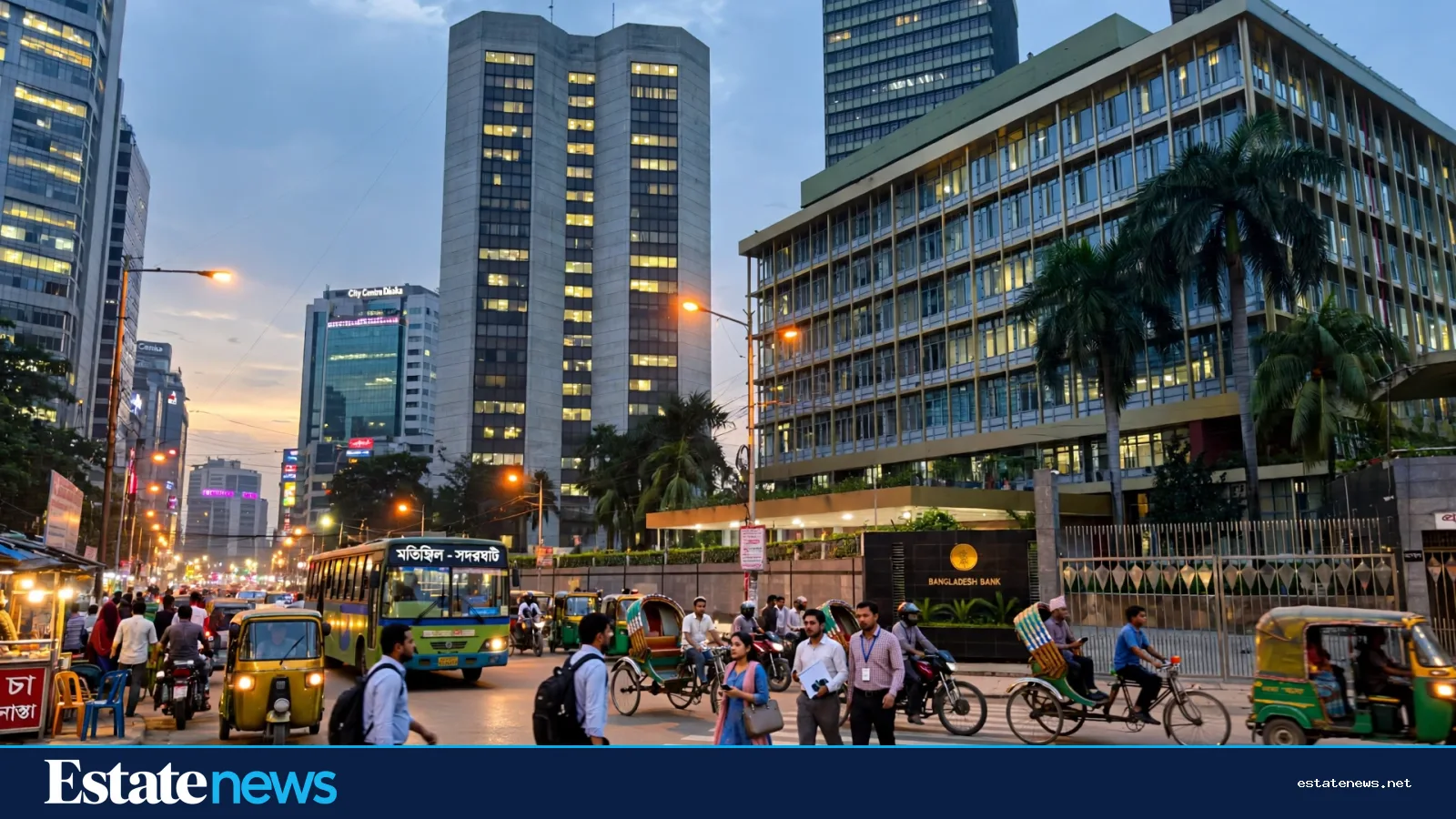
The seminar was held in the Dhaka Stock Exchange Tower on Thursday, and the message from the head of the market regulator was blunt. Bangladesh needs better companies on its stock market, and the rules that decide who gets in, and at what price, are about to change.
Masud Khan, chairman of the Bangladesh Securities and Exchange Commission, told the Bangladesh Association of Publicly Listed Companies that the commission has
drawn up sweeping changes to the initial public offering rules. The draft runs to 108 pages and is near finalisation, according to the regulator, with stakeholder feedback still being taken before the rules are settled. Nothing in the package is law yet. Every change below is a proposal under consultation, and the details could still move.

The price you bid is the price you pay
The centre of the plan is a shift to pure book-building. Eligible investors will bid for shares in a new listing, and their bids will set the cut-off price. Under the current arrangement, successful bidders generally get shares at that cut-off price. Under the proposed system, each investor buys at the price they bid. Bid high to make sure of an allotment, and you pay the high price. Bid low, and you may get nothing at all.
A price band of 50 percent above and below the indicative price is under consideration, to give bidding room without letting it run away. For large issues, companies seeking to raise more than Tk 500 crore, a book-runner mechanism is proposed, so a professional manager tests investor interest and helps set the price. Issue managers would also get to choose one valuation method instead of the four they must work through now, with the price justified rather than averaged across methods.
A lottery replaces the guaranteed slice
The change that matters most to a small saver sits on the other side of the offer. General investors will get IPO shares through a lottery instead of the current pro-rata allocation. Pro-rata gave every applicant a slice in proportion to the money applied. A lottery gives some applicants the full lot they asked for and others nothing. The odds depend on how many people apply, and no applicant can count on getting shares.
Mutual funds move in the opposite direction. They will shift out of the eligible-investor category and into the general-investor category, where they will get a designated allocation on a pro-rata basis. The regulator's stated aim is to strengthen institutional participation, and the mutual fund industry is being lined up for a bigger role, with licensed agents allowed to sell fund units.


What changes for the companies
The proposals also loosen the rules that keep companies away from the market. The underwriting requirement would fall from 100 percent to 50 percent, and foreign underwriters may be allowed to take part. A company could use IPO proceeds to repay up to half of its loans. Companies with restructured loans could qualify after two rounds of restructuring. Cash flow from operations would weigh more than reported profit when a listing application is judged.
Loss-making companies in capital-intensive sectors, including power, cement and steel, could list if they can show future cash-flow capability. That detail matters to the property world. Cement and steel makers carry heavy plants and long payback periods, and a listing route that judges them on cash they can generate, rather than profit already made, opens a door that has been shut to them.
The 30 percent sponsor-director rule is also set to ease. Sponsors would be allowed to transfer shares among themselves and sell to outsiders who then join the board. Settlement moves to T+1 from 4 January, in preparation with the DSE, so a buyer gets shares the next working day. The restricted trading period before board meetings is under review, with a view to shortening it. Digital annual general meetings with five or more participants would be recognised, and hybrid meetings made easier.
The stick behind the invitation
Khan paired the invitation with a warning. Large, established companies are being urged to list voluntarily, and the regulator is examining legal ways to make them list in the public interest if encouragement fails. The concept under discussion is the "Public Interest Company", and the regulator is considering restoring mandatory listing conditions for firms above specified capital limits. The DSE has received four new IPO applications, according to its chairman Mominul Islam, and Mehmud Industries, the Anwar Group textile company, plans to apply to BSEC in early 2027 for an IPO by book-building.
For a small investor, the trade is plain. The lottery could hand a full allotment to a lucky applicant, where pro-rata gave everyone a thin slice. It could also hand nothing to an applicant who has applied for years. For a property developer or a building-materials company thinking about a listing, the proposed rules lower the cost of coming to market and judge the business on the cash it can throw off. Neither side should act yet. The draft is still open for comment, and the final rules will decide how much of this package survives.
This is general information about proposed market rules, not investment advice. Anyone considering an IPO application should read the final rules and take professional advice before deciding.