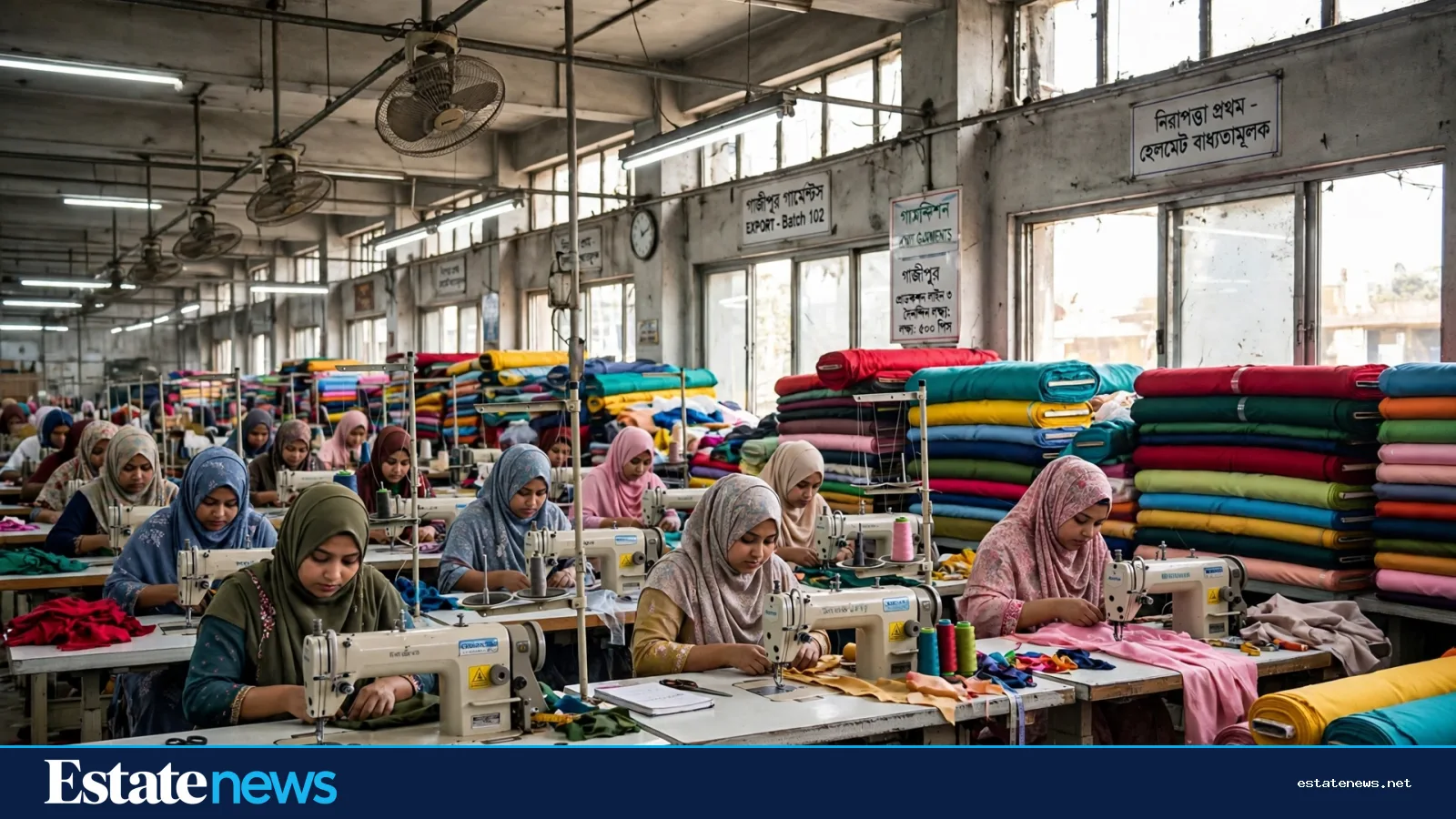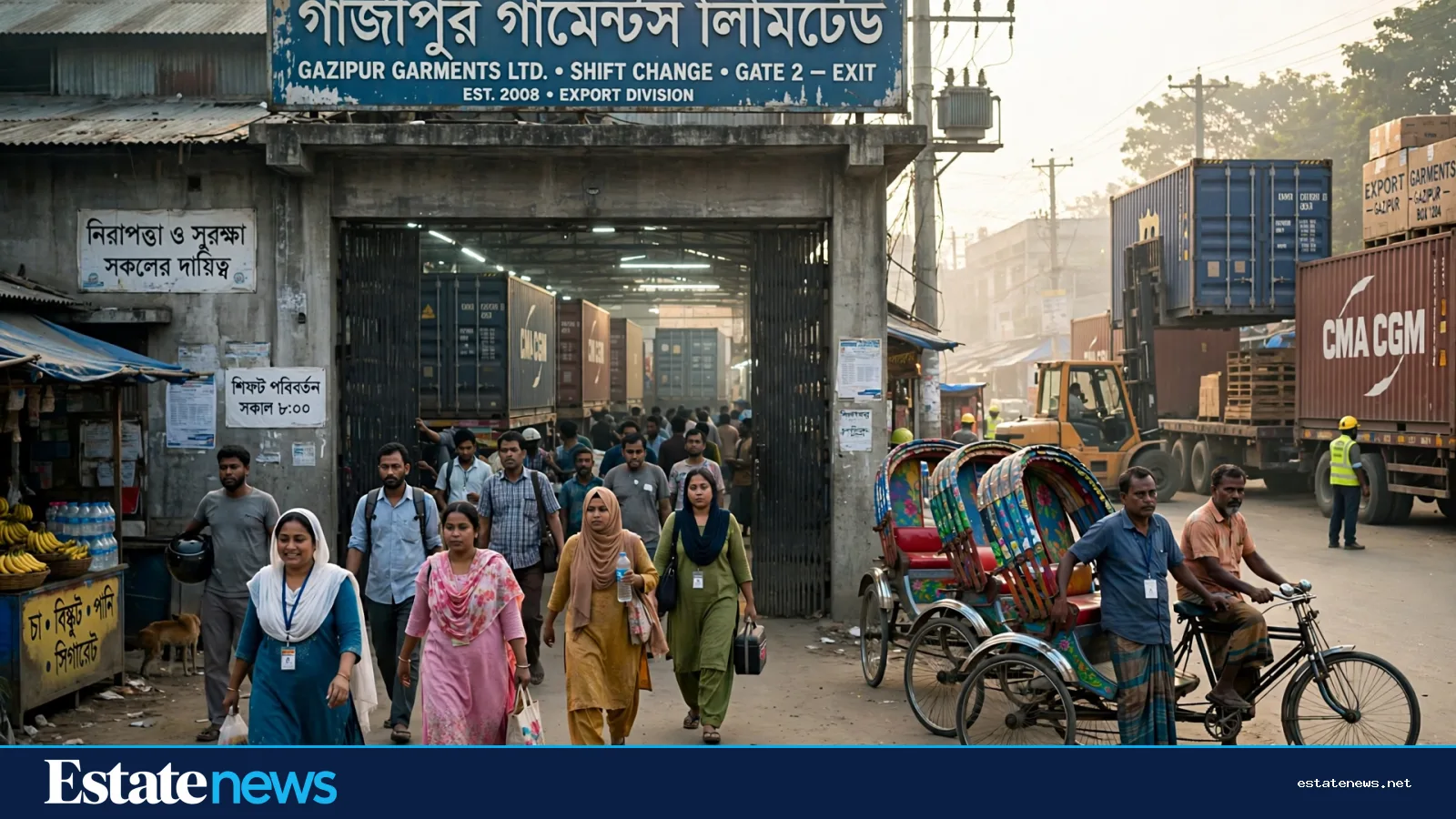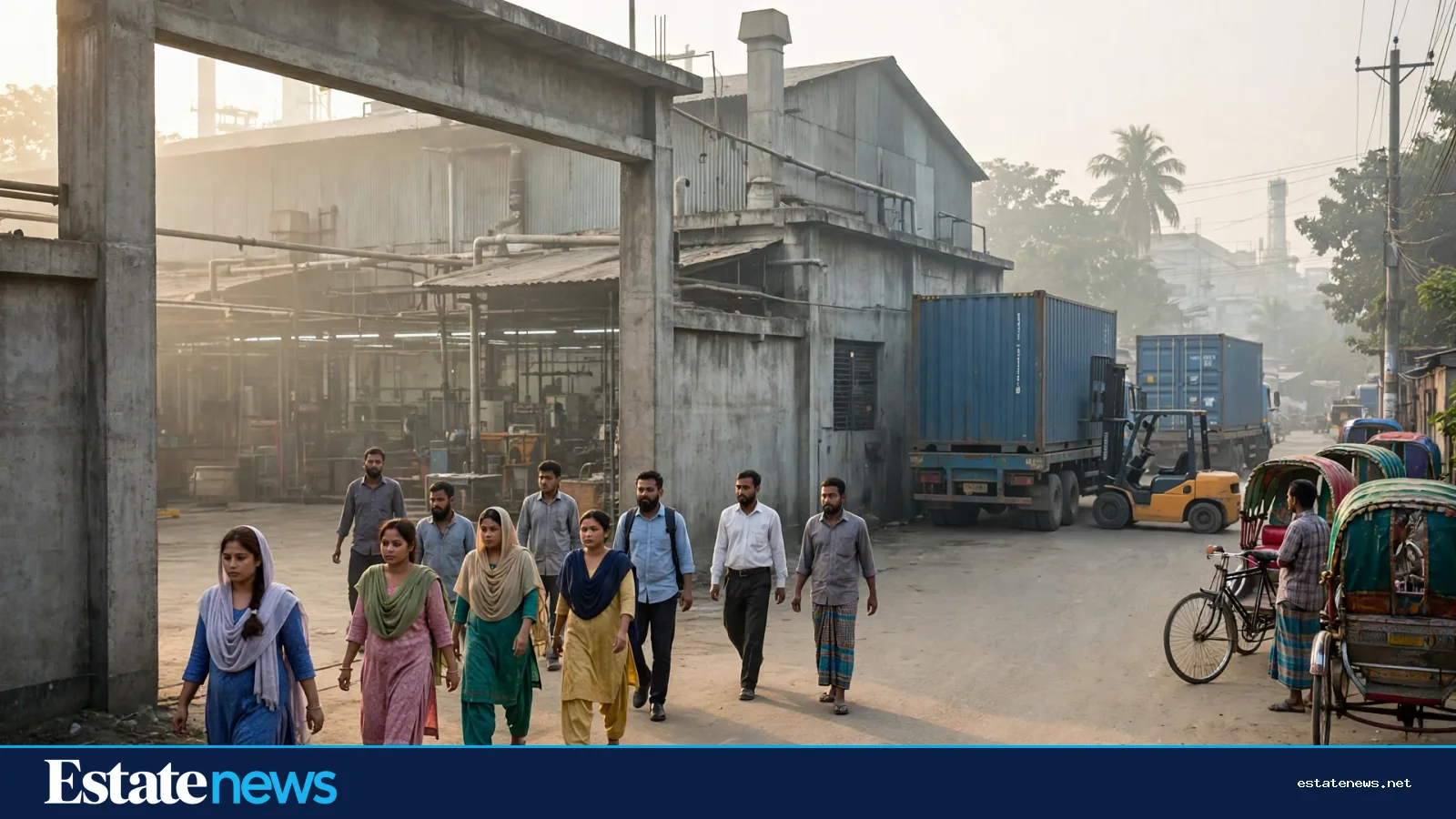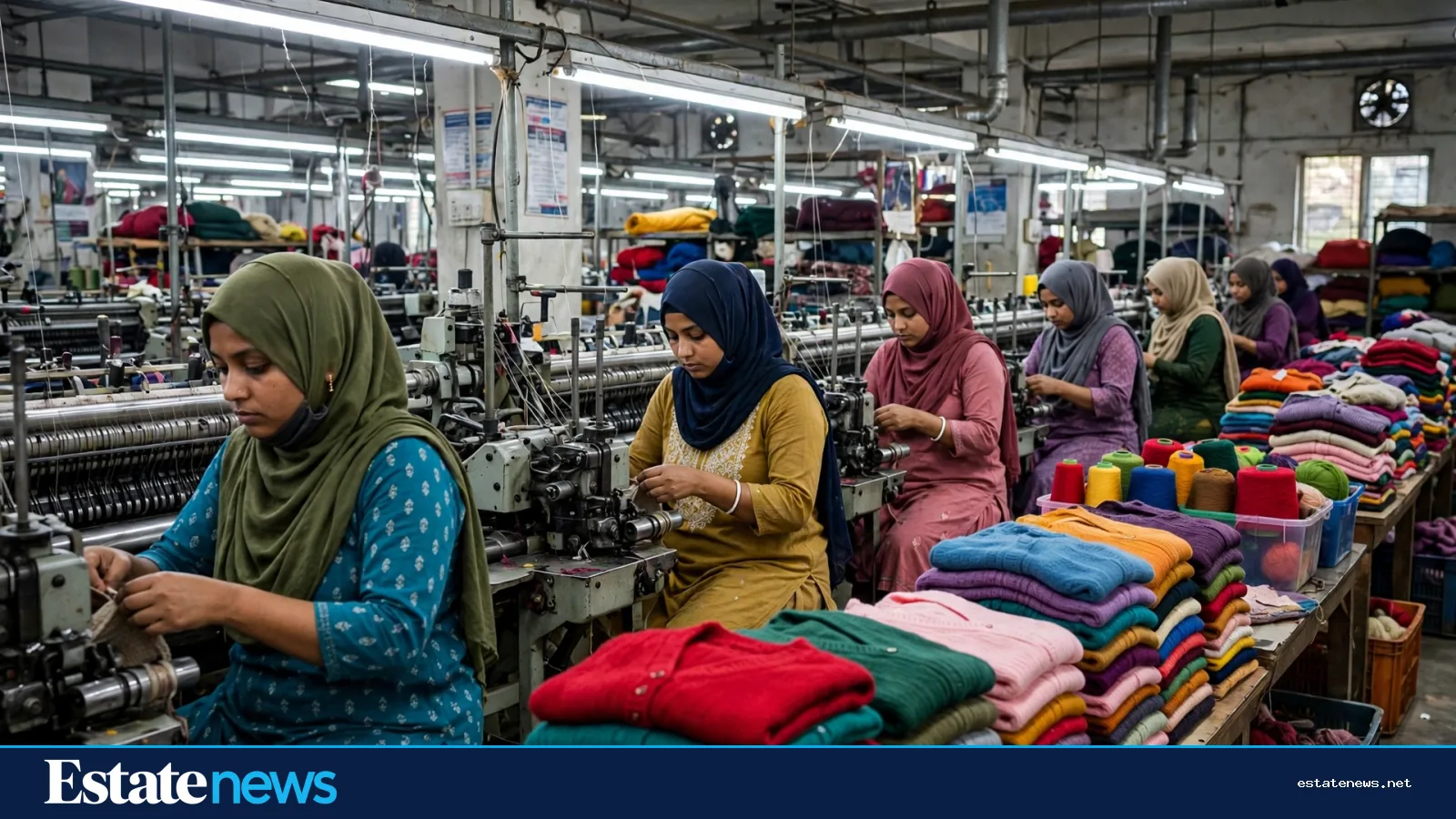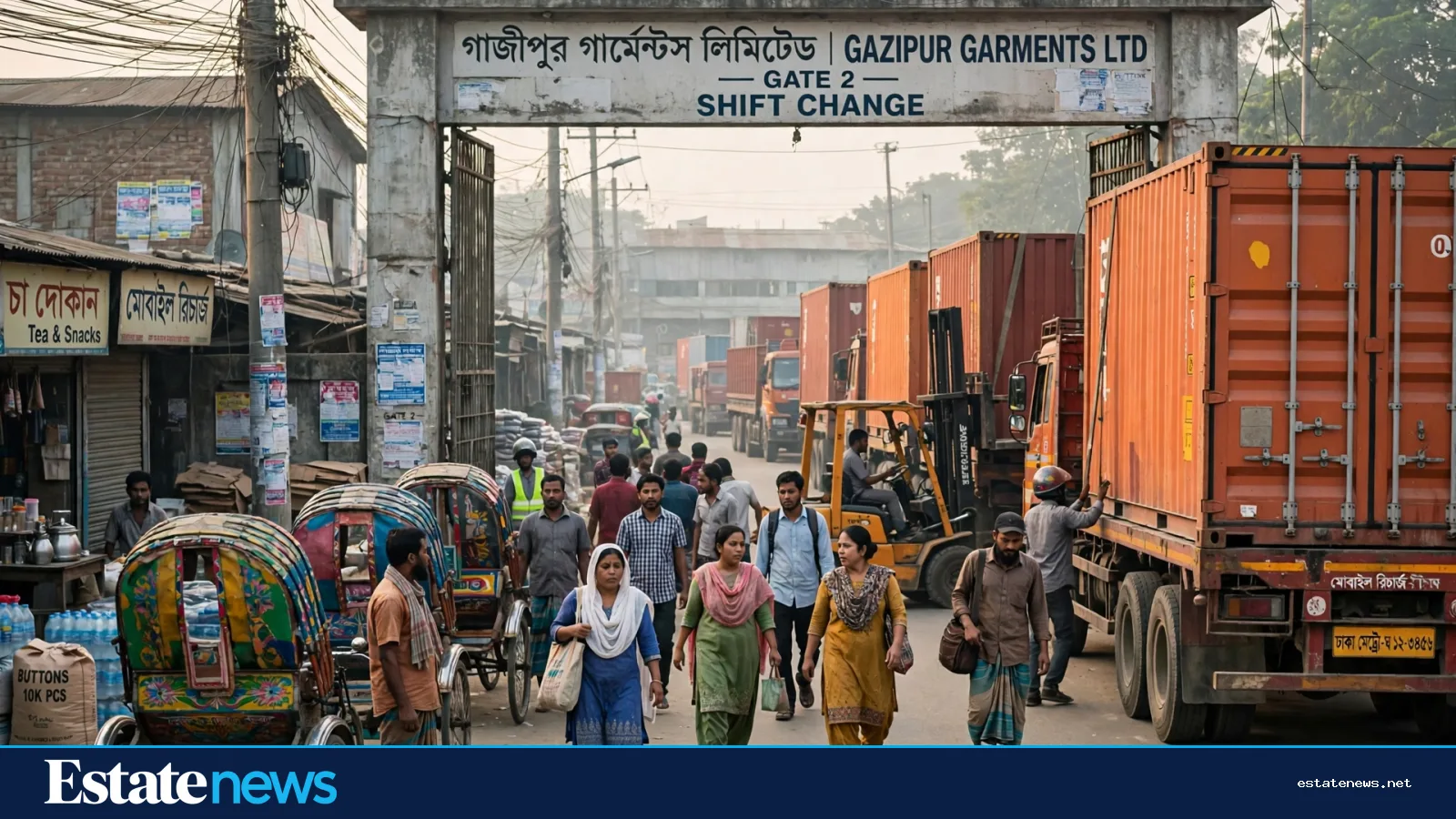
The gate opens a little before seven, and the street fills in minutes. Women in salwar kameez walk out in small groups, bags over their shoulders, talking over the rumble of a forklift. Men in shirts and lungi wait by the tea stall for the rickshaws to turn around. Container trucks nose out of the yard one by one, bound for the port road. It is the ordinary start of an ordinary shift in Gazipur, the factory town that sews much of what the world wears. This week, though, the gate carried a different kind of news, a number that travelled from Dhaka to Delhi to London in a day.
The number is $254 million. Reuters reported on 28 November that global fashion brands diverted about that much in garment orders from Bangladesh between 1 and 18 November, most of it to India. A day later, the industry body that produced the figure said there was no evidence the orders had gone abroad at all. Both claims cannot be the whole story, and the proof either way is due today, when the Bangladesh Garment Manufacturers and Exporters Association, BGMEA, is expected to release its full report. The question matters beyond the factory floor, because the orders pay the wages that pay the rents in Gazipur, Savar and Narayanganj.
The Reuters numbers

The Reuters report, carried by Dawn and Prothom Alo, said brands diverted about $254 million worth of orders in the first half of November, close to a tenth of their monthly orders from Bangladesh. The orders, 59 million pieces of confirmed work according to the BGMEA survey, moved after weeks of labour unrest closed factories and broke shipment schedules. Factory owners, speaking anonymously because of their relationships with buyers, named Zara, H&M, Marks and Spencer and Celio among the brands shifting orders. India emerged as the biggest beneficiary, the report said, while buyers were also looking to Vietnam, Cambodia and Indonesia to spread their risk.
Speed was the reason given, as much as unrest. Rivals can deliver in 60 to 90 days, against about 120 days in Bangladesh, according to industry leaders cited by Reuters. India is about a week faster than Bangladesh, and Vietnam and Cambodia up to 15 days faster. Factories lost an estimated 20 to 25 production days in the disruption. The BGMEA survey of 317 factories put production losses at $428 million over the same 18 days, on top of the $254 million in orders said to have shifted.
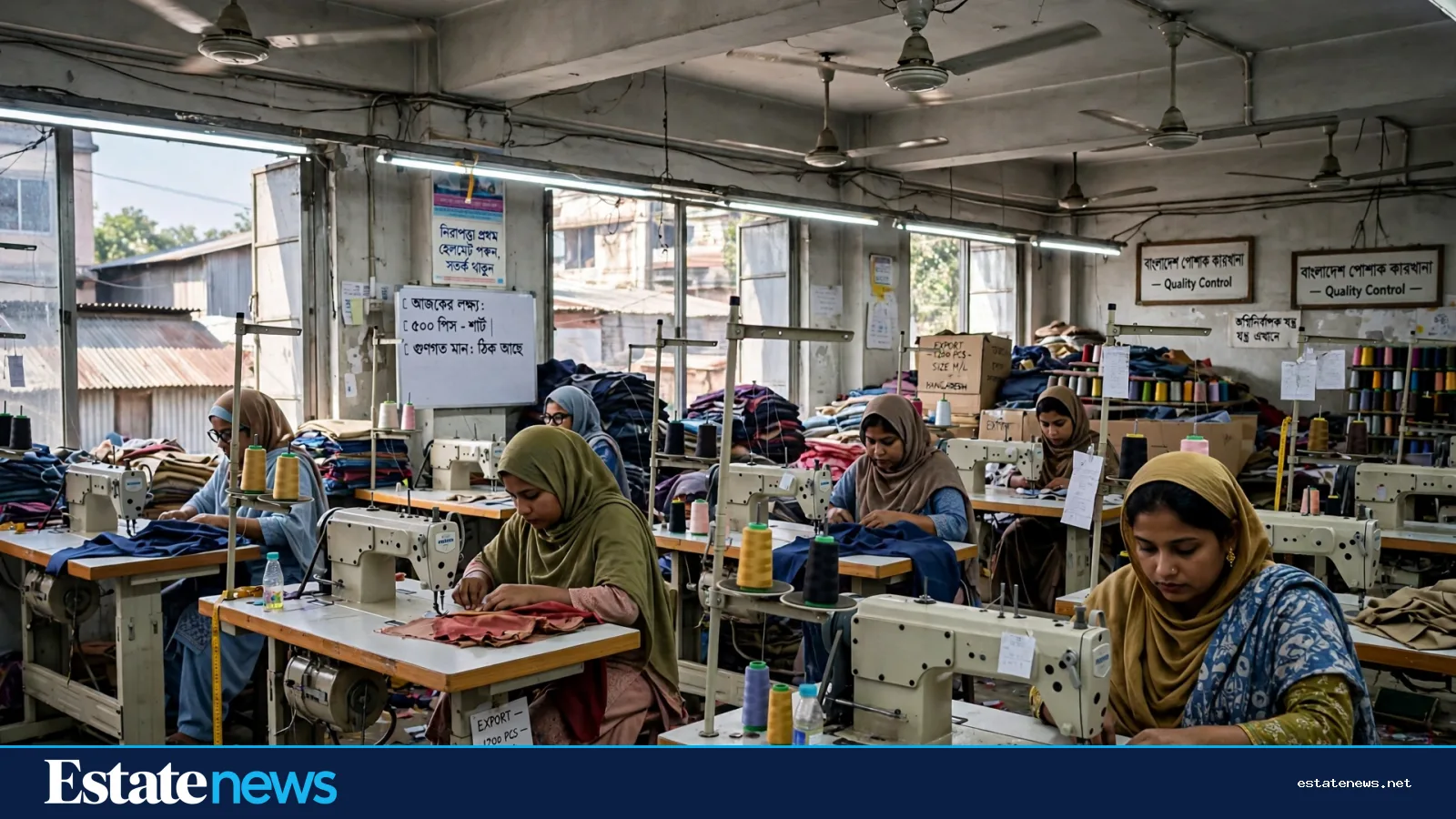
For the factory owners, the fear is not only the orders already gone. It is the ones that may never come back. Khan Monirul Alam, managing director of Alps Apparels, told Reuters: "Since November 1, most of my buyers have stopped placing orders because of the unrest." Owners told the agency that buyers were saying orders had been shifted, postponed or cancelled, and that alternatives had already been found. BGMEA president Mahmud Hasan Khan said temporarily shifting some orders could minimise losses while maintaining relationships with buyers. The owners' worry, put plainly in the report, is that a temporary diversion becomes a permanent one.
The industry body's answer
The Business Standard reported on 29 November, in a piece published at 00:15, that reports of garment orders moving to India or other countries remain unsubstantiated. BGMEA says no concrete evidence supports the shift claims. Relocated orders lack confirmed destinations, the report said, and no buyer has notified BGMEA of moves to India. The association is compiling a full report, with its findings due today, Sunday.


That is the heart of the puzzle. The $254 million figure came from BGMEA's own survey of its member factories, which counted what factories said they had lost. What the association now says is missing is the other half of the ledger: proof of where each order landed. A factory knows when a buyer stops placing orders. It does not always know which rival factory, in which country, picked the work up. The survey counted 317 factories that had to suspend production between 1 and 18 November, out of more than 600 affected, and BGMEA itself has said the survey covered only part of the damage, so the true losses are likely higher. The destination question is a different kind of evidence, and on that, the association says, the file is still empty.
What the evidence actually shows
Two things can be true at once, and on the evidence published so far, they are. Orders were disrupted, production was lost, and buyers looked elsewhere for cover. That much is documented in the survey, in the factory closures, and in the words of owners who watched their order books thin. What is not documented, as of this morning, is a confirmed list of orders that landed in India or anywhere else, with a buyer, a factory and a value attached. Reuters based its account on three factory owners and industry leaders. BGMEA based its rebuttal on the absence of buyer notifications to the association. Neither side has yet published the paper trail that would settle it.
The wider context does not help Bangladesh's case, and the industry knows it. The wage rise of 36 percent is the smallest in four decades, yet industry leaders told Reuters that rising wages, energy shortages and political uncertainty have weakened the low-cost advantage that made Bangladesh the world's second largest apparel exporter after China. The new garment minimum, Tk 17,000 a month at Grade 4, with Grade 1 at Tk 21,500, Grade 2 at Tk 20,000 and Grade 3 at Tk 19,200, takes effect on 1 December and will be paid with January 2027 salaries. The split between basic pay and house rent is still undecided, and ministry approval is still pending. The details of that wage, and what it means for a worker's rent, are set out in "Tk 17,000 Wage: Rent Controls, Hospitals and the Missing Split".
What it means for the factory towns
The stakes are plain in the export numbers. Garment exports reached $13.7 billion in July to October, up 5.8 percent on the year, and the sector accounts for more than 80 percent of Bangladesh's export earnings and nearly 40 percent of its manufacturing jobs, according to Prothom Alo. The broader export picture, and why the garment quarter matters so much to the whole economy, is set out in "The Garment Sector Kept $6.77 Billion This Quarter. That Is the Real Number".
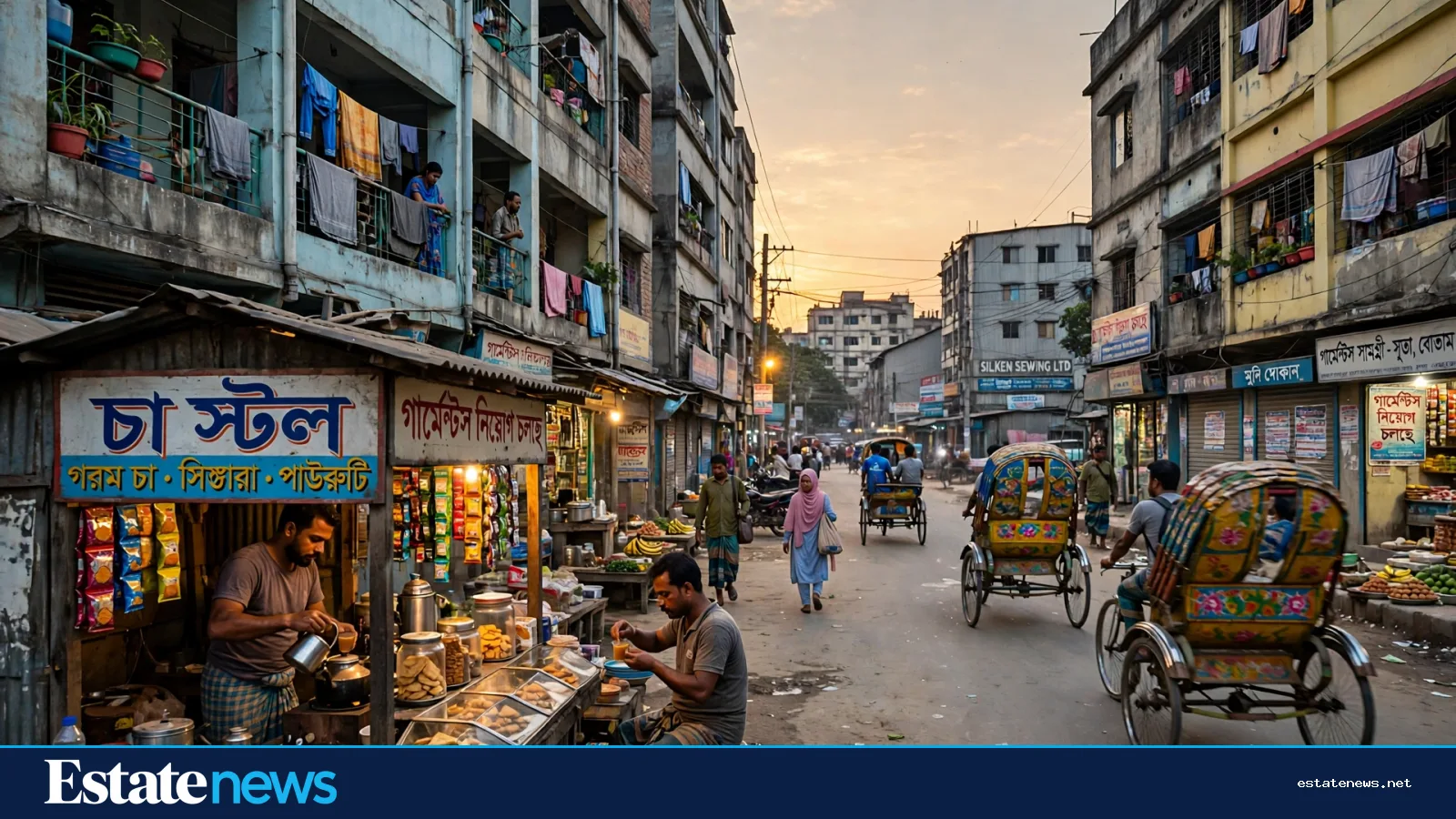
In Gazipur, those numbers wear a human shape. A sewing operator's wage pays for a room in a mess house, a seat on a bus, food from the bazaar and school fees for a child back in the village. When orders stop, overtime stops first, and the room rent still falls due at the end of the month. A factory town is a housing market built on shifts. If the orders return, the rooms fill again and the landlords repaint. If they do not, the rooms empty slowly, one resignation at a time, and the tea stalls notice before anyone else. That is why a figure like $254 million is not an abstract trade statistic in Gazipur. It is the next few months of rent, counted in dollars.
The BGMEA report due today will not end the argument on its own. What to watch for is specific: named destinations for shifted orders, buyer notifications, and the survey's own count of factories that have fully resumed. If the report names buyers and destinations, the Reuters account gains its paper trail. If it confirms that no buyer has notified the association of a move, the $254 million remains a survey estimate of orders lost, not a verified map of where they went. Either way, the factories will keep sewing, the gates will keep opening at seven, and the next order book will tell the town what the report cannot. The week's other market news, from tariffs to Terminal 3, is gathered in "Bangladesh Market Wrap, 27 November: Tariffs, Terminal 3, the Thin Market".