The number is now settled, and it is not the number many feared. The overall tariff on Bangladeshi goods entering the United States would be 33.62 percent under the proposal published by the Office of the United States Trade Representative on 25 November, up from 25.62 percent now. An earlier reading that added the proposed 18 percent on top of the existing 10 percent duty, giving 43 percent, is superseded. The United States Trade Representative, Jamieson Greer, told CNBC the two Section 301 duties "are not really additive", adding: "when it all nets out, it really will just top up a few percentage points."
The maths is straightforward. Regular most-favoured-nation duties, which average 15.62 percent on Bangladeshi goods, would remain in place. The proposed 18 percent duty would replace, rather than add to, the 10 percent forced-labour duty imposed in July. So 15.62 plus 18 gives 33.62. The rise is eight percentage points, not the 18 points the first headlines suggested.
Nothing is in effect yet. The proposal is open to public scrutiny, and the tariffs would not take effect before the hearing process ends. Written comments and hearing requests are due by 5 January 2027, and public hearings begin on 25 January 2027. The 25 January date corrects an earlier date of 26 January carried in some reports. The proposal covers 14 economies, and the rate for Bangladesh could rise to 20 percent if consultations fail to produce satisfactory results, according to the USTR's announcement.

Five complaints, one industry in the middle
The USTR's Section 301 report, published on 25 November, sets out five areas of concern about Bangladesh. The first is industrial plans to maintain and expand manufacturing in key sectors. The second is production and export incentives. The third is inadequate labour protections. The fourth is financial repression, meaning government controls on interest rates and credit that steer funds to favoured sectors. The fifth is a failure to address excess capacity tied to imports and foreign direct investment from non-market economies, countries where the state heavily controls prices and production.
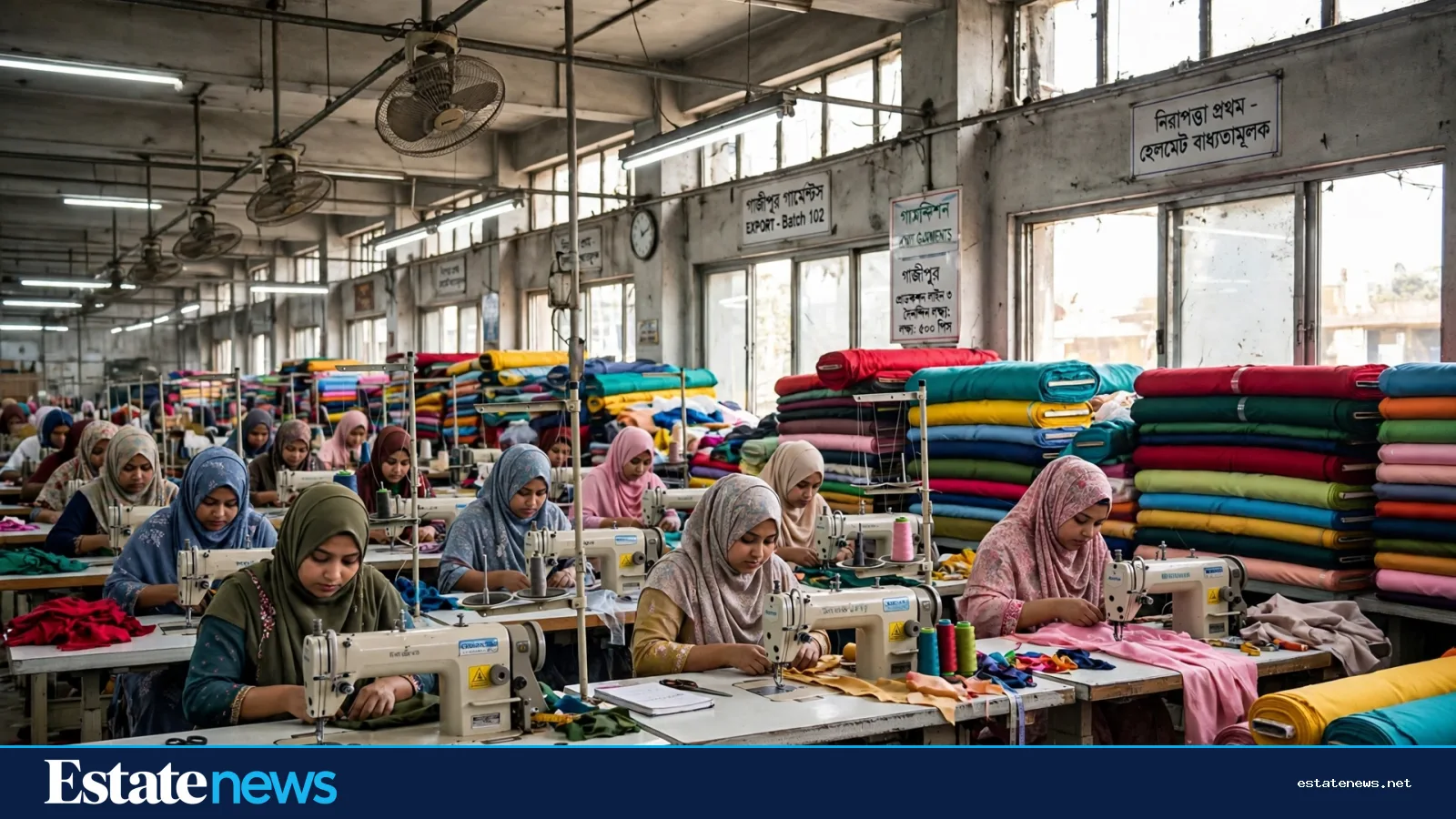
Garments sit at the centre of the investigation. The USTR notes that garments were 85 percent of Bangladesh's exports in 2023 and around 11 percent of GDP in 2022. The report also points to the supply chain behind the factories: intermediate-goods imports from China rose by $7 billion, or 68 percent, between 2017 and 2025, while United States imports of similar Chinese goods fell by $30 billion, or 21 percent, over the same period. In Washington's reading, Bangladesh's factories have grown on inputs from an economy the United States considers non-market. In Dhaka's reading, the same imports are the raw material of the country's largest employer.
The minister's answer


Commerce Minister Khandaker Abdul Muktadir told Prothom Alo on 26 November that there was not much reason to worry. "There is not much reason to worry... Bangladesh does not sell goods in foreign markets at abnormally low prices (dumping)... Bangladesh exported goods to the US on Wednesday under the existing tariff rate, and it did so today (Thursday) at the same rate," he said. His point was practical: trade continued on Wednesday and Thursday at the existing rate, and the proposal changes nothing until the hearings run their course.
State Minister for Foreign Affairs Humaiun Kobir said there was scope for discussion, and that Bangladesh's reservations would be raised. The government has already signed a bilateral Agreement on Reciprocal Trade with the United States, and the USTR's proposal takes account of ongoing consultations and commitments under that agreement. Whether negotiation can hold the rate at 18 percent, or bring it lower, is now the work of the months before January's hearings.
What exporters are saying
Exporters who spoke to Prothom Alo on 27 November were concerned, but their worries were about prices in American shops rather than a closed door. Higher tariffs would push up the price of Bangladeshi goods in the United States, reducing consumers' purchasing power, several exporters said. AK Azad of Ha-Meem Group, which exports more than $1 billion a year with 80 percent going to the United States, warned of a possible loss of market share. Ramjul Seraj of Elite Group said the effect depended on equal conditions across suppliers. Mahmud Hasan Khan, president of the Bangladesh Garment Manufacturers and Exporters Association, said there would be little immediate impact on factory-gate prices, since the duty is paid on the landed price, but lower buying by American retailers would bite over time.
That last point is the one that reaches beyond the factory gate. Garment wages pay the rent in Gazipur, Savar and Ashulia, and an order lost to a rival hub is a household budget cut in a factory town. Estate News covered the tariff proposal when it was published, and the order shifts already under way are the subject of today's follow-up on the $254 million that moved to India in the first half of November. The two stories belong together: one is the tariff that may come, the other is the competition already here.
For now, the figure to carry is 33.62 percent, proposed, not in effect, with comments due 5 January and hearings from 25 January. The minister's calm and the exporters' caution are both on the record. What happens between now and the hearing room will decide whether the number stays, falls, or rises.