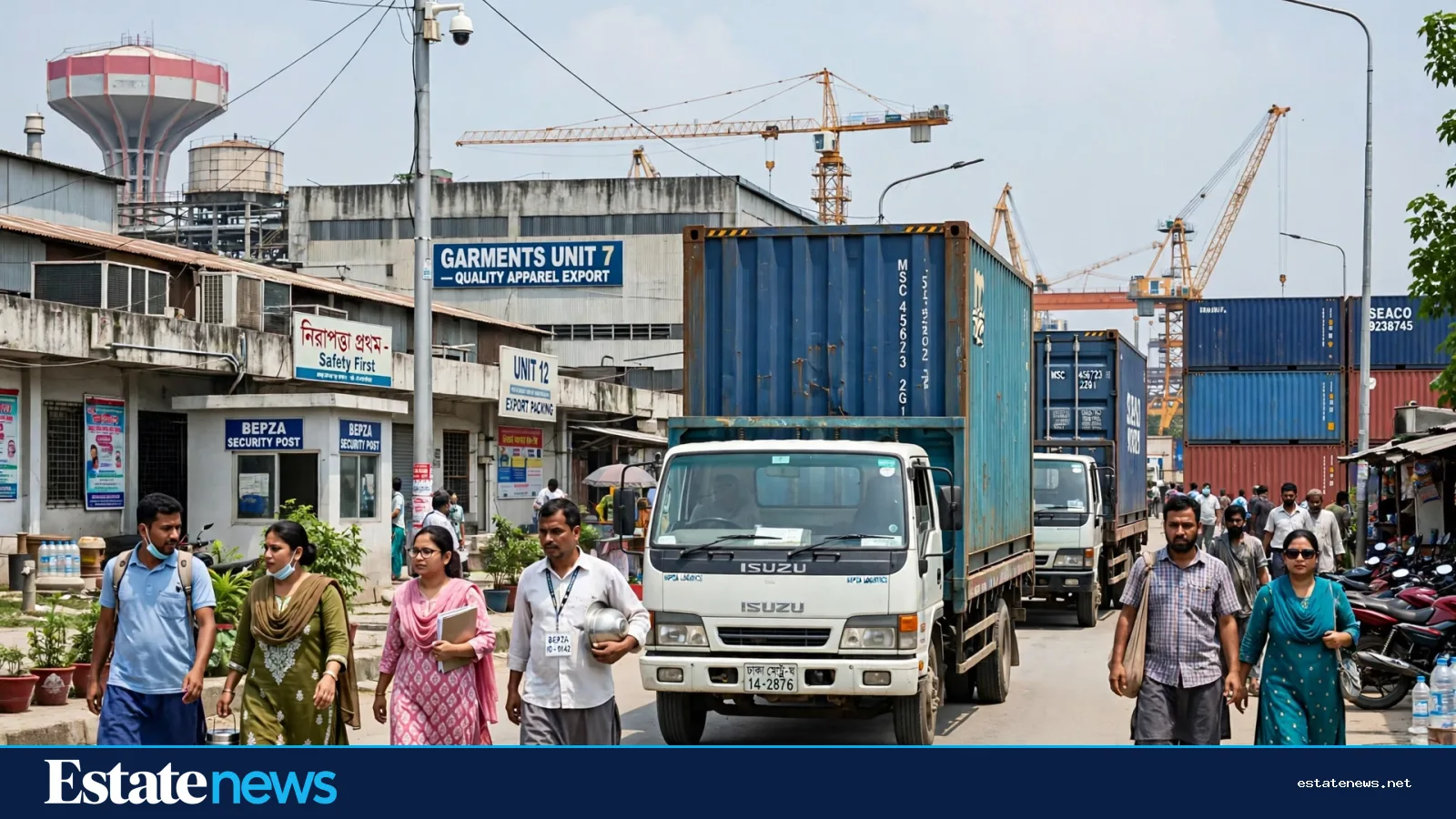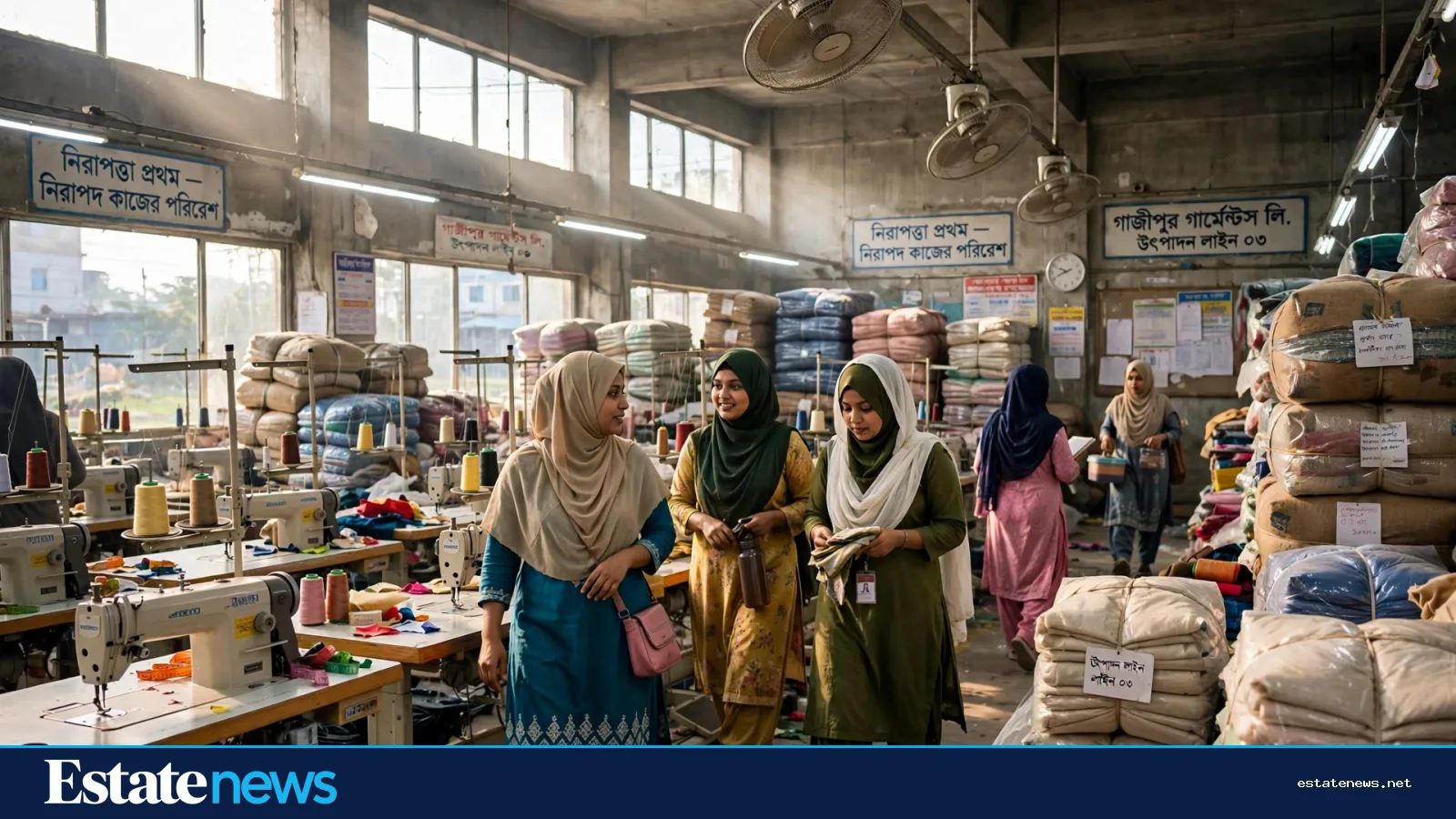
Between 1 and 18 November, global fashion retailers diverted about $254 million worth of orders from Bangladesh, with most of the work going to India. The figure comes from three factory owners who spoke to Reuters, and it covers barely half a month. Nearly a tenth of the monthly orders that would normally come to Bangladesh went elsewhere in the first half of November. The brands named are Zara, H&M, Marks and Spencer and Celio. India took the bulk. Buyers also looked to Vietnam, Cambodia and Indonesia.
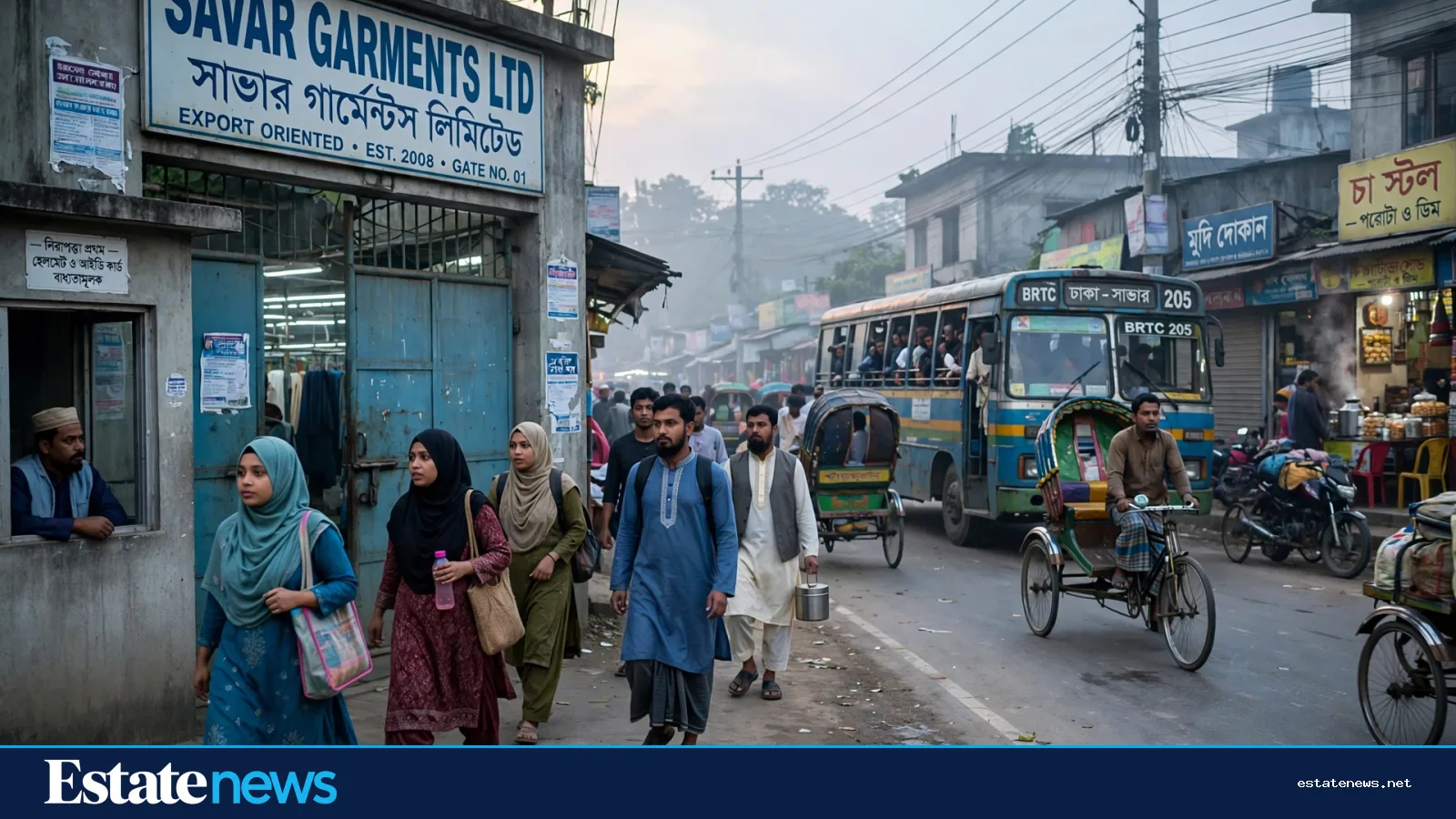
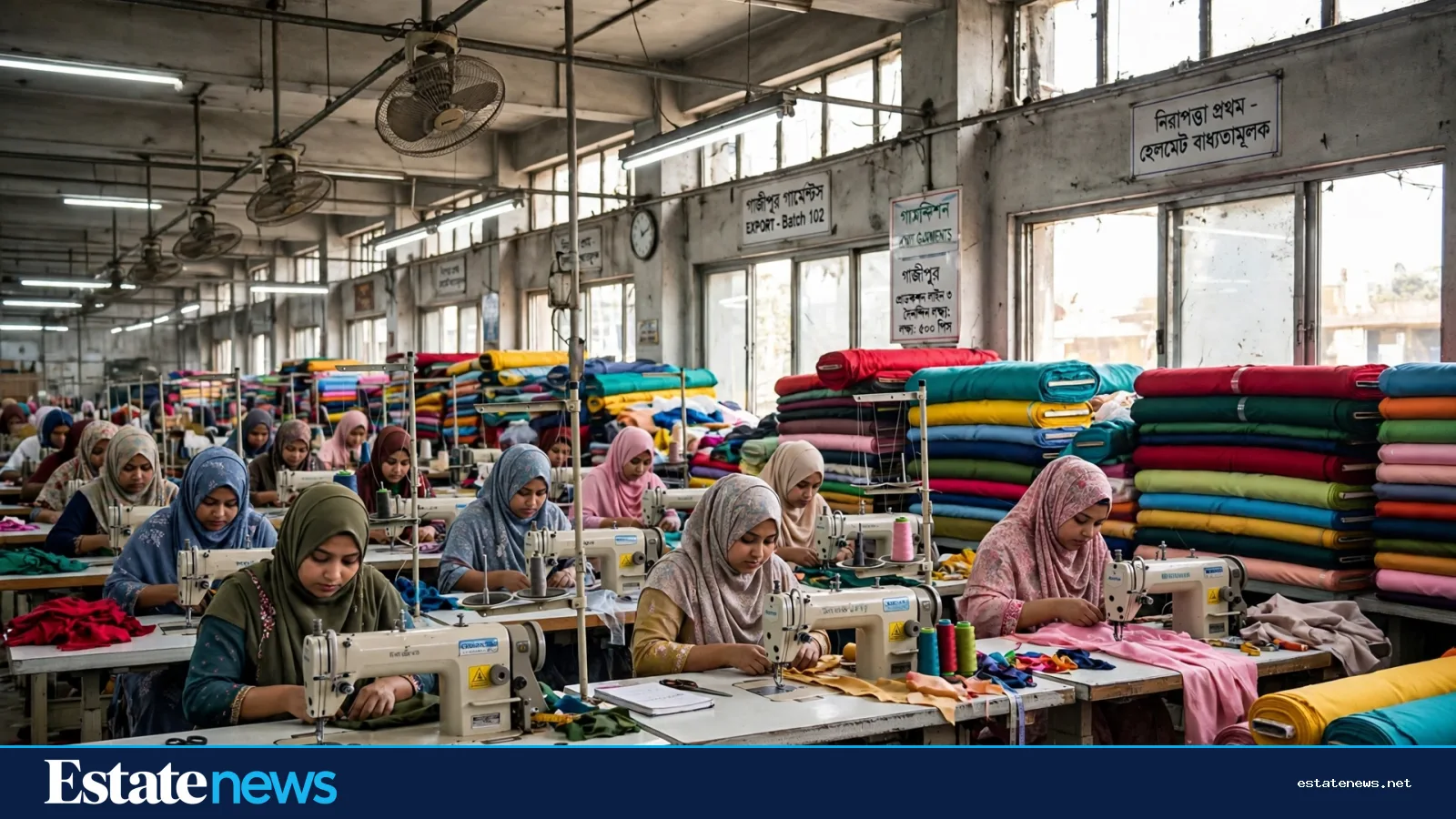
The Bangladesh Garment Manufacturers and Exporters Association puts the damage wider. Its survey of 317 factories recorded $428 million in production losses alongside the $254 million shifted, taking the combined hit past $400 million. The industry accounts for more than 80 percent of Bangladesh's export earnings and nearly 40 percent of its manufacturing jobs, according to Reuters. A shift of this size is not a footnote in a trade report. It is a pay packet question in Gazipur, Savar and Ashulia, where a lost order is a lost shift, and a lost shift is rent unpaid.
The 120-day problem

Unrest stopped the lines, but the clock is what is moving the orders. Rival hubs typically complete production and delivery in 60 to 90 days. Bangladesh takes around 120 days. India offers delivery about a week faster than Bangladesh, and Vietnam and Cambodia have cut their lead times by up to 15 days. Dhaka's factories lost an estimated 20 to 25 production days to the unrest. For a buyer planning a spring collection, a month of difference is the difference between a rail on time and a rail empty.
Costs have moved against Bangladesh too. The wage rise of 36 percent is the smallest increase in four decades, but it still lifted the floor for every factory. Energy shortages and political uncertainty were also cited by factory owners as reasons buyers looked elsewhere. Zara's owner Inditex declined to comment on Reuters' questions. Marks and Spencer, H&M and Celio did not respond to requests for comment.


Khan Monirul Alam, managing director of Alps Apparels Group, told Reuters: "Since November 1, most of my buyers have stopped placing orders because of the unrest." His words carry the fear every owner shares: that a temporary diversion becomes permanent. Indian textile shares rallied on the news, with Gokaldas Exports up 11 percent and Trident up 5 percent. The market, at least, is betting that some of the work stays.
What recovery has to prove
The orders are not gone for good. Nothing in the reporting says the shift is permanent, and buyers have moved orders before and brought them back when the lines ran on time again. What has changed is the test. Bangladesh now has to prove it can deliver in 90 days, not 120, keep the lights on through a full production run, and hold the price that made it the world's second-largest apparel exporter. The wage board's new rates, the welfare package announced alongside them and the return of workers to the factories on Thursday are the first steps. Today's test is whether the factories reopen in full on Saturday.
For the housing market in the factory towns, the stakes are direct. A worker's wage pays a room in a mess or a flat shared with three others, and a month without orders is a month when landlords wait and shopkeepers sell less. The tariff story running alongside this one, with the United States proposing an overall rate of 33.62 percent on Bangladeshi goods, adds a second pressure on the same pay packets. Estate News covered the tariff proposal when it was published on 25 November, and the wage board's decision the same week.
The $254 million is a warning written in orders, not a verdict. If the lines run, the power holds and the deliveries land on time, the buyers who left in November can be won back by spring. If they do not, the warning becomes the new map of where clothes are made.