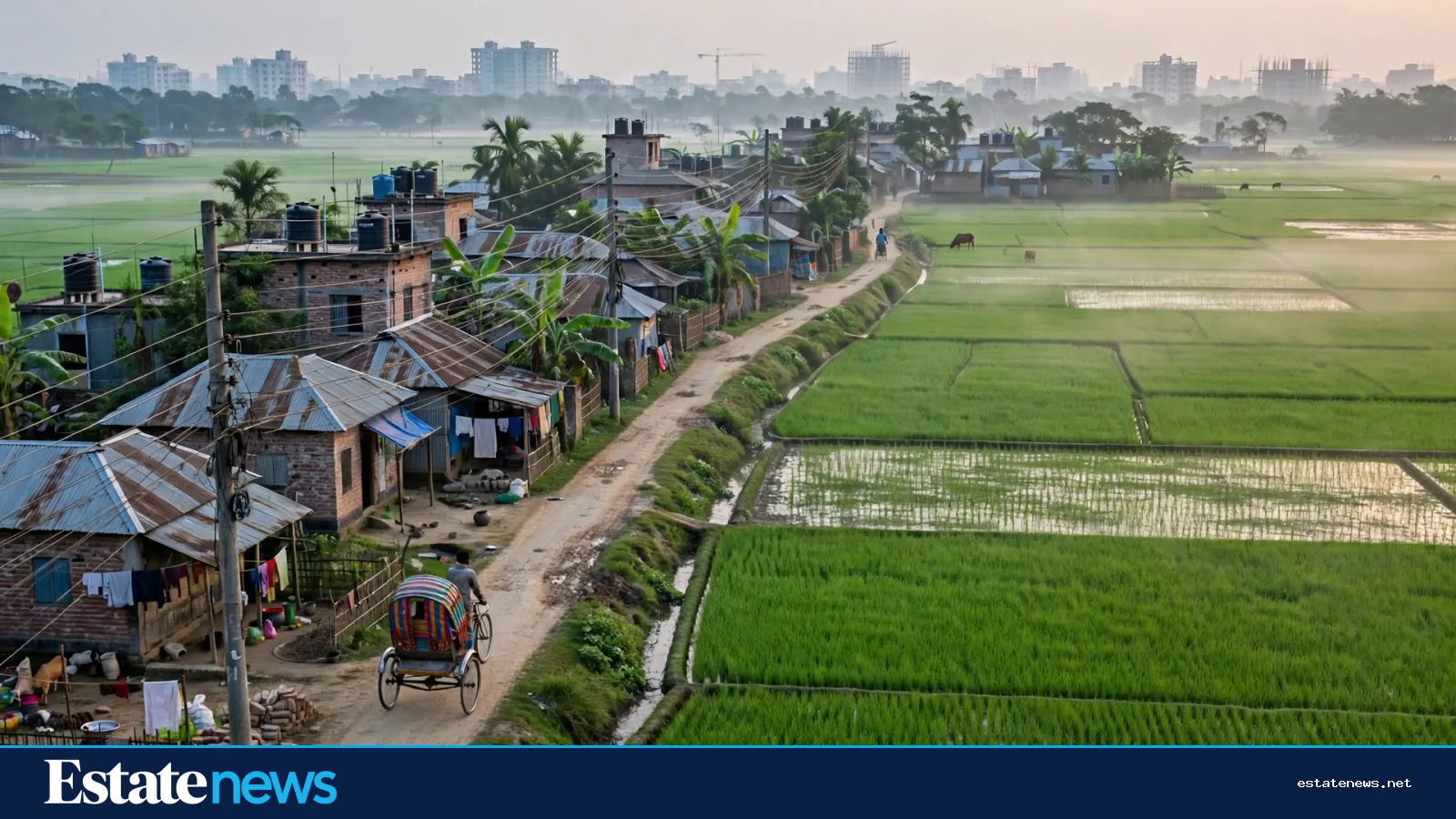
The fields around Kalatia grow one crop a year. Paddy stands in shallow water, and between the plots sit brick houses with tin roofs, a tea stall, a mosque with a loudspeaker on a bamboo pole. From a rooftop here you can see Dhaka's towers to the east, close enough to count, far enough that the rent there feels like another country's money. The land looks quiet. On paper, it is about to become the capital's next city.
The government plans a secondary city on around 3,000 acres in Keraniganj, on Dhaka's outskirts, to ease the population and housing pressure on the capital. The National Housing Authority has begun a feasibility study under the government's priority-based 180-day action plan, and the study's title says exactly where the city would sit: beside the proposed Western Bypass of Roads and Highways in Keraniganj Upazila. Nothing is approved yet. No money is committed, no flat count is published, no price is named.
That idea is the part worth reading twice. People would live in the new city on a monthly rental basis, instead of buying flats. The National Housing Authority chairman, Most Ferdousi Begum, put it plainly to Bangladesh Sangbad Sangstha: "Instead of purchasing flats, people will have the opportunity to live there on a monthly rental basis. As a result, these families will be able to live in planned housing without having to spend a large amount of money at a time."

The site, and the road that decides it
The proposed site covers Kalatia, Bottoli, Taranagar, Beuta, Barilgaon, Baraikandi, and South and North Baherchar, under Keraniganj Police Station in Dhaka district. It sits around 2.5 kilometres west of Basila Bridge, six kilometres south of the Dhaka-Aricha Highway and 1.5 kilometres northeast of Kalatia Bazar. The Buriganga River runs about 2.5 kilometres to the east of the site, and the Dhaleshwari about two kilometres to the west.
Two access roads have been proposed, towards Aminbazar in Savar and towards Basila in Dhaka, in line with the Western Bypass plan. The bypass itself, under the Dhaka Transport Coordination Authority, would run along the western and southern sides of the project area, linking Aminbazar and the Dhaka-Aricha Highway with the Dhaka-Mawa Highway and Mohammadpur. NHA Secretary Mondip Gharai told BSS that development would centre on Kalatia and Taranagar, beside the planned bypass, and that special importance was being given to the connection between the capital and the proposed city.
The ground itself is mostly farmland. Around 5 to 8 percent of the site is occupied by residential houses, while most of the rest is used for single-crop agriculture, according to the authority. Members of the NHA site selection team inspected the location and surrounding areas on 16 April. Gharai was careful about what comes next: the project is still at the planning stage, and its details will be determined through the feasibility study and the preparation of a master plan.
Rent, not a deed
The rental model is the break from how Bangladesh has built housing for decades. The usual path is a plot or a flat bought outright, with a deed, a loan and years of instalments. The authority's plan turns that around. Low-income families would pay month by month for a planned home with civic amenities, without the lump sum that keeps them out of the market altogether. Begum said the authority was prioritising planned residential settlements with civic amenities in areas around the capital to reduce housing pressure on Dhaka, and that housing projects were being planned so low-income people could live in an improved environment at affordable rents.
A separate initiative in Tongi is being taken up for low-income housing on the same thinking. The authority says it is also planning multi-storey housing, earthquake-resistant buildings, planned drainage, water bodies, green parks, open spaces, playgrounds, community facilities and access to safe drinking water in its planned projects.
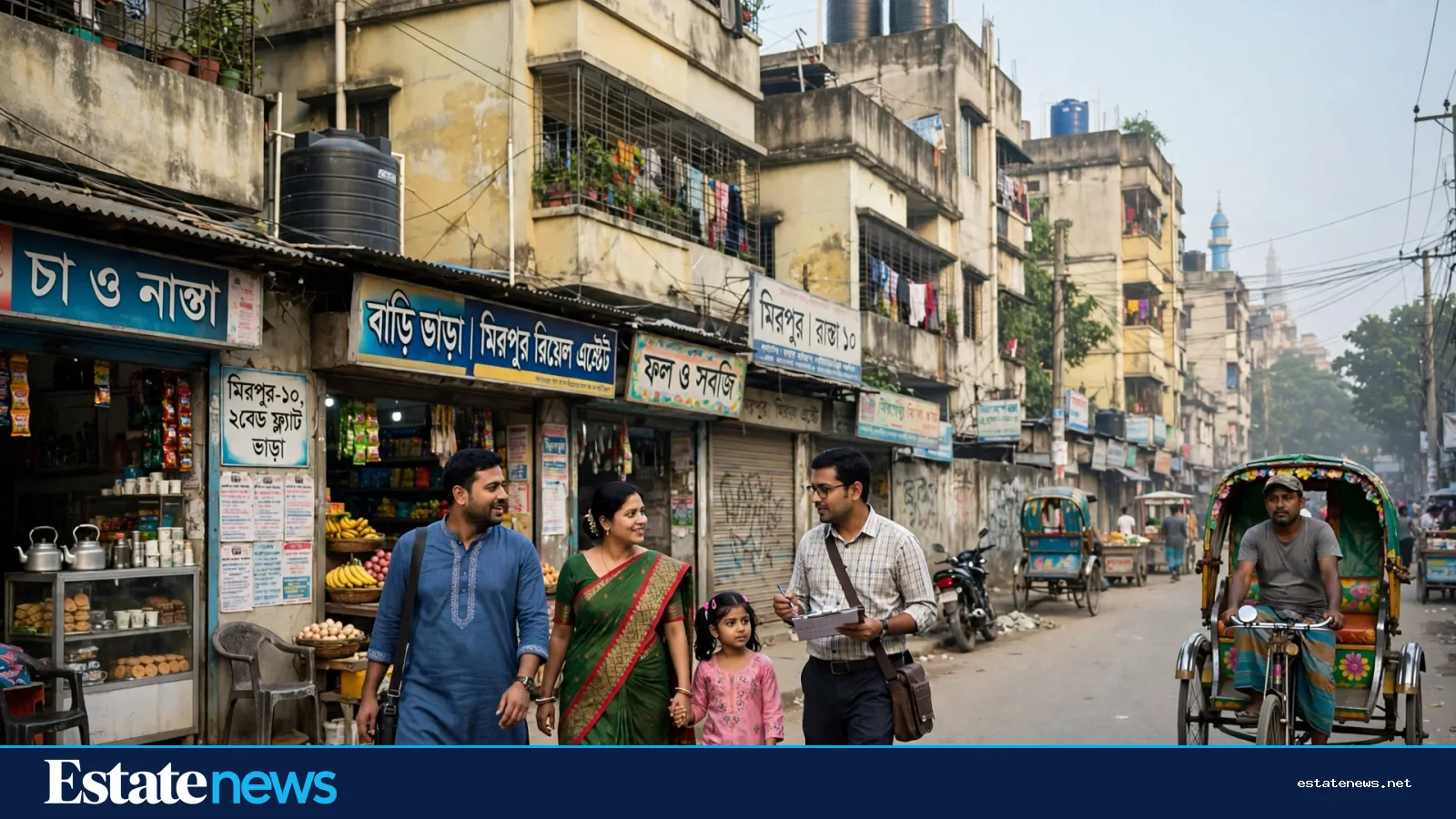
The sums explain why the model matters. Estate News tracks asking prices from current public sale listings, and the latest run, as of 26 November, puts the median asking price in Mirpur at Tk 8,700 a square foot, from a sample of ten listings. At that rate, a 1,000 square foot flat lists at about Tk 87 lakh, before registration costs. Those are asking prices, not transaction prices, and a buyer may negotiate lower. Even so, the deposit alone puts ownership out of reach for the families the authority says it wants to house. A monthly rent, if it is set at a level a salary can carry, opens a door that a deed cannot.


What Purbachal taught Dhaka
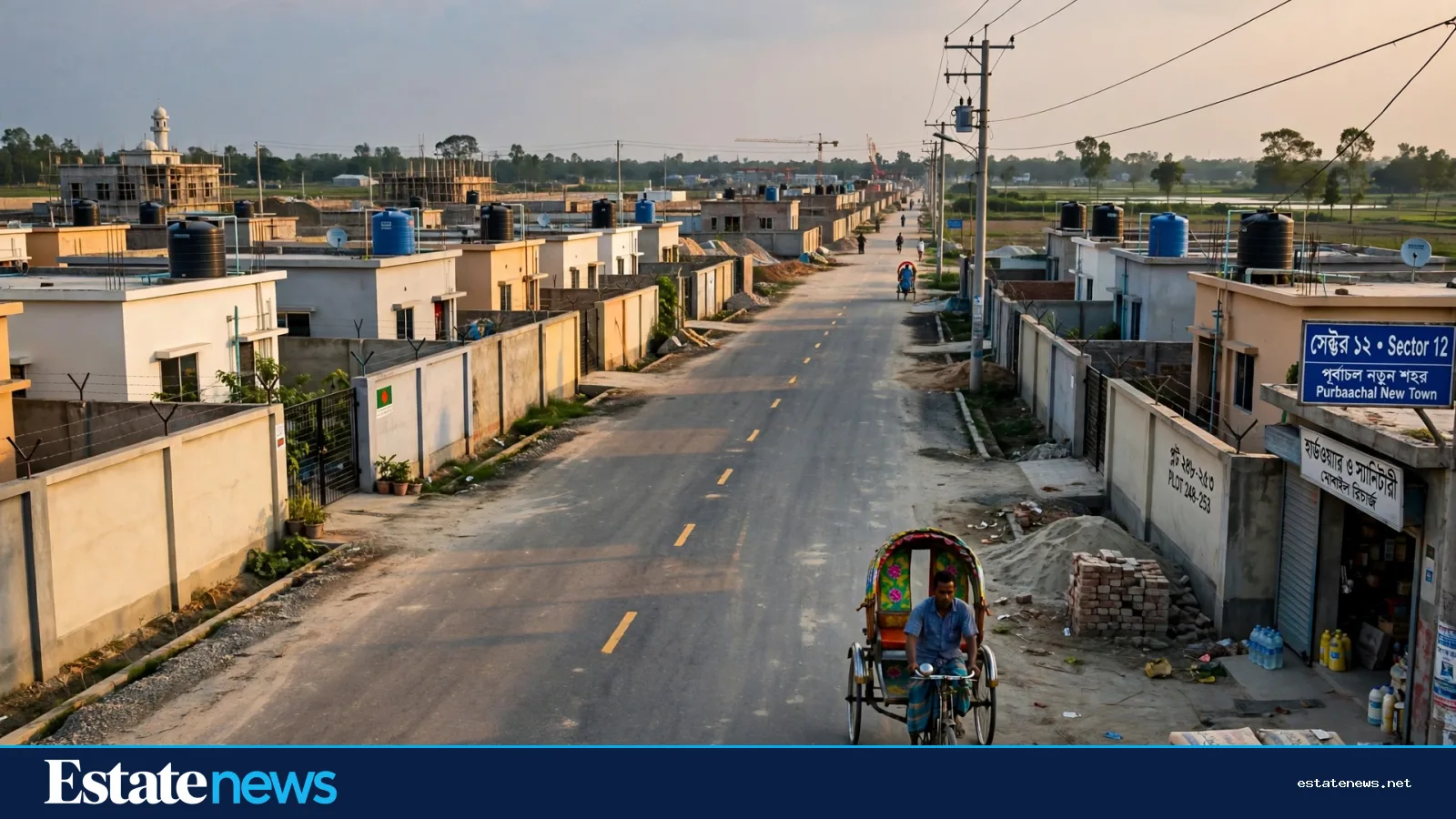
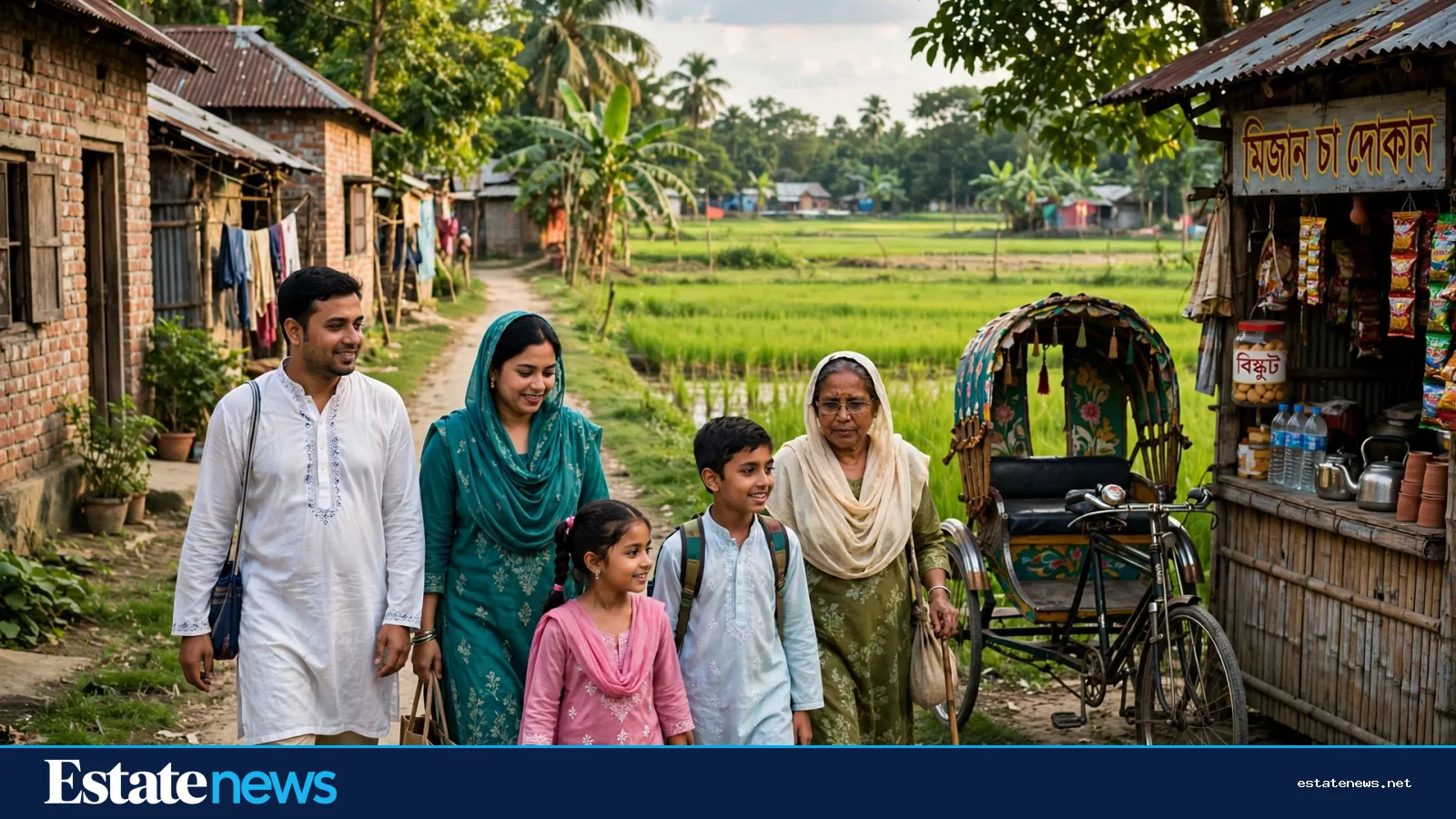
Dhaka has heard a new-town promise before. Purbachal New Town was drawn up to take pressure off the capital too, with plots, roads and civic works laid out on the city's eastern edge. Its plots were allotted long ago, and homes and civic works have filled in slowly since, over decades rather than years. A new town is not a launch event. It is a generation of building, selling, settling and servicing, and the gap between the plan and the lived-in place is where most such promises are tested.
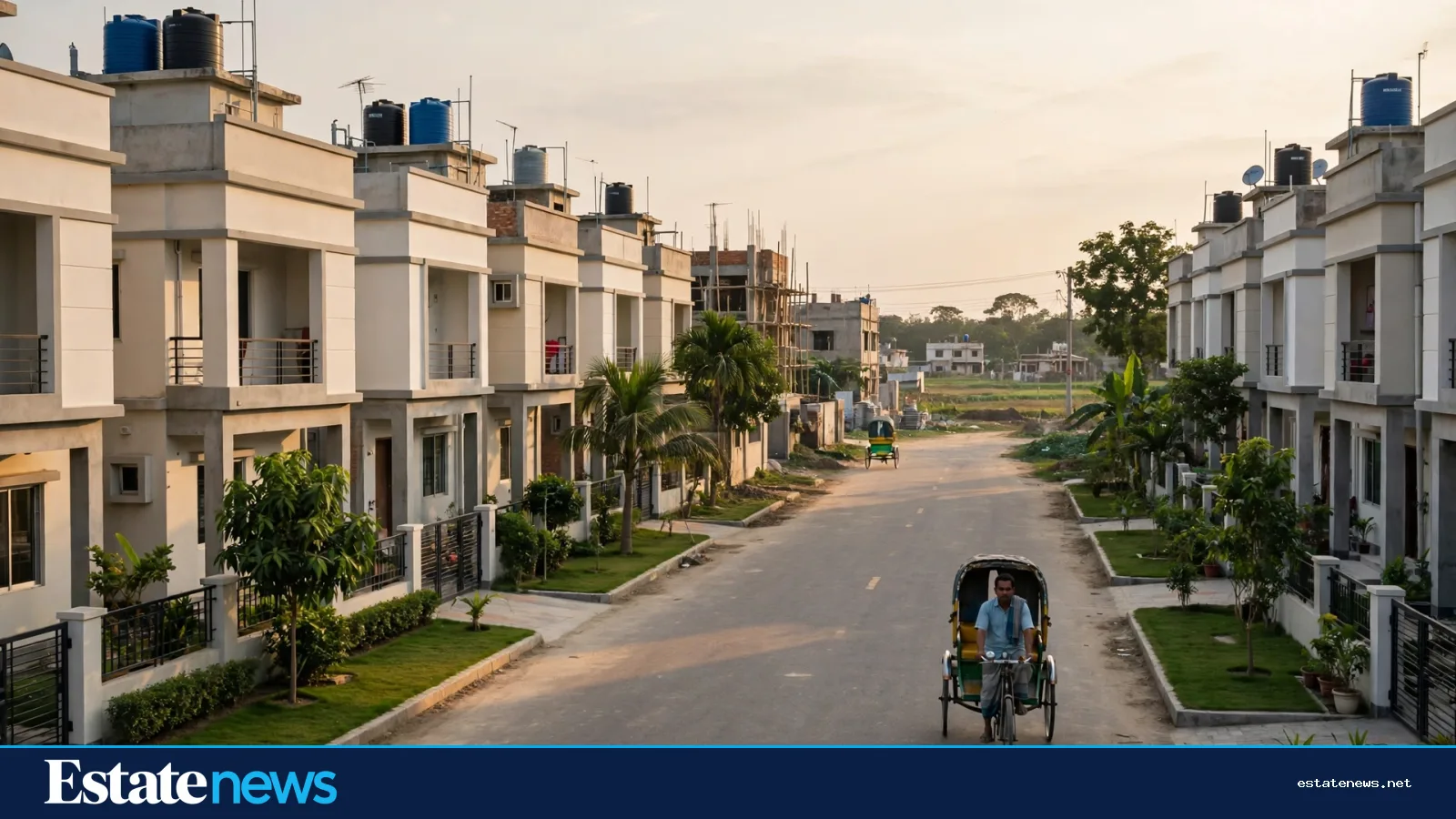
Keraniganj starts from a different place in one respect. Purbachal sold plots. Keraniganj, as planned, would rent homes. That removes the speculation that follows a plot allotment, where land changes hands and prices climb before a single family moves in. It also puts the risk on the authority instead of the buyer. If the rents are set too high, the flats stay empty. If the bypass is late, the commute fails. If the water, drainage and parks arrive years after the first tenants, the planned city is a housing block with a grand name.
NHA Sub-Divisional Engineer Abdullah Hil Baki told BSS the proposed city would be developed in line with the government's Five-Year Strategic Plan, taking into account the growing housing demand caused by Dhaka's expanding population. He said a project proposal would be prepared based on the feasibility study and government decisions, with the aim of developing a safe community equipped with civic amenities for people from all walks of life. The authority has also planned another secondary city for Dhamrai.
What the authority already builds
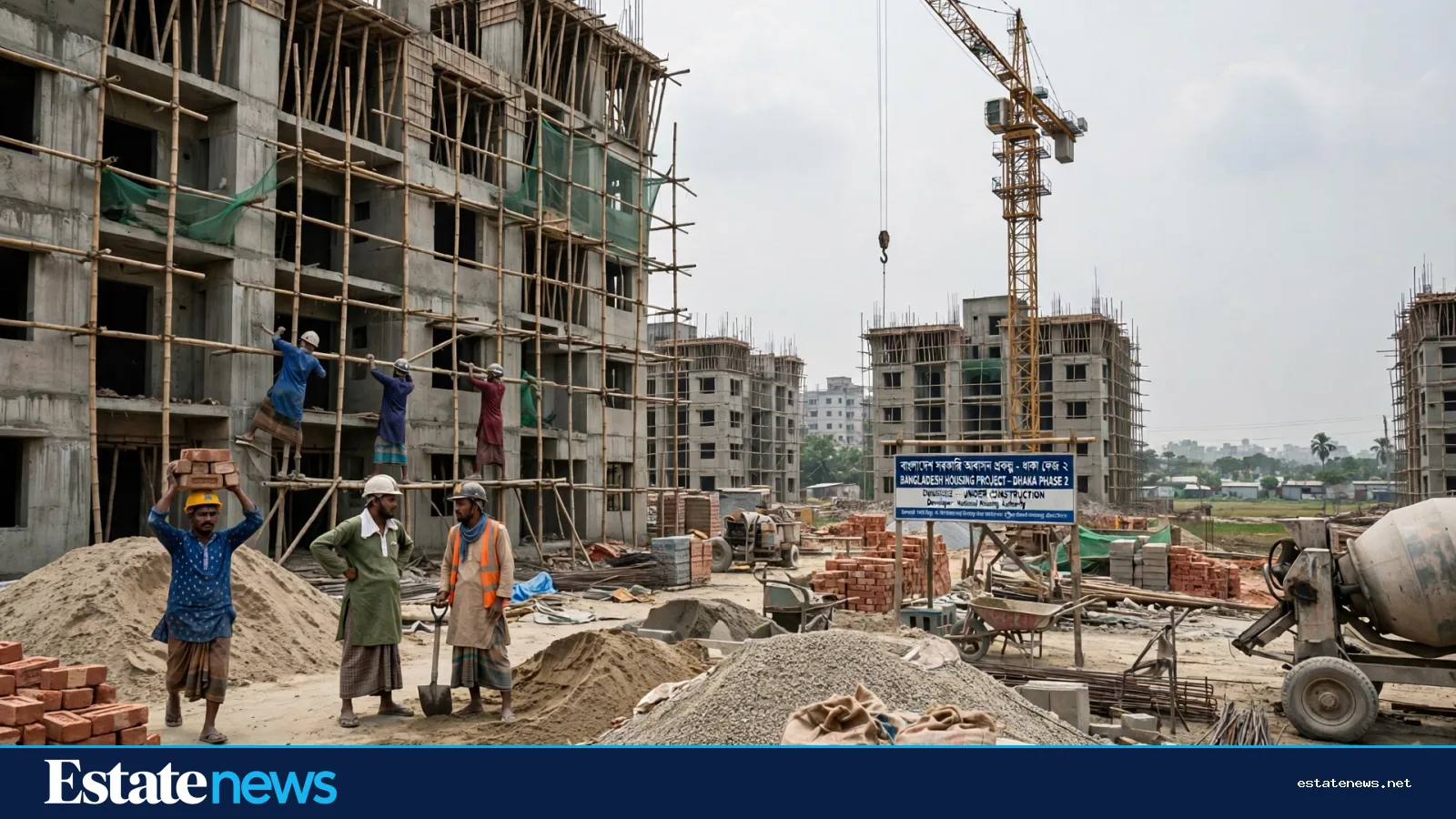
The authority is not starting from nothing. It says it currently has 15 projects under way to provide affordable housing for low- and middle-income people, with construction of 6,215 flats and development of 531 plots in progress. Two of those projects are being implemented with government funding and 13 through the authority's own financing. Prospectuses for allocation under nine new projects have been sent to the ministry.
Through 53 completed projects, the authority has developed 6,024 plots and constructed 6,576 flats, according to its own account. It currently has 66 housing estates in 38 districts and eight upazilas across the country's eight divisions, and it is collecting information and gazettes to establish a land bank aimed at improving land management and future project planning.
None of that guarantees Keraniganj. A feasibility study can end with a no, or with a smaller plan, or with a plan that waits years for funding. The 180-day action plan gives the study urgency, but urgency is not approval. What the study will have to answer is concrete: how many homes, at what rent, on which plots, with the bypass built first or alongside, and who maintains the drainage, the water and the parks once the tenants arrive.
The families in Kalatia and Taranagar will watch those answers closely, because the plan sits on their fields. For the rest of Dhaka, the question is simpler. A city that rents instead of sells could house the people the market leaves out, if the road arrives, the rents stay within reach and the authority builds what it has drawn. Purbachal showed how long that takes. Keraniganj will show whether Dhaka has learned to move faster.