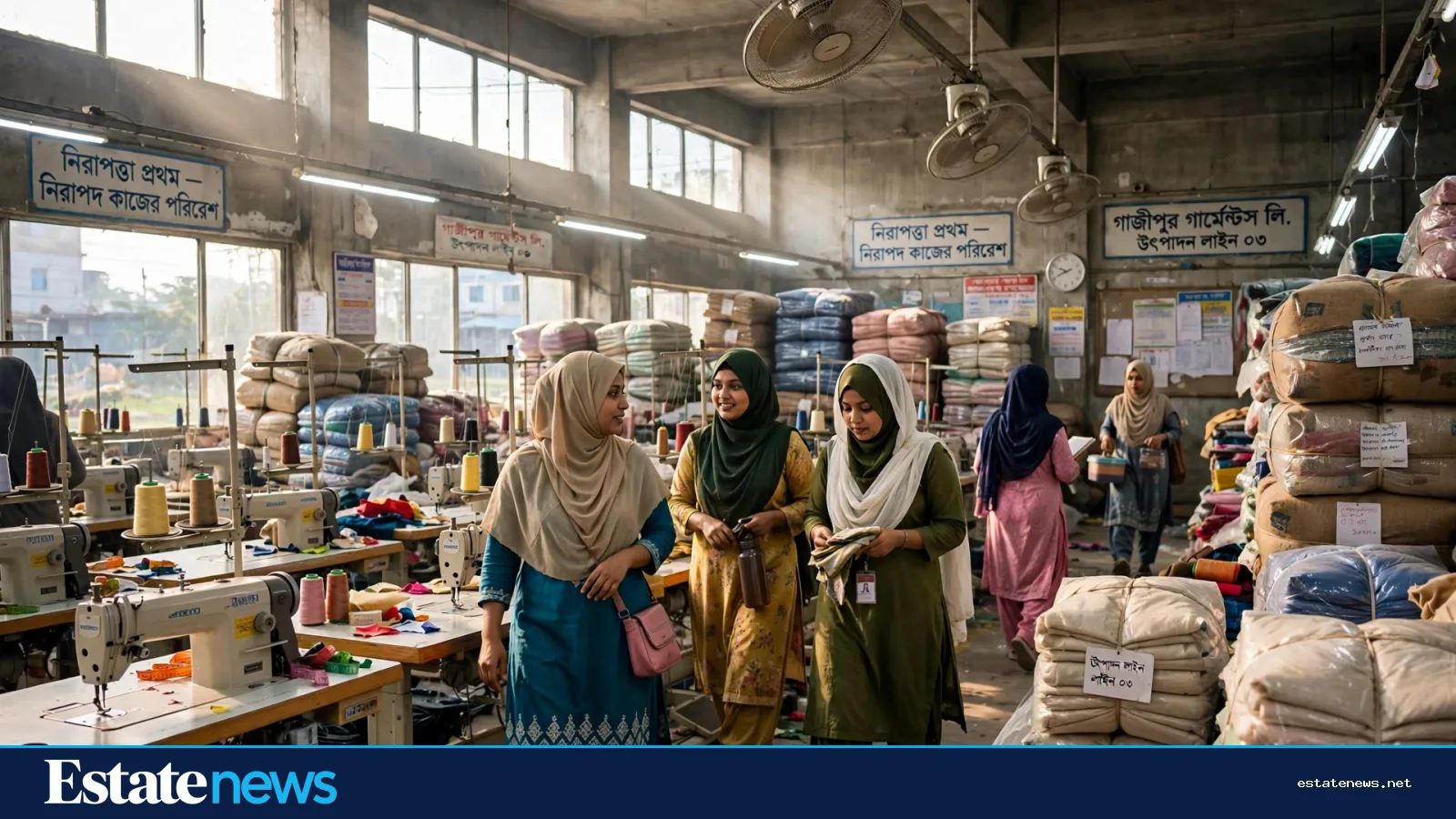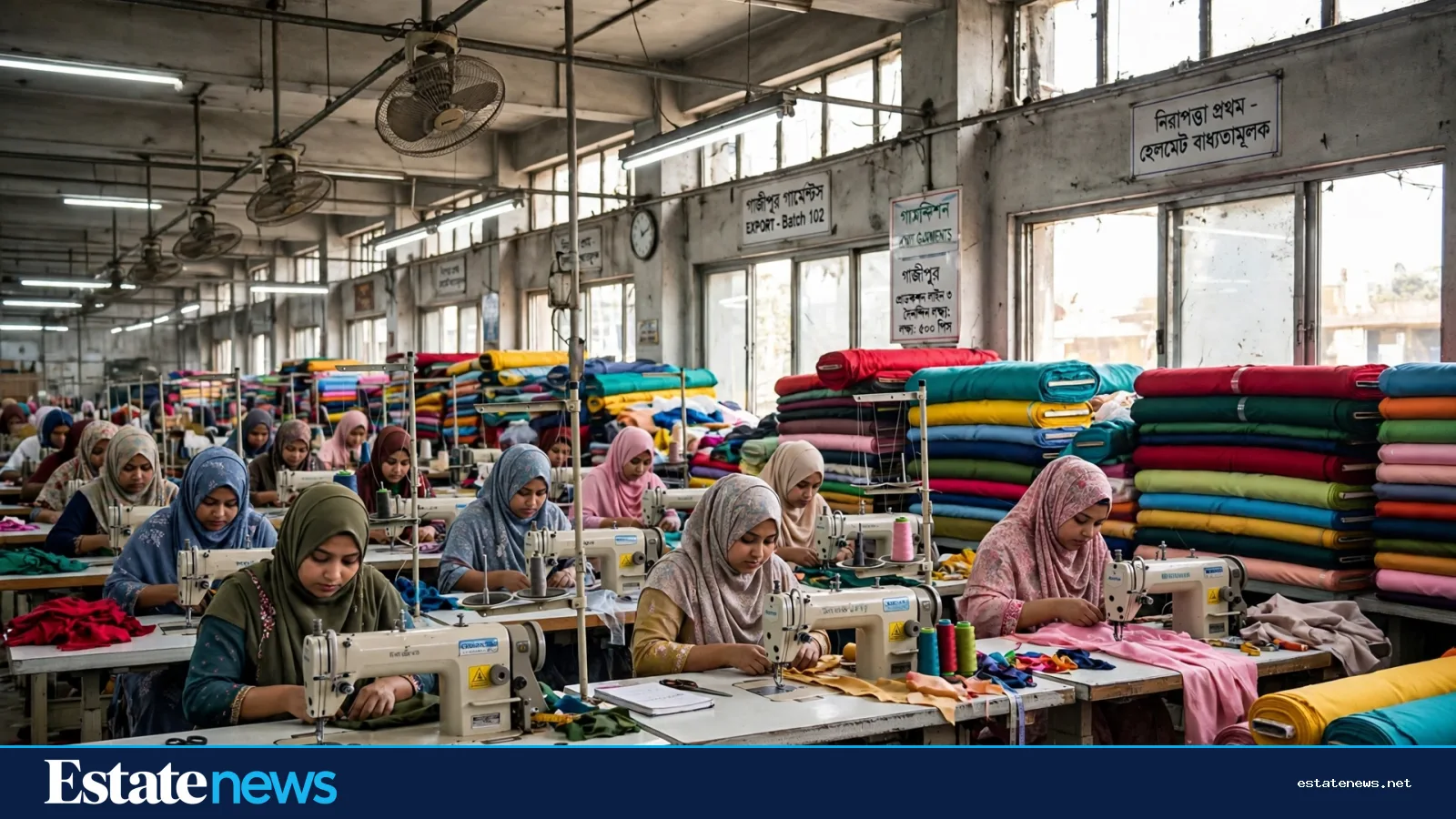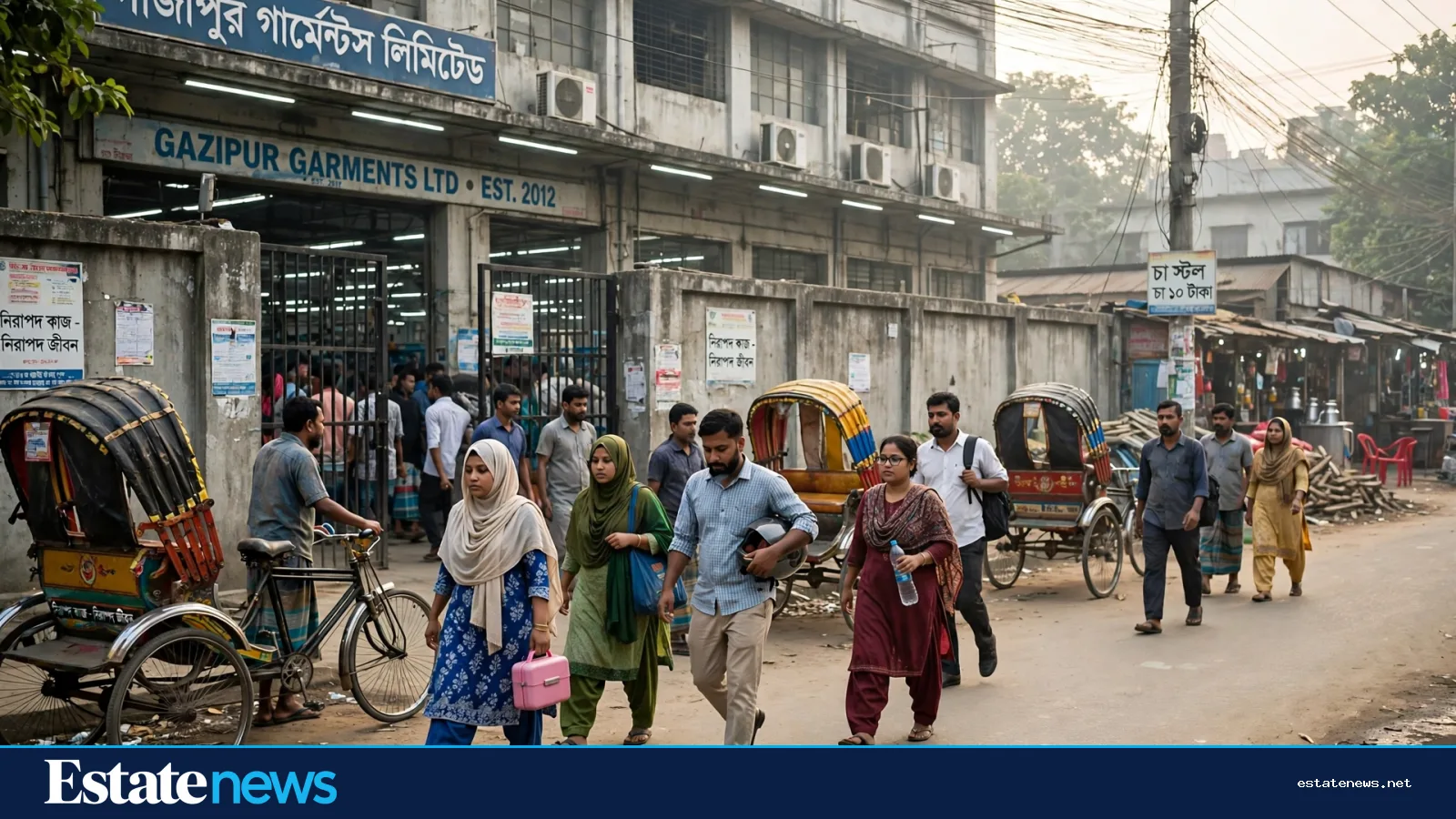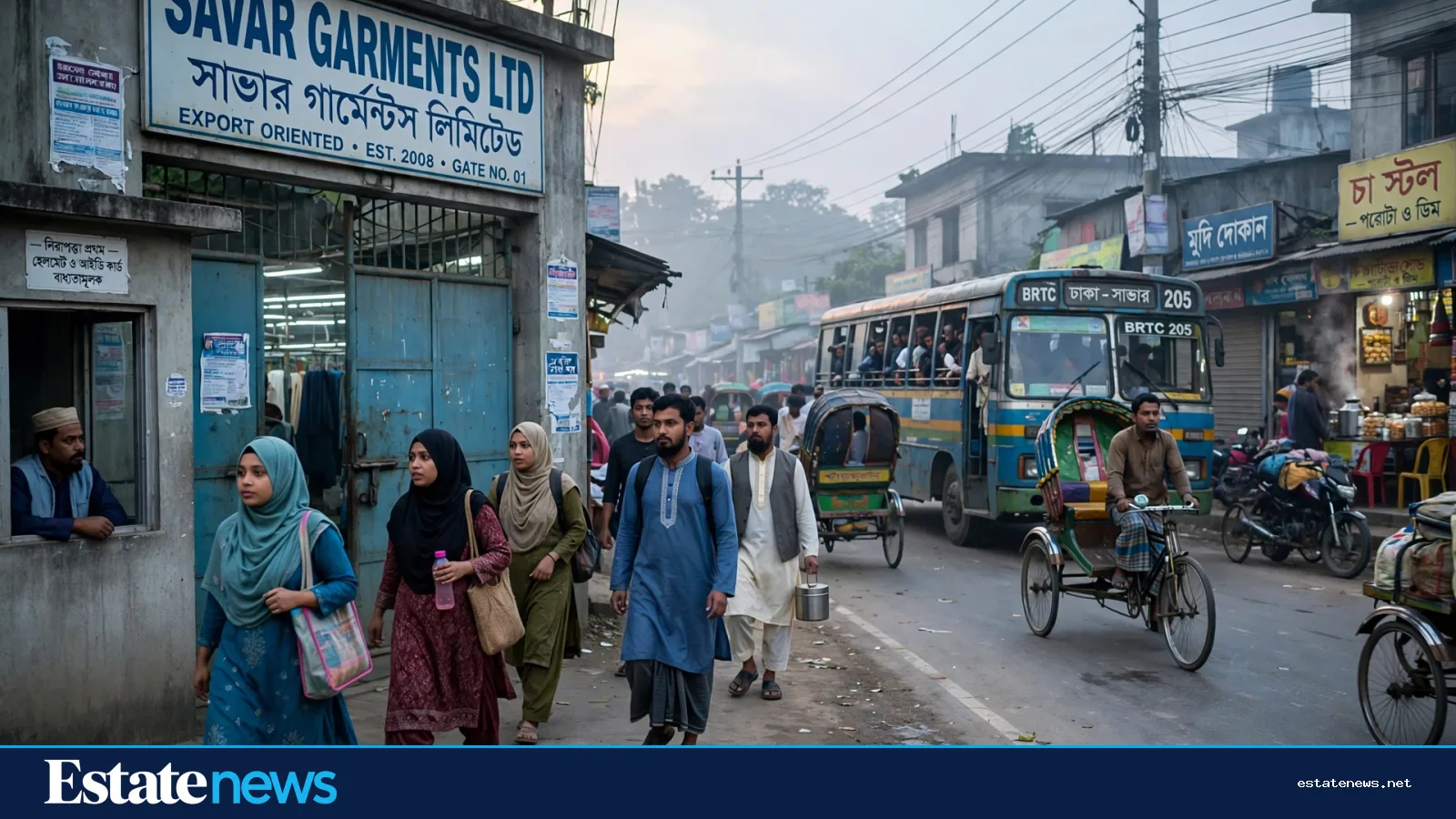
Thursday morning gave the garment industry its first good news in weeks. Most workers returned to their factories voluntarily, and production resumed at most factories in Savar-Ashulia, Gazipur, Kaliakair and Narayanganj. Traffic on the Dhaka-Tangail highway ran normally. Industrial Police Superintendent Mohammad Mominul Islam Bhuiyan said the industrial belt was largely back to normal, and that workers who had stopped work in the morning had returned, which he called a very positive sign.
Saturday is the test of whether that return holds. Friday was the weekly holiday, and Gazipur sat about 90 percent idle on Friday, according to Priyo News. Saturday is a normal working day. Factories that closed only for the holiday are expected to open. Factories under indefinite shutdown will reopen only when their owners decide. Labour Minister Ariful Haque Chowdhury told a press conference at Shram Bhaban on Thursday that he expects all factories to resume from Saturday "with enthusiasm", and that the prime minister has given directives in this regard. Expectation is not confirmation. At the time of writing, no Saturday-morning confirmation had been published.
The count from Thursday

The picture on Thursday was better than the week before, and still incomplete. As of Thursday, 21 factories were closed under Section 13(1) of the Labour Act 2006, the "no work, no pay" provision, and 22 factories were on general holiday. Work stoppages continued at three factories: Mango Tex, Green Life Knit Composite Ltd and Marma Fashion. At least 60 factories in Savar declared holidays on Thursday. Some workers are still demanding Tk 30,000 a month, well above the new rates.
The morning had wavered. Workers at seven factories stopped work again, raising concern among industry stakeholders. The situation improved after 10am, with workers at five of the seven factories resuming production. The remaining two declared holidays for the day, and their workers said they would return to full production on Saturday. Bhuiyan expressed hope that factories still closed under Section 13(1) would reopen soon, and that the industrial belt would return to its previous level of activity from next week.
The wages, and the two things still missing


The wage board announced the new rates on Wednesday 25 November. Grade 1 workers get Tk 21,500 a month, Grade 2 Tk 20,000, Grade 3 Tk 19,200 and Grade 4 Tk 17,000. The new structure takes effect on 1 December and will be paid with the January 2027 salaries. The increase averages 36 percent on the entry grade, from Tk 12,500, and runs to 43 percent on Grade 1. These are the board's announced rates. Ministry approval and the gazette are still pending, so the figures should not be read as gazetted law yet.
Two questions remain open, and both decide what a worker actually takes home. The split between basic pay and house rent allowance, which fixes how much of the wage counts for overtime and benefits, still has no published outcome. The ministry has not announced it. The gazette that turns the board's decision into law has not appeared either. Until both arrive, the Tk 17,000 figure is a promise with paperwork outstanding.
The package around the pay
The government announced a welfare package alongside the wages at the same Thursday press conference. It includes rent controls for workers' housing, seven 100-bed specialised hospitals in industrial areas, Family Cards, OMS rice at subsidised rates and multi-storey worker housing. The rent control pledge speaks directly to the housing question: a wage rise that is swallowed by a rent rise is no rise at all. Multi-storey worker housing, if it is built where the factories are, would cut the commute that eats an hour each way for many workers in Gazipur and Ashulia.
The week has already cost the industry heavily. Global brands diverted about $254 million of orders between 1 and 18 November, most of it to India, and the manufacturers' association counts $428 million in production losses. Estate News covered that shift in today's report on the orders moving to India, and the tariff proposal that sits behind it. Saturday's reopening is the first chance to stop the loss. The workers came back on Thursday. The question now is whether the gates open, the lines run, and the pay arrives as announced.