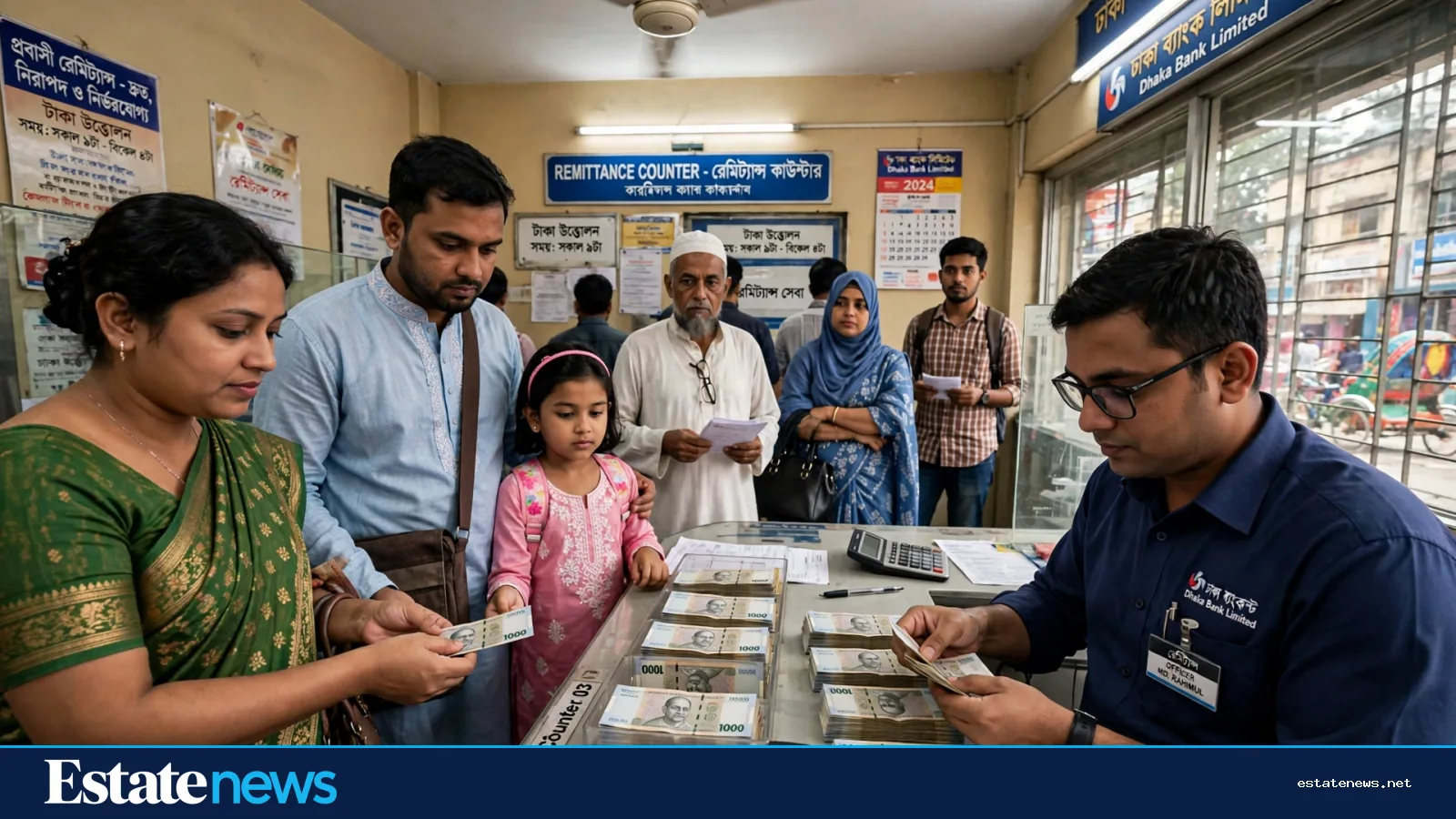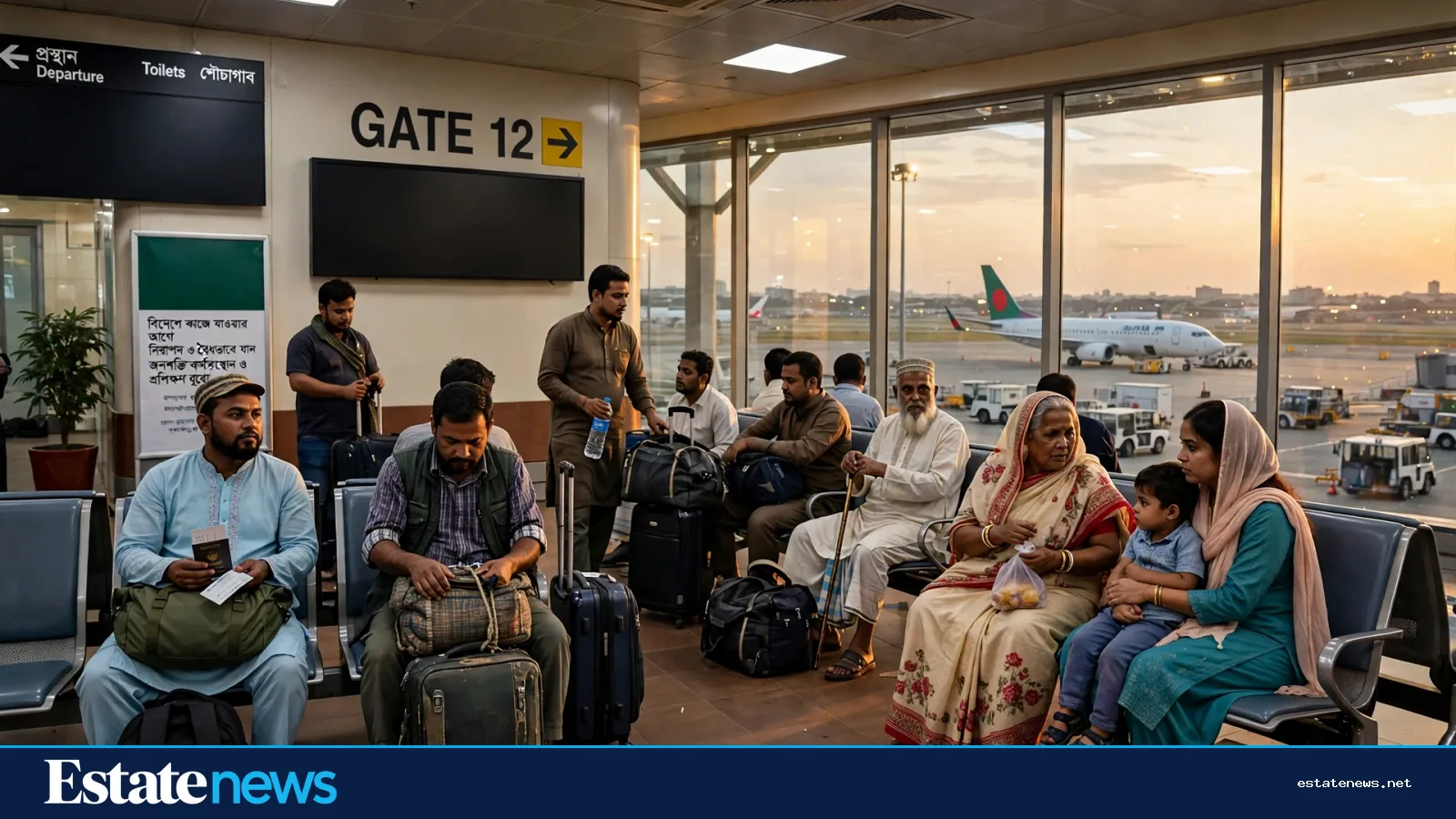
The departure hall at Hazrat Shahjalal International Airport filled up in the late afternoon, the way it always does before an evening flight. Luggage trolleys stacked high. Families standing close, talking in low voices. A mother smoothing down a son's collar one last time. On Thursday, 26 November, the 112 men in that queue were travelling on a ticket nobody in their family had paid a broker for.
Prime Minister Tarique Rahman came to the airport to see them off. The flight, a Biman service leaving at 7:00pm for Kuala Lumpur, was the first under a government programme that sends Bangladeshi workers to Malaysia without charging them any migration cost. The employer, DHL Supply Chain Malaysia, pays the visa and the airfare. The state agency BOESL, the Bangladesh Overseas Employment and Services Limited, ran the selection. For the workers, the saving is about Tk 2 lakh each. For the 112, that comes to around Tk 2.24 crore that stays in their families' hands instead of going to middlemen.
The programme matters because of what migration has cost until now. A job in Malaysia has long meant a loan taken from a relative or a moneylender, repaid out of the first year or two of wages. The debt shaped everything that followed: how much a worker could send home, when a family could repair a roof, whether a plot of land could be bought. Thursday's flight tested a different route, one in which the worker starts earning on day one without a debt hanging over the job.

A lottery of 4,039 names, narrowed to 112
The selection began with an open call. BOESL took online applications from 6 to 8 November, and 4,039 people applied. From that list, 300 names came out of a public e-lottery held in front of media representatives. The employer then interviewed those candidates directly, and 112 were chosen.
BOESL Managing Director Mohammad Rashedul Haque gave the figures at a press briefing at the Probashi Kallyan Bhaban on Thursday morning. He said the workers did not have to pay any money to BOESL or to any individual or organisation, and that recruitment notices for the programme appear only on BOESL's official website and Facebook page. Anyone asking for money in the programme's name, the agency said, should be treated as a fraud.
The lottery was the point. Malaysia's labour market for Bangladeshi workers had been shut for about two and a half years, after allegations of syndicates and excessive fees, and the reopening came with a promise that this time the process would be broker-free and transparent. A draw in public, followed by interviews with the employer itself, is the mechanism the government chose to keep that promise.
RM 1,700 a month, a three-year contract, a bed and a doctor
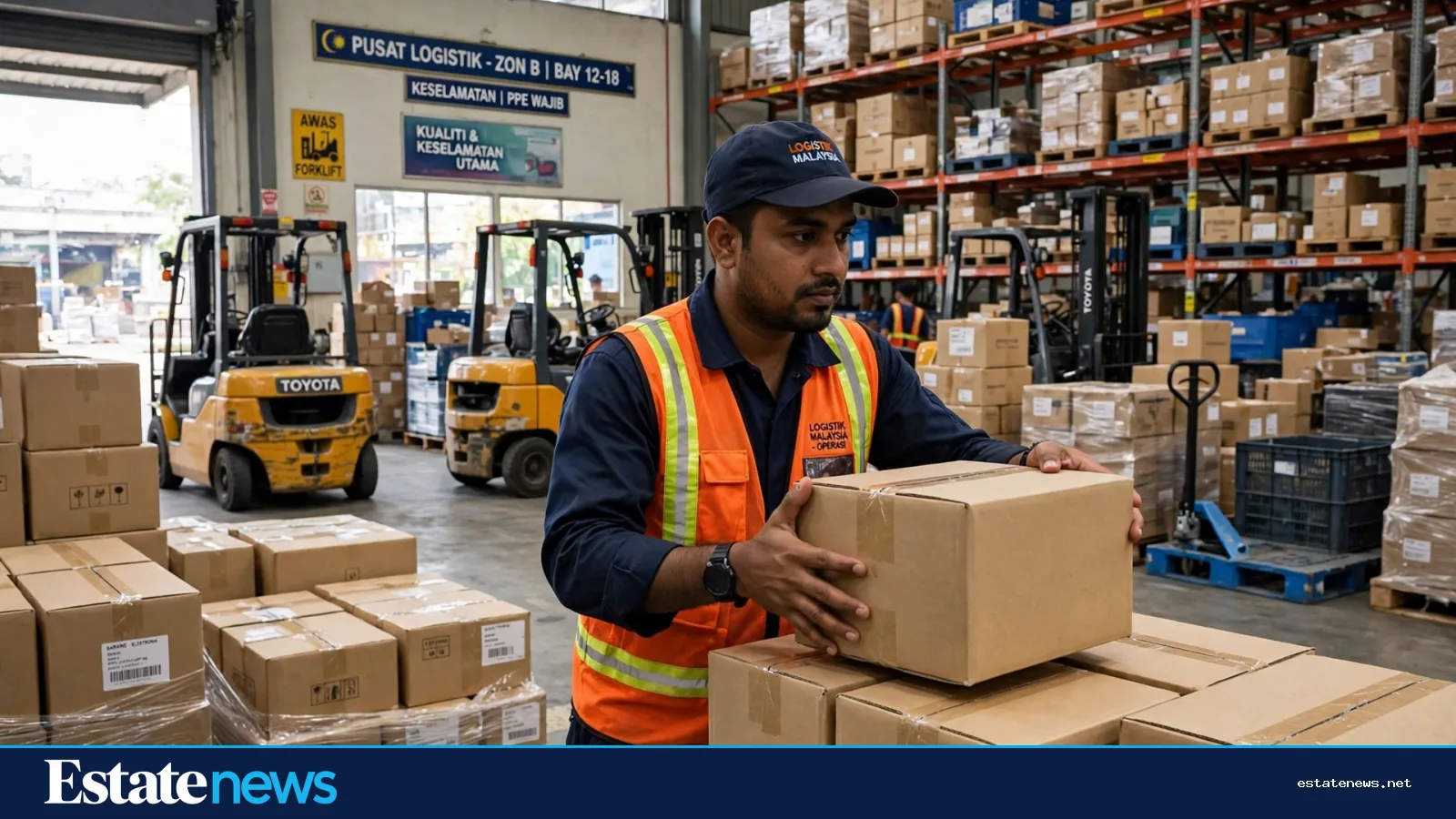
The contract the 112 signed is straightforward. They will work for DHL Supply Chain in Malaysia on renewable three-year contracts, at a basic monthly salary of 1,700 Malaysian ringgit, about Tk 51,700. The employer provides accommodation and medical benefits, and bears all migration costs, including the visa fee and the air ticket.
The Bangladesh-side costs, passport, medical examination, BMET registration, Wage Earners' Welfare Board fees, pre-departure training, insurance, transport and accommodation, come to Tk 26,350 per worker, according to BOESL. The employer bears the rest. The prime minister, speaking at the airport, said the government was working to develop skilled manpower for overseas jobs, and urged the departing workers to respect the laws and customs of the host country and to uphold Bangladesh's image.
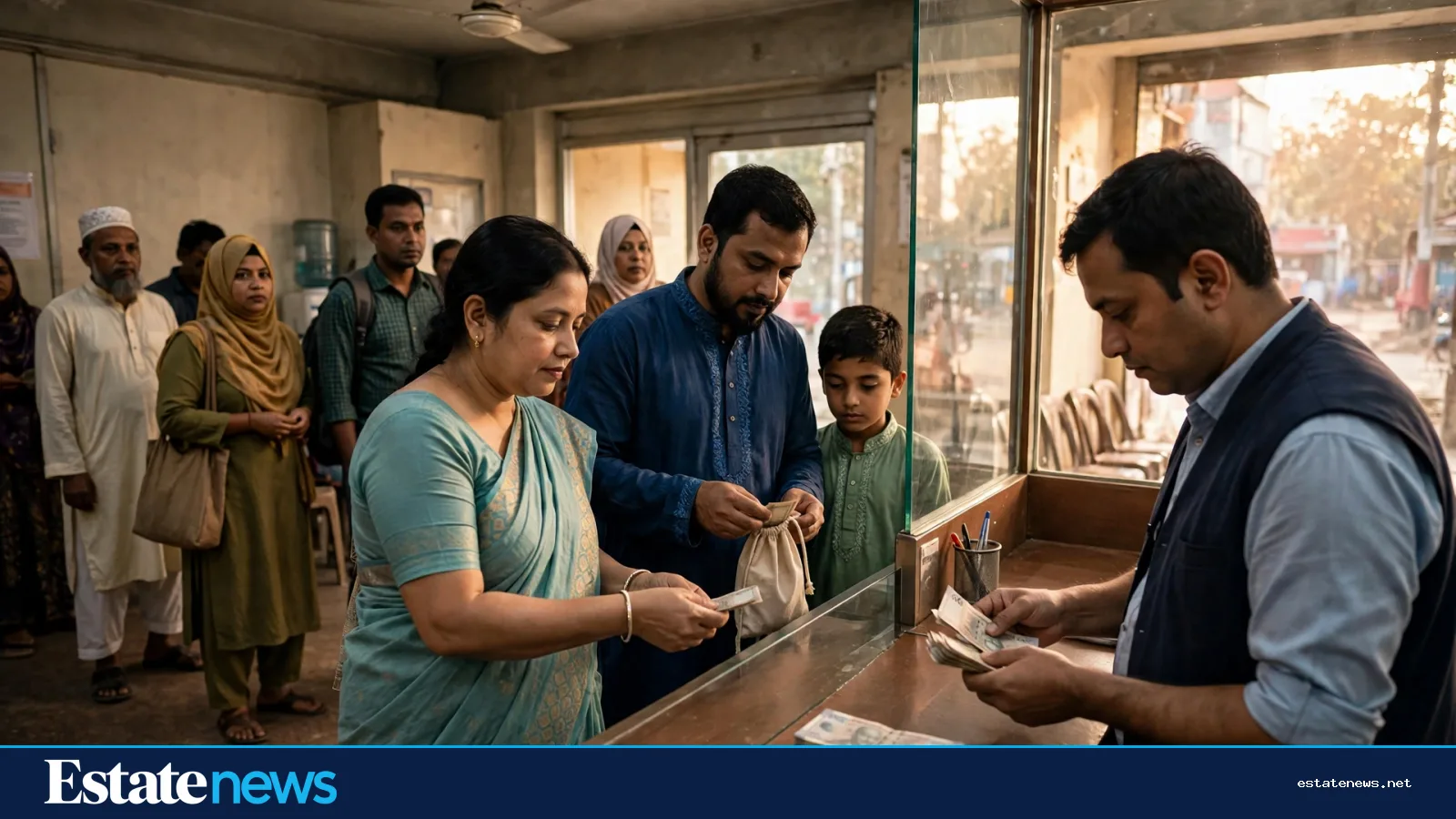
A monthly wage of RM 1,700 will not make anyone rich. What it does, for a worker who arrives without debt, is leave room in the pay packet from the first month. Overtime and allowances sit on top of the basic salary, and the accommodation and medical cover take two of the biggest costs off a migrant's shoulders. The arithmetic of the programme is not the wage. It is the Tk 2 lakh that was never borrowed.


10,000 workers in the first phase
The first flight is a small part of a larger plan. The government says it will send around 10,000 workers to Malaysia at almost no cost through the initiative in the first phase. Another 225 workers are scheduled to fly in December under the same arrangement.
BOESL has already received attested demand letters from four Malaysian companies for 1,048 workers in total. DHL Supply Chain asked for 112, the batch that flew on Thursday. Top Glove asked for 379, Tatawa Industry for 32, and United Plantations for 525. The demand letters are certified, which means the jobs behind them are documented before any worker is selected.
The scale is still modest against the size of the flow. More than 1.1 million workers went abroad this year, according to the Expatriates' Welfare Ministry, and six Gulf countries took 44.6 percent of the remittance that came in between July and October. Malaysia is one destination among many. The test of the programme will be whether the December batch follows the same clean path, and whether the 10,000 target is reached without the old fees creeping back in through another door.
What the saved money becomes back home
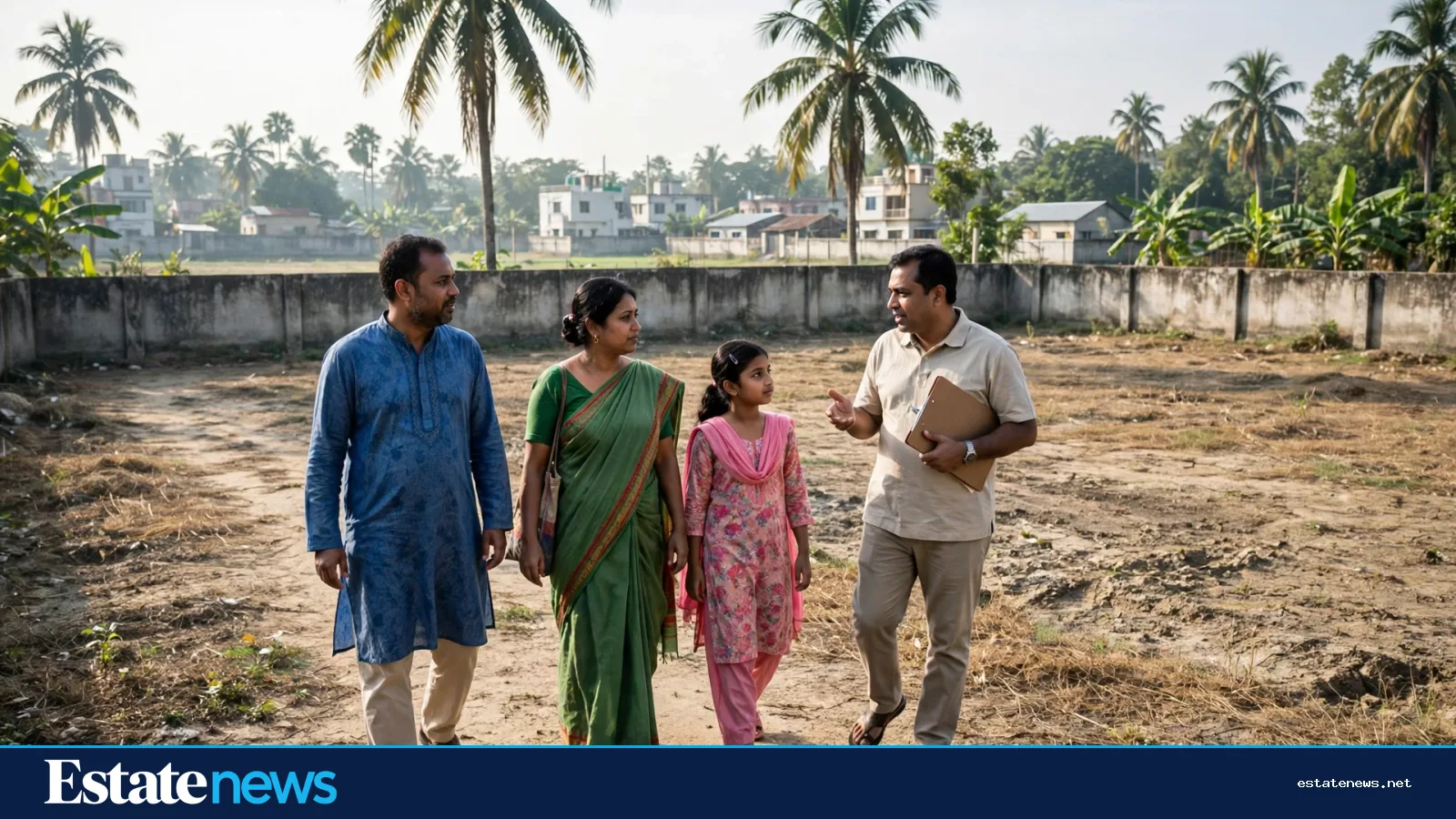
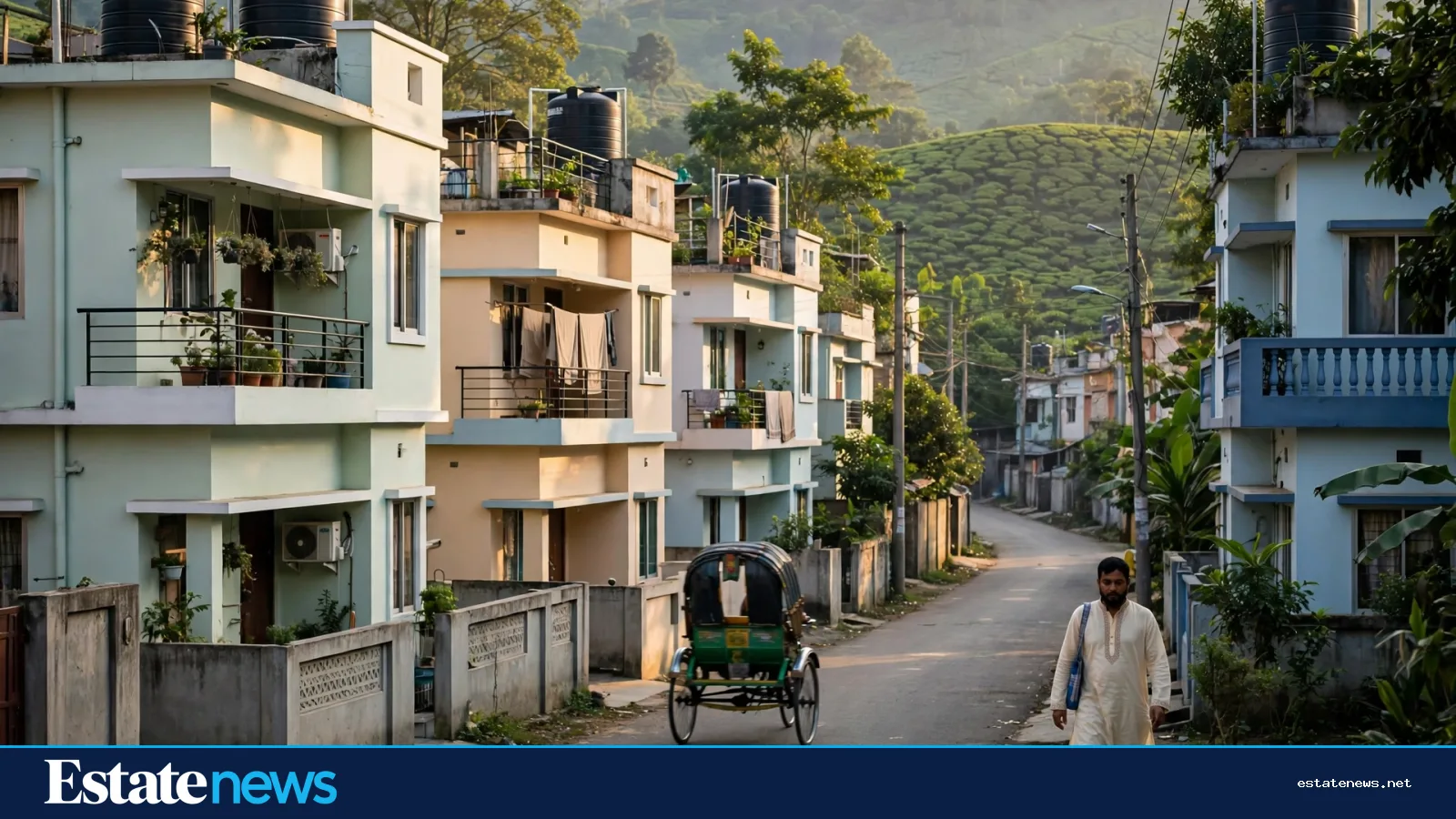
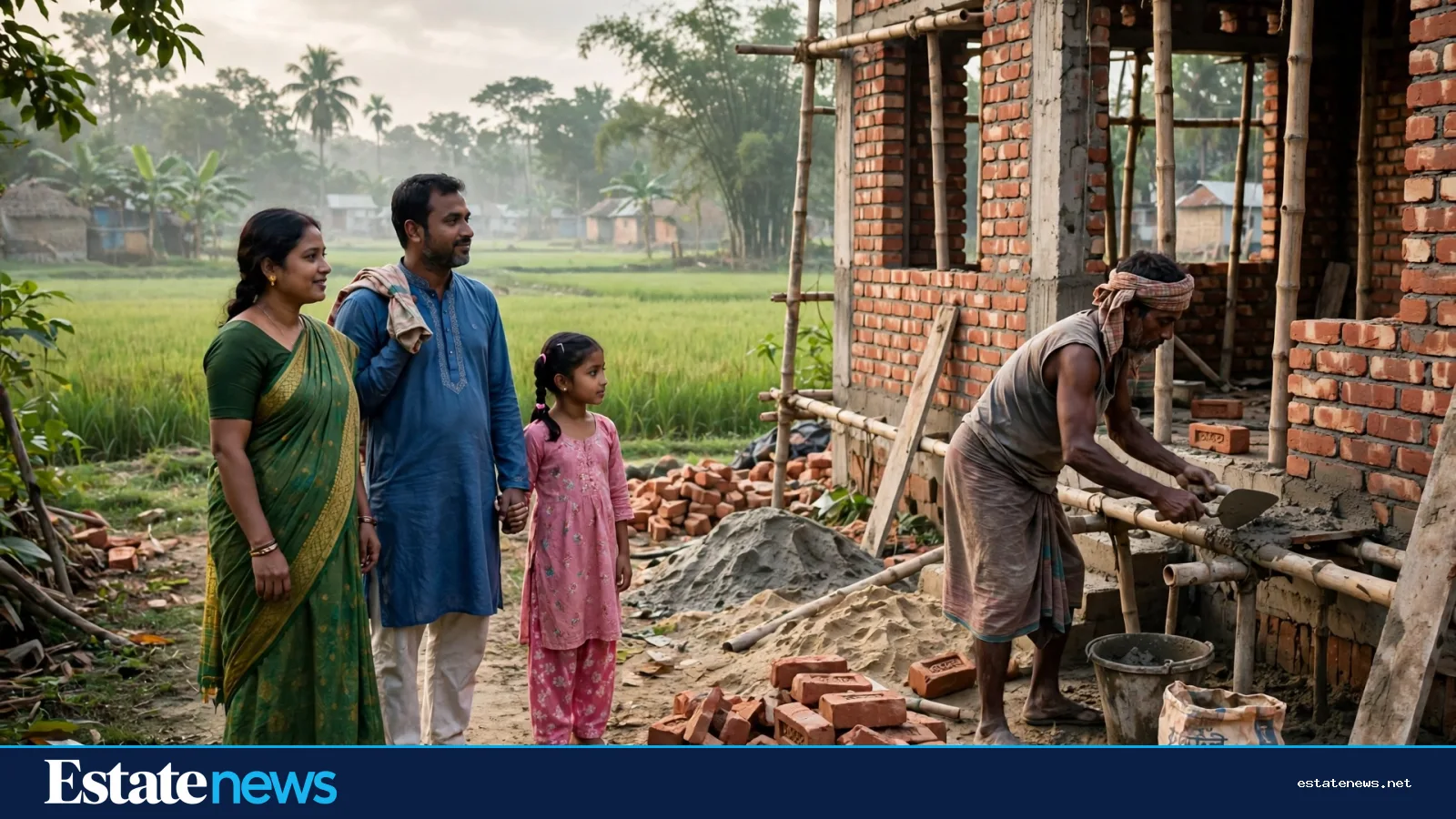
Ask what a migrant family does with Tk 2 lakh that was never spent, and the answer usually starts with the house. In village after village, the first remittance goes into brick and cement: a tin roof replaced, a room added, a half-built wall finished. The second goes into land, a plot bought in a district town, or a deposit on a flat for a son who will marry in a few years.
That is where this migration story meets the housing market. Estate News has reported through the year how remittance shapes demand for flats in Dhaka and in district towns, and how the districts that send the most workers abroad are also the districts where families buy land first and build later. A worker who keeps his first Tk 2 lakh does not only avoid a debt. He starts the saving for that plot or that flat two years earlier than the worker who borrowed to fly.
The money is not only for houses. It pays school fees, clears a shop loan, and covers a parent's treatment. But housing is where the largest sums land, and where the difference between a debt-free departure and a borrowed one shows up in brick.
Estate News has tracked how remittance flows through the districts in "জুলাই-অক্টোবরে প্রবাসী আয় ১১৫০ কোটি ডলার: কোন জেলায় কত", and the city remittance built in "Sylhet: The City Remittance Built". The pattern in those pieces is the same one this programme touches: money earned abroad, spent at home, very often on a roof.
The next test comes in December, when the second batch of 225 workers is due to fly. If they board the same way, without paying a broker, the programme will have done more than send 112 workers to Malaysia. It will have shown that the most expensive part of a migrant's journey, the price of the ticket itself, can be taken off the worker and put where it belongs, on the employer who needs the hands.