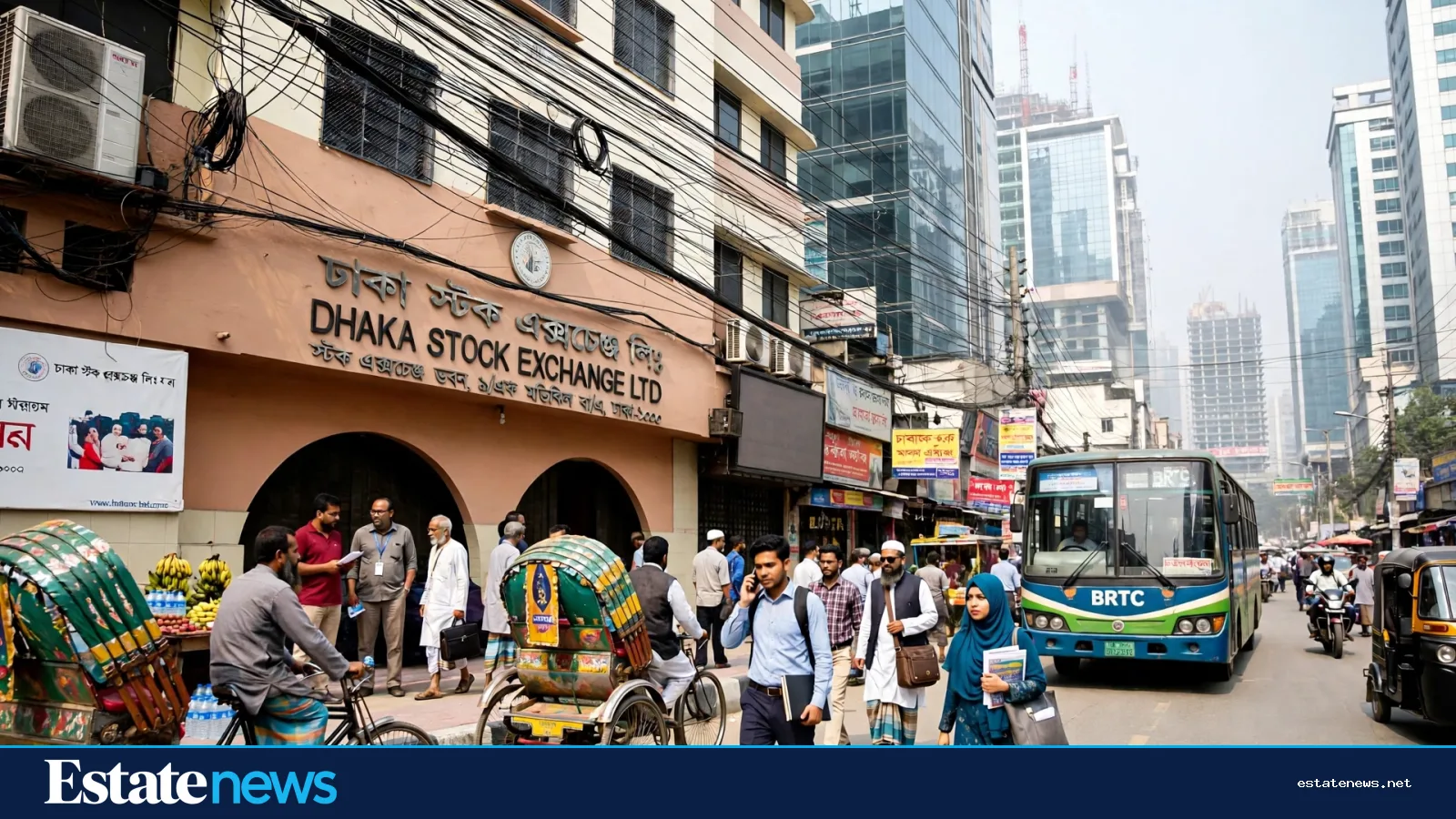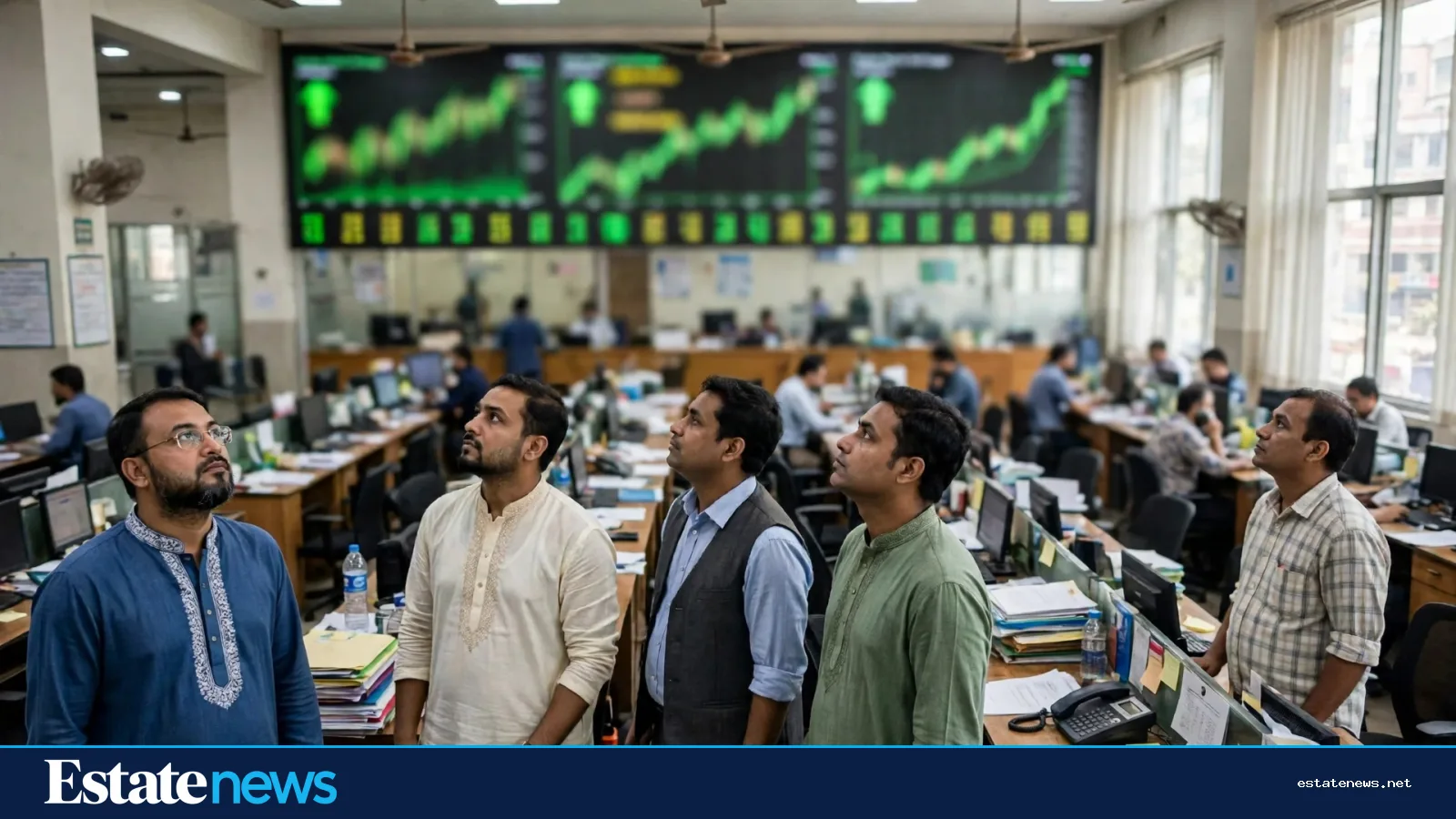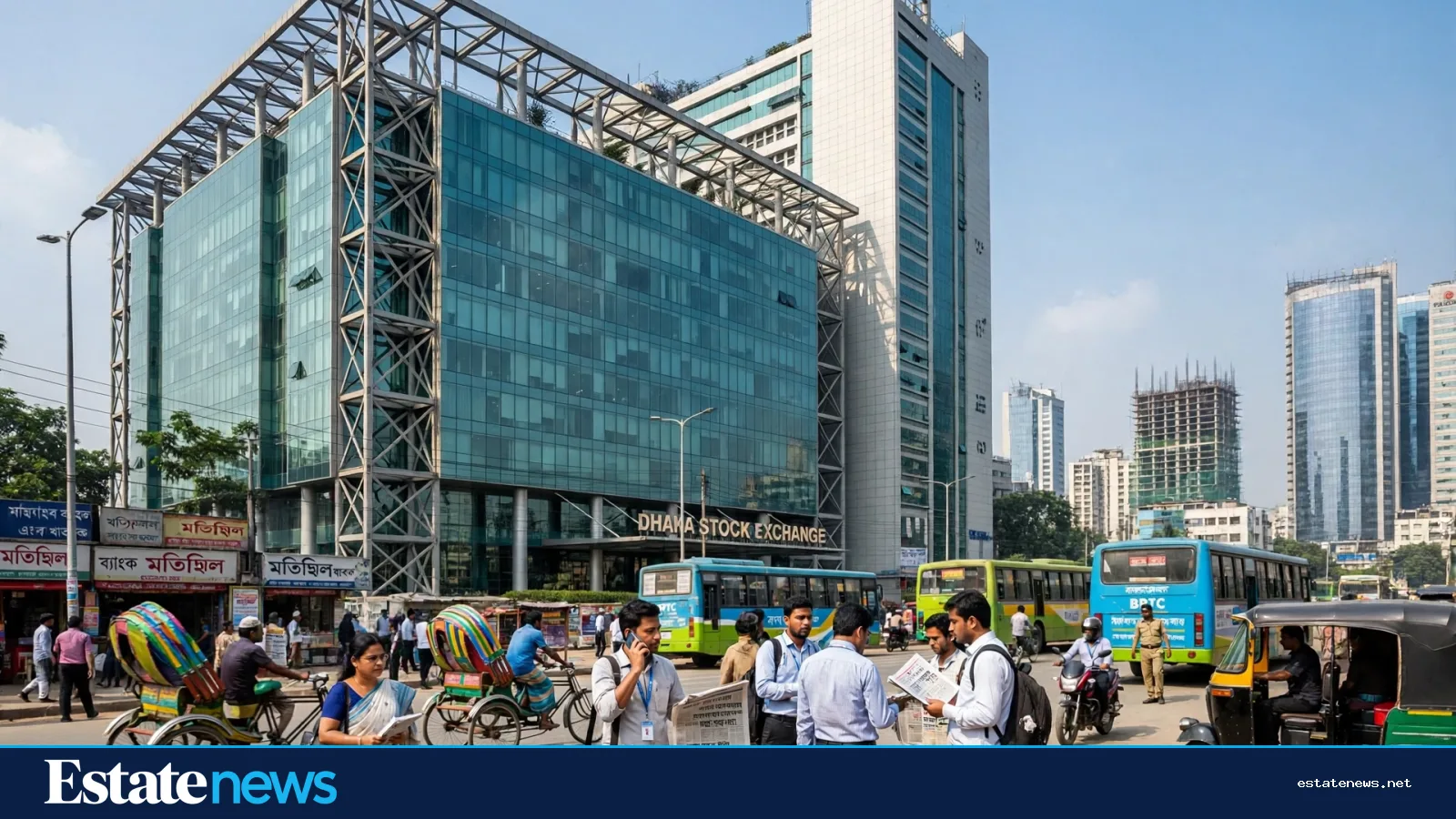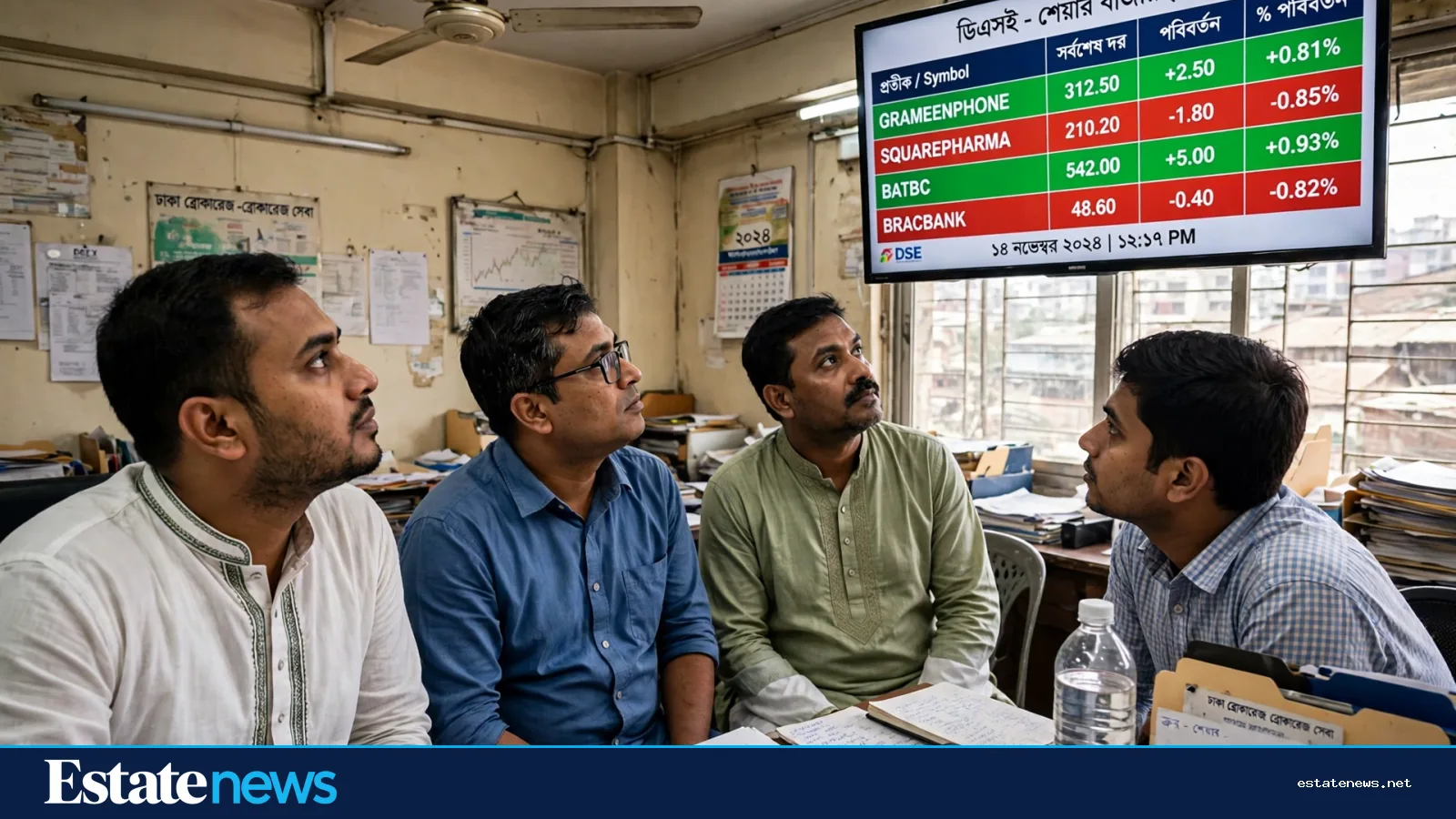
Sixteen equity mutual funds, run by seven asset management companies, hold 61 percent of their combined money in just ten listed companies. That is the finding of a quarterly portfolio analysis by Prime Bank Securities, reported by The Business Standard, covering the funds' holdings as of 30 September 2026. The 16 funds had a combined asset under management of Tk 631 crore at the end of the September quarter, and 72 percent of it, or Tk 456 crore, sat in listed equities. The rest sat in cash, bonds and other assets. The ten names at the top read like a roll call of the market's biggest and best-known companies.
The concentration is the story. A mutual fund is supposed to spread a saver's money across many companies, so that one bad result does not sink the whole investment. Here, seven different fund managers, running 16 different funds, have largely picked the same ten stocks. A saver who buys units in two or three of these funds may believe the money is spread wide. In practice, much of it is riding on the same few names.
The ten names

BRAC Bank is the single largest holding across the funds, at Tk 93.7 crore, or 14.8 percent of total assets under management. It features in the portfolios of all 16 funds, across all seven asset managers. Square Pharmaceuticals ranks second at Tk 58.9 crore, or 9.3 percent, held by all seven asset managers. Marico Bangladesh follows in third place at Tk 42.4 crore, held by five of the managers: CWT, EDGE, Ekush, UCB and VIPB. Beximco Pharmaceuticals is fourth at Tk 40.3 crore, or 6.4 percent.
Jamuna Bank and Prime Bank are tied at 5.3 percent each, at Tk 33.8 crore apiece. Berger Paints Bangladesh is seventh at Tk 28.5 crore, or 4.5 percent. Eastern Bank is eighth. BSRM Steels, at Tk 17 crore or 2.7 percent, is the only industrial stock in the top ten. Renata closes the list at Tk 14 crore, or 2.2 percent. The seven managers are CWT, EDGE, Ekush, IDLC, Shanta, UCB and VIPB.
Why the same names keep appearing


The list leans hard toward blue-chip banking, pharmaceutical and multinational stocks. These are the companies with the deepest liquidity on the Dhaka Stock Exchange, the longest records of paying dividends, and the most research coverage. A fund manager who must buy and sell in size, and answer to unitholders every quarter, reaches for the names that can be bought and sold without moving the price. That is a reasonable instinct, and it is also how concentration builds: every manager reaches for the same liquid names, and the portfolios start to look alike.
The risk is not that these are bad companies. It is that they move together. Banks, drug makers and consumer multinationals do not rise and fall in lockstep, but a market-wide fall, a banking scare or a currency squeeze can hit several of them at once. A fund that holds 61 percent of its money in ten names has less room to hide than one spread across thirty. The thin trading on the exchange adds to the point: turnover fell 23 percent to Tk 707 crore on Thursday 26 November, as the DSEX slipped 6.94 points, as reported in "DSEX Slips 6.94 Points as Turnover Falls 23% to Tk 707 Crore".
What a saver should check
Before buying a fund unit, a saver can ask for the portfolio statement and read the top ten holdings. If the same names appear in every fund on the shelf, buying three funds does not buy three different bets. The statement also shows how much of the fund sits in cash and bonds rather than shares, and that matters too: the 16 funds held 28 percent of their money outside listed equities, which cushions a fall but also limits a rise. The funds that lend to small borrowers, and what they charge, are explained in "Bangladesh Banks' Tk 1,500 Crore Fund: Who Can Borrow and at What Rate". The maths of renting against buying a home with saved money is worked through in "Rent or Buy in Dhaka: The Maths That Decides It in 2026".
This article is not financial advice, and it recommends no stock or fund. It reports what the funds own, so a saver can see how much of the market's money is riding on the same ten names, and decide with eyes open.