The garment wage is settled. The textile wage is next. The Bangladesh Textile Mills Association, BTMA, has begun preparations for a new minimum wage structure for textile workers, aiming to finalise a fair, realistic and updated framework before the current one expires in February 2027. The association said so in a press release issued on 28 November, and it is coordinating with the Ministry of Labour and Employment and the Minimum Wage Board to prepare the revised structure. No new figure has been proposed, and the association has disclosed neither a proposed minimum wage nor a specific timeframe for putting one in place.
The clock is the point. The existing minimum wage structure for textile workers was announced in 2024 and completes its three-year term in February next year. BTMA says it wants to complete the formulation of the new structure ahead of that deadline, through consultations with all relevant stakeholders. The association said the textile and apparel sectors complement each other and play significant roles in export earnings, employment generation and the overall economy. As the process of finalising a new wage structure for garment workers nears completion, it said, a new wage structure must also be set for workers in the primary textile sector.
Two wages, one supply chain

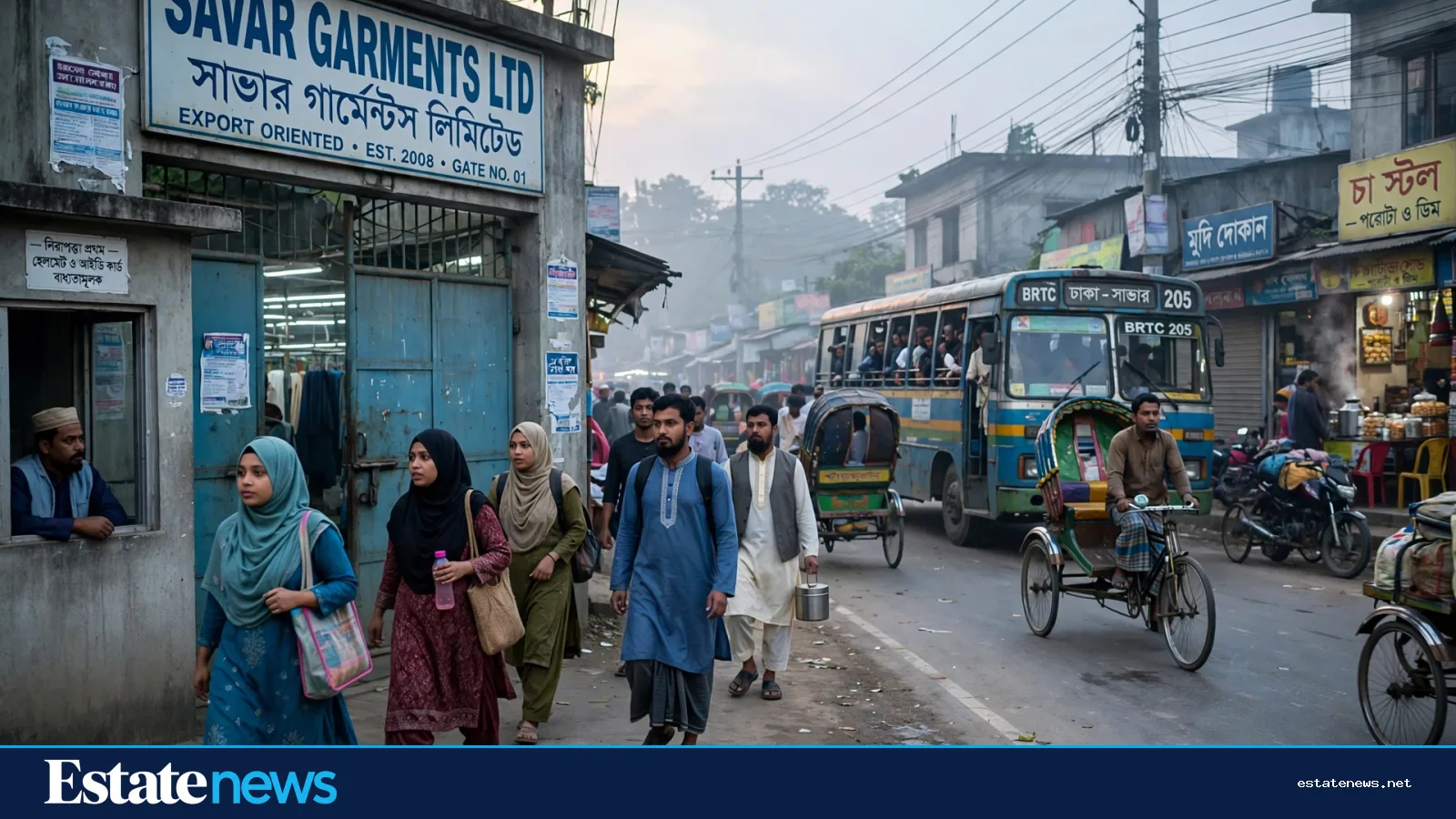
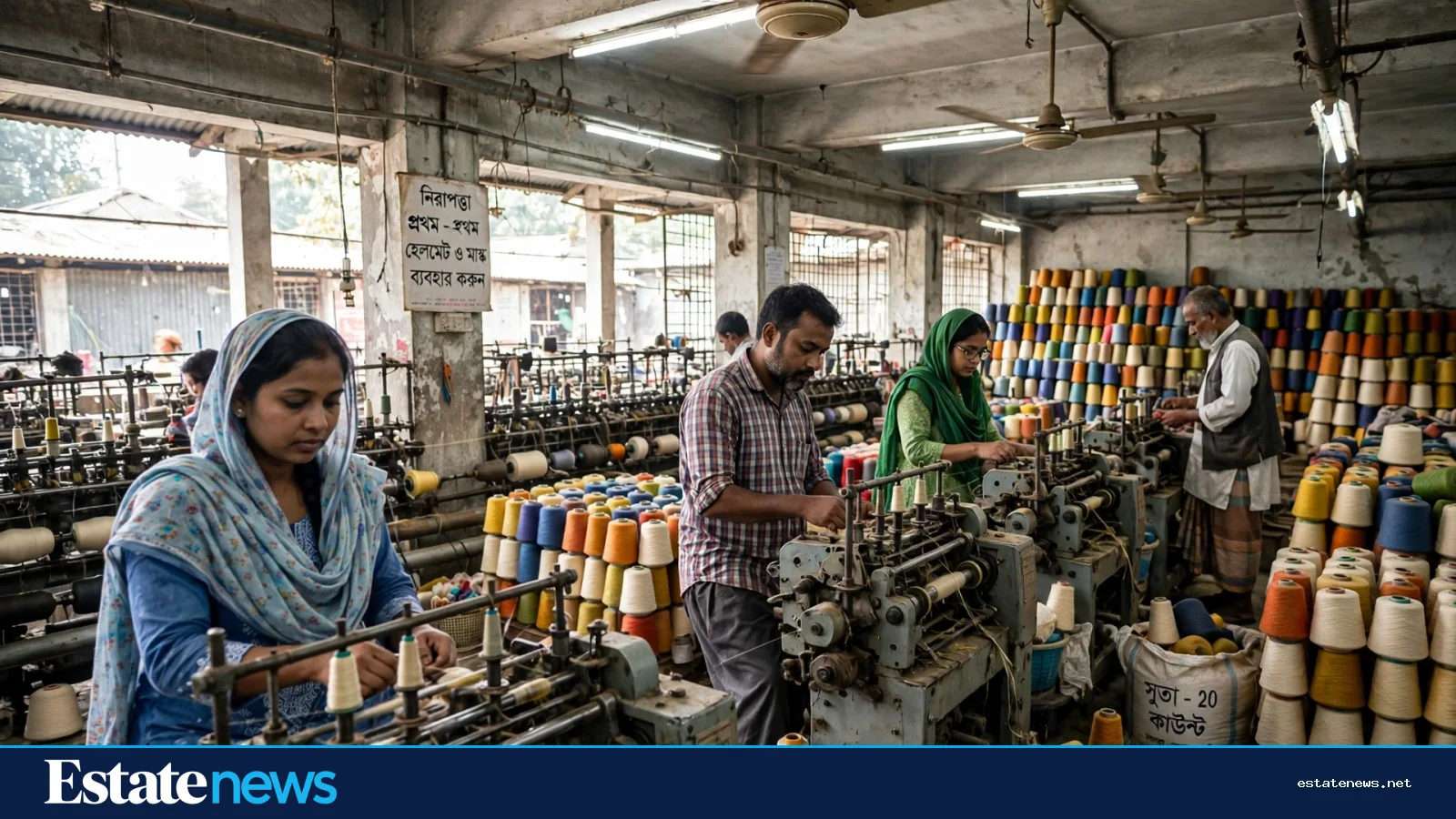
The textile mills sit one step behind the garment factories in the supply chain, and that is why their wage follows the garment wage. The spinners and weavers make the yarn and fabric that the garment factories cut and sew. A garment worker's new minimum means little to the chain if the mill worker who supplies the fabric is left on an old rate, and the mills know that the same unrest that closed garment factories can reach them too. BTMA voiced concern in its press release over what it described as attempts by a section of workers to create disorder at several textile mills over demands for a new minimum wage.


The garment settlement sets the pattern the mills will now argue over. The wage board set Tk 17,000 a month at Grade 4 on 24 and 25 November, with Grade 1 at Tk 21,500, Grade 2 at Tk 20,000 and Grade 3 at Tk 19,200. The new rates take effect on 1 December and will be paid with January 2027 salaries. The split between basic pay and house rent is still undecided, and ministry approval is still pending. The full story of that settlement, including the missing split and what it means for a worker's rent, is set out in "Tk 17,000 Wage: Rent Controls, Hospitals and the Missing Split", and the board's decision itself in "Tk 17,000: The Wage Board Sets the Garment Minimum, Up 36 Percent".
What it means for the mill towns
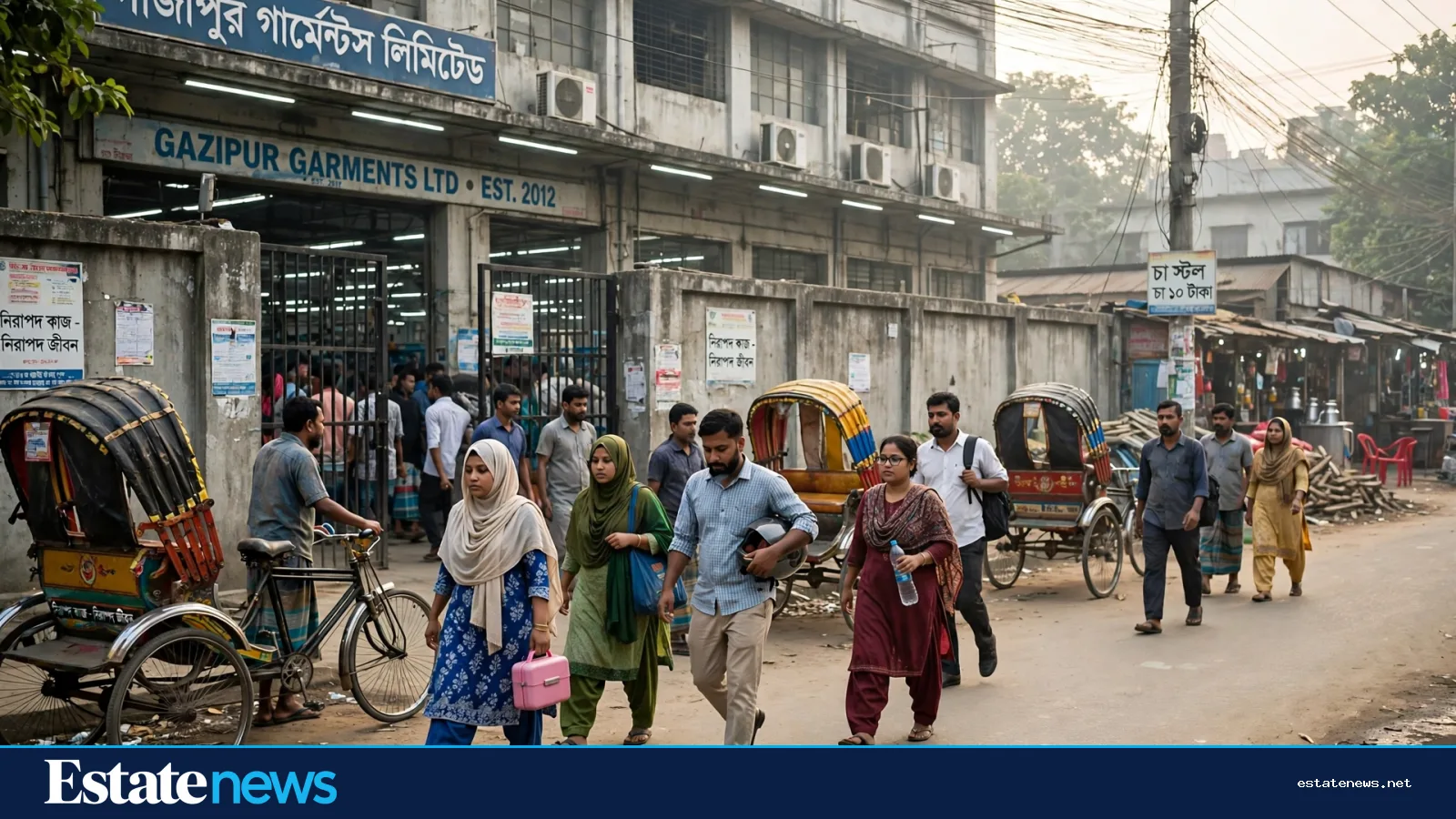
A textile wage is also a housing story, and nowhere more than in Gazipur, where the mills and the garment factories share the same streets, the same mess houses and the same bazaars. A mill worker's pay decides the room he rents, the bus he takes and the money he sends home. When the wage board moves, the town's rents and shop takings move with it, a month or two later. The Bangla account of how the wage decision changed the housing arithmetic in Gazipur is told in "গাজীপুর: মজুরির সিদ্ধান্ত যেখানে ঘরবাড়ির হিসাব বদলায়".
For now, the mills have started the count and nothing more. The consultations have to happen, the stakeholders have to be heard, and a figure has to be agreed before February. The garment wage took a month of unrest, 21 factory closures under Section 13(1) and a wage board working under pressure to settle. The textile mills have the chance to reach their number before that kind of pressure arrives. Whether they take it will show in the next few weeks, as the ministry, the board and the association sit down to the first round of talks.