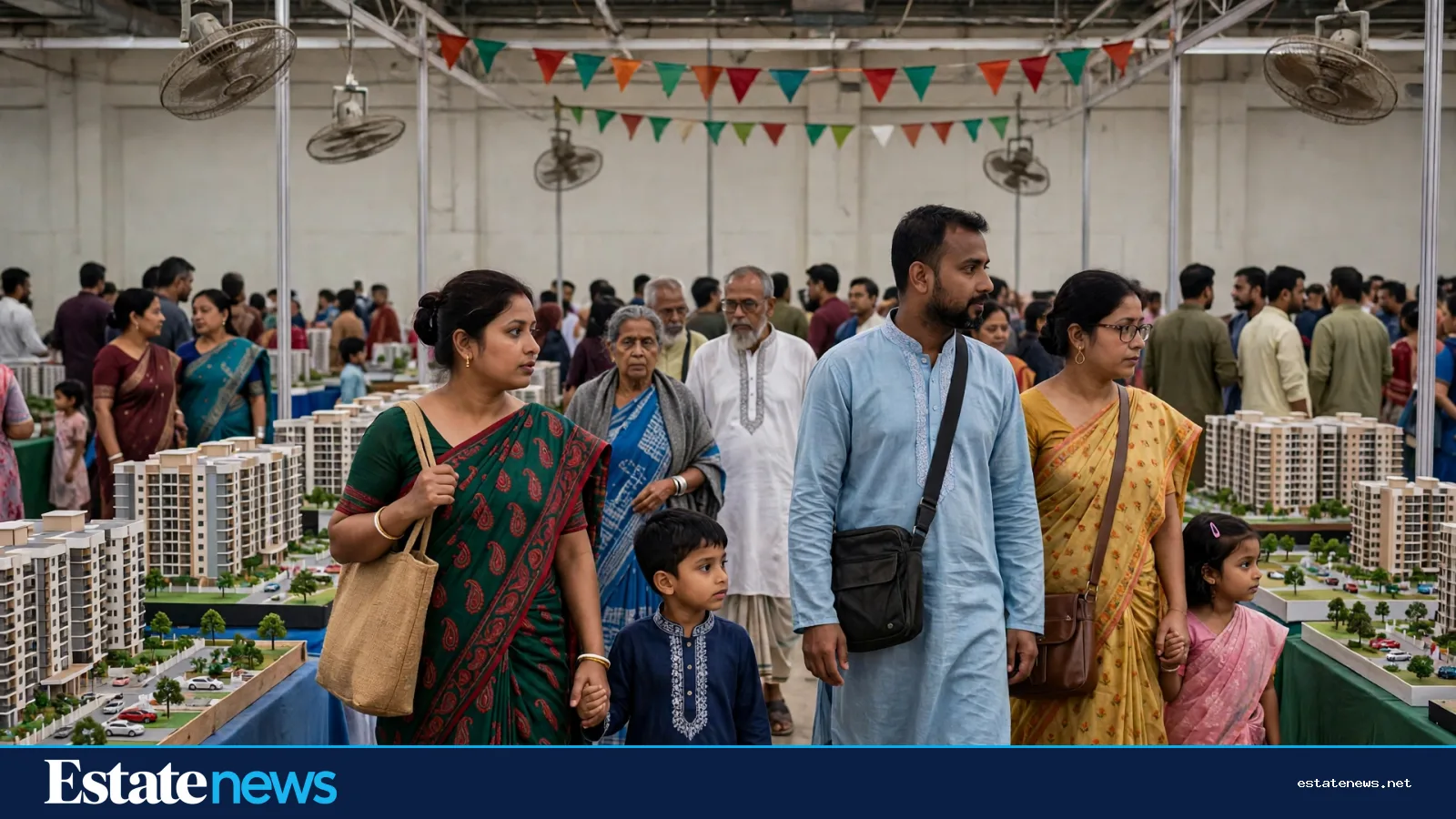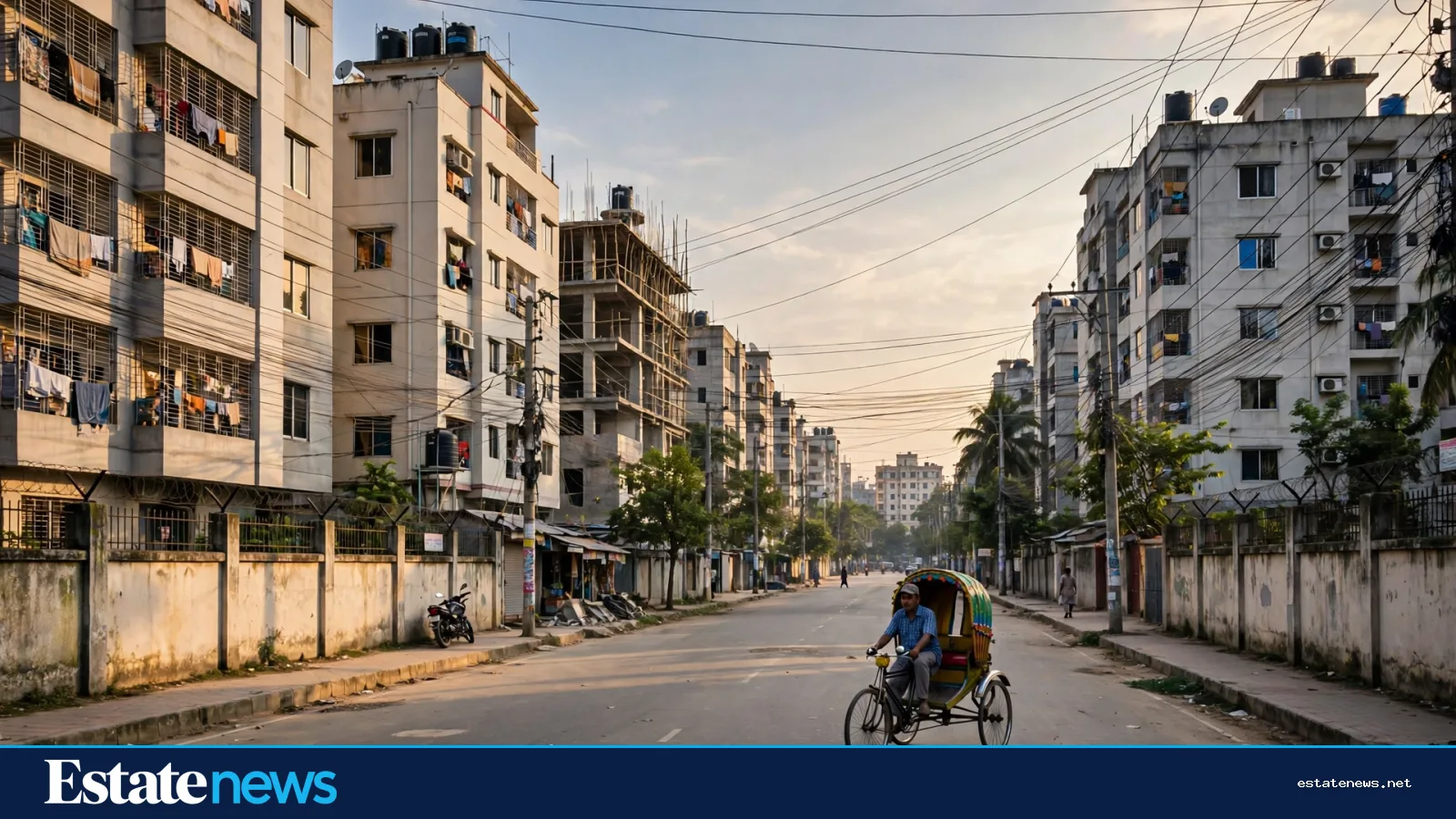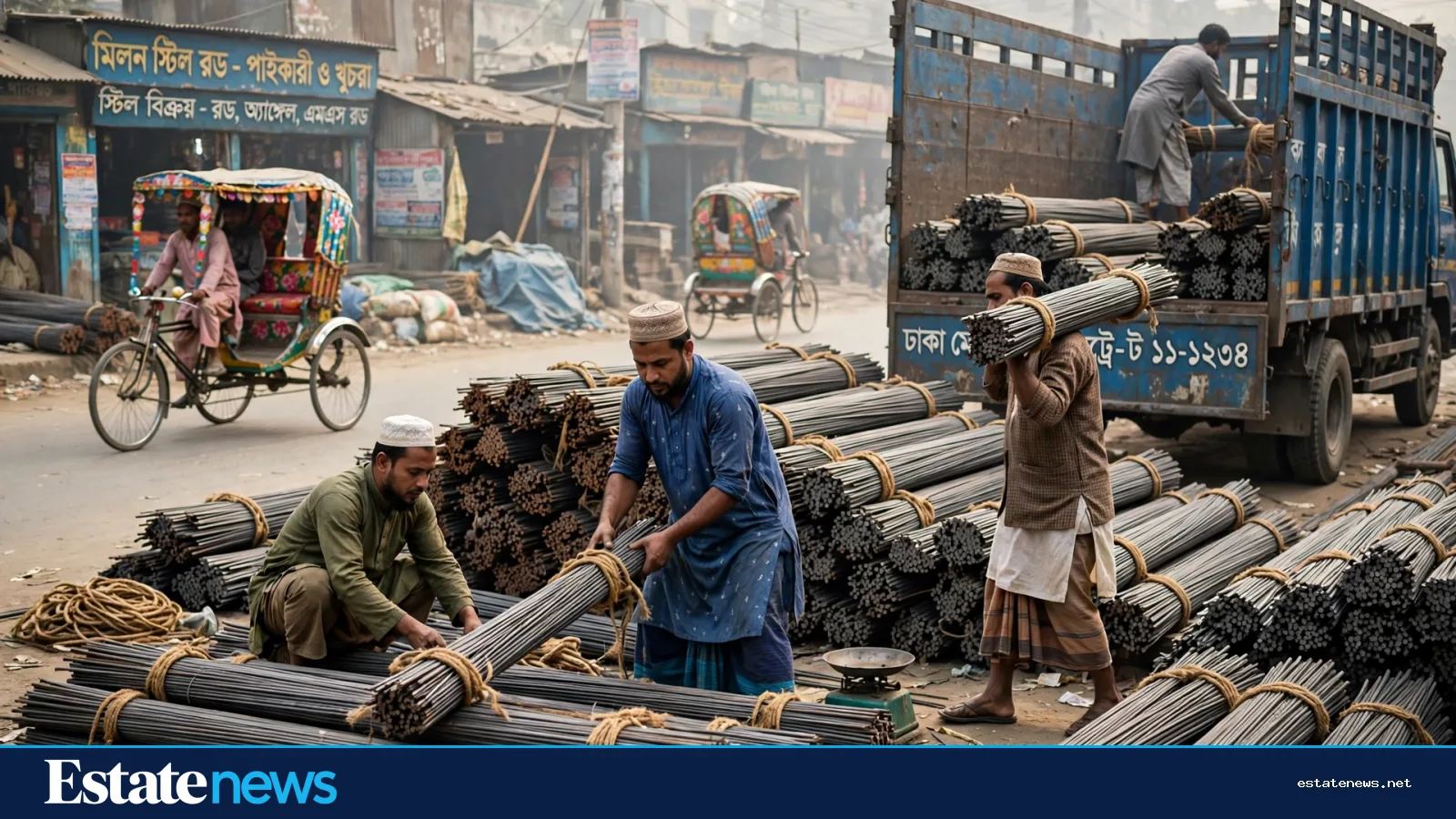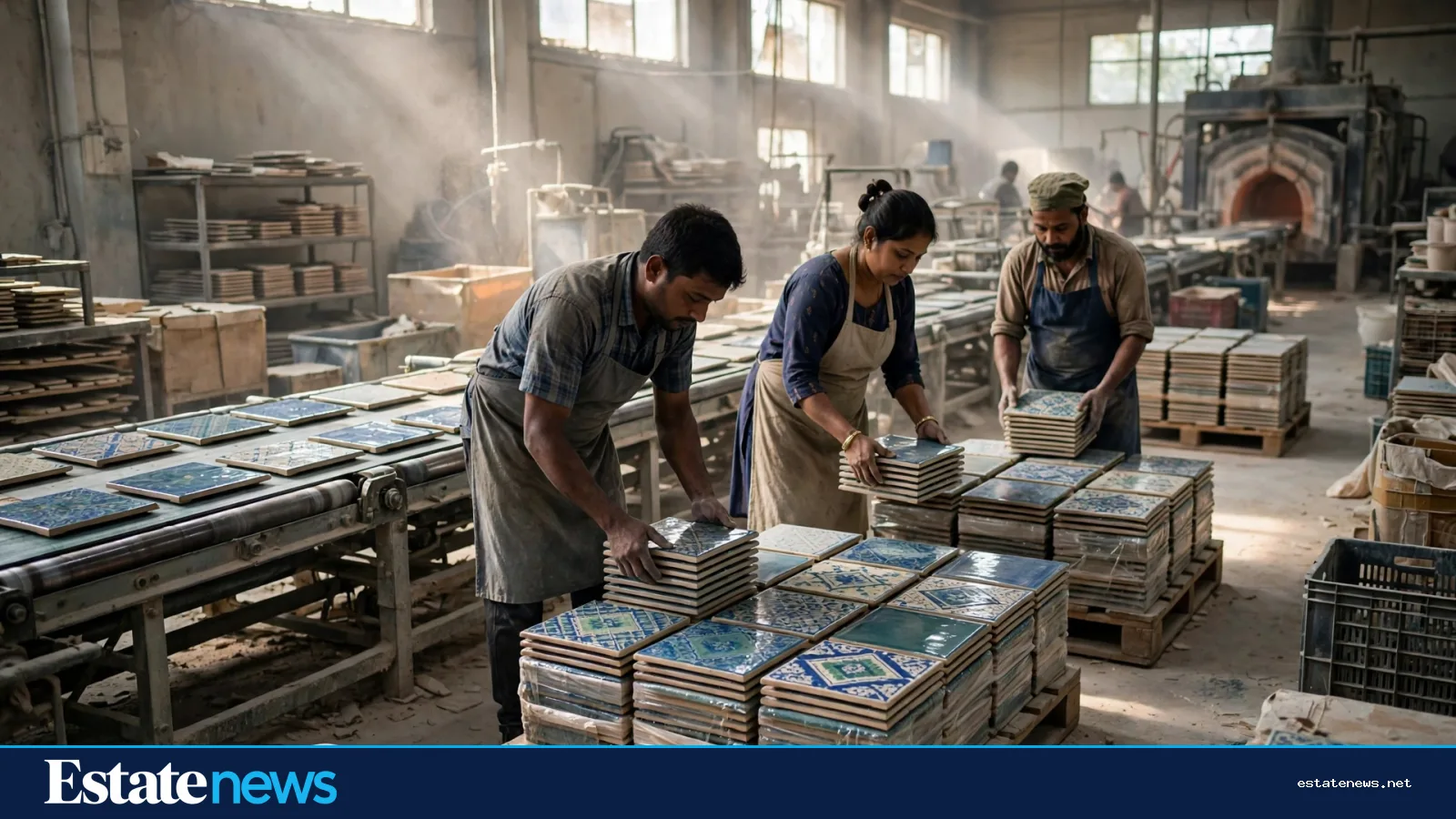
A tile line that stood silent for almost three months is running again. RAK Ceramics (Bangladesh) Ltd restarted its second tile production line on 19 November, after shutting it on 25 August for maintenance, according to a company disclosure carried through the Dhaka Stock Exchange and reported on 26 November. The restart is a small item in the market news. It is also one of the few concrete signs this week that building-materials demand is moving again.
Tiles are not the kind of product that makes headlines. They arrive late in a building's life, after the structure is up and the plaster has dried. A developer orders them when a project is nearing handover, and a homeowner buys them when a flat is ready to be lived in. When a tile line stops, it usually means orders have thinned. When it starts again, it usually means someone expects the orders to come back.
What the disclosure says

The disclosure is short. Line-2 was shut from 25 August 2026 for maintenance, and production resumed on 19 November 2026. The company gave no output figure, no capacity number and no price in the disclosure, and none is carried here. What the dates show is the shape of the stop: close to twelve weeks, from the last week of August to the third week of November, covering the monsoon tail and the start of the dry building season.
RAK Ceramics is one of the names a Dhaka flat buyer meets in the finishing stage. Its tiles go into the bathrooms and kitchens of new apartments across the city, and its brand sits alongside the cement and steel makers whose prices set the cost of a building. A line restart at a company of that size is worth noting for the same reason a cement dispatch figure is worth noting. It is a pulse reading from the middle of the supply chain.
What it says about demand


The building trade has spent much of the year working through a slow patch. Interest rates have stayed high, buyers have waited, and developers have stretched their schedules. Materials sellers felt it first: rod and cement move when sites are active, and tiles move when sites are nearly finished. A tile line coming back suggests the pipeline has not dried up. Projects that were paused are reaching the stage where floors and walls need finishing.
That reading comes with a limit. One line at one company is not a recovery. It is a single data point, and it says nothing about how many flats will be handed over this winter or what a square foot of tile will cost next month. Estate News tracks what builders actually pay in "Rod at Tk 91,250 a Tonne, Cement at Tk 560 a Bag: November's Building Costs", and the full cost of putting up a house in "Construction Cost Per Square Foot in Bangladesh: What a House Really Costs in 2026". The tile restart belongs beside those figures, not ahead of them.
The wider materials picture
The restart also lands in a season when the materials industry is being watched for other reasons. Cement makers have reported steady dispatches, steel mills have held their prices, and the government's own project pipeline, cleared in bulk this week, will need materials of its own. A tile line that runs again is a small vote of confidence from a manufacturer that has to pay its workers and its power bill whether the line runs or not. Restarting it means the company expects the tiles to sell.
For a buyer, the practical meaning is simple. The flat you visit this winter is more likely to be finished on schedule when the materials behind it are moving. The line that stopped in August and started again in November is one small piece of that picture. BRAC Bank and Heidelberg Materials have been working on the cement supply chain itself, as Estate News reported in "BRAC Bank and Heidelberg Materials Back the Cement Supply Chain", and the tile restart is the same story told from a factory floor: the materials trade is stirring, one line at a time.