The flat was promised for last winter. The building is still half-built, the lift shaft is open to the sky, and the developer's office has stopped answering the phone. For many Dhaka buyers, this is not a rare disaster. It is the most common complaint in the city's housing market, and the first thing to know is that a late handover is not only a broken promise. It is a situation the law has something to say about.
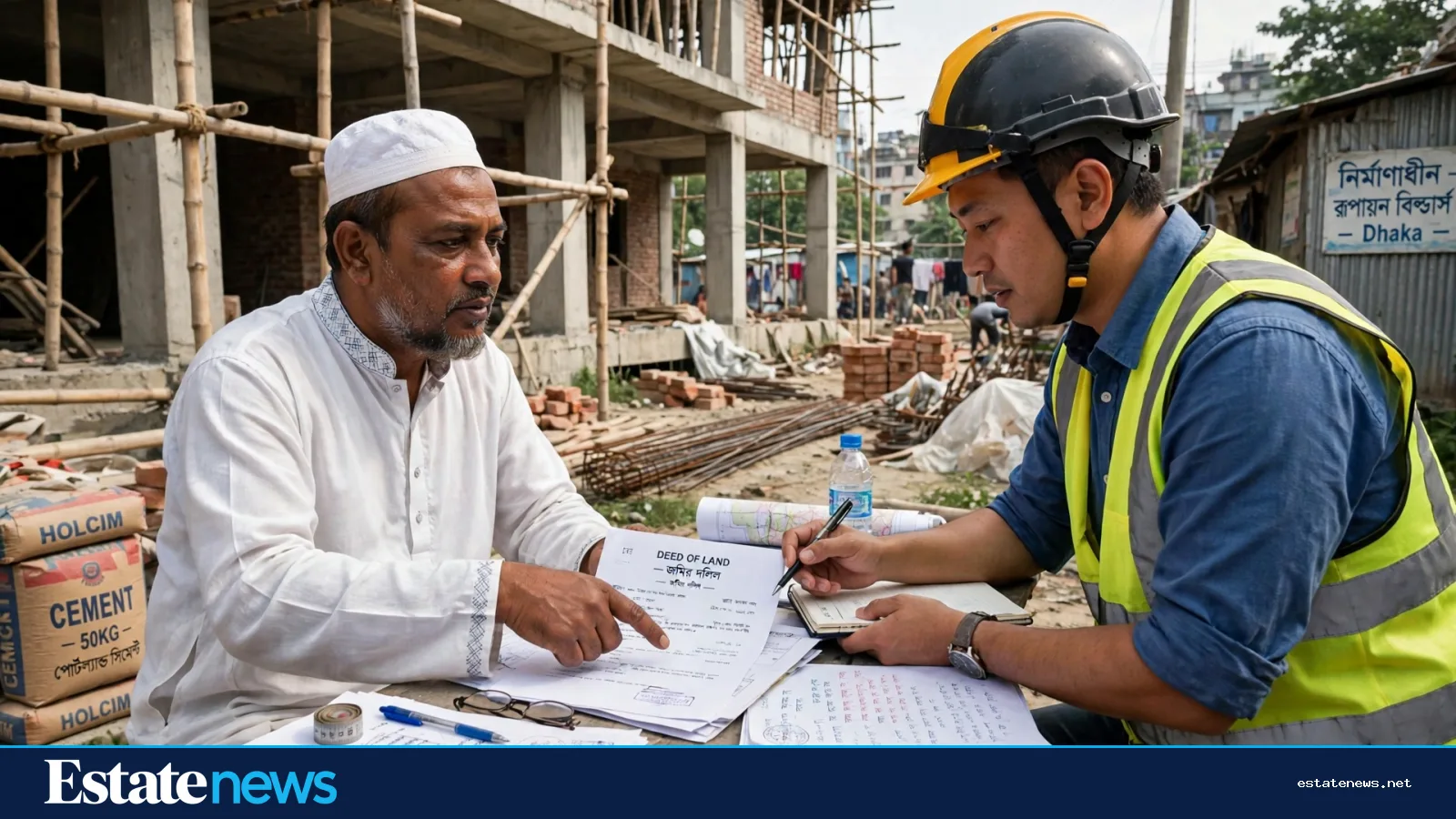
Start with the paper you already hold. The allotment agreement, or deed of agreement, is the document that matters most now. It should state the handover date, the payment schedule, the specifications, the parking space, and what happens if the developer is late. Read the delay clause word by word. Some agreements name a compensation rate. Where the contract is silent, the Real Estate (Development and Management) Act 2010 provides for a refund with compensation of 15 percent of the sums paid, within six months. That is the fallback the law sets, not a number any developer can bargain away by staying quiet.
Check the approvals before you argue

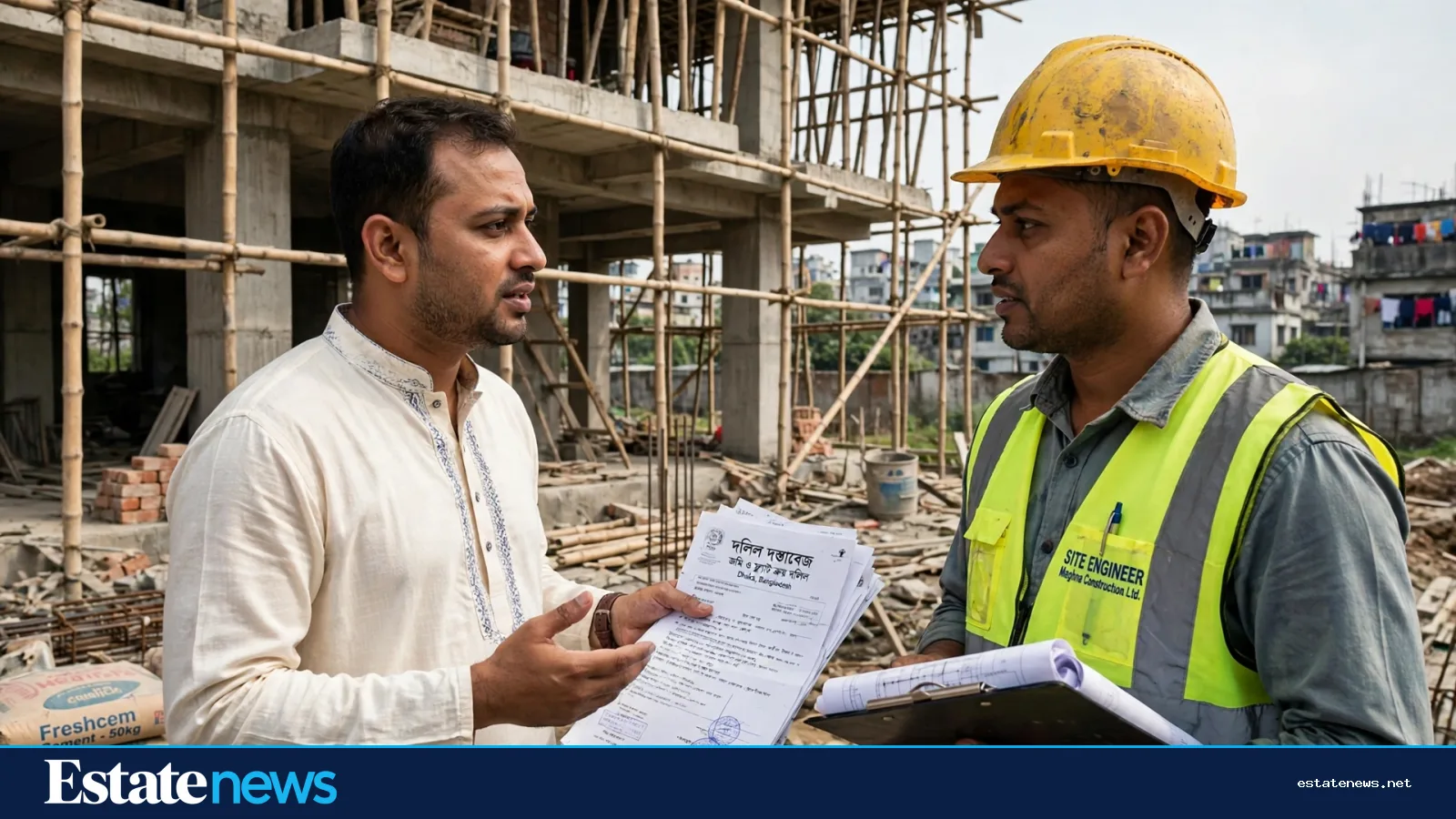
Before writing to the developer, check whether the building itself is in order. Ask for the RAJUK-approved plan and count the floors on site against the floors approved. Check the landowner's title deeds, the khatians, the mutation and the current khajna receipt. Ask to see the landowner-developer agreement and the registered power of attorney from the landowner to the developer, which is what allows the developer to sign a sale deed for the land share. If the project was sold before approval, or the developer is not registered under the 2010 Act, that changes the picture entirely, and a lawyer should see the papers before you pay another instalment.
A delay is sometimes honest. A developer can run into a genuine problem: a materials shortage, a bank that has stopped lending, a court order. The question is whether the developer tells you. Ask in writing for a revised handover date, the reason for the delay, and the stage the work has reached. Keep every reply, and keep a copy of every letter you send. A verbal promise made at a sales office is worth very little later. A dated letter is worth a great deal.
The three-month rule after full payment
One rule catches many buyers by surprise. Under the 2010 Act, once a buyer has paid in full, the developer must hand over the flat and complete the deed and registration within three months. Registration itself is a sale deed for the flat together with its undivided share of the land, and it carries stamp duty, a registration fee, local government tax and source tax, plus VAT on a new flat bought from a developer.


That means the end of the process has a deadline even when the middle of it has slipped. If you have paid everything and three months have passed without handover and registration, the delay is no longer a matter of patience. It is a breach with a remedy attached.
Where to take the dispute
If the developer will not answer, or answers with a new date that keeps moving, there are routes beyond the sales office. The 2010 Act provides for disputes to go first to negotiation and then to arbitration under section 36, through a joint arbitral tribunal or the courts. REHAB, the developers' association, also runs mediation for its members' buyers, and court-annexed mediation is another route. Litigation is the last step, not the first, and it is slow and expensive. But knowing it exists changes the negotiation.
None of this replaces a lawyer. The agreement you signed, the payments you made and the approvals behind the building are specific to your project, and a lawyer who has seen them can say what your position actually is. What this guide can say is the order of operations: read the agreement, check the approvals, write to the developer, keep the paper trail, and do not pay more money into a project whose papers you have not verified.
Estate News has set out the warning signs to look for before signing in "Five Red Flags to Spot in a Flat Purchase Agreement", and the checks that matter before booking in "Before You Book a Flat, Check the Developer: Five Verifications That Matter". The cost of registering the flat once it is handed over is in "Flat Registration Cost in Bangladesh: A Buyer's Guide for 2026".
A late flat is stressful, and the waiting is real. But a buyer who knows the agreement, the approvals and the three-month rule is not waiting blind. The paper trail you build now is the case you may need later.