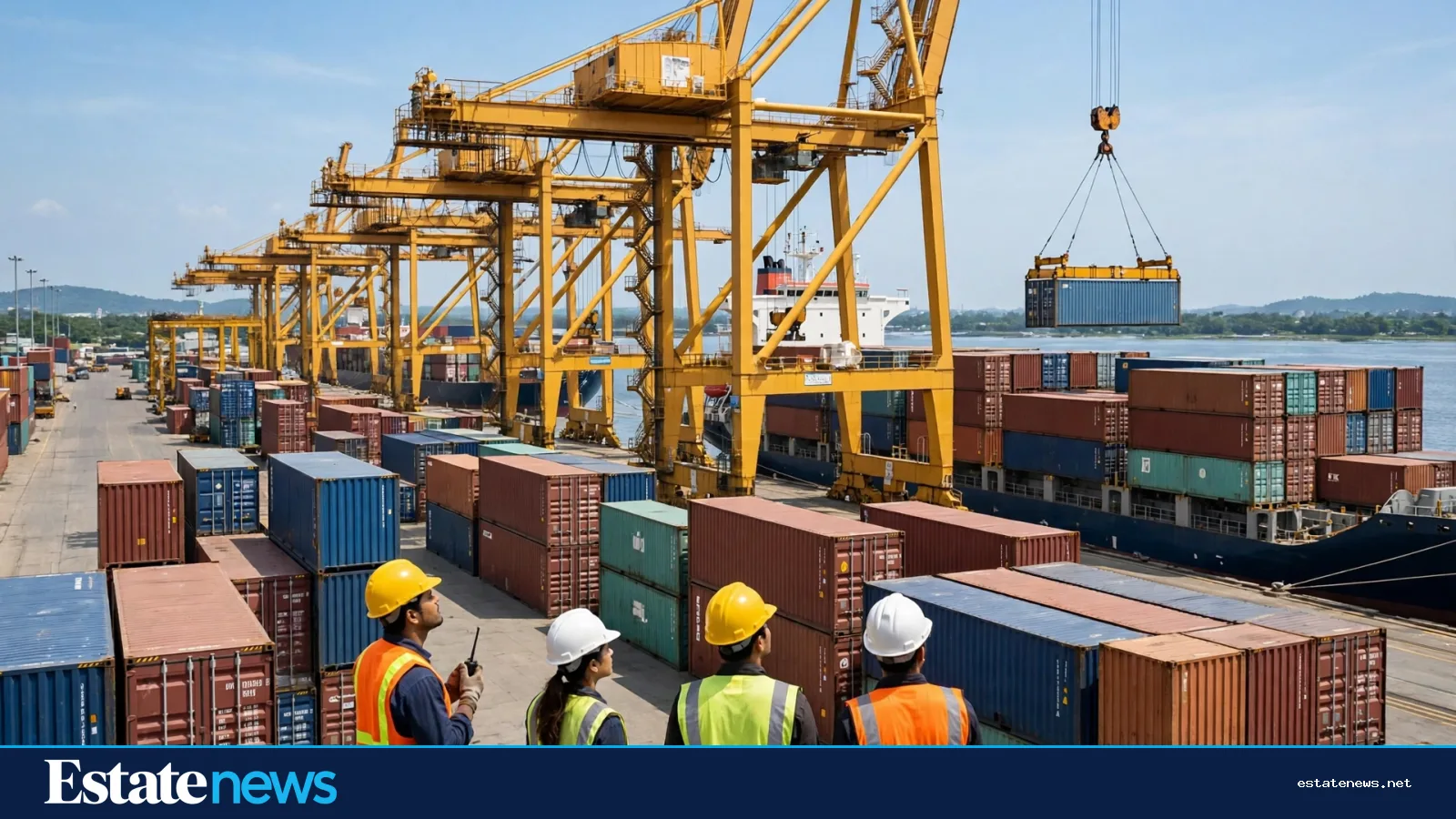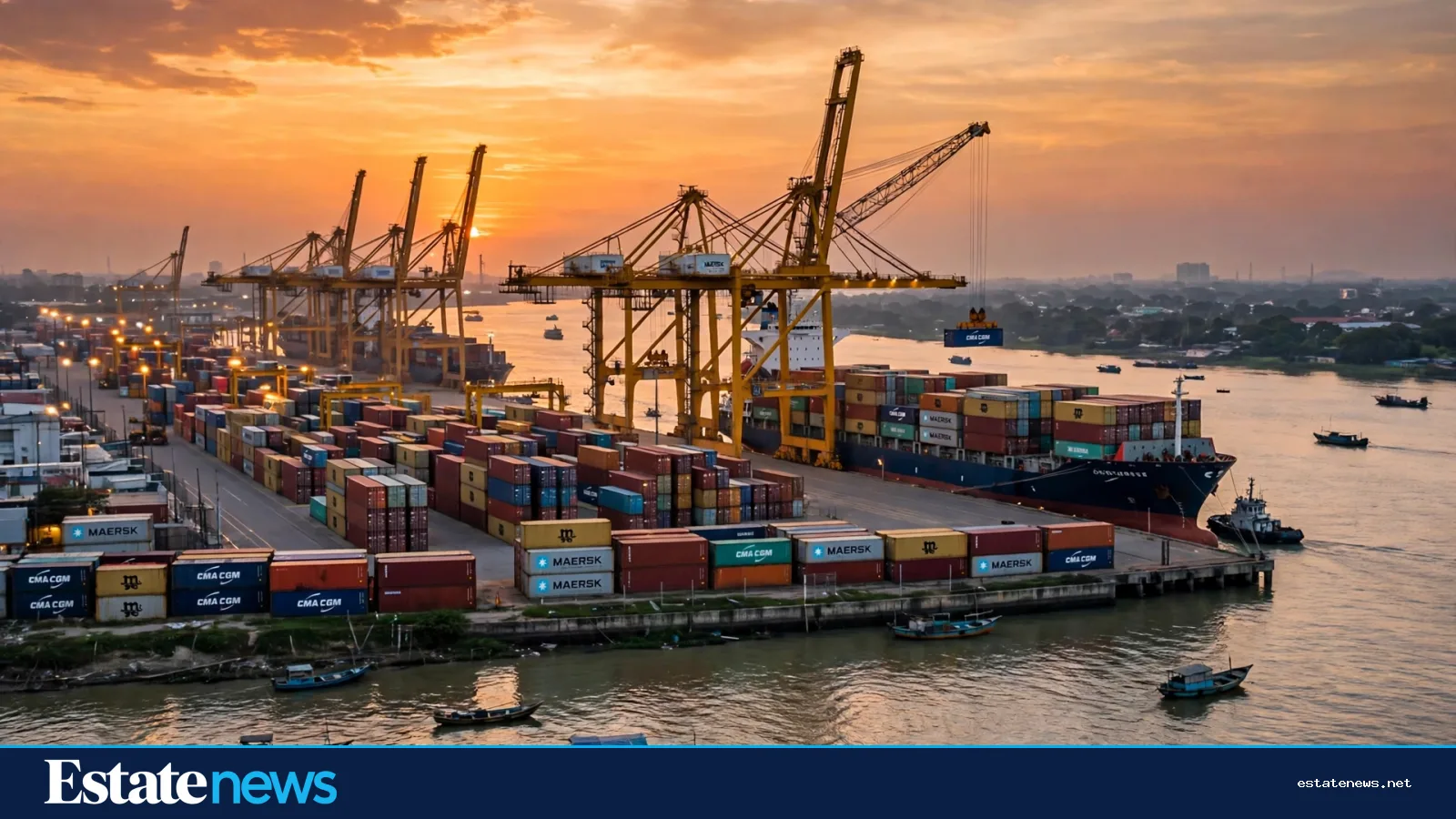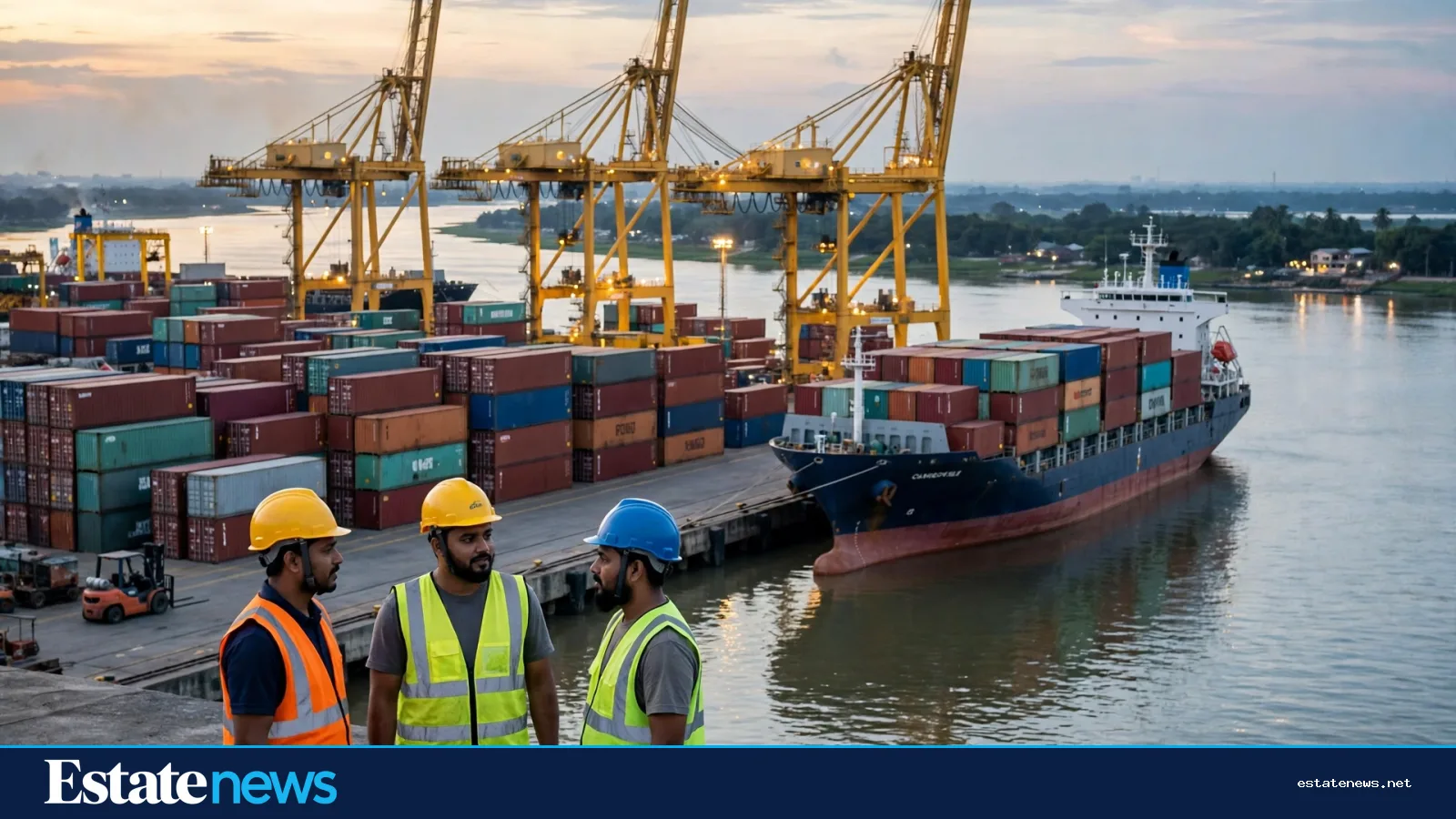
Chattogram port handles almost everything Bangladesh buys and sells. The boxes that leave its yards carry the garments that earn the country its foreign currency, and the boxes that arrive carry the machinery, cotton and fuel the factories run on. For years the port has worked close to its limits. Bay Terminal is the plan to give it room to grow, and the government has put a date on the next step: a concession agreement with PSA Singapore, signed by 30 April 2027.
The terminal would add capacity for about 5.0 million TEU a year, according to the Financial Express, on roughly 2,500 acres of reclaimed land near the existing port. The water beside it would be 12 to 14 metres deep, enough for the larger vessels that now pass Bangladesh by. A breakwater for the project carries World Bank funding of $650 million. Those are the numbers on the table. The rest is still a sequence of decisions.
Why the port needs the room

Chattogram is a river port that grew into a sea port. Its jetties sit along the Karnaphuli, and its yards fill up whenever trade picks up. Exporters know the rhythm well enough. A container booked on a Tuesday may wait for a berth, and a ship that cannot berth on time costs money in demurrage and missed sailing windows. The garment trade, which earned about $13.7 billion in the first four months of this financial year, depends on those windows. When the port slows, the factory floor feels it within days.
Bay Terminal would change the shape of that problem. Instead of squeezing more boxes through the same river jetties, it would put a deep-water terminal on the bay, where bigger ships can call directly. For a buyer in Dhaka weighing a flat near the port city, or a builder pricing a warehouse in Chattogram, the terminal is the kind of project that decides whether the city keeps growing as a trade hub or stalls at the water's edge.
The operators changing hands now


While the Bay Terminal concession is negotiated, the port's existing terminals are changing hands. DP World is to take over the New Mooring Container Terminal in March 2027, as Estate News reported in "Chattogram Port: DP World to Take Over New Mooring Container Terminal in March 2027", the site's best-ranking page on the port. That handover is the one readers have followed most closely, and it sets the pattern: a foreign operator, a fixed term, and a test of whether private management moves boxes faster than the port authority has.
This week brought another change. Everest Port Services took over operations at the Chattogram Container Terminal on 24 November, on a six-month contract worth Tk 30.15 crore, replacing Saif Powertec as the lowest responsive bidder, according to the Daily Star. The government is meanwhile considering appointing a foreign operator for the terminal. Estate News covered the handover in "Everest Takes the Wheel at Chattogram Container Terminal From Today". Two terminals, two different arrangements, both running while the Bay Terminal plan moves through its own timetable.
What investors are watching
The port is not only a trade story. Germany's ambassador to Bangladesh, Rüdiger Lotz, told the Daily Star on 24 November that Chattogram holds strong potential for German investors, pointing to its seaport, its economic and export processing zones and its young workforce. The comment matters because it names the three things an investor looks for in a port city: a way in, a place to make things, and people to hire. Bay Terminal would strengthen the first of the three. The zones and the workforce are already there.
None of this is certain yet. A concession target of 30 April 2027 is a date for a signature, not a date for the first ship. The dredging, the breakwater, the yards and the cranes all come after. What the date does is give the plan a shape that readers can follow: one decision at a time, with the next one due before the middle of next year. The port that Bangladesh still does not have, as Estate News set out in "The Deep-Sea Port Bangladesh Still Does Not Have", is the reason the terminal matters. Until it is built, every container that leaves Chattogram does so through a port working at the edge of its capacity.