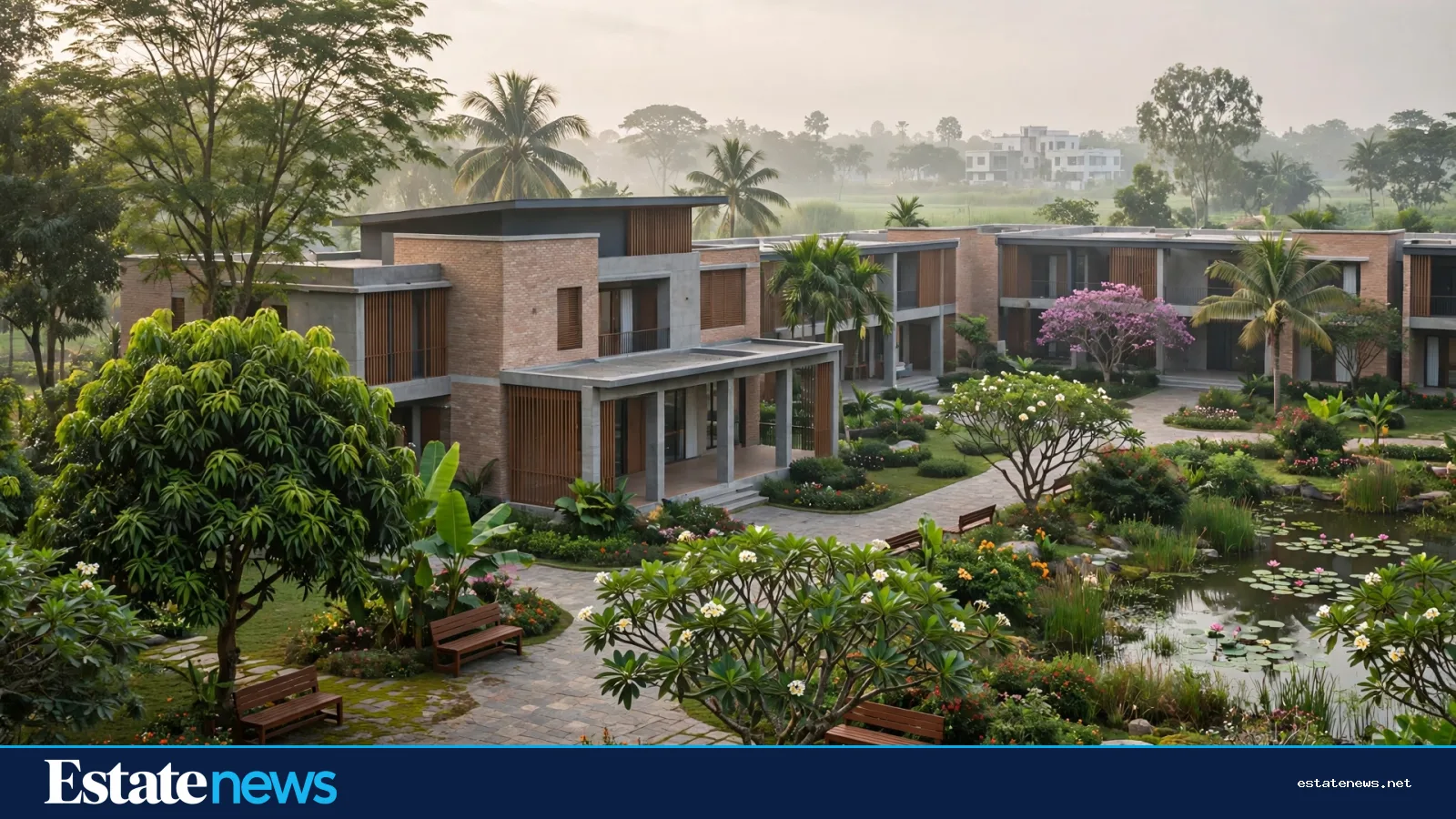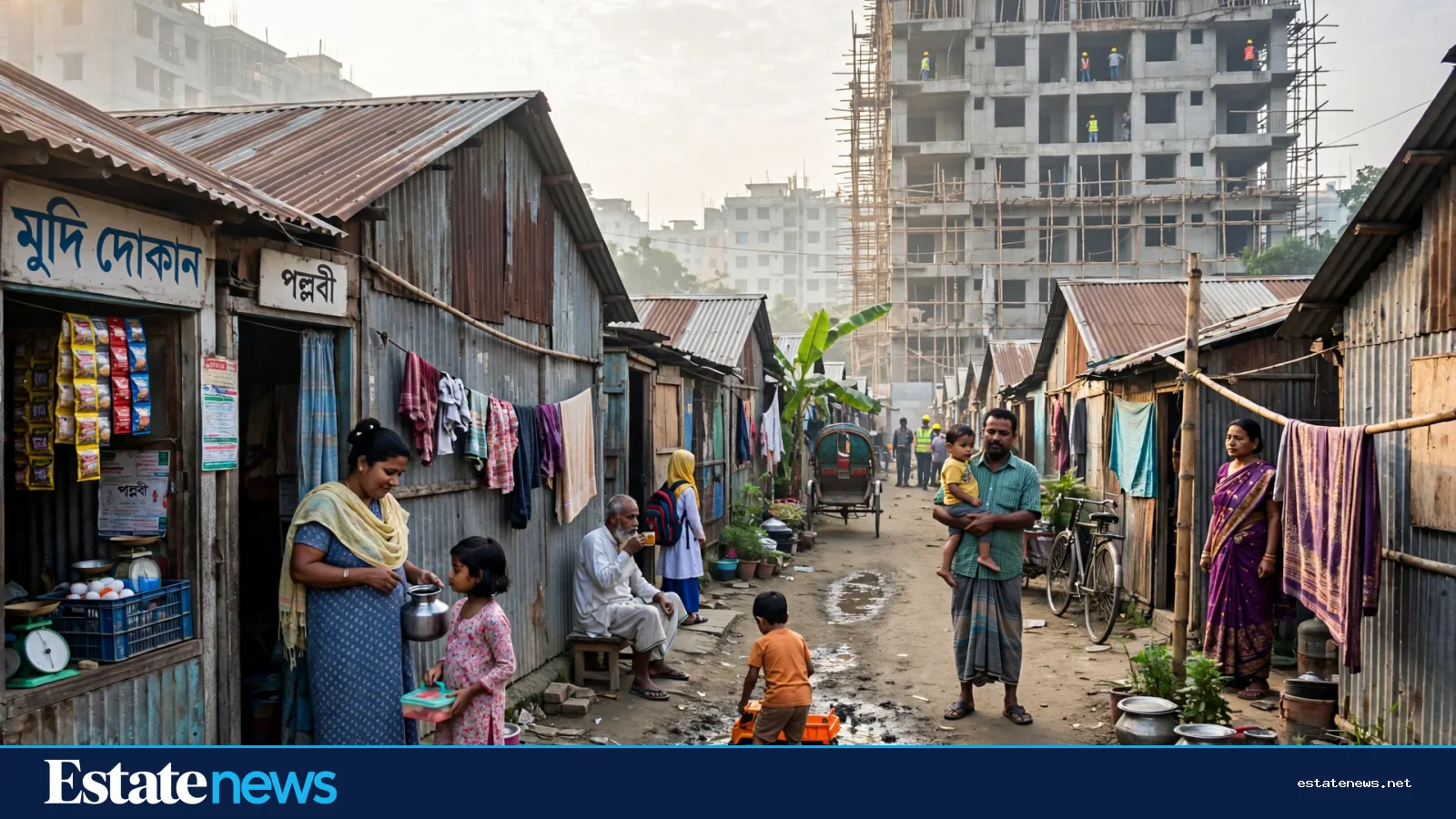
For the families living in the tin-roofed lanes of Baunia, the wait has been about a court order, not about bricks. On Tuesday, that order fell away. The Appellate Division of the Supreme Court stayed a High Court status-quo order, clearing all legal obstacles to measuring 8.20 acres of acquired land at Baunia in Pallabi and building 533 flats for slum dwellers there.
Judge-in-Chamber Justice Md Rezaul Haque passed the order after hearing a leave-to-appeal petition, according to The Business Standard. Attorney General Barrister Md Ruhul Quddus Kazal told reporters afterwards that no legal barriers remain to measuring the land, fixing its boundaries and implementing the project.
The land, and the case that held it up

The government acquired the 8.20 acres in Baunia mouza to rehabilitate slum dwellers, and the National Housing Authority moved to clear illegal structures from the site. A writ petition challenging that move led the High Court to issue a status-quo order on 20 May, which halted the measurement of the land. The government then filed a leave-to-appeal petition against that order, and Tuesday's stay by the Appellate Division is the answer to it.


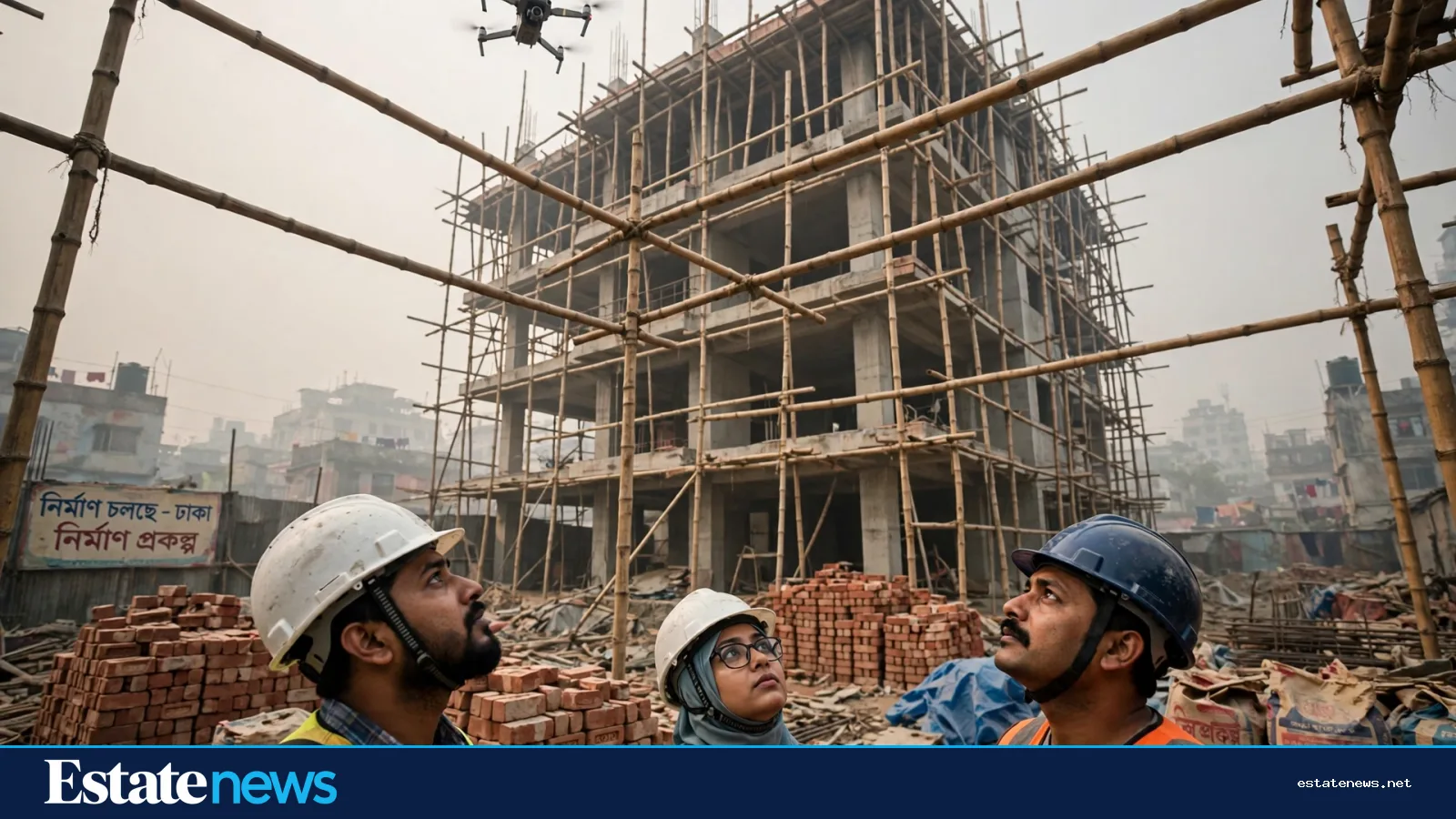
The sequence matters because it shows where the project actually stands. The land is acquired. The court has now cleared the measurement. What comes next is the survey itself, then boundary fixing, then construction. Measurement is the unglamorous part of the project. Surveyors walk the 8.20 acres, fix the boundary pillars and draw the map the builders will work from. Until that map exists, no foundation can be laid, which is why a stay order on measurement was a stay order on the whole project. None of that has a published date yet, and the families waiting should read Tuesday's order for what it is: the legal road is open, and the building work still has to begin.
What happens next for the 533 families
A flat in this project is a different kind of housing from the rented rooms most Baunia families know. It means a registered address, a roof that does not leak in the monsoon, and a home that cannot be taken away by the next eviction drive. That is why 533 flats matter more than the number suggests. Each one is a family moving from a settlement that the city treats as temporary to a home the state has built for them.
The test now is speed. Court orders do not pour concrete, and a project that has already spent months in litigation needs a visible start: surveyors on the ground, boundary pillars going in, and a construction schedule the public can see. Estate News has followed the port and the infrastructure that decides where Dhaka's housing goes, in "Chattogram Port: DP World to Take Over New Mooring Terminal in March 2027" and "The Deep-Sea Port Bangladesh Still Does Not Have", and the metro line redrawing the city's map in "MRT Line-1: The Underground Metro Redrawing Dhaka's Map". The Baunia flats belong in the same story. A city that can clear a court case in a day should be able to show a building site just as fast, and the families of Baunia will be watching for the first surveyors.