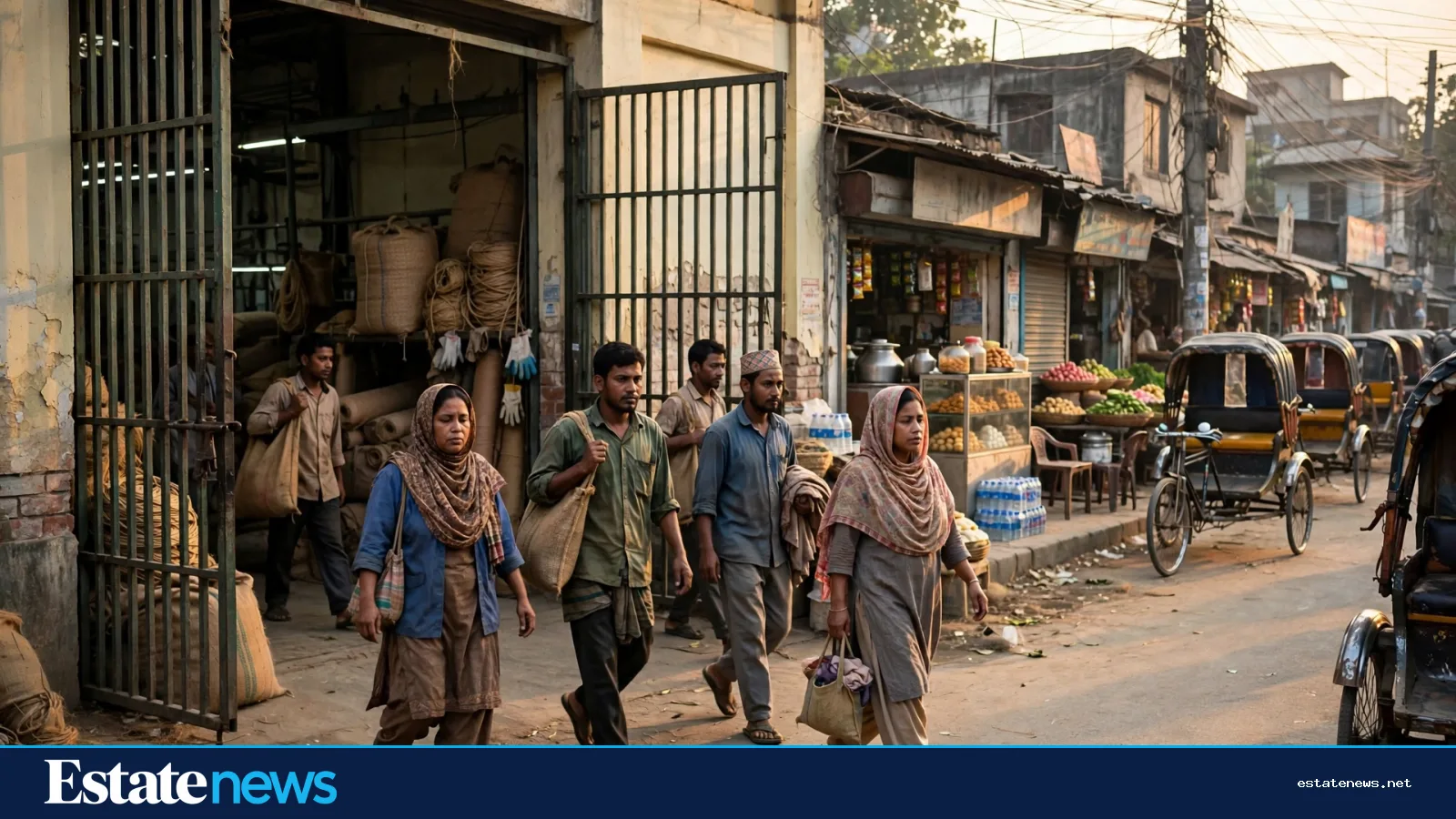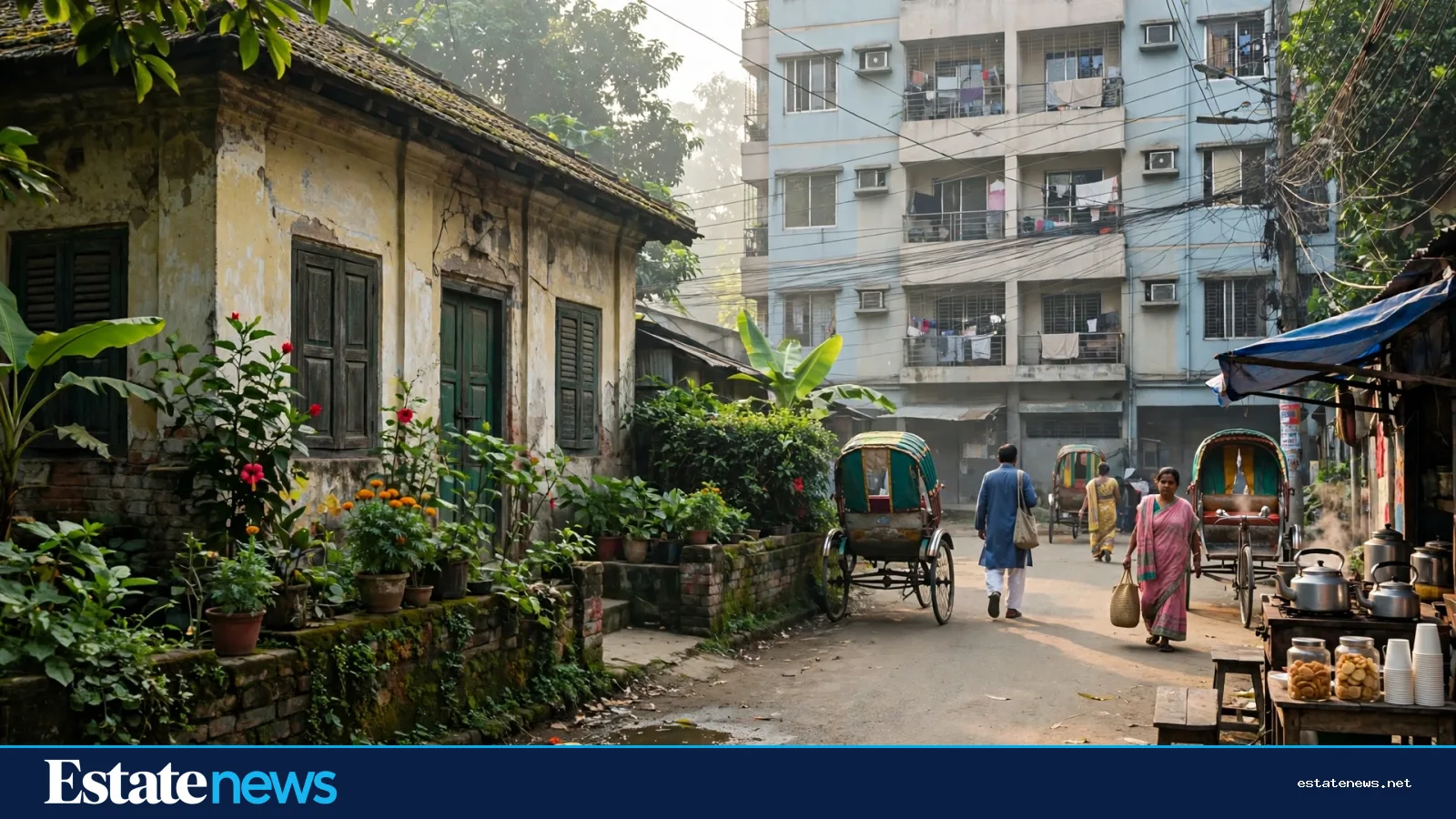
Morning in Wari starts without hurry. A rickshaw bell rings on Rankin Street. A tea stall sets out its cups. A woman in a sari walks to the market past a low house whose garden still holds marigolds, and past the new apartment block next door, where laundry hangs from a fifth-floor grill. A stranger who walks slowly notices something unusual for Old Dhaka: the streets run straight, they cross at right angles, and they are wider than the lanes a few minutes away.
That grid is the whole story, or at least its beginning. Wari was Dhaka's first planned residential area, laid out in the 1880s for government officials. Prothom Alo reported that 701 acres were acquired in 1880, fourteen years after Dhaka Municipality was established, and that the area was developed as a planned township between 1884 and the following five years. Plots were originally one bigha each, with some as large as two bighas, and the roads were set out 30 feet wide, north to south and east to west, in a lattice. Streets took the names of British officials of the time: Rankin Street, Larmini Street, Ware Street and Hare Street, alongside local names such as Nawab Street. The residents, Prothom Alo noted, were mostly university teachers, poets, writers, physicians, engineers and cultural activists, and the houses were one or two storeys, with gardens of flower beds and vegetable patches.
Wari's thesis is simple: a good street plan outlives the houses built on it.

A prestige address, built on paper first
Most of Old Dhaka grew lane by lane, house by house, with no single hand drawing the whole. Wari was drawn first. That order gave it plots of a known size, roads wide enough for two rickshaws to pass, and a pattern a newcomer could learn in a day. In the 1930s, Pratibha Bose, wife of writer Buddhadeva Bose, described Wari in her memoir as the most decent area in Dhaka, where residents were highly educated and active in cultural events, according to The Business Standard's account. Her family had moved there because neighbours elsewhere objected to her singing practice, while in Wari homes were filled with music and dance practice in the evening.
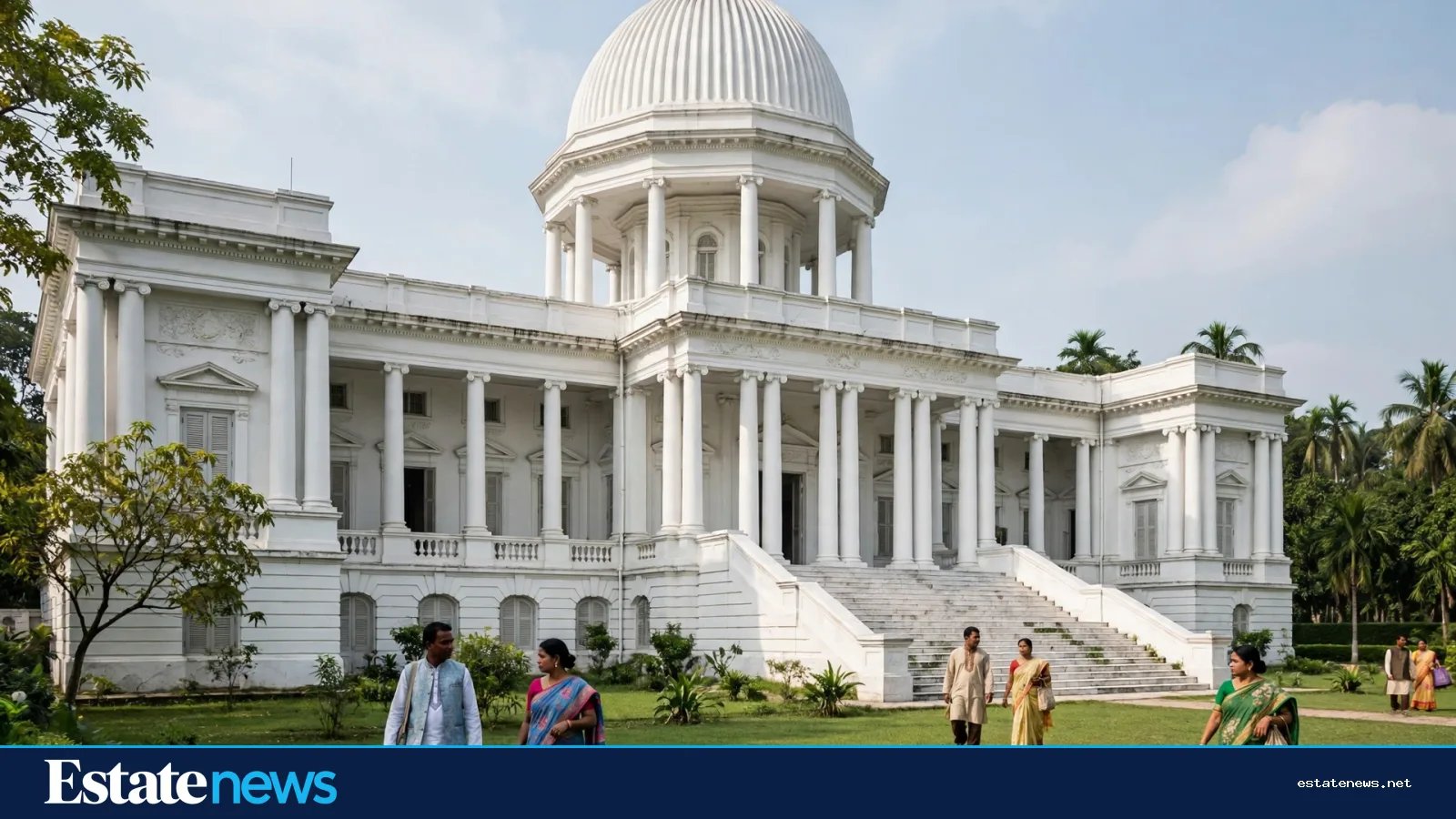
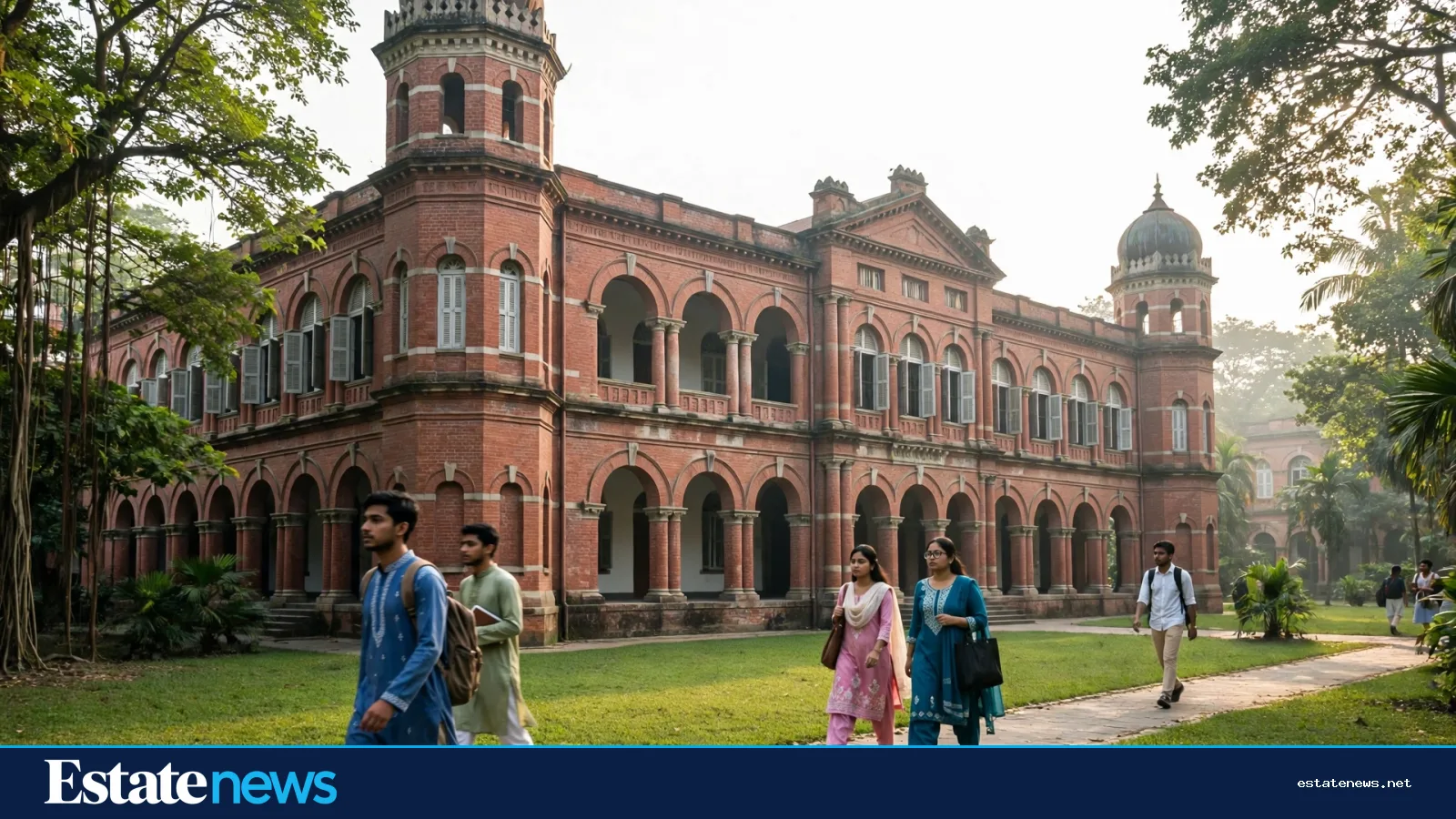
The names attached to Wari give that prestige a human shape. Nobel laureate Amartya Sen grew up in a house in Larmini Street. Justice Debesh Chandra Bhattacharya lived in the area. The physician Bhobesh Chandra Nandi lived at 37 Rankin Street, a two-bigha plot later divided into two holdings. The red-brick palace of the Dhala zamindar on Rankin Street later became a textbook board building after the 1965 Pakistan-India war. Baldha Garden forms an eastern edge of the area, and the old Christian cemetery lies nearby. None of this makes Wari a museum. It makes it a place where ordinary streets carry an unusual density of Dhaka's intellectual history.
Historians disagree about the name itself. Many people say Wari was named after Frederick Wyre, Dhaka's district collector. Historian Hashem Sufi has argued the name existed long before him, from the Mughal period, when soldiers lived here in tents, with Wari derived from the Persian word for tent. A neighbourhood that cannot agree on its own name has at least kept people arguing about it.
What the grid still gives residents
Walk Wari today and the grid does quiet work. A visitor can find Rankin Street without a guide, because it runs from near Joykali Mandir Road in the north to Tipu Sultan Road in the south. A resident can describe a meeting point by a crossing, not by a landmark that may have been demolished last year. Delivery vans and school runs have a little more room than in the tightest Old Dhaka lanes. The present-day area, Prothom Alo reported, mainly comprises Tipu Sultan Road's northern section, Rankin Street, Larmini Street, Nawab Street, Hare Street, Ware Street, Juginagar Lane and Joykali Mandir Road, under Ward 41 of Dhaka South City Corporation.
That readability is a housing asset. In much of Dhaka's newer growth, a flat's address is a project name, a block letter and a floor number. In Wari, the address is a street that has held its name for more than a century. For newcomers, that is a practical comfort: the place can be found and navigated without local knowledge.
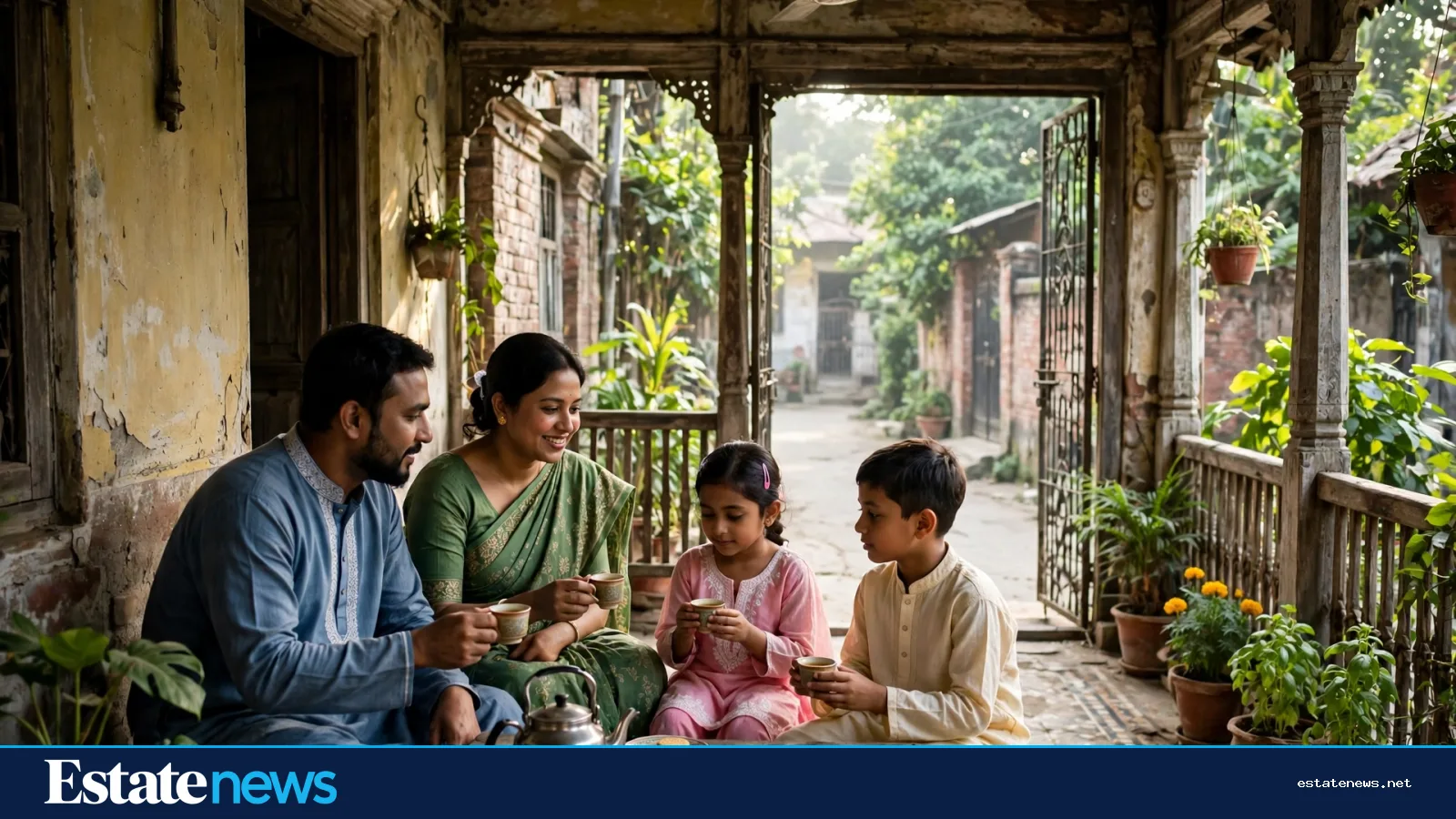


The houses are thinning, and that is the argument
The harder part of Wari's story is what has happened to its houses. The Business Standard, visiting the area, found few families who had lived there for generations still in place, and reported that many Hindu families migrated to India, especially after Partition, while many Muslim families relocated elsewhere as Dhaka expanded. The Daily Star, in an older heritage account, described Wari losing its old houses to a high-rise scramble. Prothom Alo's recent visit found the same pattern at house level: the two-bigha property at 37 Rankin Street, once a single house known as Dr Nandi's house, now stands divided into two holdings.
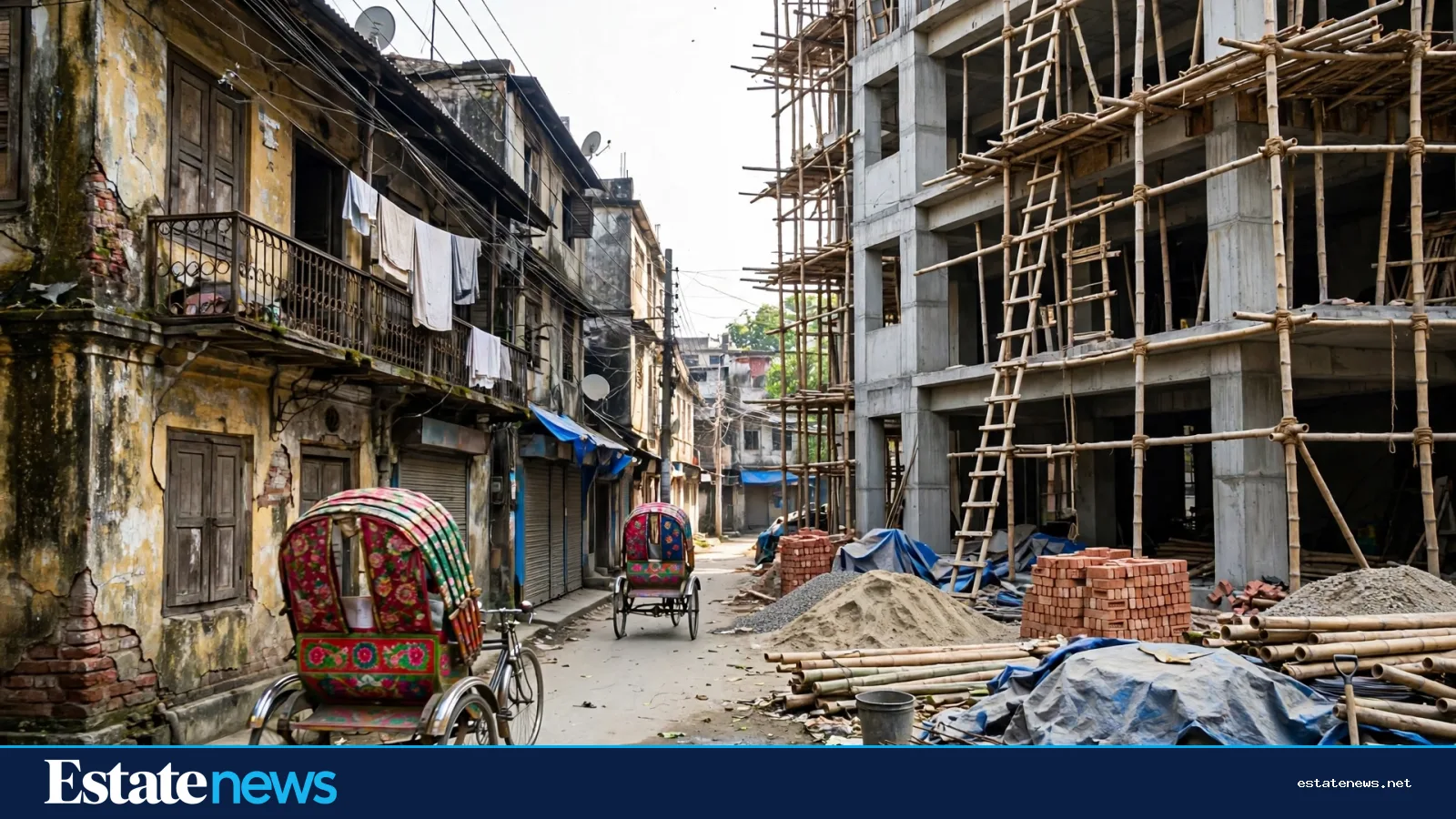
This is where Wari stops being a heritage postcard and becomes a housing question. A one-bigha plot with a single house and a garden, divided among heirs or sold to a developer, becomes several flats, or a mid-rise block. The family gains money or rooms. The street loses a garden and a piece of its old scale. Neither outcome is simply good or bad. A city that cannot build new homes in its old areas will push everyone to its edges. A city that rebuilds its old areas without keeping any of their fabric will lose the very thing that made those areas worth living in.
Wari's current mix reflects that tension. Low houses with gardens stand beside apartment blocks. A buyer looking here today is choosing a specific building on a specific street, and the questions are concrete: how old is the building, how is it managed, where does water come from, how does the lane drain in the monsoon, and how far is the nearest school, market and hospital on foot. Wari sits on relatively high ground in Old Dhaka, a point older accounts note, but a single plot's drainage and a building's upkeep still need checking on the spot.
Why the plan deserves a second life
There is a case for Wari beyond nostalgia. It shows that a simple grid, generous plots and wide streets can hold a neighbourhood together for 140 years, through Partition, through the growth of a capital, through the change from single houses to flats. Newer planned areas often fail earlier, because their roads are drawn but not built, their plots are sold before services arrive, or their open ground is quietly converted. Wari's plan survived because it was built, lived in, and given time to become ordinary.
That suggests a practical standard for any new neighbourhood. Ask whether the street pattern can be drawn from memory after one walk. Ask whether the plots leave room for light and air between buildings. Ask whether a garden, a market and a school sit within walking distance, as Baldha Garden and Wari's surroundings do. A project that cannot answer those questions is not following Wari's example, whatever its brochure claims.
An evening test
Return to Rankin Street in the evening, and Wari's future looks less like a verdict than a negotiation. The tea stall is still there. The new block's lights come on. An old house's gate stands beside a construction hoarding. Some old houses will go, because families divide, because maintenance costs rise, because a developer offers a price that solves several problems at once. Some will stay, because their owners value the garden and the street they know over a flat elsewhere.
Wari will not return to being the most prestigious address in Dhaka. That title moved long ago, to Gulshan, Banani and the planned townships of the north. What Wari can still be is something rarer: a neighbourhood whose plan proves, every day, that Dhaka once knew how to lay out a residential area properly, and whose residents get to decide how much of that plan survives the next round of building. Walk its grid slowly, from Joykali Mandir Road to Tipu Sultan Road, and the place explains itself. The streets are straight. The history is close. The argument about what comes next is still open, and it is being held on the streets themselves.