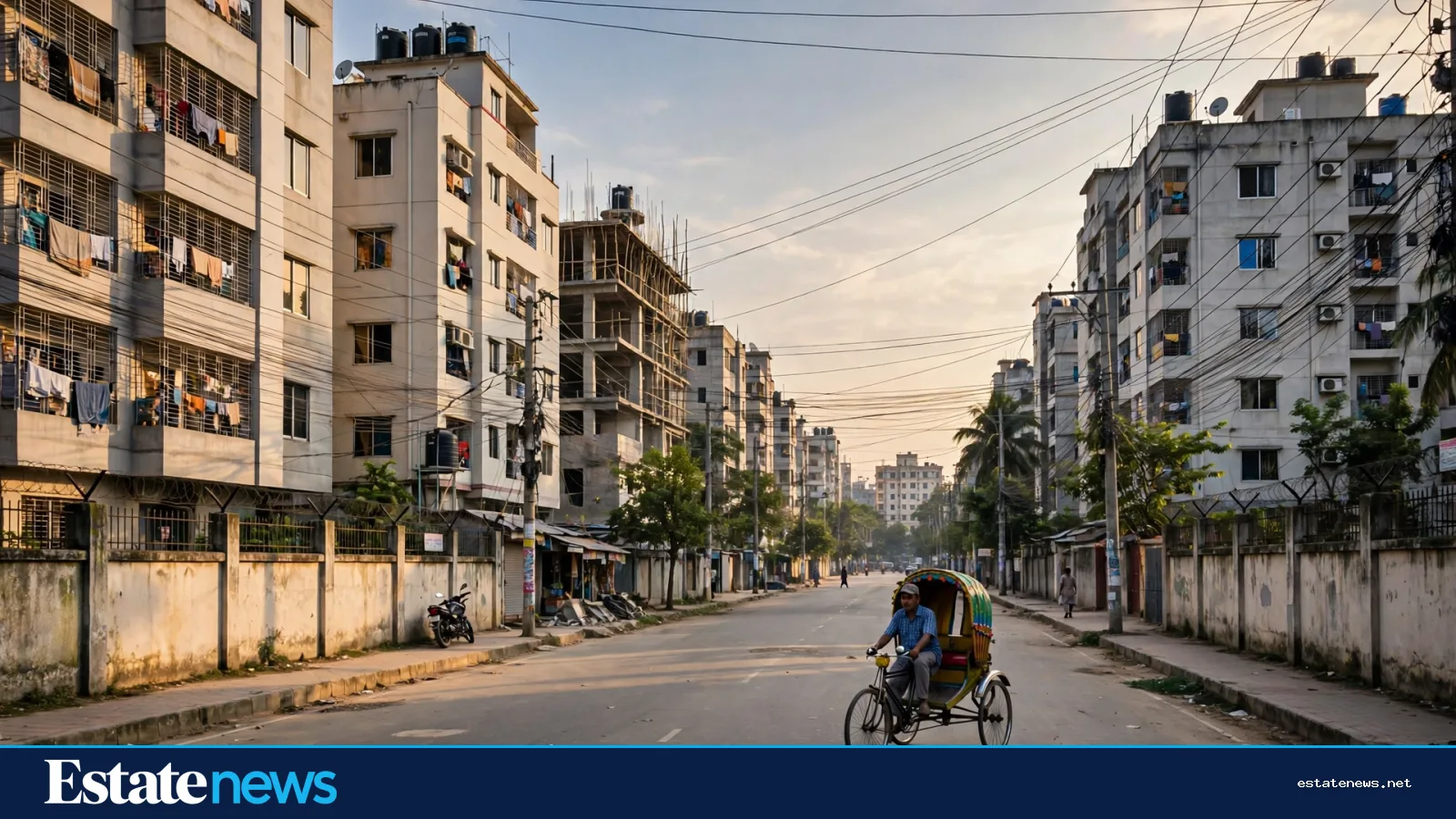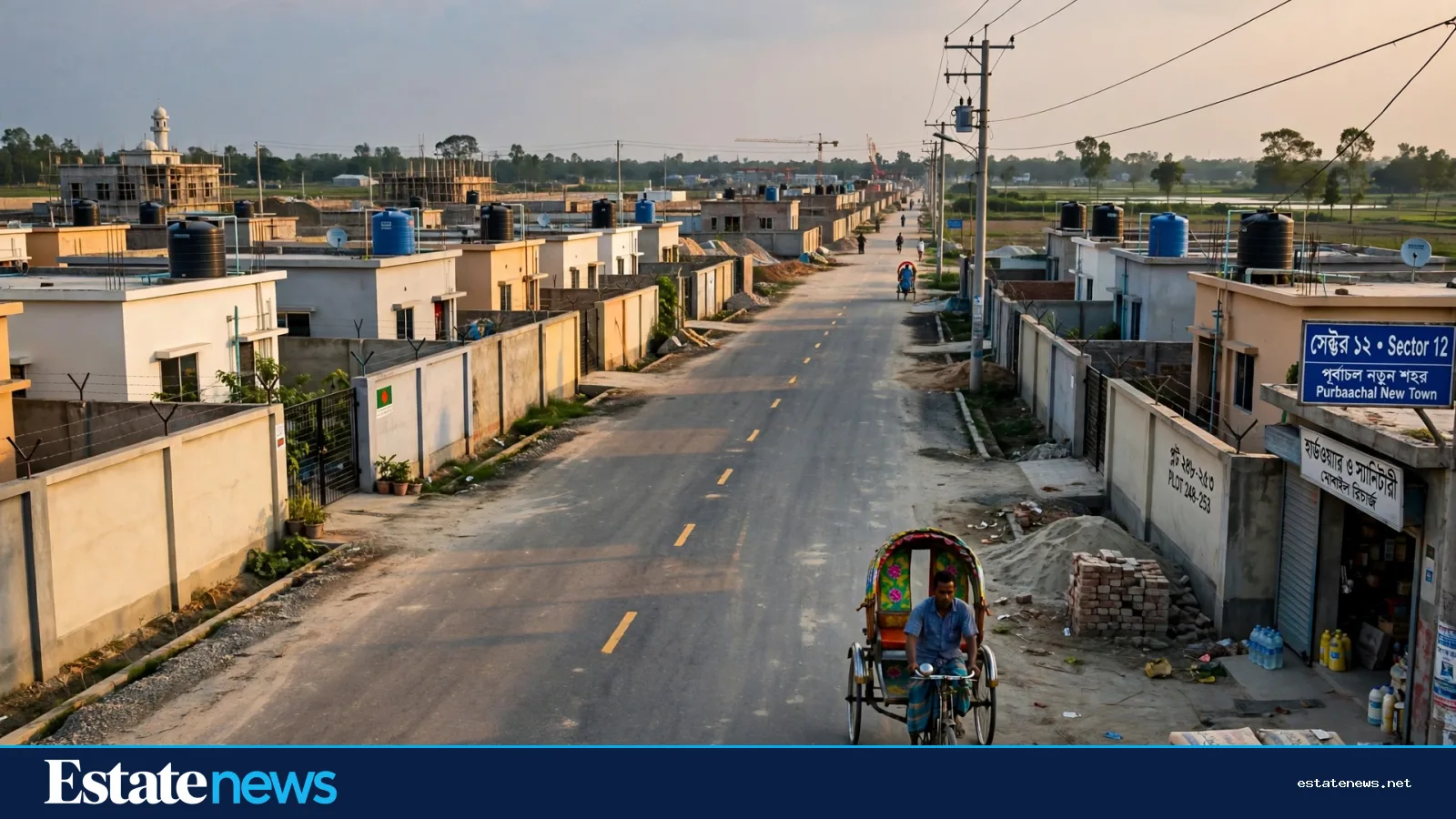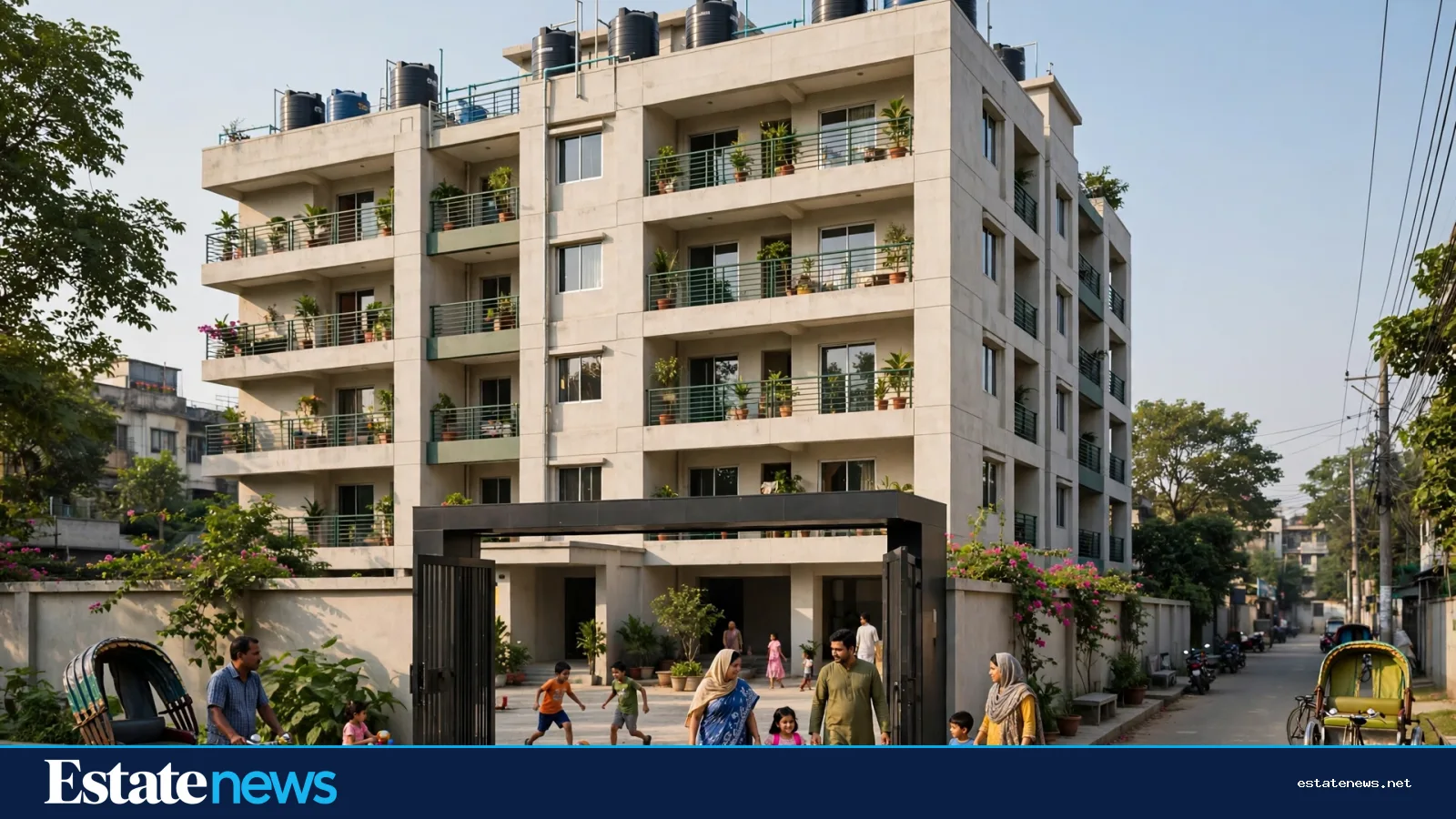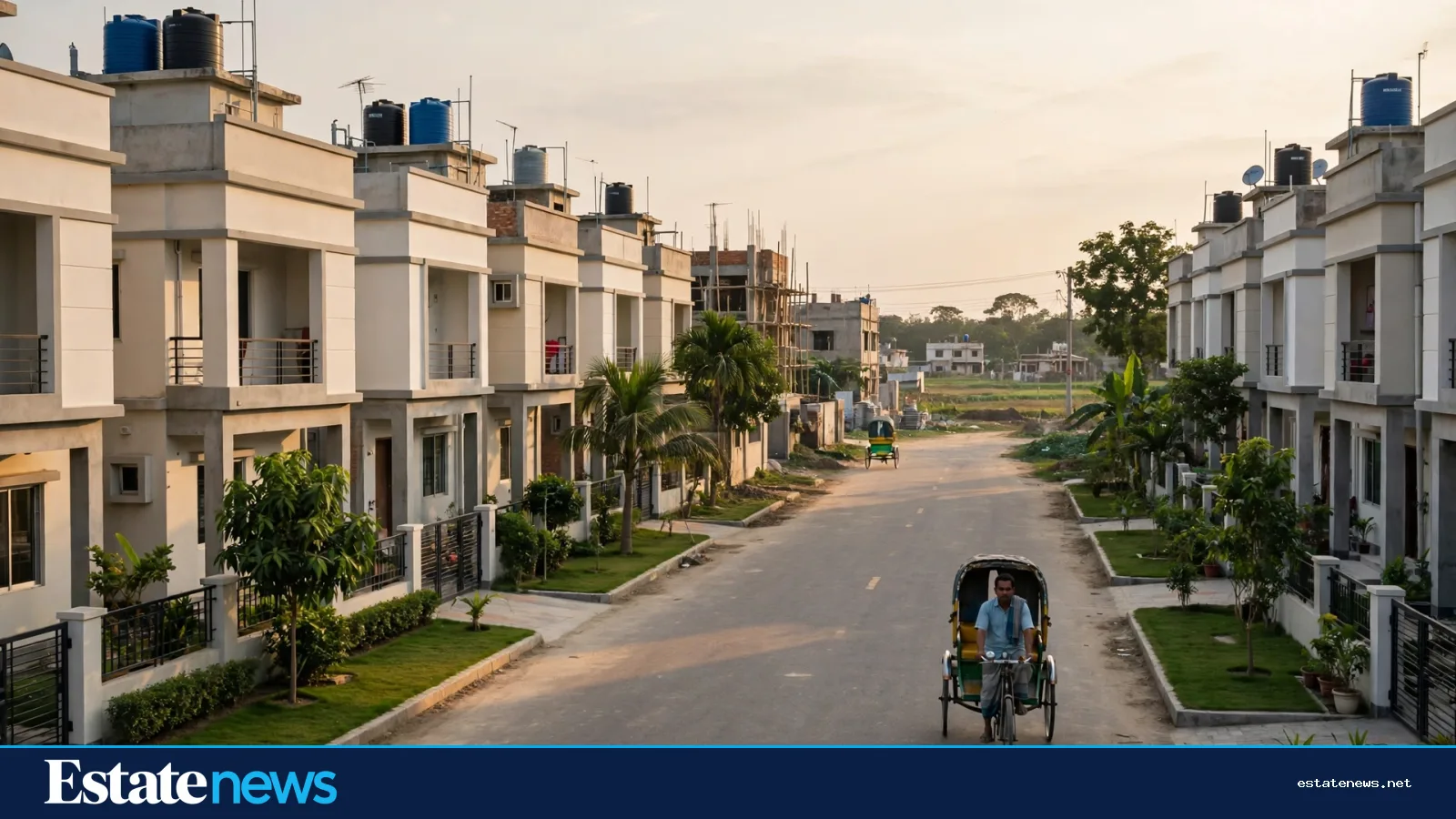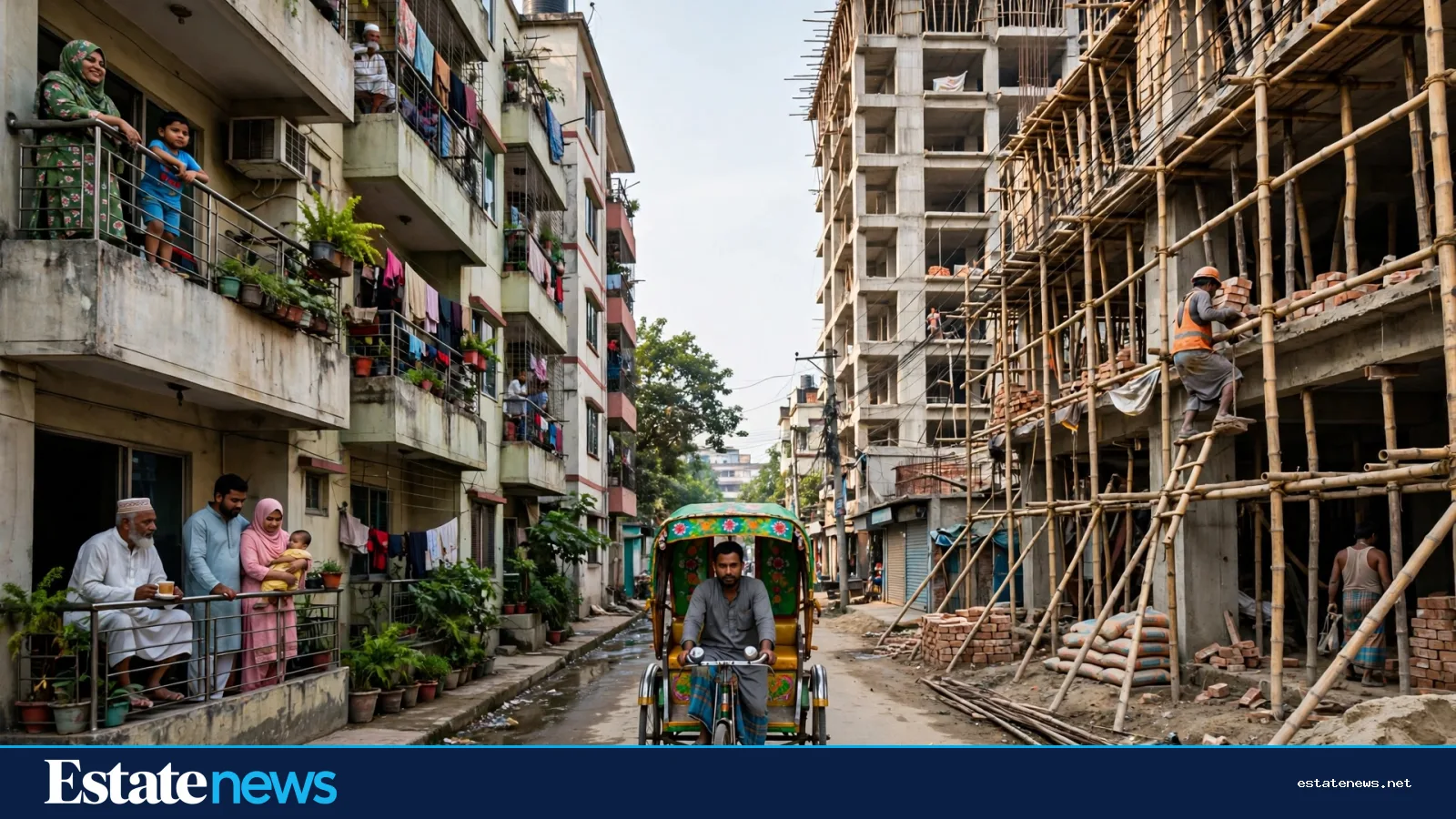
Every flat buyer in Dhaka faces the same fork in the road. On one side stands a finished building, its windows lit, its residents already living there. On the other stands a tower half up, bamboo scaffolding on its face, its completion date written in an agreement rather than in concrete. The ready flat costs more and shows you exactly what you get. The under-construction flat costs less and asks you to trust the builder. Neither choice is wrong. Each one suits a different buyer, and each one carries a different kind of risk.
The ready flat has one advantage that no brochure can match. You can walk into it. You can open the taps, look out of the windows at noon, listen to the street at night, and knock on a neighbour's door to ask how the water supply behaves in summer. The building has already been through its approvals, its handover and its first season of living. What you see is, for the most part, what you buy.
What a ready flat proves

A finished flat proves three things without a word from the seller. First, the approvals exist, because the building stands and people live in it. Second, the construction is done, so there is no waiting for a handover that may slip. Third, the flat itself can be inspected: the size of the rooms, the quality of the fittings, the light in the afternoon, the sound from the road outside. A buyer who has been burned by a delayed project will pay for that certainty, and the market knows it. Ready flats in Dhaka generally command a premium over flats still being built.
The premium is not the only cost. A ready flat may need work. The fittings may be older, the paint may be tired, and the previous owner's choices may not be yours. The building's service charge is already set, and the lift, the generator and the water pump already have a maintenance history. Ask for it. A building that looks fine from the street can carry a lift that breaks down every month, and the residents will tell you that before the seller does.
What an under-construction flat demands
An under-construction flat demands something different: trust, verified. The buyer is paying for a promise, and the promise is only as good as the developer behind it. Before booking, check the developer's record the way a bank would. How many projects has it finished, and how many were handed over on the date in the agreement? Visit one of its completed buildings and talk to the residents. A developer with a clean record will not mind the question.


The agreement is the second check. It should name the handover date, the flat's exact size, the fittings included, and what happens if the date slips. Read it in full, and have a lawyer read it too. Estate News sets out the warning signs in "Five Red Flags to Spot in a Flat Purchase Agreement", and the developer checks in "Before You Book a Flat, Check the Developer: Five Verifications That Matter". Both pieces belong on the desk before any booking money changes hands.
There is also the question of approvals. A project under construction should hold a RAJUK approval for the building as designed. Ask for the approval number and check it. A project that started without one, or that has changed its design after approval, is a project that can stall at the worst possible moment.
How to choose between them
The choice comes down to three questions. How soon do you need to move in? A ready flat answers that question today. An under-construction flat answers it on a date in an agreement, and that date can move. How much risk can you carry? A ready flat carries the risk of what you can see. An under-construction flat carries the risk of what you cannot. And how much do you trust this particular developer? That last question is the one that decides most purchases, and it is the one buyers spend the least time on.
There is a middle path that many buyers take. They book an under-construction flat from a developer whose completed buildings they have visited, in an area whose prices they have tracked. Estate News tracks what flats actually ask across the city in "Flat Price in Dhaka: What a Flat Costs Area by Area in 2026", and the spread between areas tells its own story about where the safer bets sit. A buyer who knows the area, the developer and the agreement is not gambling. A buyer who knows none of the three is.
The ready flat and the under-construction flat are not two versions of the same purchase. One is a purchase of a home you can touch. The other is a purchase of a promise, priced for the wait. Buy the one that fits your timeline, your budget and your tolerance for waiting, and check the paper before you check the paint.