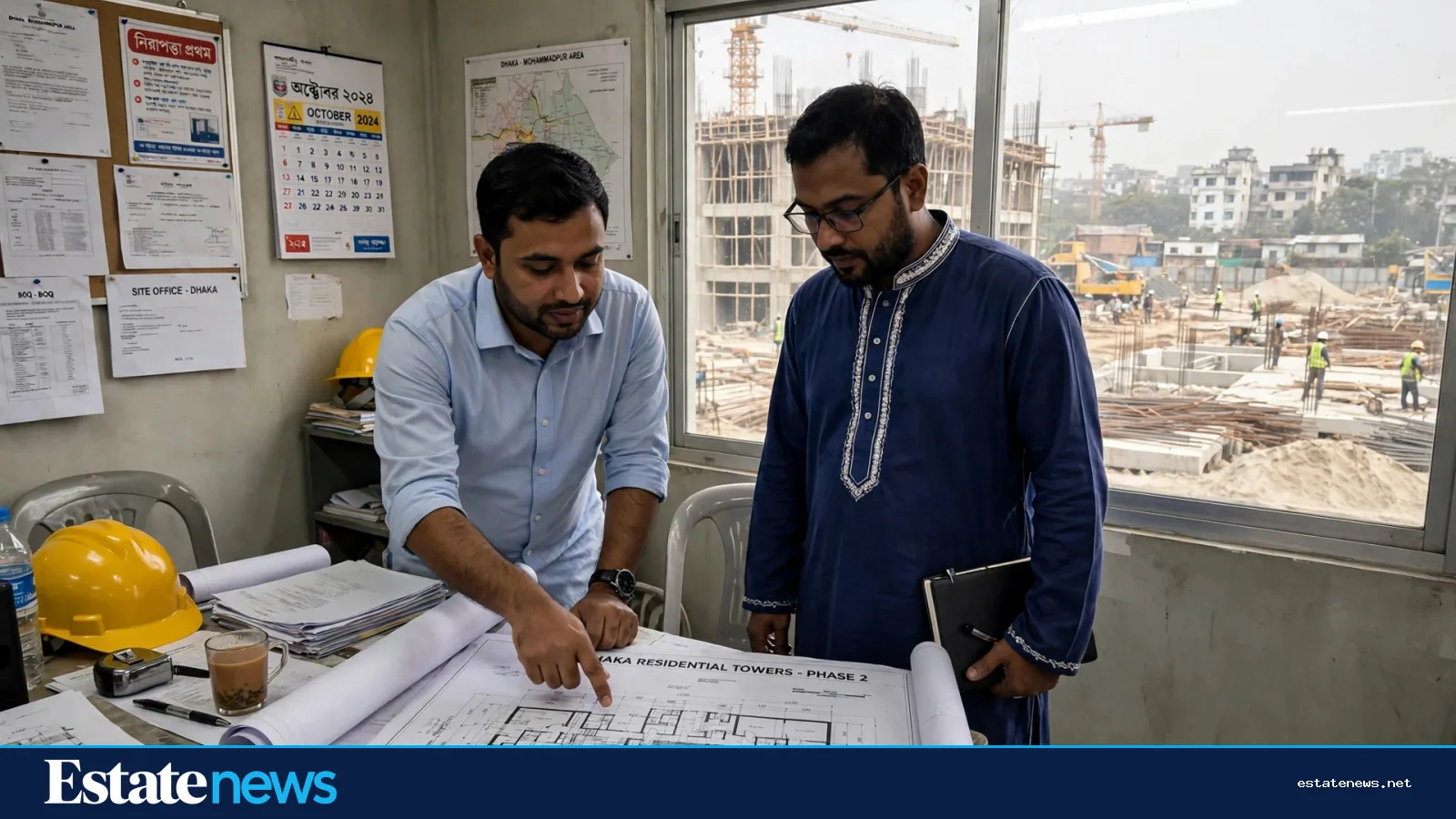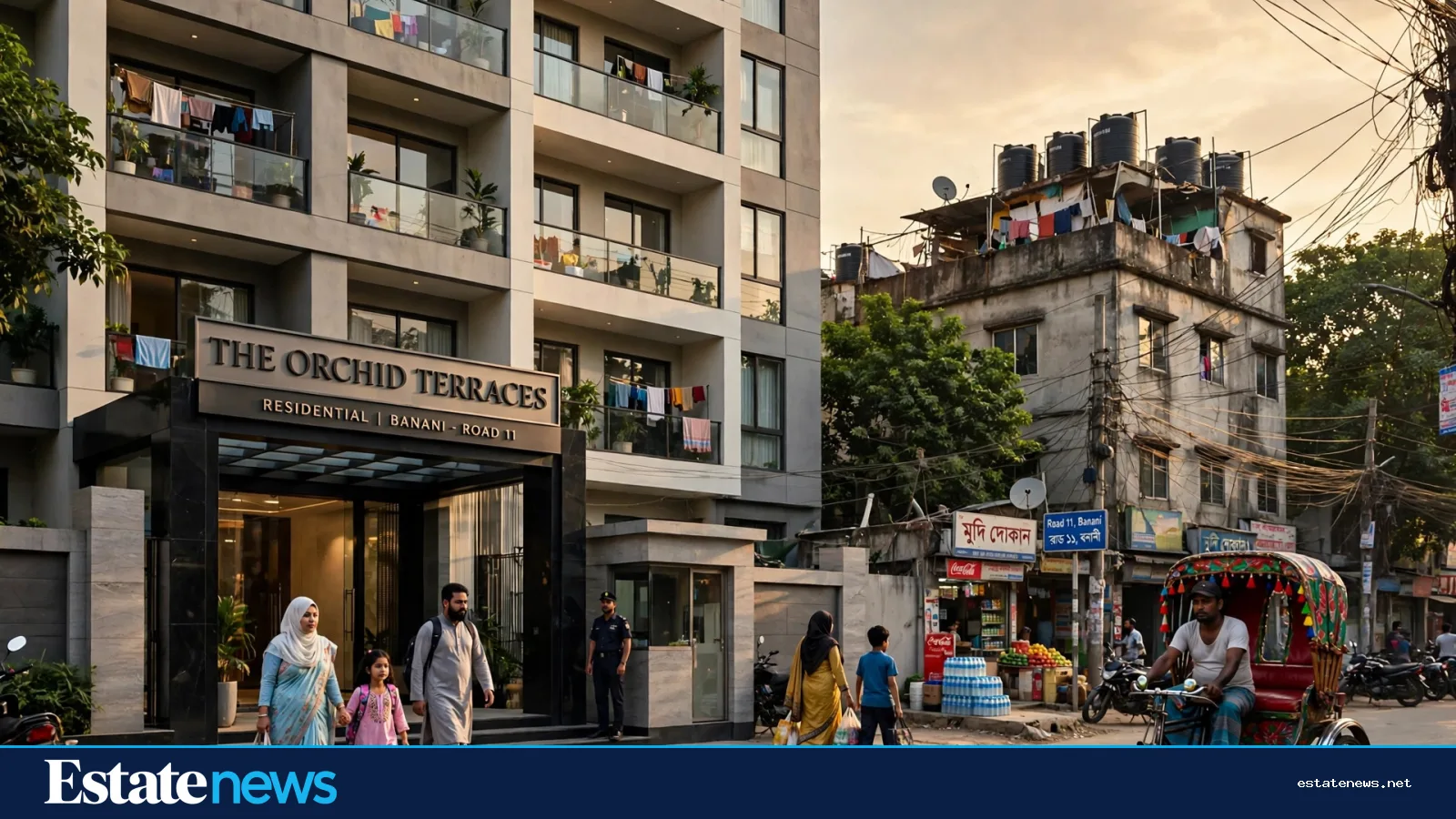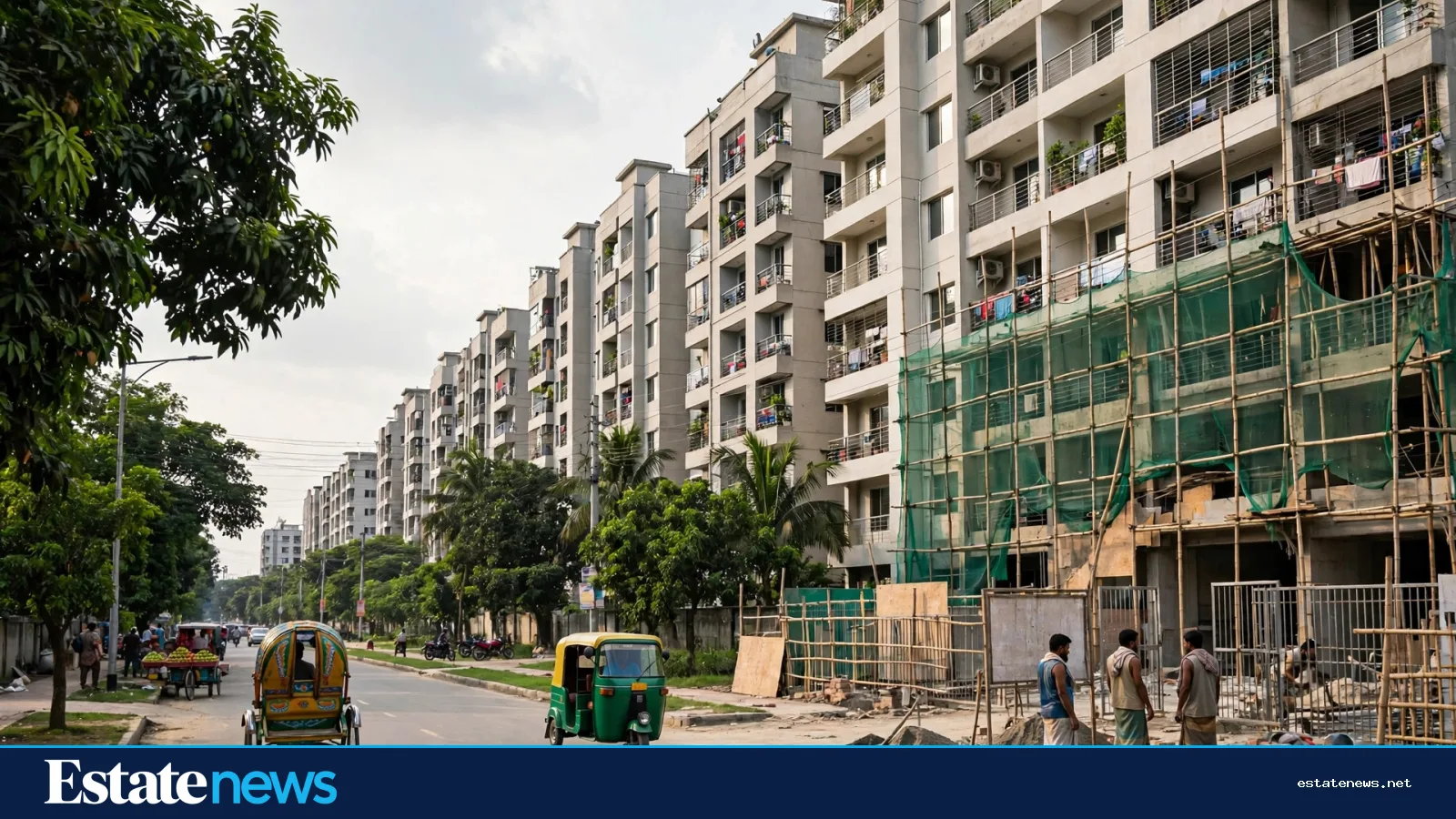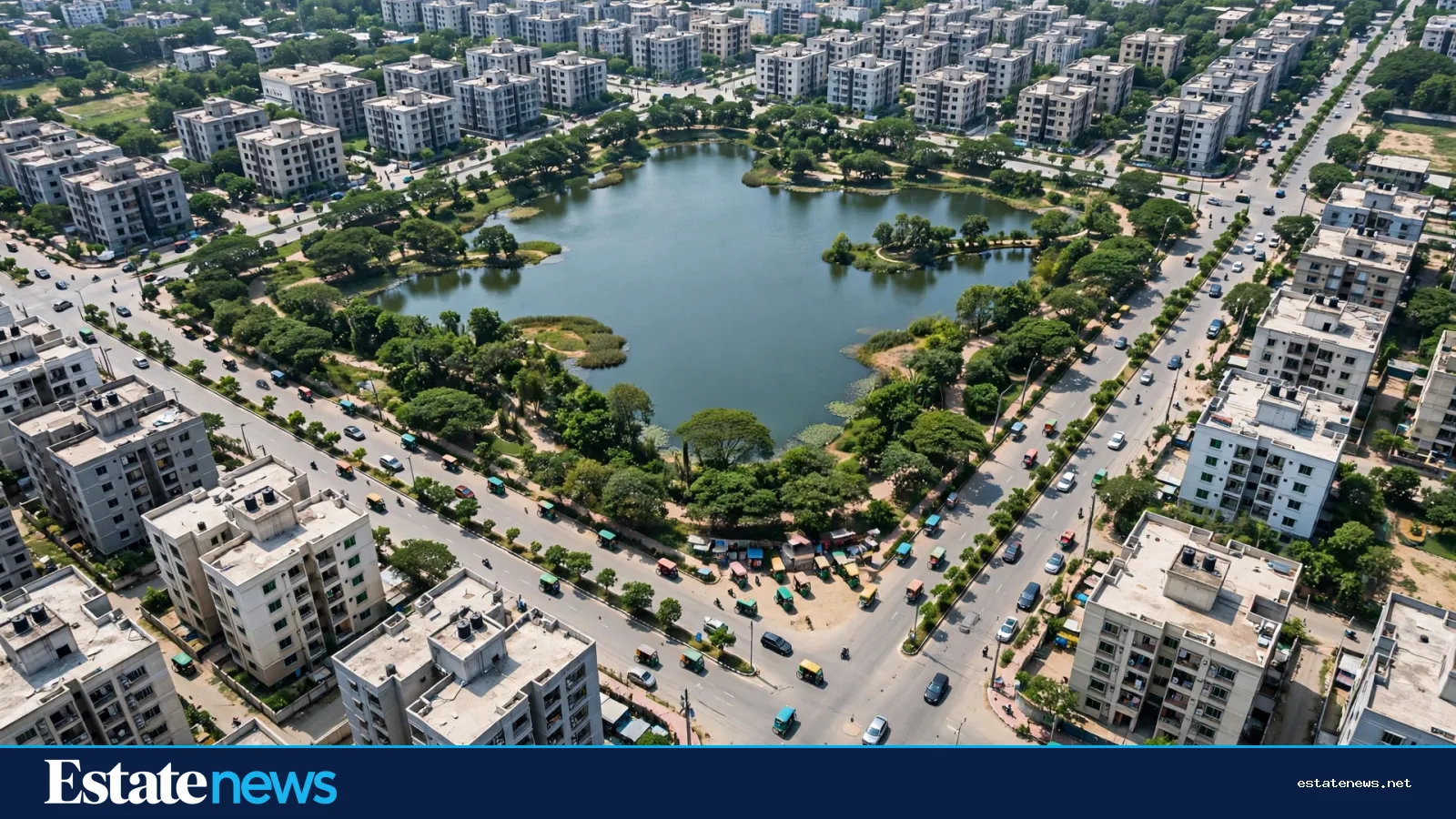
Some builders in Dhaka are known for one neighbourhood. The Structural Engineers Ltd, known as SEL, is known for a map. The company's projects run from Dhaka to Savar, Cumilla, Chattogram and Khulna, and the count, according to company figures, is more than 230 delivered projects, with 35 apartment and commercial projects ongoing. Few Bangladeshi builders can point to that spread.
The name itself gives away the firm's roots. SEL began as engineers, and the structural side of the name still describes how the company presents itself: a builder that treats the frame of a building as the work, not as a cost to be trimmed. That is an easy claim to make and a hard one to check from outside, but the geography is checkable. A firm that has delivered buildings in five cities has survived five different land markets, five sets of local approvals, and five kinds of buyer. Builders that cut corners do not usually last that long in that many places.
SEL was a co-sponsor of the REHAB Fair 2025, the industry's main showcase, which is where most Dhaka buyers first meet the big developers. A fair stall is a small thing on its own. It matters because it puts a builder in the room with the companies it competes against, and because buyers use the fair to compare. The company's website is sel.com.bd, and its project list there is the place to check any specific building before believing a broker's description of it.

What 230 projects actually means
A number like 230 is easy to print and hard to picture. It means the company has handed over keys more than two hundred times, in neighbourhoods that range from Dhanmondi's established streets to the newer plots of Savar and the port city's housing blocks. Each handover carried the same risks: a delay, a dispute over finishing, a service charge argument in the first year. A builder that has been through that cycle hundreds of times has a routine for it. A new builder does not.
The 35 ongoing projects, again according to company figures, are the other half of the story. A builder with that many projects under construction at once is a builder with a lot of working capital tied up in unfinished buildings. Buyers should read that in two ways. It shows the company is active and taking on work. It also means the company is carrying the usual risks of the business: construction costs, approval timelines and the pace of bookings. Neither reading is a reason to buy or to walk away on its own. Both are reasons to ask questions.


The questions are the same ones Estate News returns to in every developer profile. How long has the company been delivering in this area. What does the agreement say about handover dates. What happens if the date slips. Who manages the building after handover, and what does that cost. Estate News profiled a builder with a similar Uttara focus in "Assure Group: The Builder With Uttara at Its Centre", and a quiet premium builder in "RANCON Real Estate: The Quiet Premium Builder". "Who Builds in Uttara: The Developers Behind Dhaka's Planned North" puts SEL's neighbours in the same frame, so a buyer can compare builders working the same streets.
The case for the quiet builders
SEL does not run the loudest campaigns in the market. Its name appears in the REHAB fair lists and on its own site rather than on hoardings across the city. That kind of quiet suits some buyers and worries others. A buyer who wants a builder with a long record across several cities will find the record reassuring. A buyer who wants a launch offer and a sales office on every corner will look elsewhere.
The test for any builder, quiet or loud, is the building a buyer can walk through. SEL's delivered projects are spread widely enough that most Dhaka buyers can find one near a neighbourhood they know, walk past it, and look at how it has aged. Paint, lift maintenance, the state of the stairwell and the parking area all say more about a builder than a brochure does. A ten-year-old building that still looks cared for is the best advertisement a developer can have, and it is one SEL's older projects either carry or they do not.
Dhaka's housing market rewards builders that last. Land gets more expensive, approvals take longer, and buyers ask harder questions than they did a decade ago. A firm with more than 230 projects behind it has answered those questions before. The next question is the one every builder faces eventually: whether the next 35 projects, the ones under construction now, hand over on time and age as well as the ones before them.