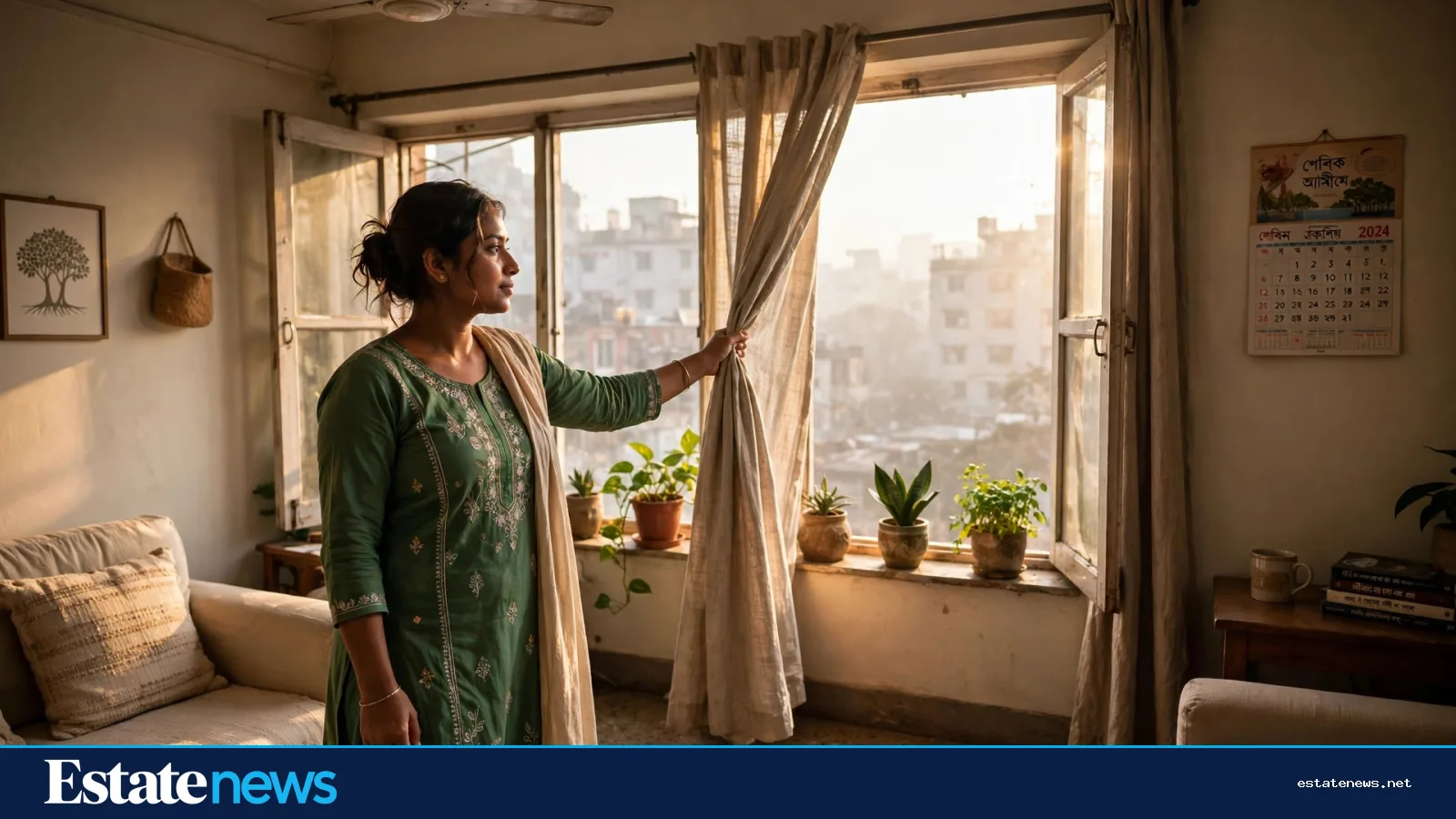
Dhaka's winter light is a trick. The sun feels warm on the balcony in the morning, and by three in the afternoon it has already slid behind the next building. For the plants on a windowsill, that means a short day, and a dusty one. The dust settles on the leaves, the air dries out, and the plants that looked cheerful in October start to sulk by December.
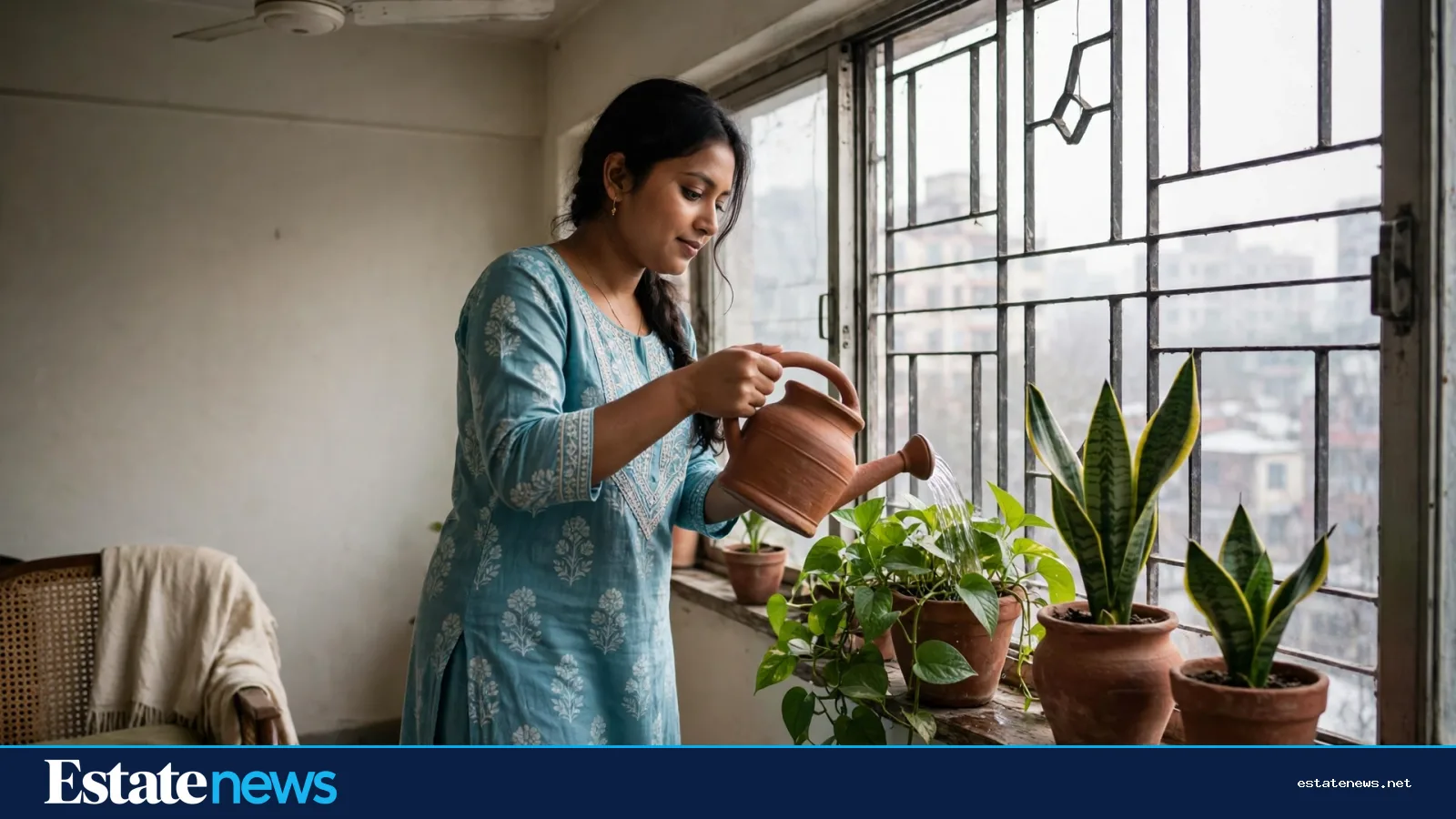
The ones that survive are the ones that were built for neglect. The money plant is the classic Dhaka indoor plant for a reason. It grows in a pot of soil or a jar of water, it trails down from a shelf or climbs a string, and it forgives a missed watering. Put it near a window where it gets a few hours of light and it will keep going through the winter without complaint. The snake plant is even tougher. Its stiff upright leaves store water, so it can go a week or more between waterings, and it tolerates the low light of a north-facing window that never sees direct sun.
Spider plants earn their place too. They like bright, indirect light, which is exactly what a Dhaka flat offers in winter, and they produce small plantlets on long stems that can be snipped off and potted on their own. A single spider plant becomes three in a season, and that is how most Dhaka balconies end up with a row of them in clay pots.

What the light does, and what to do about it
The first rule of winter is to move the plants closer to the light. A plant that sat happily a metre from the window in the monsoon may need to sit on the sill itself in December. Turn the pots every week or so, a quarter turn at a time, so that one side does not grow towards the glass while the other side thins out. It takes ten seconds, and it is the difference between a plant that looks full and one that looks lopsided.
Dust is the second problem, and it is a Dhaka problem more than a winter one. The city's air leaves a film on leaves, and a dusty leaf cannot catch light properly. Wipe the big leaves with a damp cloth once a week. The snake plant and the money plant both have leaves wide enough to wipe, and they look better for it immediately. For smaller leaves, a gentle rinse under a tap does the job, as long as the pot drains properly afterwards.


Watering is where most winter plants die, and the cause is usually too much water, not too little. The soil dries more slowly in cool weather, and a plant that needed water every three days in summer may need it only once a week now. Push a finger into the soil before watering. If the top two centimetres are still damp, wait. Standing water in the saucer is the enemy, and clay pots help because they breathe and let excess moisture escape.
The ones that struggle, and the honest fix
Not every plant is a winter plant. The ones with soft, thin leaves that loved the monsoon humidity will droop in dry winter air. Ferns are the usual casualty. They want humidity that a Dhaka flat in January cannot offer without help, and they show their unhappiness quickly, with brown edges on the fronds. A fern can be kept alive in a bathroom, where the steam from a shower gives it the damp air it wants, but on a dry living room shelf it is a losing battle.
Flowering plants are a mixed story. Some will bloom in the winter sun if they get enough of it, and a pot of marigold on a sunny sill is one of the small pleasures of the season. But a flowering plant bought in full bloom from a nursery will often drop its flowers within a week of coming home, and that is not a failure. It is the plant adjusting to a new home with less light than the nursery gave it. Give it the sunniest spot you have and patience, and it may bloom again.
Estate News looked at how Dhaka flats catch winter light in a Bangla guide to making the most of the season's sun, and the same logic applies to plants. The sunniest window in the flat is the most valuable piece of real estate a plant will ever own. Put the plants there first, and the furniture can take what is left.
The winter home needs the same thinking indoors. Estate News's guide to keeping a Dhaka flat warm without a heater, and the open-shelves piece on styling without clutter, both come back to the same idea: a flat that works in winter is one where the small things are in the right place. Plants belong in that list. A money plant on the sill, a snake plant by the door, a spider plant trailing from a shelf. They cost little, they ask for little, and they are still green in February when the dust has settled on everything else.