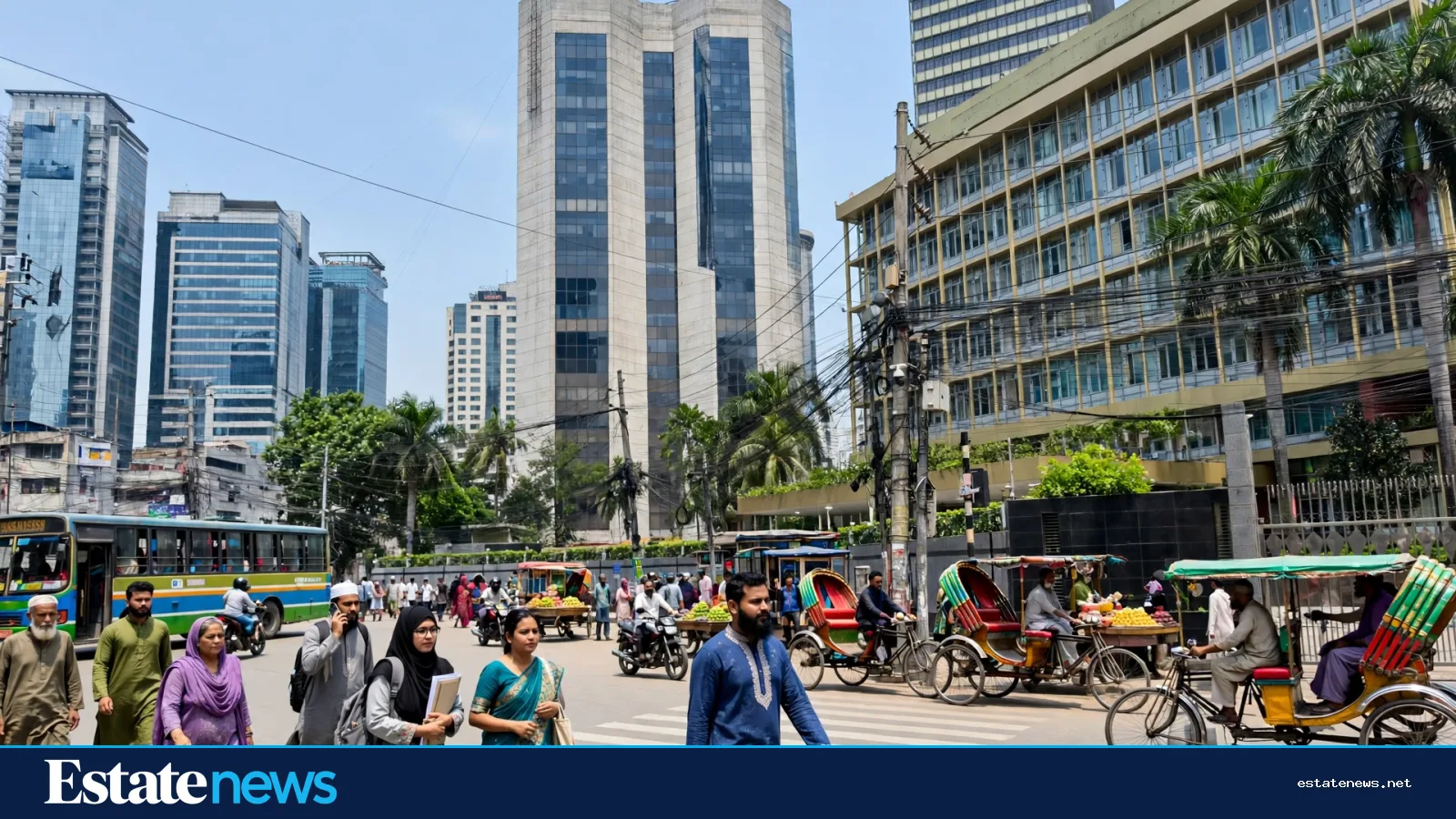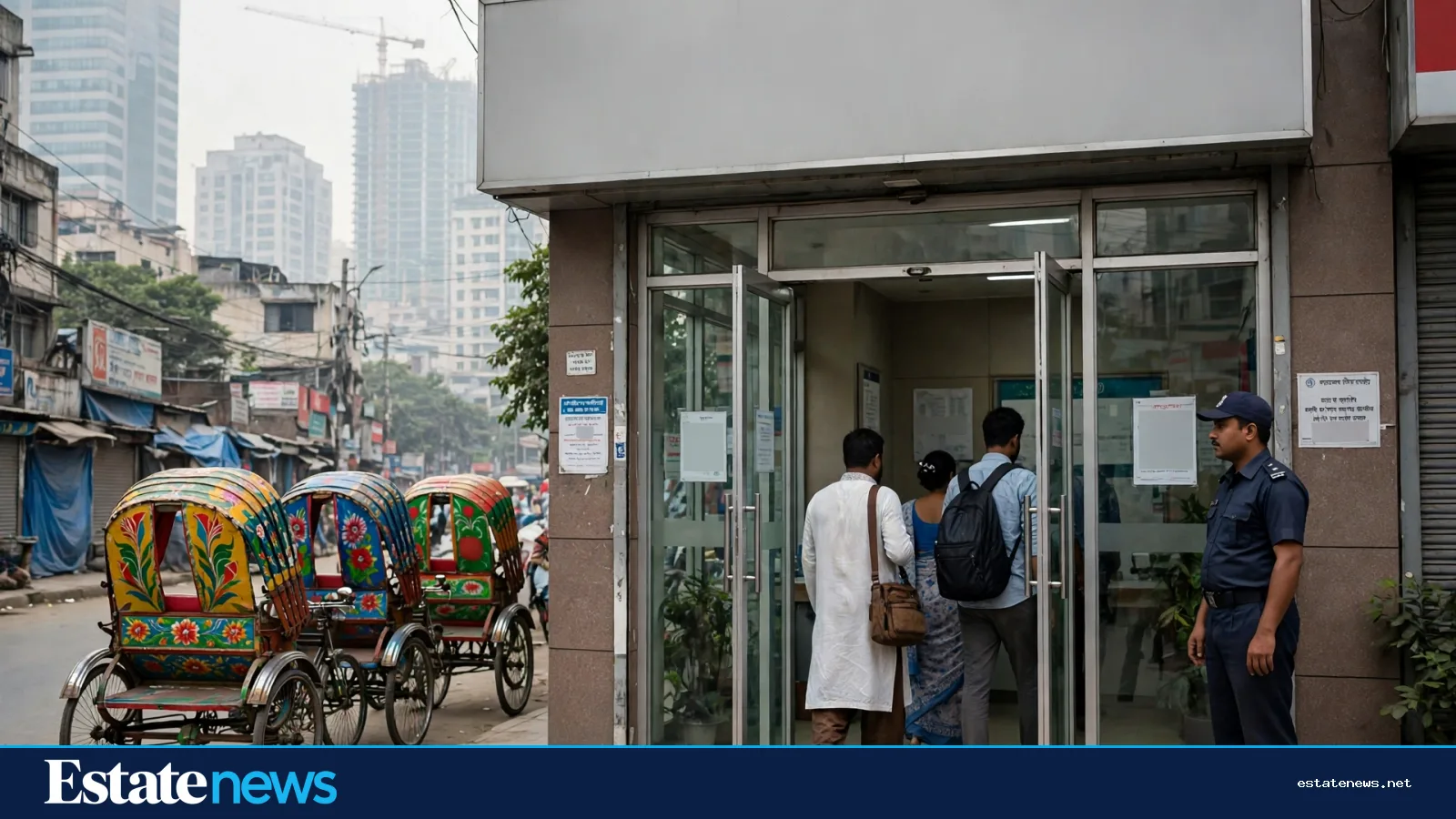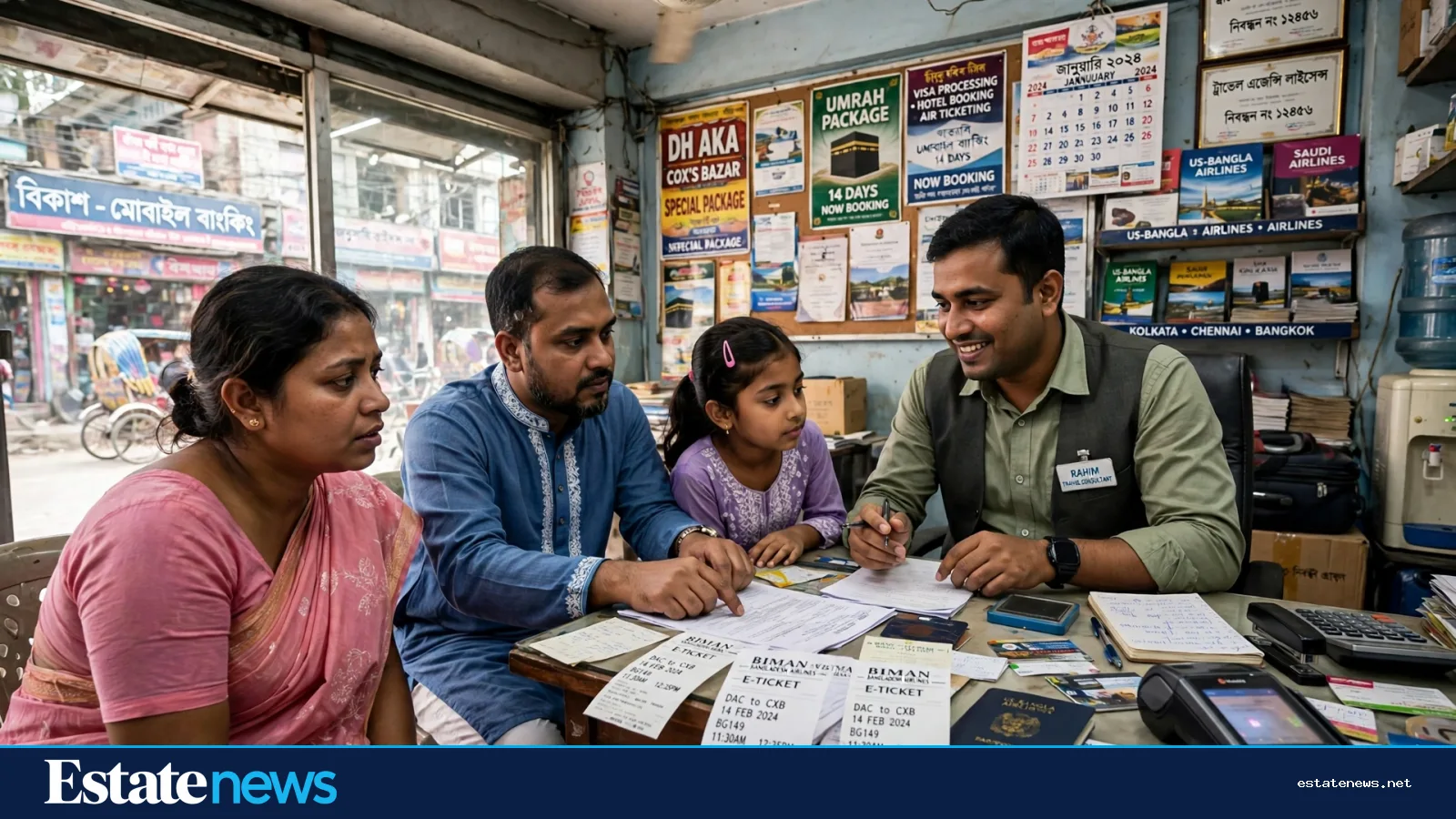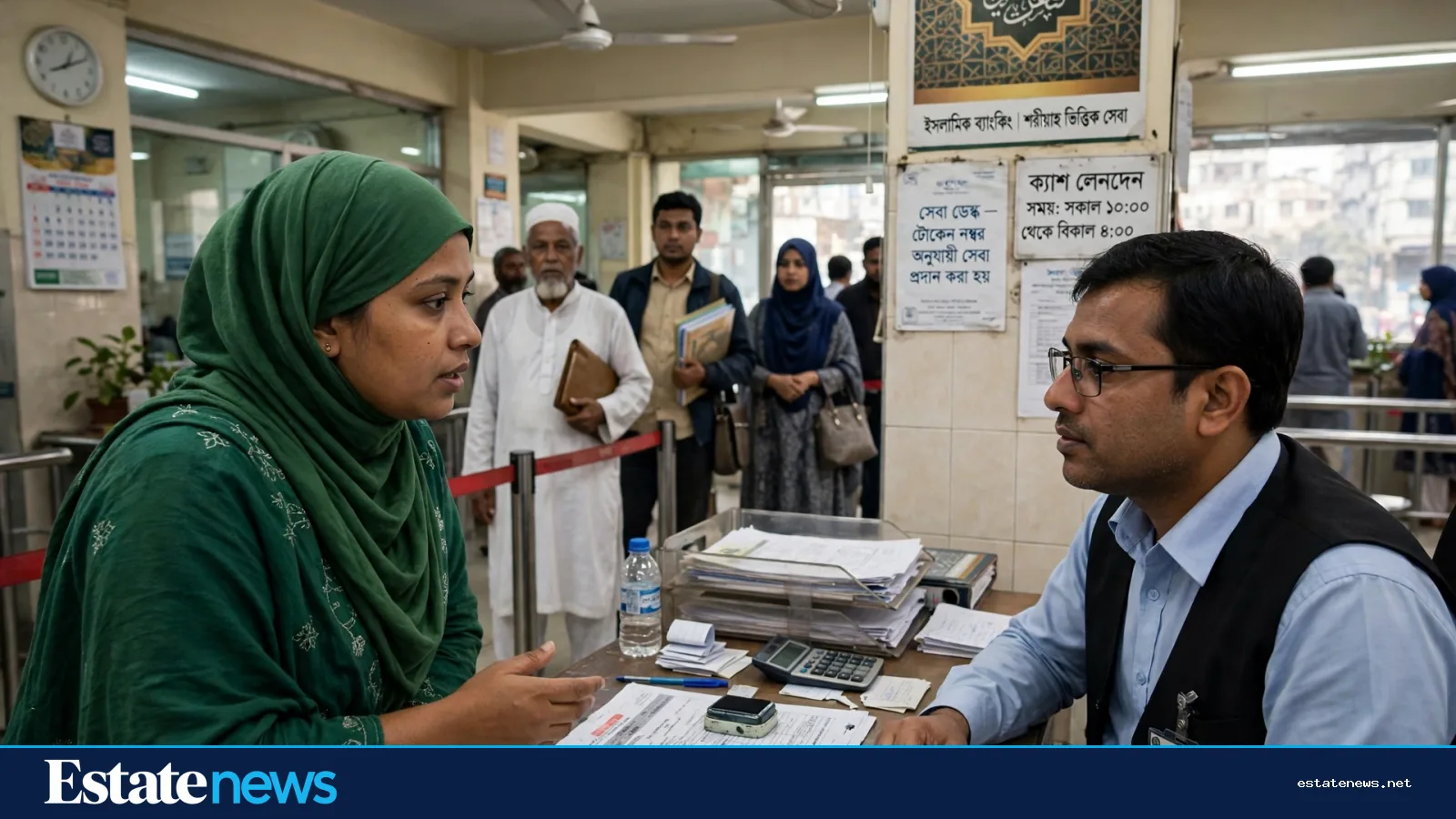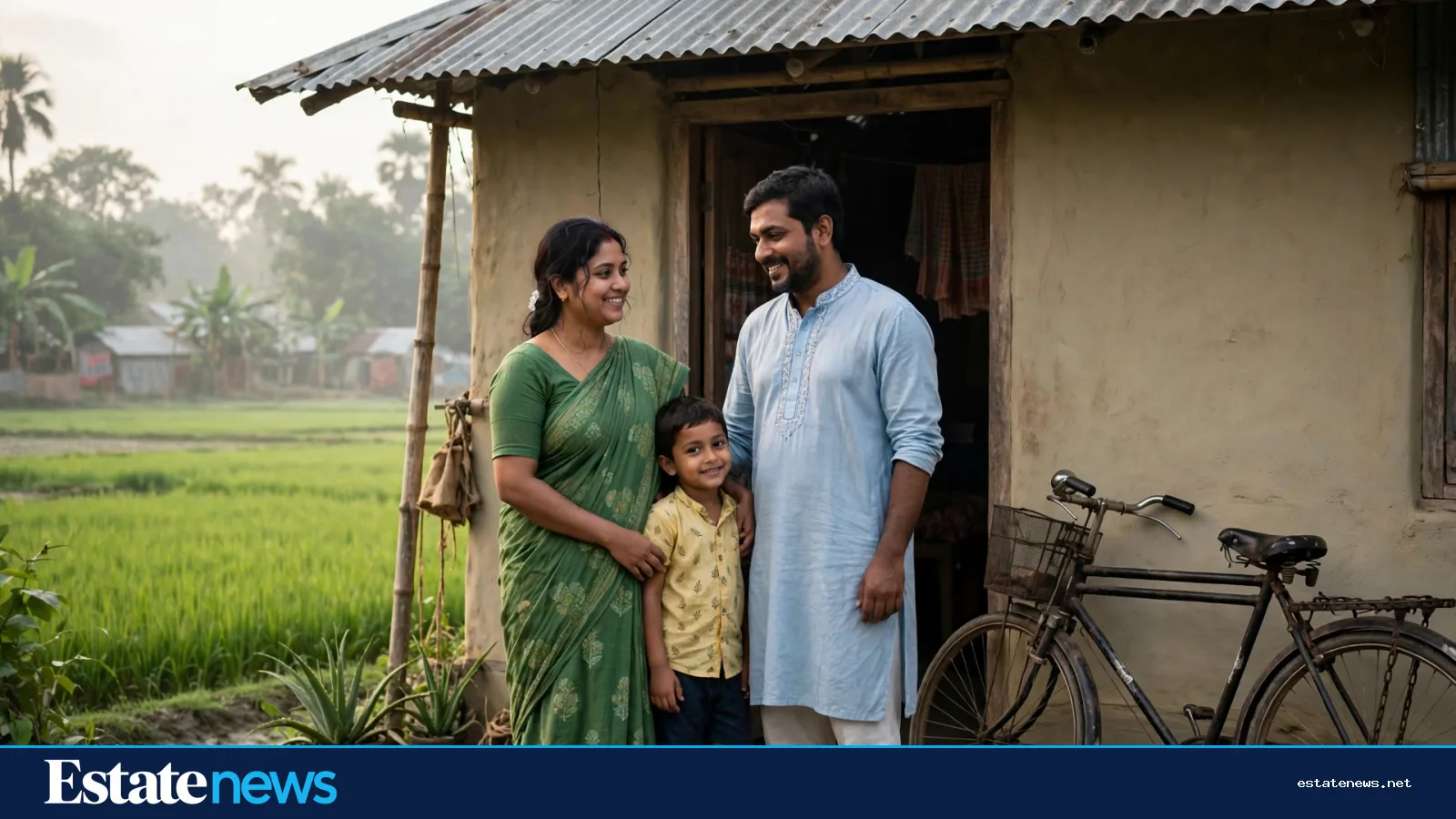
Most housing finance in Bangladesh is built for people who already have a salary slip, a bank account and a plot of land. The Grihayan Tahobil works the other way round. It is the government's housing fund for the households with the least of those things, and a new Bangladesh Bank study says it has been changing more than their roofs.
The findings were presented in a research publication titled "Assessing the Impact of Grihayan Tahobil on the Livelihood Development of Poor Communities in Bangladesh", conducted by the Bangladesh Academy for Rural Development (BARD). The cover was unveiled at a programme at Bangladesh Bank headquarters on 23 November. Deputy Governor Dr Md Habibur Rahman attended as chief guest, and Executive Director Md Sirajul Islam, who is also member secretary of the fund's steering committee, chaired the programme.
According to the study, the loan programme has been improving the living standards of disadvantaged communities by ensuring access to safe housing, education and healthcare. The research looked beyond the house itself. It examined the programme's effect on economic stability, social dignity, health security and the mental well-being of poor and vulnerable families, alongside children's education and women's empowerment.

A roof that changes the household
That is the right way to measure a housing loan for the poorest families. A tin roof that does not leak in the monsoon is not only shelter. It is a child who can study after dark without the books getting wet, a mother who can store grain without it rotting, and a family that does not have to rebuild a wall every year. The study's point, as presented at the programme, is that the loan reaches into all of those things at once.
Dr Habibur Rahman said at the event that the findings showed Grihayan Tahobil had been consistently financing an effective housing system for disadvantaged communities. Dr Md Sakhawat Hossain, executive director of Bangladesh Bank's Research Department, spoke about the quality of the research and the future role of the fund's affordable loan services. A BARD research team presented its field experience of ensuring quality housing for disadvantaged communities.
Representatives from the NGO Affairs Bureau, the Department of Social Services, the Microcredit Regulatory Authority, Bangladesh Bank's Research Department and the NGOs that implement the housing loan programme in different parts of the country also attended.


The bigger money now follows the same idea
The fund matters beyond its own borrowers because larger money is now being built on the same model. The Asian Development Bank approved a $100 million concessional loan on 27 September 2026 for affordable, resilient housing finance for low- and middle-income borrowers. The money is channelled through PKSF and microfinance institutions, and it is expected to reach at least 40,000 households by 2031.
That is a different scale from a fund aimed at the poorest, and the two should not be confused. The ADB loan is for low- and middle-income borrowers, through microfinance institutions. Grihayan Tahobil is for the disadvantaged communities the study covers. But the logic is shared: small housing loans, delivered through institutions that reach villages, for houses that are safe rather than grand.
What the study does not do is settle the questions a borrower would ask next. The published account of the programme gives no loan amount, no interest rate and no borrower count, and this report does not invent them. Those numbers live in the fund's own records and in the full research publication. What the study does establish is the direction of travel: a housing loan for the poorest, measured not only in houses built but in schooling, health and dignity.
Estate News has explained who can borrow from the banking system's own housing funds in "Bangladesh Banks' Tk 1,500 Crore Fund: Who Can Borrow and at What Rate", and what the wider bank cleanup means for borrowers in "A Third of Bank Loans Is Now Bad. What the Cleanup Means for Home Borrowers". The cost of borrowing abroad, which shapes what the government itself pays, is in "Bangladesh's First Dollar Bond May Cost 8.5 Percent. Here Is Why That Matters".
The fund's next test is the ordinary one: whether the research turns into more loans, reaching more villages, with the same care the study describes. The study says the model works. The numbers will show whether it grows.