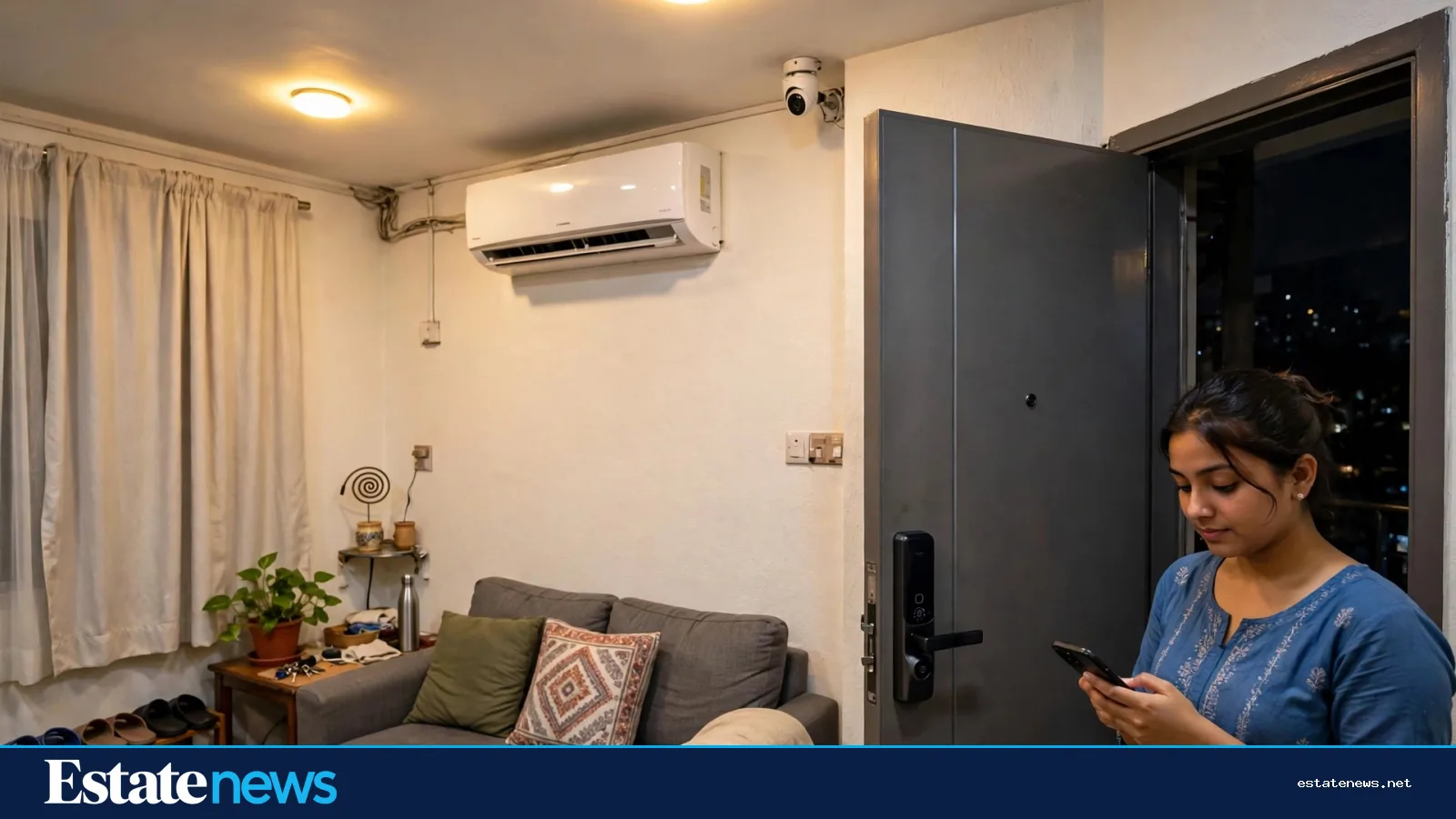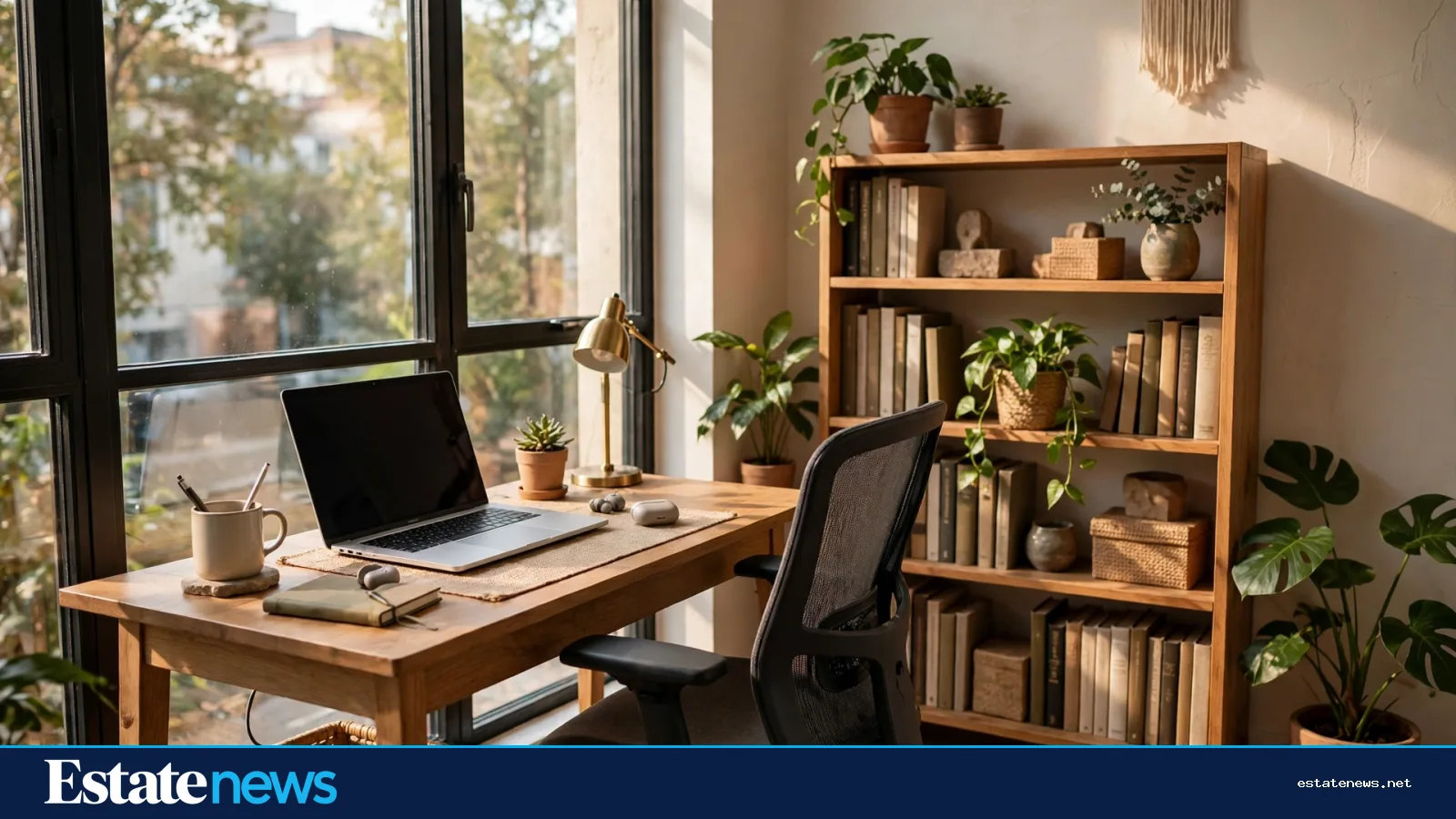
For a growing number of Dhaka workers, the office is no longer a building across the city. It is a corner of the flat: a desk squeezed beside a wardrobe, a laptop balanced on a dining table, a video call taken with the sound of traffic, construction and family life in the background. The arrangement usually starts as a temporary fix and then quietly becomes permanent. That is why it deserves a proper plan, even in a small flat.
A home workspace fails for predictable reasons. The chair hurts after two hours. The screen faces a window and glares all afternoon. Every call competes with the kitchen, the corridor and the street. The internet drops at the worst moment. None of these problems needs a renovation to fix. Each has a practical answer, and the order in which you solve them matters more than the amount you spend.
Start with the chair and the desk, not the gadgets

The single most important purchase for anyone working from home is not a monitor, a lamp or a headset. It is a chair that supports a full working day, paired with a desk at the right height. Back pain, stiff shoulders and tired eyes are usually posture problems before they are equipment problems, and they compound quietly over months.
A good test is simple. Sit at the desk with your feet flat on the floor, your elbows roughly at right angles and the top of your screen at about eye level. If you have to hunch, perch or crane your neck, something is wrong. A stack of books under a laptop, a cushion that actually supports the lower back, or a footrest improvised from a low stool can correct more than an expensive accessory bought in a hurry.
Desk size matters less than desk discipline. A small, clear surface beats a large surface covered in papers, chargers and yesterday's cups. Keep only what the work needs within arm's reach: laptop, notebook, water and a pen. Everything else belongs in a drawer, on a shelf or in another room. In a Dhaka flat, where floor space is precious, a fold-down wall desk or a narrow console table can create a workstation that disappears after working hours, which matters when the same room must become a dining room or a bedroom in the evening.
Put daylight to work, then control it
Light is the second decision, and it is free if you use it well. A desk beside a window, with daylight falling from the side rather than from directly behind or in front of the screen, gives the best combination of brightness and comfort. Side light reduces glare, keeps the face visible on video calls and makes a small room feel larger.
But Dhaka daylight is strong, and a west-facing window in the afternoon can turn a workspace into a furnace of glare. A sheer curtain, a blind that can be tilted, or simply moving the desk a short distance from the glass solves most of it. The aim is even, soft light across the desk, not a bright patch on the keyboard and a dark corner behind it.
After dark, one overhead tube light is rarely enough. It lights the room but leaves the desk in shadow and the screen glowing. A small desk lamp aimed at the work surface, rather than at the screen or the eyes, is the cheapest real improvement most home workers can make. Warm light in the evening also helps the flat feel like a home again when work ends, which is a boundary worth protecting.
Noise is a Dhaka problem with Dhaka answers
Few things break concentration faster than noise, and Dhaka flats have plenty of it: horns, hawkers, generators, lifts, neighbours, children and construction from the plot next door. Total silence is not a realistic goal. Control is.
The first step is placement. A workspace away from the main door, the kitchen and the street-facing wall will always be quieter than one beside them, even in the same flat. A room with a door that closes, even a small one, is worth more than any gadget. Where no separate room exists, a bookshelf or a tall wardrobe placed between the desk and the noisiest part of the flat can act as a partial sound buffer, and it doubles as storage.
The second step is what you wear on calls. A headset with a microphone that sits close to the mouth makes an ordinary voice sound clear without shouting, and it lets the listener hear less of the room. For focused work without calls, many people find that soft background sound, a fan, quiet music, or even the hum of the flat itself, masks sudden noises better than silence. The point is not to block the city out entirely, but to stop each passing sound from pulling attention away.


Families need a shared rule as much as any equipment. A simple signal, a closed door, headphones on, a note on the desk, tells everyone in the flat that this is working time. It sounds small, but in a household where several people share a few rooms, an agreed signal prevents more interruptions than any door lock.
Plan for the internet going down
Every home worker in Dhaka knows the moment: the video freezes, the voice breaks up, and the meeting continues without you. An internet backup plan is not a luxury; it is part of the job, and it should be decided before it is needed, not during a call.
In general terms, the backup has three layers. The first is the home connection itself, kept as stable as possible: the router placed in the open rather than inside a cabinet, away from thick walls and large metal objects, and restarted occasionally when performance drops. The second is a mobile data connection that can be switched on as a hotspot when the main line fails. The third is a habit: keeping important files available offline, knowing how to rejoin a call quickly from a phone, and telling colleagues promptly when you drop off rather than struggling silently.
None of this requires a second broadband line for most workers. What it requires is a test. Try the hotspot once, on a quiet day, before a deadline depends on it. Check whether the phone signal is strong at the desk (it often is not, if the desk sits in an inner room) and move the phone or the desk accordingly. A backup that has never been tested is a hope, not a plan.
Small-space layouts that actually work
Small flats reward furniture that does more than one job. A dining table can be a desk in the morning and a dining table at night, provided the work is packed away in a box or a bag between uses. A bedroom corner can hold a desk if the bed is not the chair; working from bed feels comfortable for twenty minutes and punishing after two hours, and it blurs the line between rest and work in a way that makes both worse.
Vertical space is the small flat's best friend. Shelves above the desk hold books, files and chargers without eating floor space. A pinboard or a whiteboard on the wall keeps the working notes visible without spreading them across the table. A trolley with drawers can hold a printer, stationery and cables and be wheeled out of sight when guests arrive.
Light colours, a mirror opposite a window, and one plant on the desk are not decoration for its own sake. They make a small corner feel like a place worth sitting in for eight hours. A workspace that feels cramped and gloomy will be abandoned for the sofa, and the sofa is where posture and concentration go to retire.
What to spend on first, and what can wait
If the budget is limited, spend in this order. First, a chair that fits and a desk at the right height. Second, light: a desk lamp and a way to soften harsh window glare. Third, a headset for calls and a basic backup for the internet, such as a mobile data plan that can serve as a hotspot. Fourth, storage that keeps the desk clear: shelves, a drawer unit or a simple box system.
What can wait? A second monitor, a premium keyboard, decorative lighting, a standing desk and most desk gadgets. Each can help, and a second screen in particular is a genuine productivity gain for people who compare documents all day. But none of them rescues a bad chair, a glaring screen or a desk in the noisiest corner of the flat. Buy the foundations first, live with them for a month, and let the remaining annoyances tell you what is actually worth buying next.
Working from home in a Dhaka flat will never be the same as a corporate office, and it does not need to be. It needs a chair that does not hurt, light that does not glare, a corner that is a little quieter than the rest of the flat, and a plan for the day the internet falters. Get those four things right and the flat stops being a compromise. It becomes a workplace that works, and, just as importantly, a home that still feels like one when the laptop closes.