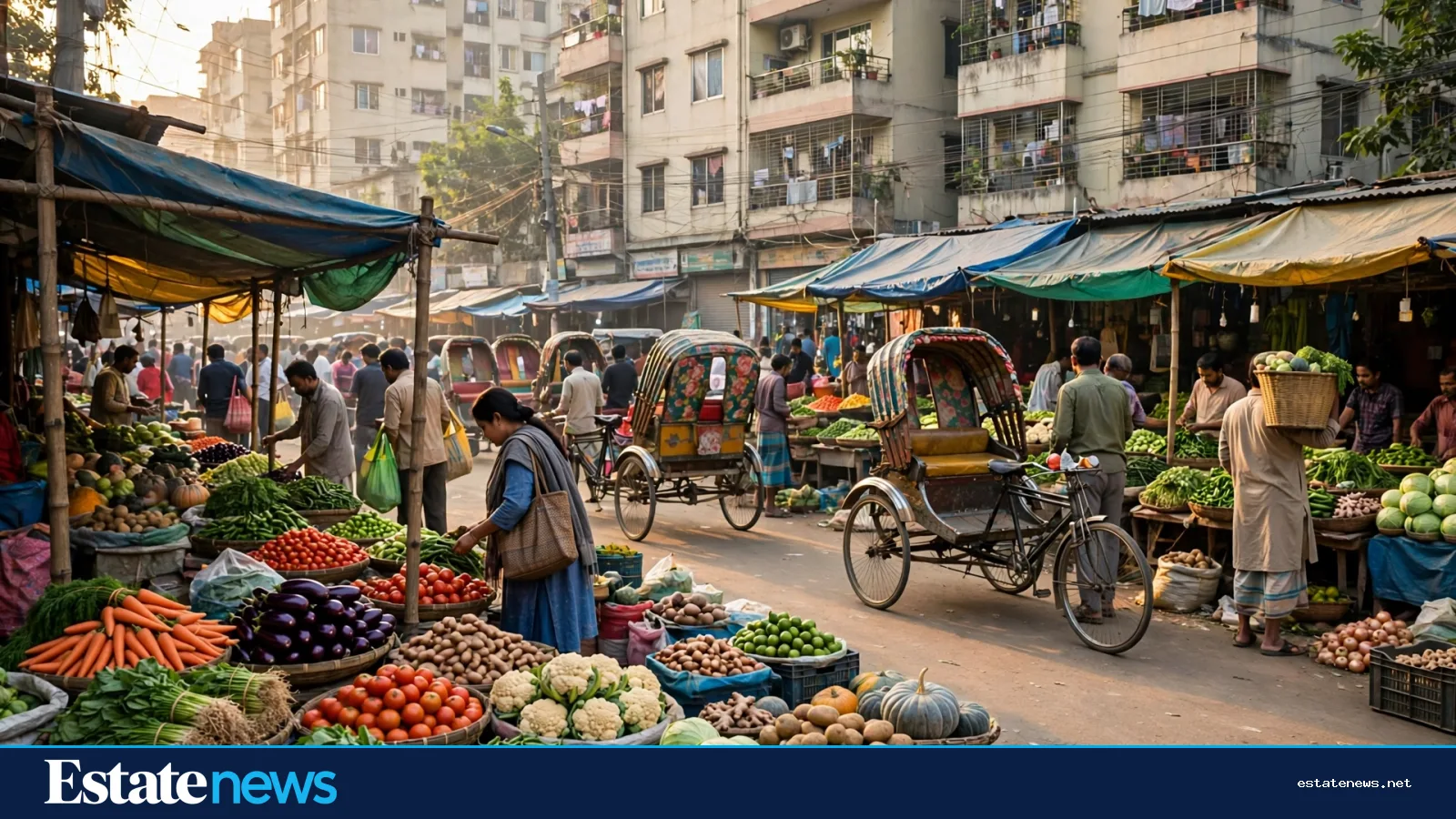
The morning in Mohammadpur begins with sound. A vegetable seller calls out the day's prices beside a stack of green bananas. A rickshaw bell rings behind him. A student in a hurry balances a bag on one shoulder and a phone in one hand, weaving toward a coaching centre. The tea stall is already full, and the first buses toward central Dhaka are already filling.
It is not a dramatic scene. That is precisely the point. Mohammadpur does not present itself as a destination. It presents itself as a place where life happens, early, daily, and without ceremony, and that unshowy reliability is the reason so many Dhaka families have stayed, returned, or chosen it in the first place.
Mohammadpur's appeal is not a single landmark or a single project. It is the accumulation of ordinary things done well: markets within walking distance, schools and mosques woven into residential streets, bus routes that connect to the centre of the city, and a housing stock that ranges from older, low-rise homes to newer apartment blocks. For a buyer or renter weighing where to live in Dhaka, the neighbourhood offers a useful test case, not of luxury, but of liveability.

A neighbourhood built on daily life
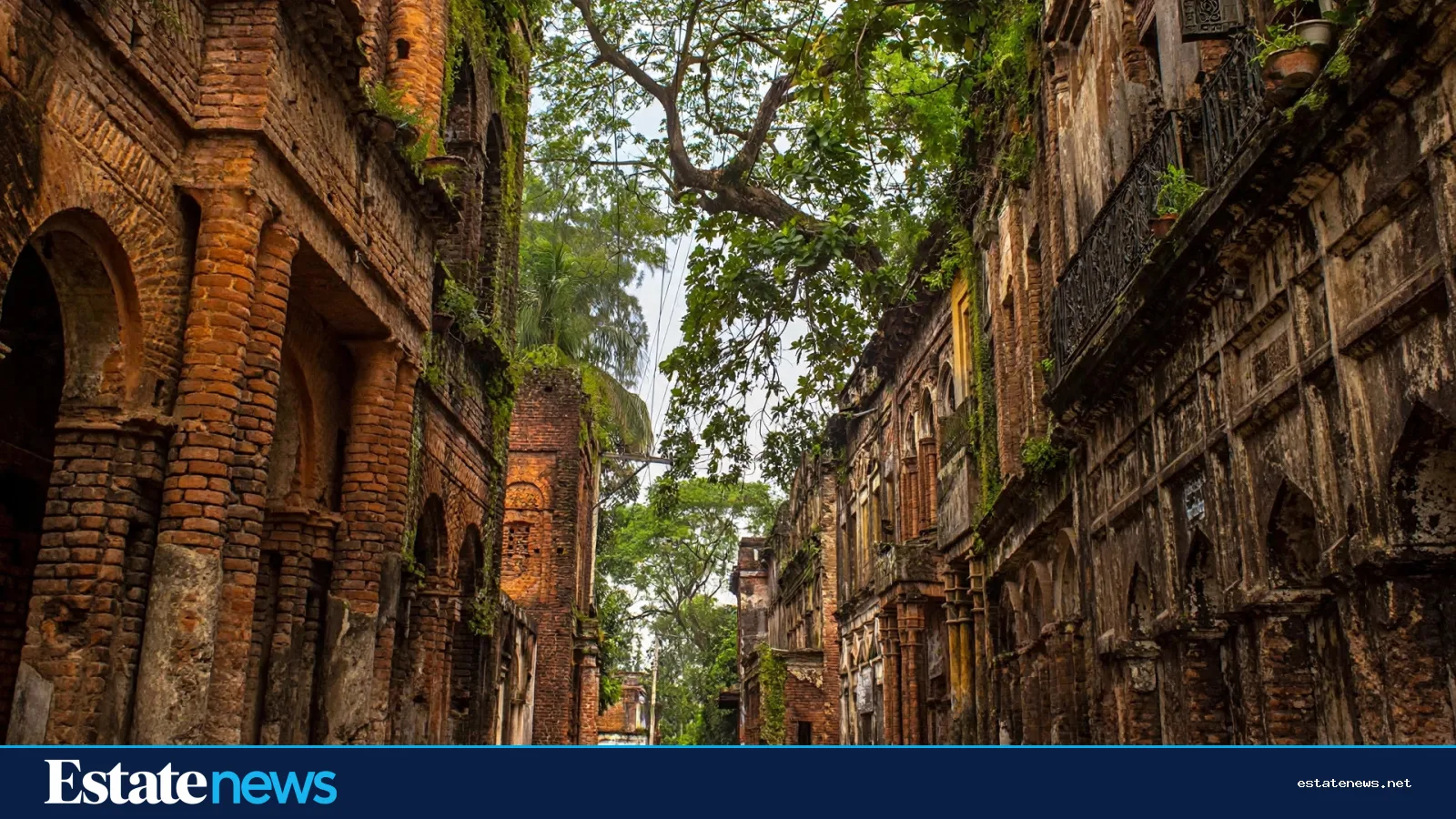
Mohammadpur is a long-established residential area, and its age shows in the best way: in layers. Older streets carry the memory of a quieter Dhaka, with houses built for extended families, courtyards, and neighbours who have known each other for decades. Newer streets carry the city's current reality, apartment buildings, coaching centres, clinics, restaurants and small businesses filling every ground floor that can hold one.
The markets are the neighbourhood's beating heart. A morning market here is not a weekly event but a daily routine: fresh vegetables, fish, fruit, spices and household goods, bought in small quantities for the day's cooking. For families, that rhythm matters. It means a kitchen can be run without a car, without a weekly bulk shop, and without planning days ahead. It also means the neighbourhood's economy stays local, money spent with sellers who live nearby, in streets they know.
Schools and mosques anchor the area in a different way. Parents choose a neighbourhood partly on where their children will study and how far they will travel. Mohammadpur's spread of educational institutions and places of worship means many daily journeys stay short, a fact that shapes traffic, friendships and the feel of a street as much as any housing design.
Housing stock: old and new, side by side
Walk a few blocks in Mohammadpur and the housing story tells itself. Older houses, some built decades ago, stand beside apartment blocks of varying ages and finishes. Some streets are quiet and residential; others are commercial at ground level and residential above, the classic Dhaka mix.
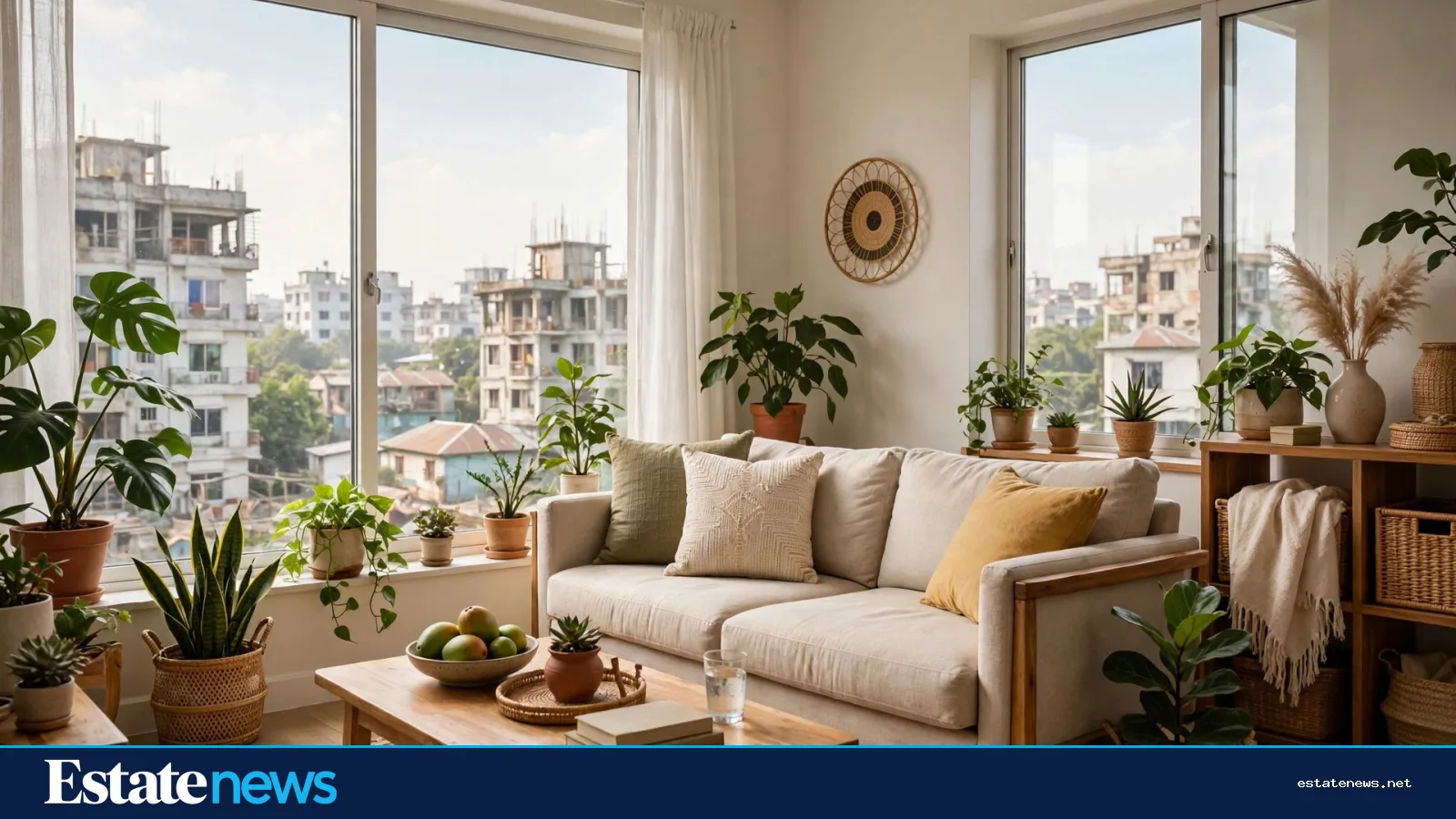
That variety is both a strength and a caution for buyers. Older homes may offer larger plots, generous rooms and established surroundings, but they may also need renovation, updated wiring and plumbing, and careful checks on documents and structure. Newer apartments may offer lifts, security arrangements and modern layouts, but buyers should still check build quality, service charges, water supply and the developer's record, the same checks that matter anywhere in the city.
The practical advice is the same in both cases: visit at different times of day, talk to residents where possible, and look beyond the flat itself to the building's maintenance, the street's drainage in heavy rain, and the distance to the services a household uses every day.
Commute and connections: the daily bargain


Mohammadpur's bus routes to central Dhaka are one of its defining features. For office workers, students and traders, the ability to reach the centre without a private car is not a minor convenience, it is the difference between a manageable day and an exhausting one.
That said, Dhaka's traffic respects no neighbourhood. Peak-hour journeys can be slow, and a buyer who falls in love with a flat on a quiet Sunday visit should return on a weekday morning to see the real commute. The question is not whether traffic exists, it does, everywhere, but whether the available routes, and the time they take at the hours a household actually travels, fit that household's life.
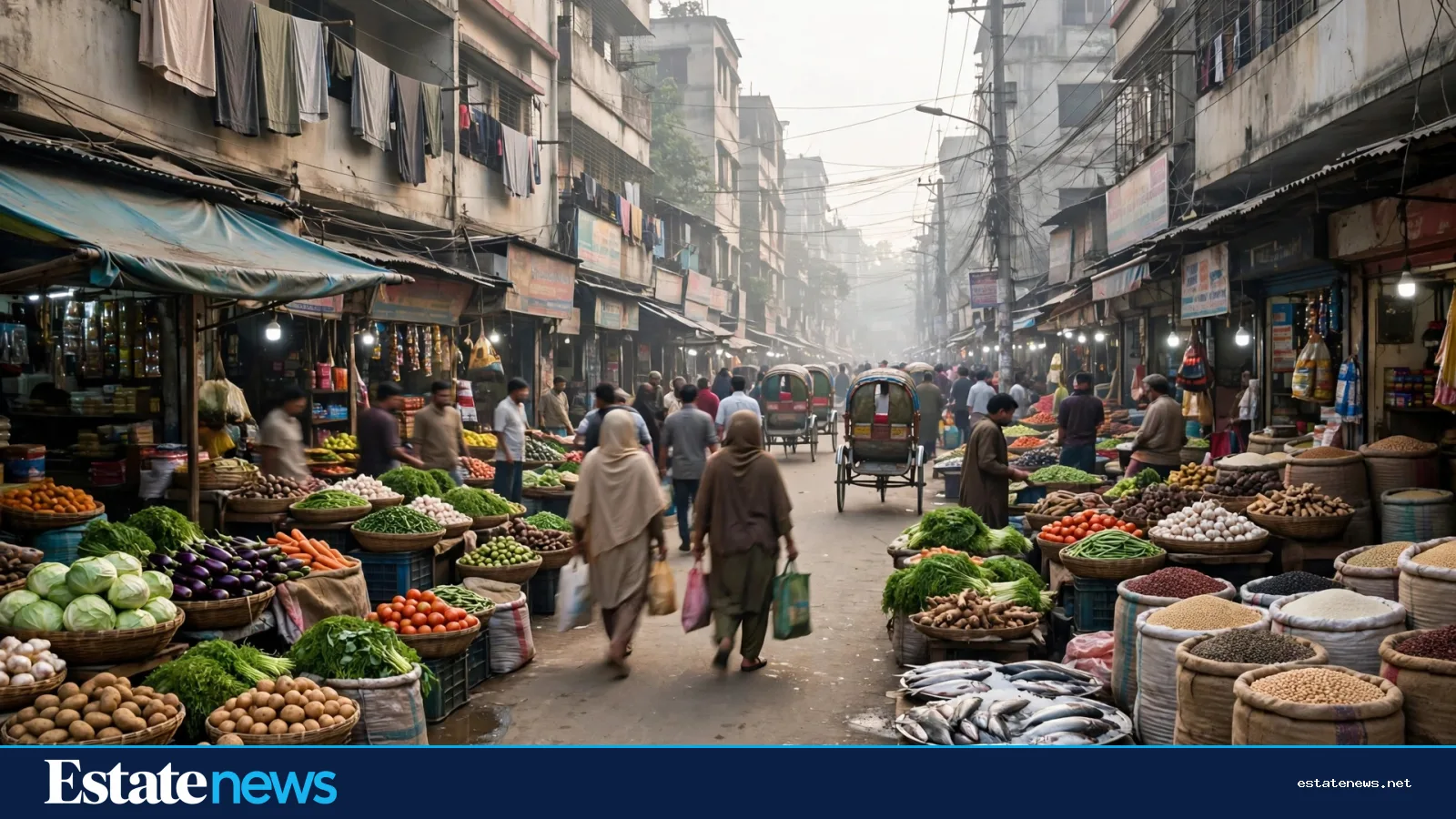
The neighbourhood's internal connectivity also matters. Rickshaws, local transport and walkable markets mean many errands do not require a bus at all. A household that can do its daily shopping, schooling and prayers within a short radius spends less of its life in transit, and that saved time is, quietly, one of the most valuable things a neighbourhood can offer.
What living here costs, in effort, not just money
Every Dhaka neighbourhood asks its residents to pay in two currencies: money and effort. Mohammadpur's bargain is relatively balanced. Housing here is generally more accessible than in the city's most premium districts, though no figure in this article should be read as a price claim, asking prices vary by street, building age and condition, and buyers should check current listings and recent transactions for the specific area they are considering.
What the neighbourhood asks in effort is the familiar Dhaka set: patience in traffic, attention to building maintenance, and care in choosing a well-managed building. What it gives back is daily convenience: markets, schools, mosques, clinics and transport close at hand, and a community fabric built over decades rather than assembled in a single project launch.
That trade, convenience and community in exchange for the ordinary frictions of a busy, established area, suits many households. It suits large families who value space and proximity to relatives. It suits students and young professionals who value transport links. And it suits buyers who would rather live in a neighbourhood that already works than wait for one that is promised to work one day.
Looking forward
Mohammadpur's future is unlikely to arrive as a single grand transformation. It is more likely to arrive street by street: older houses giving way to apartments, markets modernising without losing their daily character, transport links improving incrementally, and new residents joining streets where families have lived for generations.
That gradual change carries its own responsibility. As buildings rise and densities increase, the things that make Mohammadpur liveable, walkable markets, functioning drainage, usable streets, schools and open spaces, will need protection and investment, not just new construction. A neighbourhood's value is not only in its flats. It is in the daily life those flats make possible.
For now, though, the morning scene remains the best summary. A seller calling out prices, a student hurrying to class, a bus filling for the centre of the city. Mohammadpur wakes early, works hard, and gets on with it, and for a great many Dhaka families, that is exactly what home should feel like.