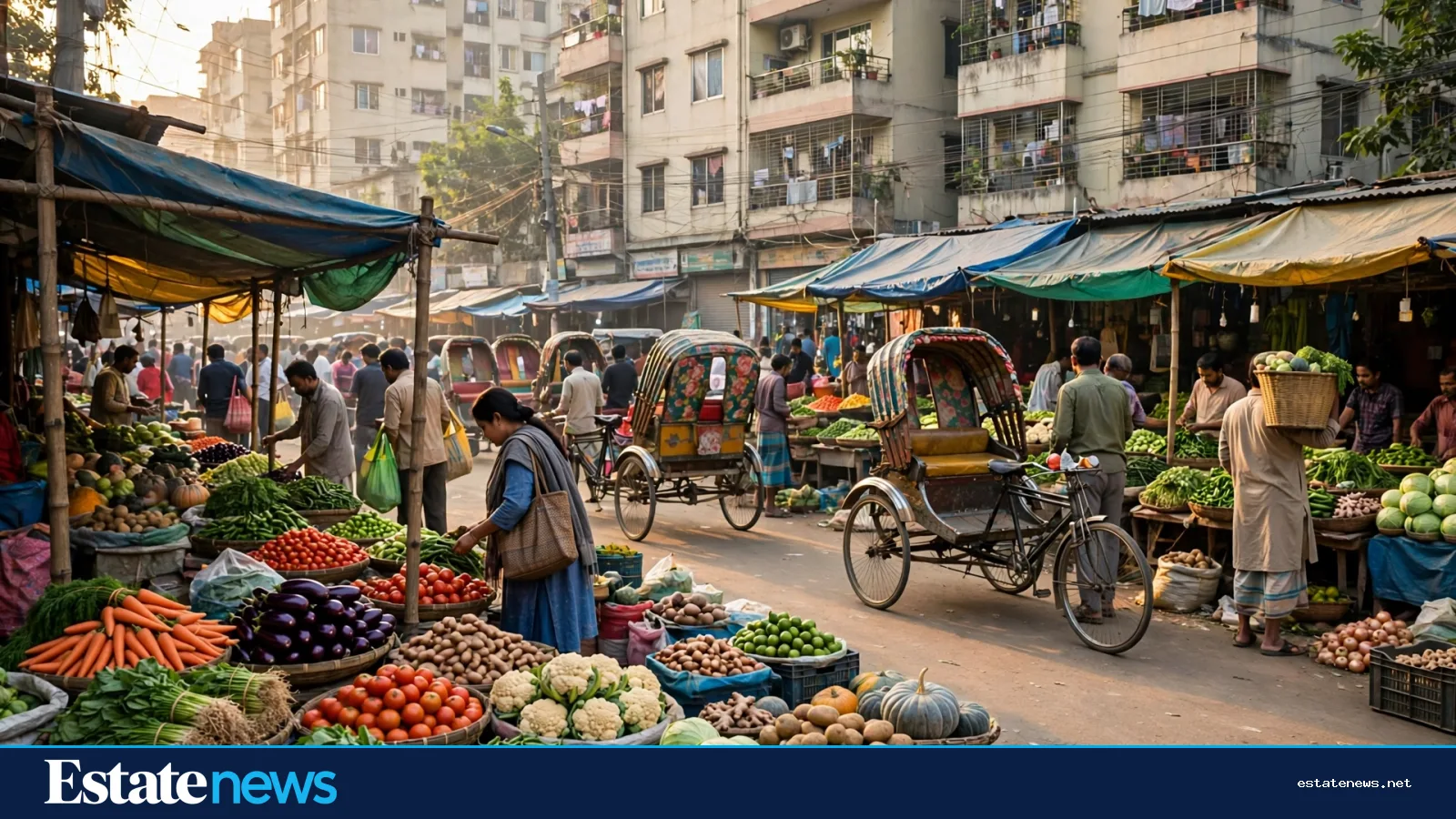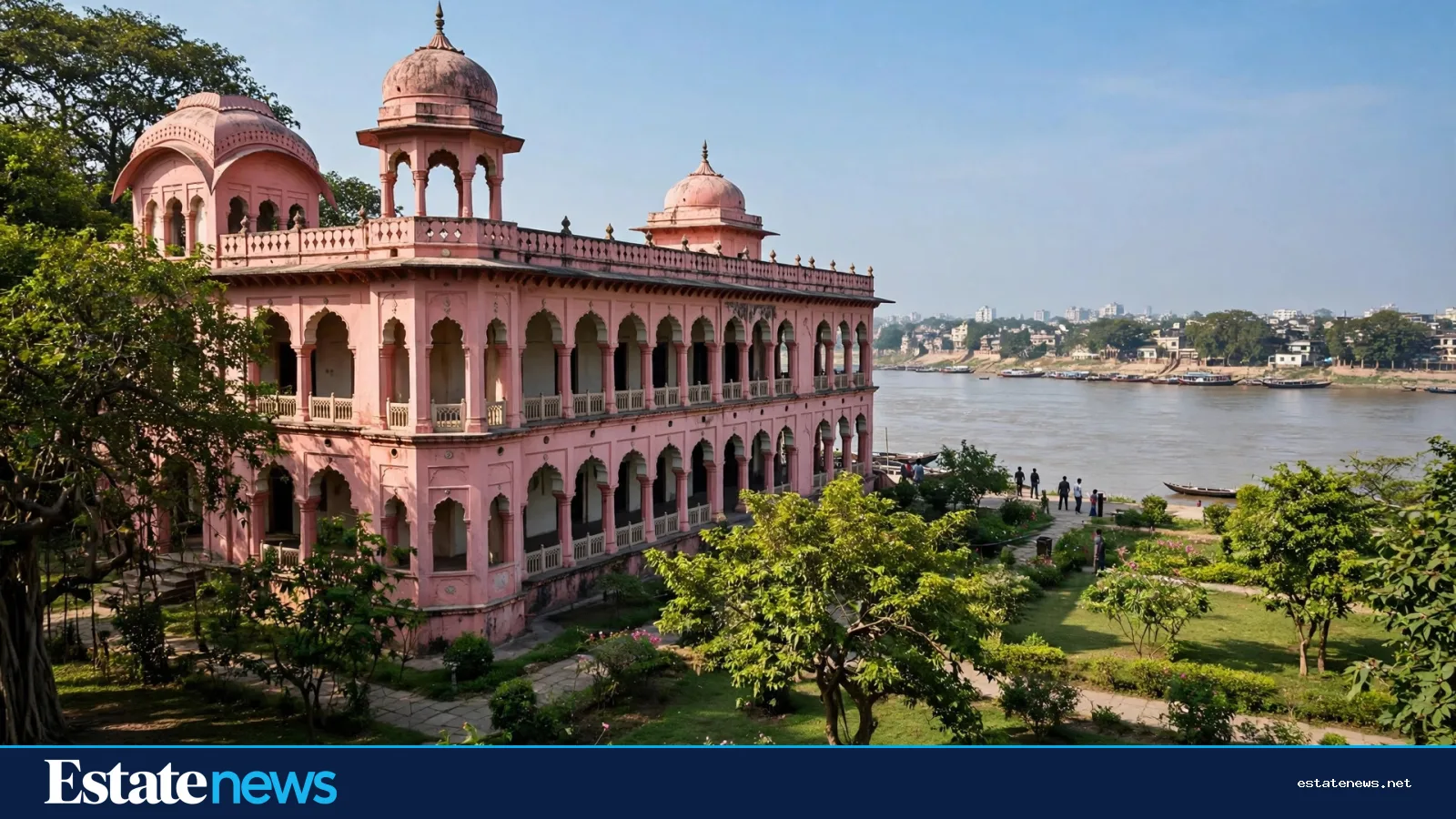
There is a particular moment, walking through Old Dhaka toward the Buriganga, when the pink walls of Ahsan Manzil come into view and the noise of the city seems to soften. The palace does not shout. It glows, a soft, unmistakable pink against the river light, and for a second, the Dhaka of rickshaws, wires and hurrying crowds gives way to an older city of river trade, grand households and ceremonial life.
Ahsan Manzil, at Kumartuli on the Buriganga in Old Dhaka, was built as the residence of the Nawabs of Dhaka. Its construction belongs to the 19th century, an era when Dhaka's fortunes were tied to river commerce and to the families who shaped the city's social and political life. The palace commonly documented as completed in 1872 stands as the great house of that era, a residence designed to impress, to host, and to announce the standing of its owners to the city and to visitors arriving by river.
A palace built for riverine power

The choice of site was itself a statement. A great house on the Buriganga faced the waterway that carried Dhaka's trade and its travellers. In the 19th century, the river was the city's highway, and a palace on its bank was visible to everyone who mattered, merchants, officials, guests and rivals alike.
The architecture follows that logic. Ahsan Manzil's pink facade, its arched verandas and its broad, formal presence are designed for both grandeur and climate: shade, air and a commanding view of the river. Inside, the palace was arranged for the dual life of a Nawabi household, private family quarters and public, ceremonial spaces where guests were received and business conducted. The building was, in every sense, a working house of power as well as a home.
Stories have gathered around the palace over the generations, as they do around any great old house. Some are well documented; others belong to popular memory and should be enjoyed as folklore rather than treated as established history. The distinction matters, because Ahsan Manzil's real, documented story is impressive enough without embellishment.
Disaster and restoration
In 1888, a tornado damaged the palace, a reminder that even the grandest buildings stand at the mercy of nature. The major rebuilding that followed restored Ahsan Manzil and reshaped parts of it, and the palace that visitors see today carries the marks of both its original ambition and its recovery.
That cycle of damage and repair is part of what makes the building meaningful for a property-minded reader. Buildings are not frozen objects. They are maintained, damaged, restored and adapted, and each phase leaves a trace. Ahsan Manzil survived because successive generations decided, again and again, that it was worth keeping, first as a residence, and later as a public treasure.


What stands there today
Today, Ahsan Manzil is a museum under the Department of Archaeology. Its rooms display the life of the Nawabi era, furniture, objects, photographs and the architectural details of the palace itself, while the grounds offer one of Old Dhaka's rare open, riverside spaces for visitors to walk, rest and look out over the Buriganga.
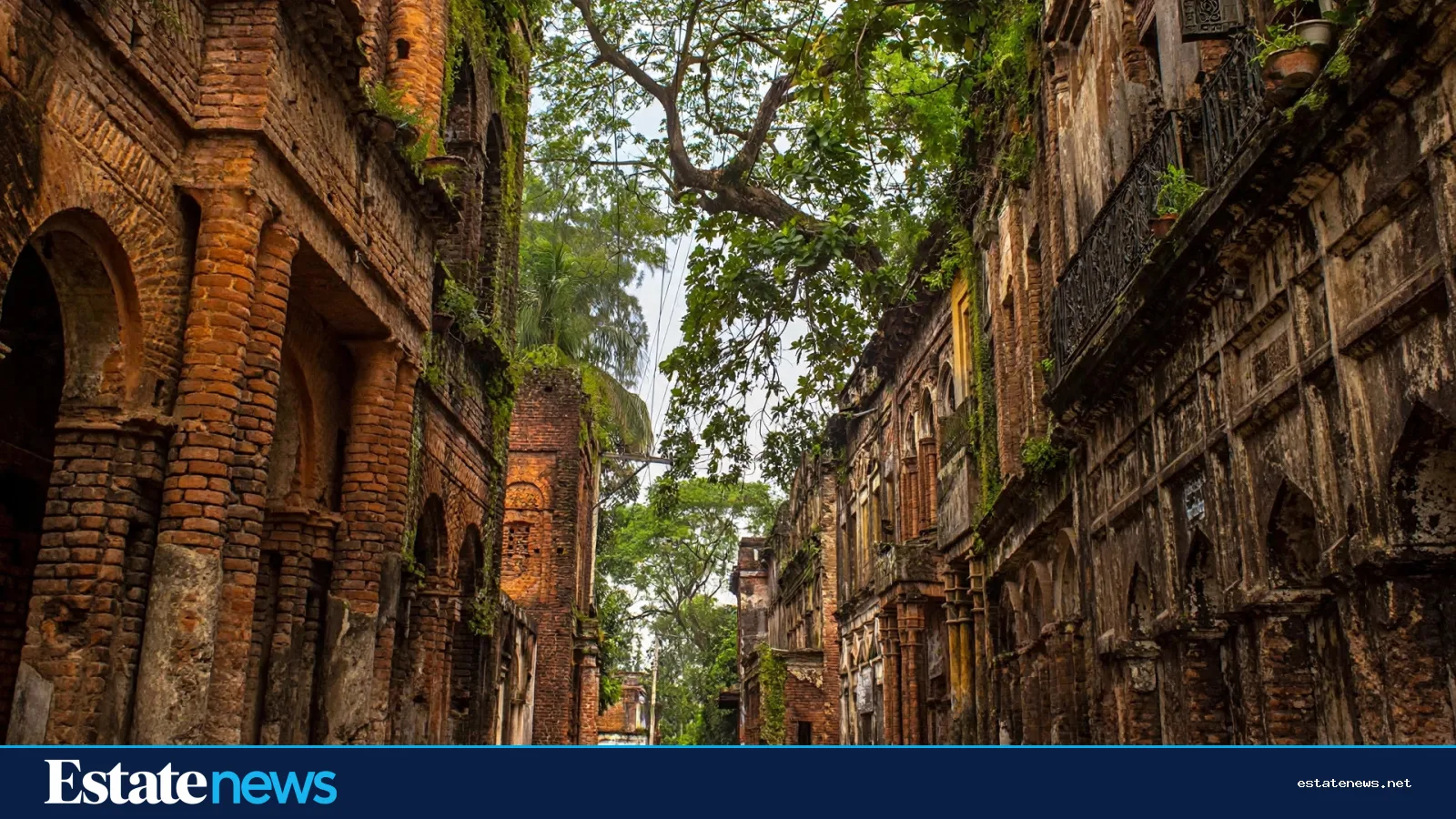
For Old Dhaka, the museum is more than a tourist stop. It is an anchor: a place where schoolchildren learn the city's history, where families spend an afternoon, where photographers and researchers return, and where the neighbourhood's identity is given a visible, cared-for centre. The streets around Kumartuli, busy, commercial, layered with workshops and homes, gain a breathing space from the palace grounds, and the palace gains its meaning from the living city around it.
A place in Old Dhaka life
Heritage is sometimes discussed as if it were separate from daily life, a matter for specialists and guidebooks. Ahsan Manzil resists that separation. It sits in the middle of a working neighbourhood, beside a working river, and its visitors are as likely to be Dhaka families as overseas tourists. Its pink walls are a landmark for giving directions, a backdrop for photographs, and a reminder, in a city that rebuilds itself constantly, that some buildings are worth keeping exactly because they tell us who we were.
The positive lesson of Ahsan Manzil is not nostalgia. It is stewardship. A building that was damaged, rebuilt, adapted and finally opened to the public shows what restoration can achieve when it is sustained: a private palace becomes a shared asset, and a city's past becomes a place its present can actually visit.
Dhaka will keep building new towers, new neighbourhoods and new landmarks. It should also keep caring for the pink palace on the Buriganga, not as a relic behind glass, but as a living part of Old Dhaka, open to the river, open to the city, and open to the next generation of visitors who will walk through its gates and, for a moment, hear the older city underneath the noise.