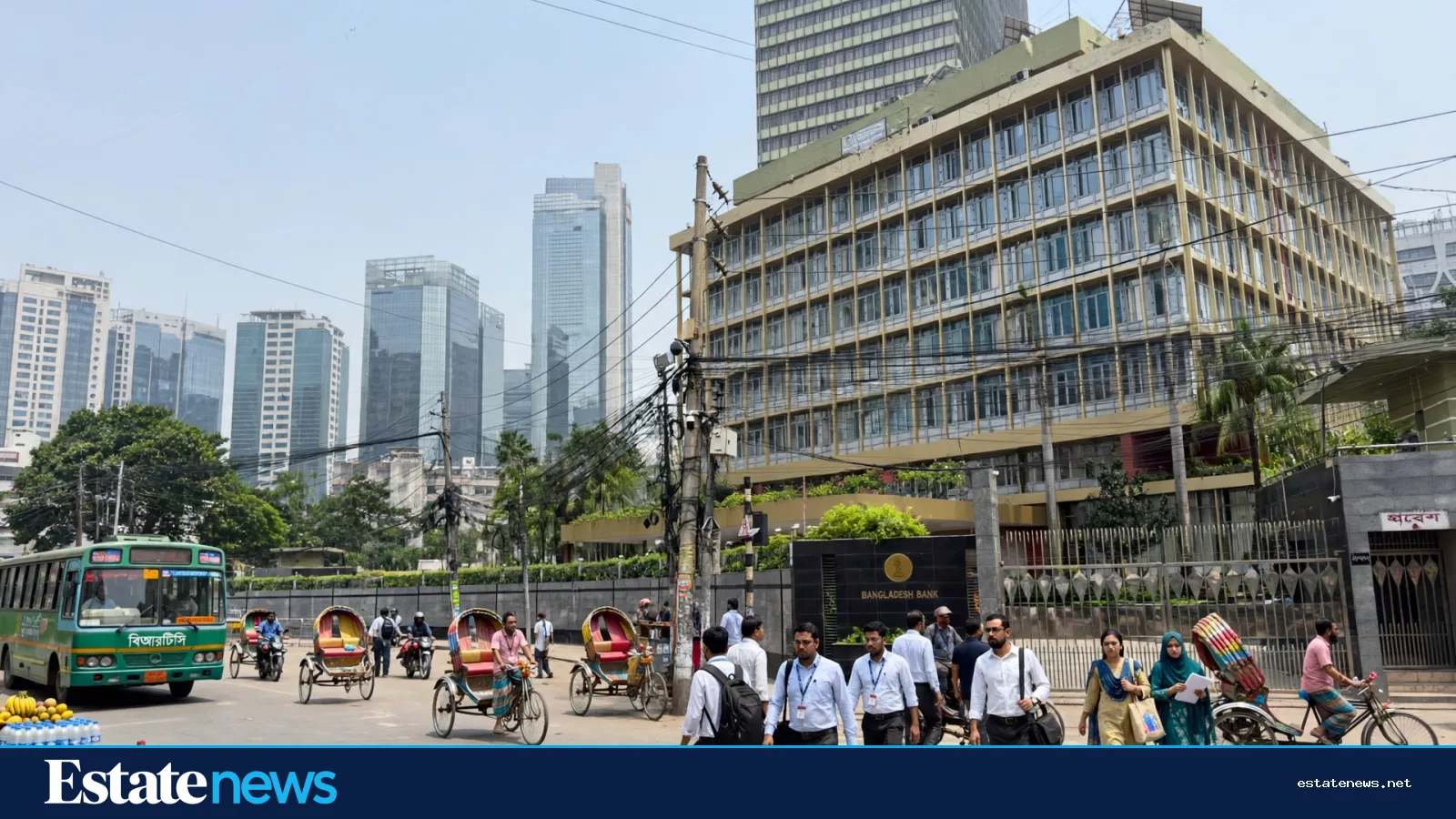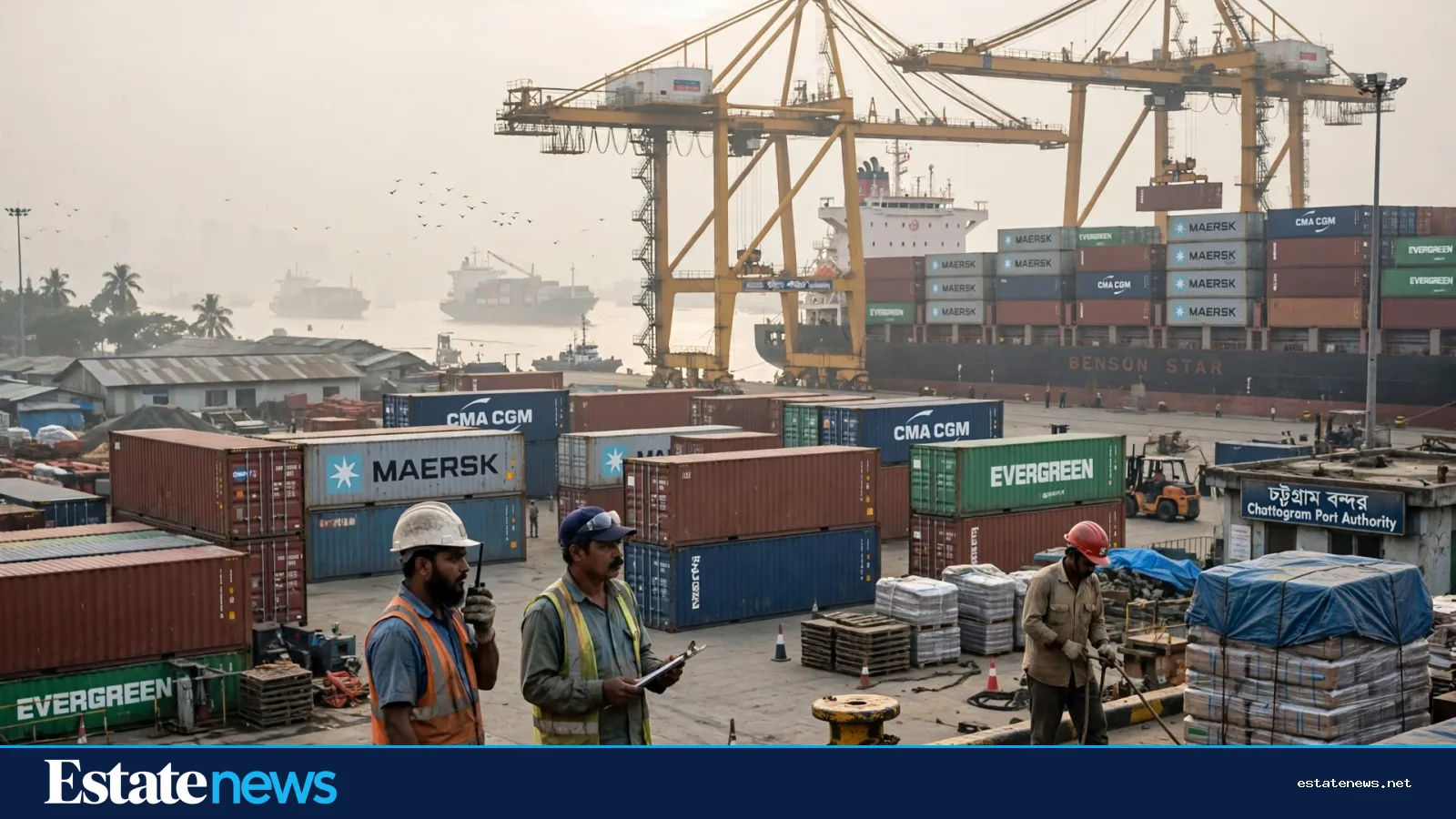
The total barely moved. Bangladesh paid $79.8 billion for imports in fiscal year 2025-26, against $79.4 billion the year before, a rise of just 0.5 percent. The total hides the real story, which is who got the money. According to Bangladesh Bank data reported by The Business Standard, imports from the United States jumped 32.34 percent to $3.6 billion, from $2.71 billion a year earlier. Imports from India fell 11.6 percent to $8.45 billion, from around $9.5 billion.
China is still the biggest source by a distance, with imports up about 4 percent to $18.9 billion. India stays the next-largest source. The change is in the direction of travel. Five years ago, in FY22, Bangladesh imported $13.94 billion from India. The figure now stands near $8.5 billion, a fall of about 39 percent in five years.
What America is selling

The American rise has a clear shape. Mineral fuels and oils more than doubled, to $1.6 billion from $778 million. Fuel, cotton, oilseeds and wheat drove the increase. About 95 percent of the LPG Bangladesh imports now comes from the United States, according to Seacom Group chairman Amirul Haque.
Two agreements sit behind the numbers. In July 2025 Bangladesh agreed to import 700,000 tonnes of American wheat a year for five years. In February 2026, under the reciprocal-trade deal, Dhaka committed to $15 billion of energy purchases over 15 years and $3.5 billion of farm goods. The quarterly figures show how fast the shift ran: after the deal was signed on 9 February, imports from the US jumped 113 percent in the April-June quarter, from $605.6 million in January-March to $1.29 billion.
What stopped coming from India
The Indian decline is led by cotton. Bangladesh Bank data shows cotton imports from India fell 14.58 percent to $2.31 billion, from $2.71 billion. Cotton is the raw material of the garment industry, and a shift in where it comes from touches every spinning mill and every export order.


A managing director of a state-owned bank, speaking to TBS without being named, linked the change to political and diplomatic tensions since August 2024, which have affected bilateral trade. Restrictions on both sides have built up since then. Bangladesh suspended yarn imports from India through land ports. India withdrew a facility that let Bangladeshi goods move to third countries through Kolkata airport.
What it means at home
For a household, the shift shows up in fuel before anywhere else. LPG cylinders, cooking gas and the fuel that runs power plants and transport now lean heavily on American supply. When nearly all LPG comes from one country, the price of a cylinder follows the price of that route. For a garment factory, the shift shows up in cotton. American cotton costs more to ship than Indian cotton, and the industry has already warned that being pressed to buy more American yarn would push production costs up.
The cost of the concessions
The shift has a price tag of its own. The Centre for Policy Dialogue estimates the trade-deal concessions will cost the exchequer Tk 1,327 crore in lost import duty revenue in the current fiscal year, according to TBS. Cheaper American fuel and cotton at the border means less duty collected at the border. The government has accepted that cost as part of the deal. Whether the bargain pays depends on what the cheaper inputs do for factories and households over the next year.
The import map has not finished moving. The trade deal commitments stretch over years, and the February agreement locks in energy purchases that will keep American imports high. The question for Bangladesh is whether the new routes settle into reliable supply at workable prices, or whether the country has traded a near neighbour for a distant one and will pay the difference in freight, in fuel and in the cost of a shirt.