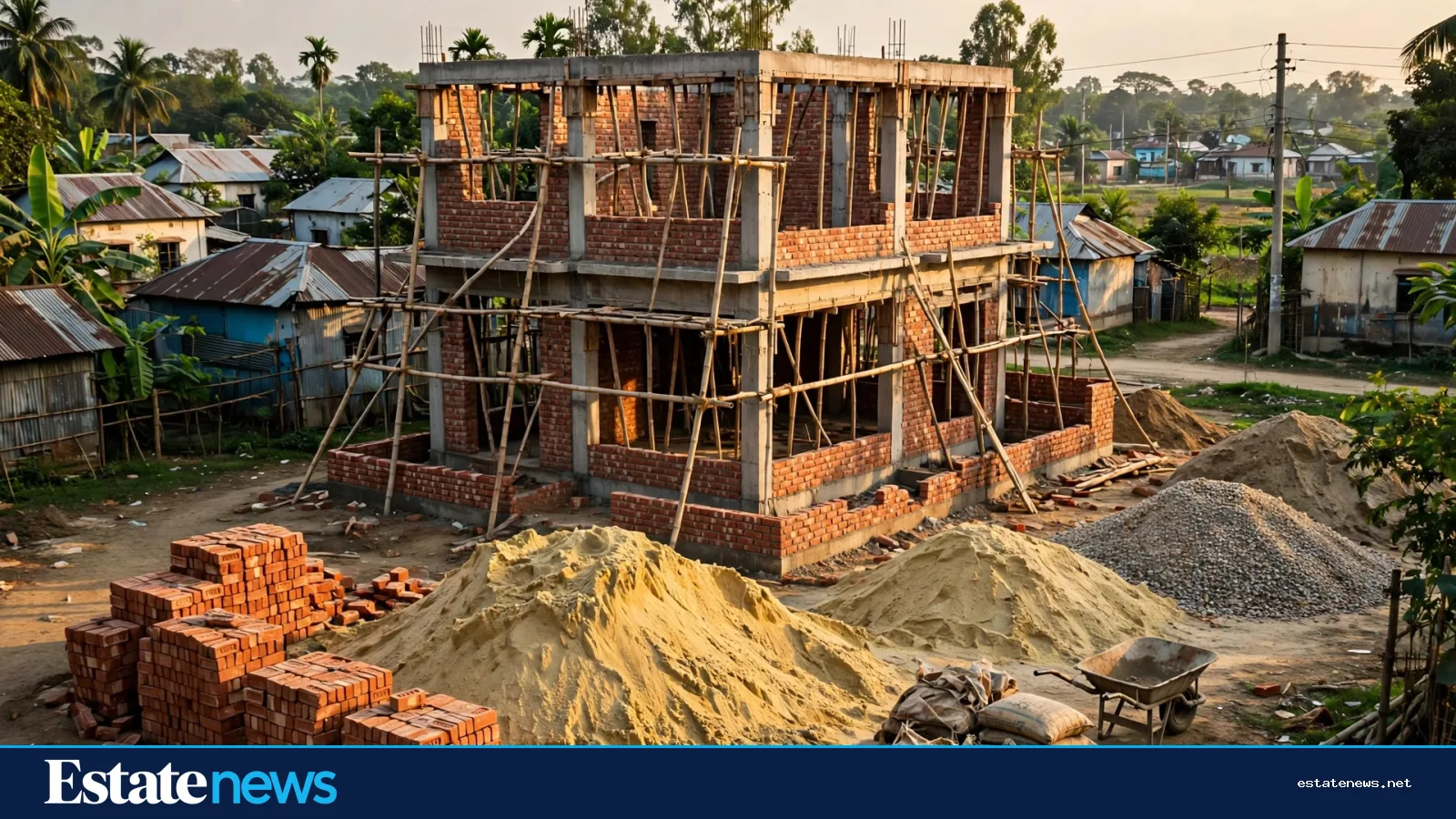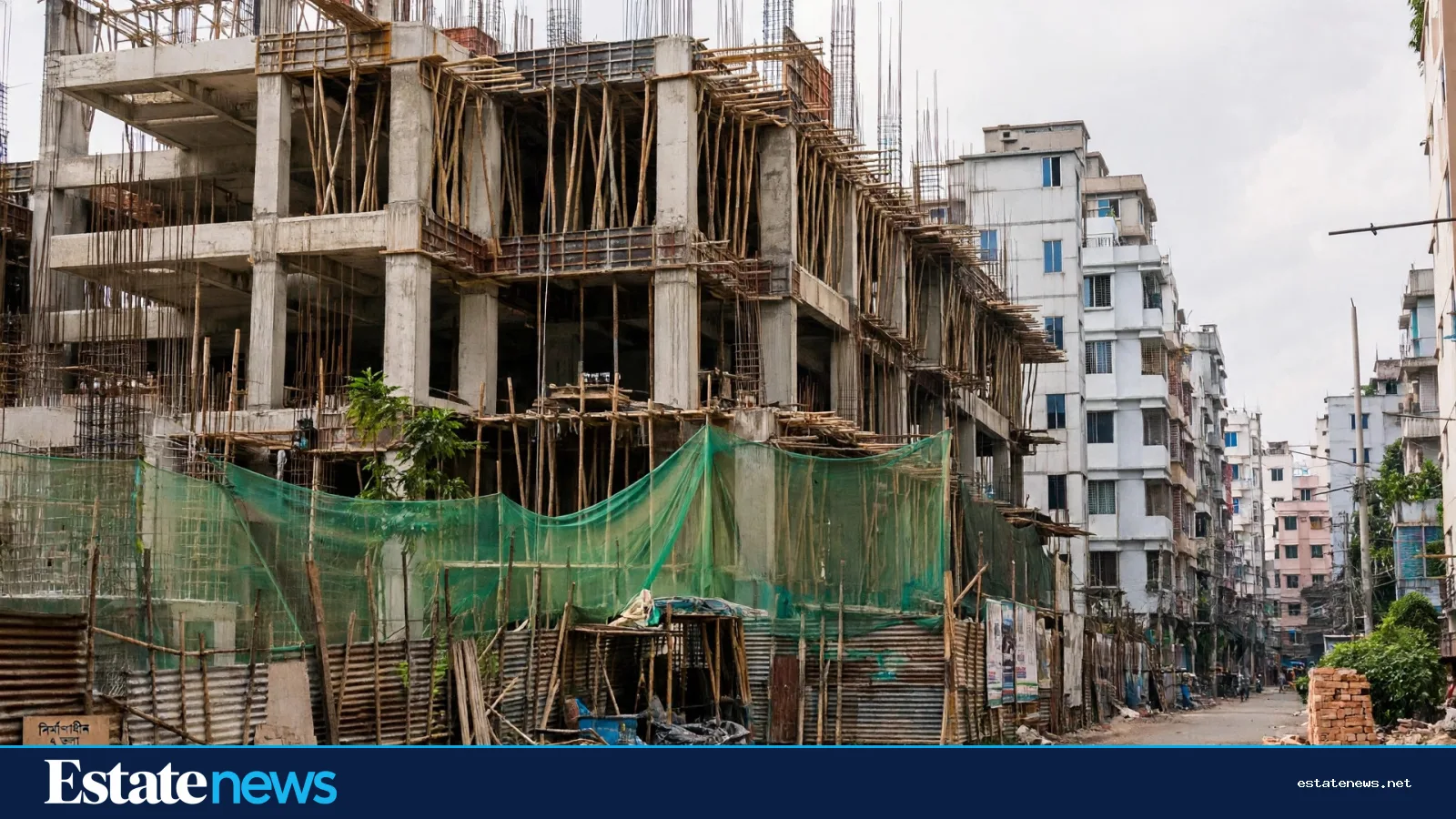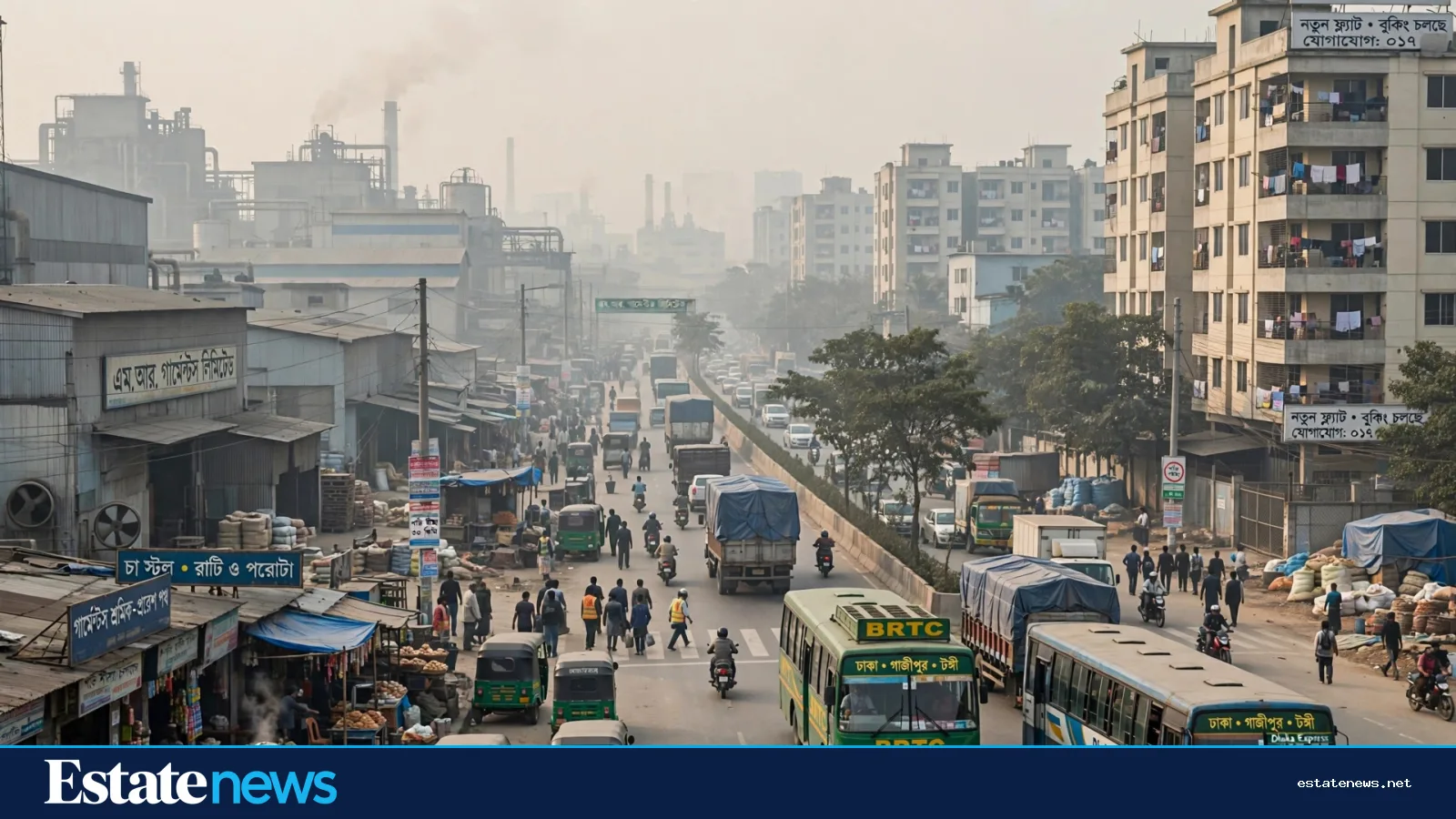
Gazipur did not grow as a suburb first. It grew as a workplace. Factories, workshops, warehouses and the services around them drew workers, managers, traders and their families, and housing followed the jobs. That order still explains Gazipur today: people live there because work is there, or because Dhaka has become too expensive or too far for the home they need, and Gazipur offers a plausible alternative.
The result is a corridor, not a single town. Along the Dhaka–Gazipur highway and the Dhaka–Tangail highway, through Tongi, Gazipur city, Konabari, Kaliakoir and the industrial belts beyond, settlements have grown in patches — some planned, many incremental, shaped by factory locations, bus routes and the availability of land. Understanding Gazipur means understanding that patchwork, not imagining one uniform housing market.
Why families move

The first attraction is space for the money. A family that cannot find a suitable flat in central Dhaka at a manageable cost may find a larger home in Gazipur, sometimes with room for parents, children and a small workspace. For factory supervisors, mid-level managers, small business owners and Dhaka workers willing to travel, that trade can make sense.
The second attraction is proximity to work. For thousands of industrial workers and their families, living near the factory removes a long daily journey and keeps household costs down. Over time, that creates its own local economy: markets, schools, clinics, mosques, transport stands and repair shops that serve a resident population, not only a workforce that arrives in the morning and leaves at night.
The third attraction is the road itself. When the Dhaka–Gazipur corridor moves well, Gazipur feels close to Dhaka. When it does not, the same distance feels much longer. That variability is the central fact of life in the corridor, and it should shape every housing decision made there.
The commute is the cost
Congestion on the Dhaka–Gazipur highway has repeatedly been raised by industry bodies as a source of lost working hours and higher transport costs, with construction work, on-street parking and makeshift occupation of road space narrowing the road. Even outside peak construction periods, a corridor that carries freight, factory transport, buses and private vehicles will be vulnerable to delays.
For a family, the question is not the distance in kilometres but the reliable time, day after day. A journey that takes 45 minutes on a good day and two hours on a bad day is harder to plan around than a consistently longer but predictable trip. School runs, shift work, medical visits and childcare all depend on that predictability.
Bus rapid transit and road upgrades along the corridor have been pursued as answers, but their benefit depends on completion, maintenance and enforcement — keeping bus lanes clear, for example, matters as much as building them. Buyers should therefore test the commute as it is today, not as it is promised to become, and ask what alternatives exist if the main road is blocked, as it was during recent worker protests on the Dhaka–Tangail highway in late October 2026, when traffic was disrupted for hours.


Services have not always kept pace
Rapid housing growth brings familiar strains. Water supply, drainage, sewerage, waste collection and electricity can lag behind new construction, especially in areas that grew plot by plot rather than through a single planned scheme. Low-lying land, filled ponds and inadequate drainage raise the risk of waterlogging in heavy rain — a risk that is easy to miss in the dry season and costly to discover later.
Buyers should also look at the social infrastructure. Is there a reliable school within a safe walking or short commuting distance? Is primary healthcare accessible without a trip to Dhaka? Are markets, parks and community spaces part of the neighbourhood, or does every errand require the highway? The answers vary sharply between established parts of Gazipur city and newer pockets near factories, and they matter more, over years, than the finish of a single flat.
In Gazipur, the best home is rarely the newest building. It is the one whose road, water, drainage and daily services still work when the corridor is at its busiest.
What to check before buying or renting in Gazipur
- Travel the exact commute at the exact hours you will travel it, including the return journey and a rainy-day alternative.
- Visit after heavy rain, and ask neighbours — not only the seller — about waterlogging, water supply and power cuts.
- Check land and building papers independently: title chain, approved plan, mutation status and whether the plot's land class and use match the building.
- Ask about the source of water, the sewerage arrangement and who maintains internal roads, drains and common areas.
- Look at the factory and freight context: truck movement at night, noise, dust and the safety of walking routes for children.
- Compare total monthly cost, including transport, not only rent or purchase price. A cheaper home with an expensive, unreliable commute may cost more in time and money.
A corridor still taking shape
Gazipur's future will be decided less by any single project than by whether transport, drainage, water and planning keep pace with the homes already being built. Where those systems improve together, the corridor can offer what many Dhaka families want: more space, closer to work, with a viable link to the capital. Where they do not, growth can outrun liveability, and families pay the difference in hours lost on the road and services that strain under new demand.
That is why Gazipur should be judged as a place to live through a working week, not as a location on a map. The families who thrive there are usually those who chose a neighbourhood for its commute, services and papers together — not for any one of them alone.
Follow Estate News on Facebook for daily property, market and money updates: https://www.facebook.com/profile.php?id=61593817347872