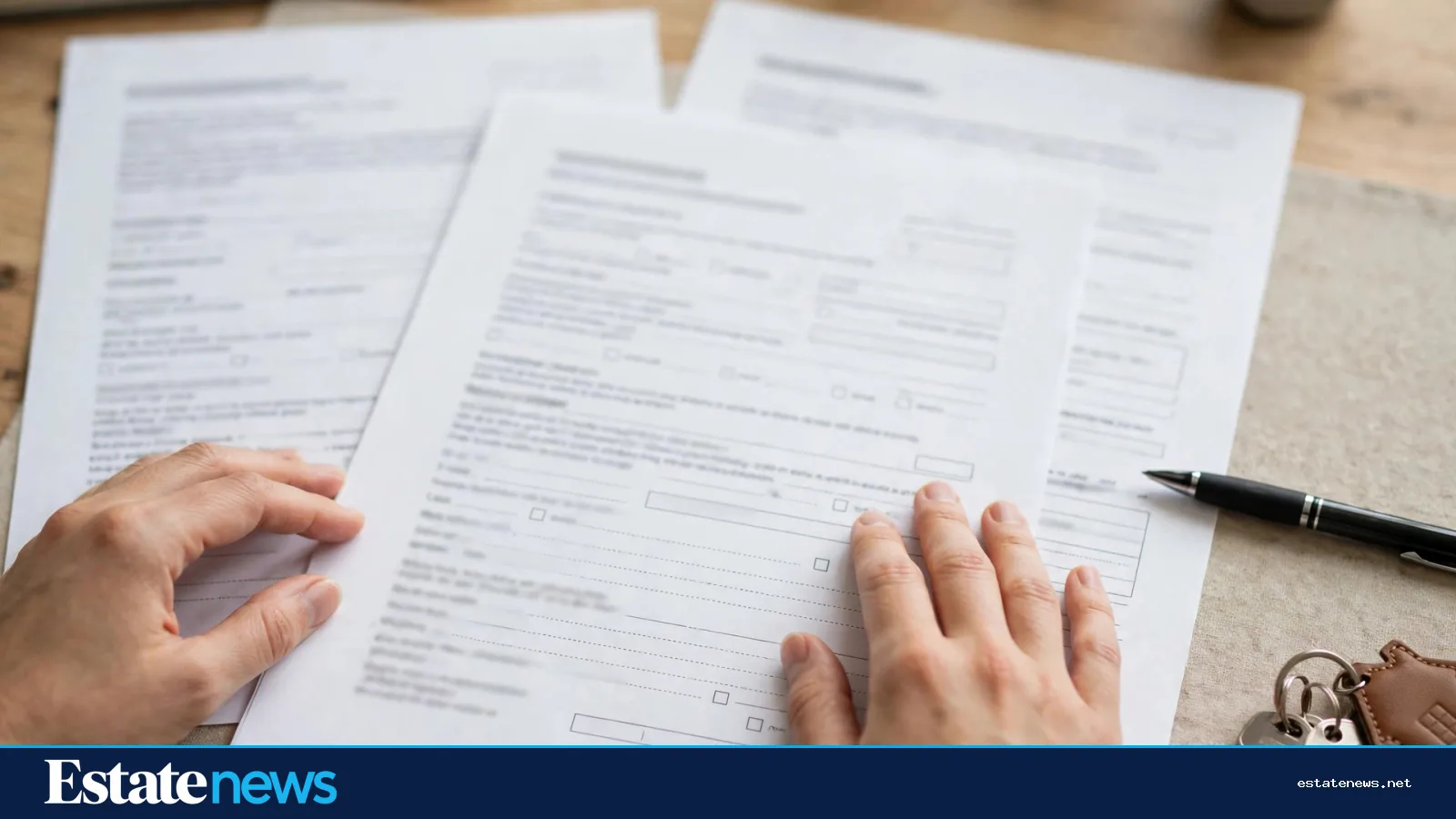
Most flat buyers remember the site visit. Few remember the agreement with the same clarity, yet it is the agreement — not the brochure, the model flat or the sales conversation — that governs what happens if construction slows, specifications change or handover slips. By the time a dispute arises, the time to negotiate the important clauses has usually passed.
This is general information, not legal advice for any individual purchase. Procedures and requirements can vary by project, land type and the offices involved, so buyers should have the final document reviewed by an independent lawyer before signing and should confirm current requirements with the relevant sub-registrar and land office.
Start with what is actually being sold

The agreement should identify the flat precisely: project name and address, building and flat number, floor, size, the share of land that goes with the flat, parking space if any, and the common areas included. Vague descriptions create disputes later, especially over parking, utility connections and the exact area delivered.
It should also state the basis of measurement and what happens if the delivered size differs from the promised size. Is there a tolerance? Is the price adjusted? Is the buyer entitled to compensation or to withdraw? If the agreement is silent, the buyer has little to rely on when the final measurement surprises them.
The seller's side matters just as much. The agreement should record who is selling, on what authority, and what title and approvals support the project — including the approved building plan and, where relevant, the developer's standing. A buyer who checks only the flat and not the land and approvals behind it is checking half the purchase.
The payment schedule is a risk schedule
How and when money is paid decides how much risk the buyer carries at each stage. A schedule tied to visible construction milestones — foundation, structure, finishing stages, handover — is generally safer than large advance payments made before work is visible. Buyers should ask what each instalment is tied to, what evidence of progress triggers it, and how payments are recorded.
Payment method matters too. Bank payments create a clear trail; cash payments without proper receipts create disputes about what was paid and when. Every payment should be receipted, and the receipt should match the agreement's schedule and the flat's identification. If a seller asks for a payment outside the written schedule, that request should be put in writing and checked before it is paid.
Buyers should also confirm who bears which additional costs: registration, taxes, utility connection charges, service charges and any transfer or documentation fees. A price that looks complete in a brochure can grow materially once those items are added, and the agreement — not a verbal assurance — should state who pays what.
Handover: date, condition and proof
The handover clause deserves the closest reading. It should give a clear date or a clear way of calculating it, state what "handover" means in practice — possession, keys, utility connections, completion of common areas — and say what happens if that date is missed.
Key questions include:
- Is there a grace period, and how long is it?
- Is compensation payable for delay, at what rate, and from when?
- Does the buyer have a right to inspect the flat before accepting handover, and to list defects for correction?
- What happens to common areas, lifts, water, gas, electricity and fire safety if they are not ready when individual flats are handed over?
- Who is responsible for defects found after handover, and for how long?


A handover that consists only of keys, without utilities or completed common facilities, may not be a home the buyer can occupy. The agreement should not leave that distinction to interpretation.
Cancellation, refund and transfer
Life changes, and so do purchases. The agreement should explain, in plain terms, what happens if either side cancels: how much is refunded, over what period, what deductions apply, and whether the buyer can transfer or assign the booking to another person. Cancellation clauses that allow the seller to retain large sums while giving the buyer little recourse should be a warning sign, not a detail to skim.
Equally important is what happens if the seller cannot deliver — if approvals fail, the project stalls or the land title is challenged. The agreement should address refund, timeline and the buyer's remedies in that event, rather than leaving the buyer to argue from general principles after money has been paid.
Quality, specifications and changes
The specification schedule — flooring, fittings, doors, windows, sanitary ware, electrical work — should be attached to the agreement, not left to a brochure that can be changed. If the developer reserves a right to substitute materials, the agreement should say whether substitutes must be of equivalent quality and who decides.
Buyers should also check the clause on plan changes. Can the developer alter the layout, the common areas or the number of units? Must buyers be notified? Do they have any right to object or withdraw if a material change is made? A project that can change substantially after booking, without buyer consent, transfers a great deal of risk to the buyer.
If a promise matters to your decision, it belongs in the signed agreement — not in a brochure, a message or a conversation you cannot prove later.
What to get in writing, before you sign
- The full agreement and all annexes, including specifications, payment schedule and layout plans, reviewed by an independent lawyer.
- Evidence of title, approved plan and the seller's authority to sell, checked independently rather than accepted from sales material.
- A written record of every payment, matched to the agreement.
- Any assurance about handover date, penalty for delay, parking, utilities or finishes, included in the agreement itself.
- A clear statement of who pays registration, taxes, utility and service charges, and when.
- The procedure for inspection, defect correction and handover acceptance.
A final caution
No clause can remove all risk from buying an under-construction flat. Construction, approvals and markets can all change. What a careful agreement can do is allocate that risk fairly, make delay and defect procedures predictable, and give the buyer a written record to rely on. That is why the most important viewing is not of the model flat, but of the document that will govern the purchase long after the sales office has closed.
If any clause is unclear, contradictory or missing, pause. Ask for it in writing, take independent advice, and do not rely on an assurance that contradicts the signed text. The signature is the commitment; everything else is conversation.
Follow Estate News on Facebook for daily property, market and money updates: https://www.facebook.com/profile.php?id=61593817347872