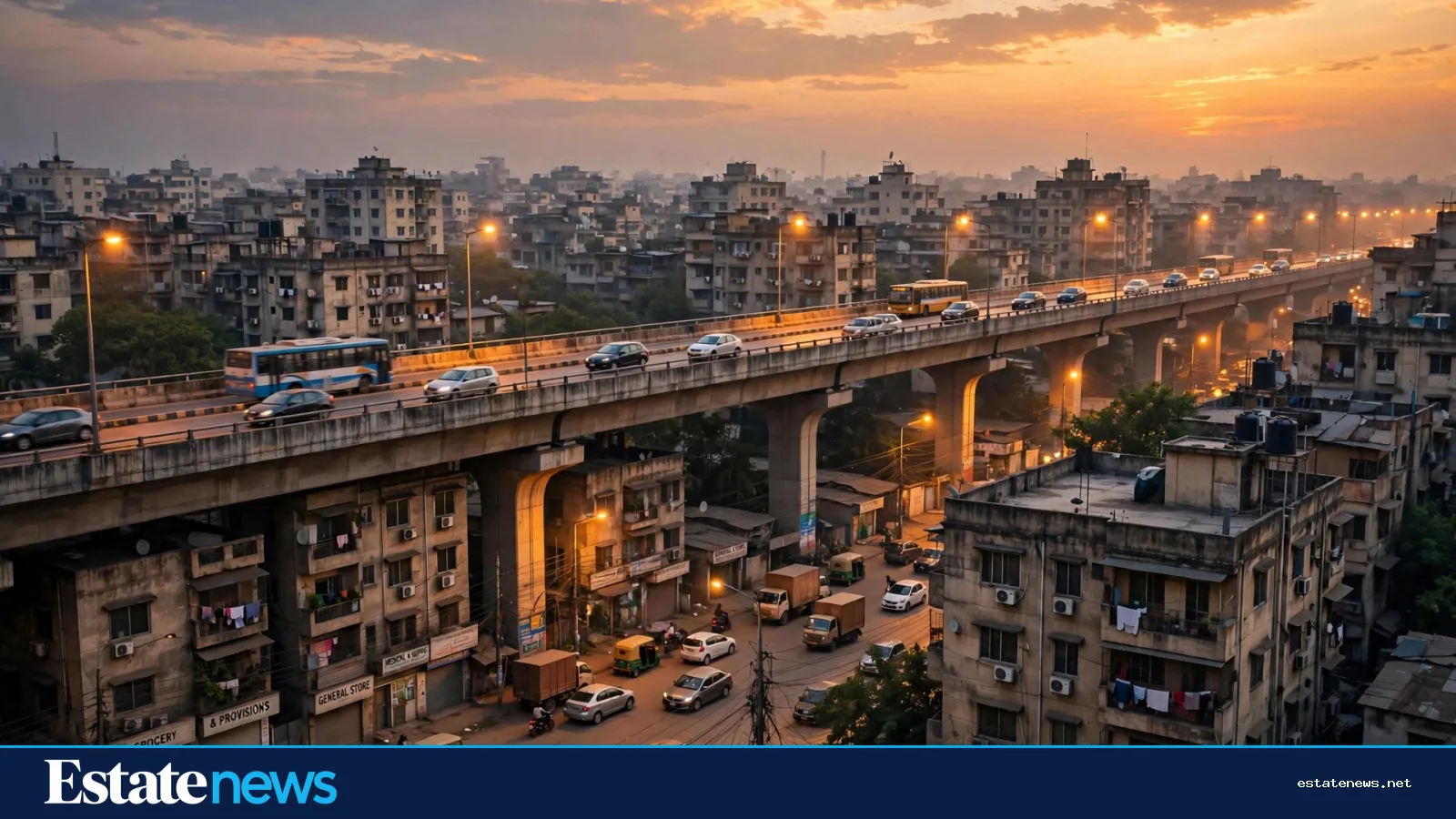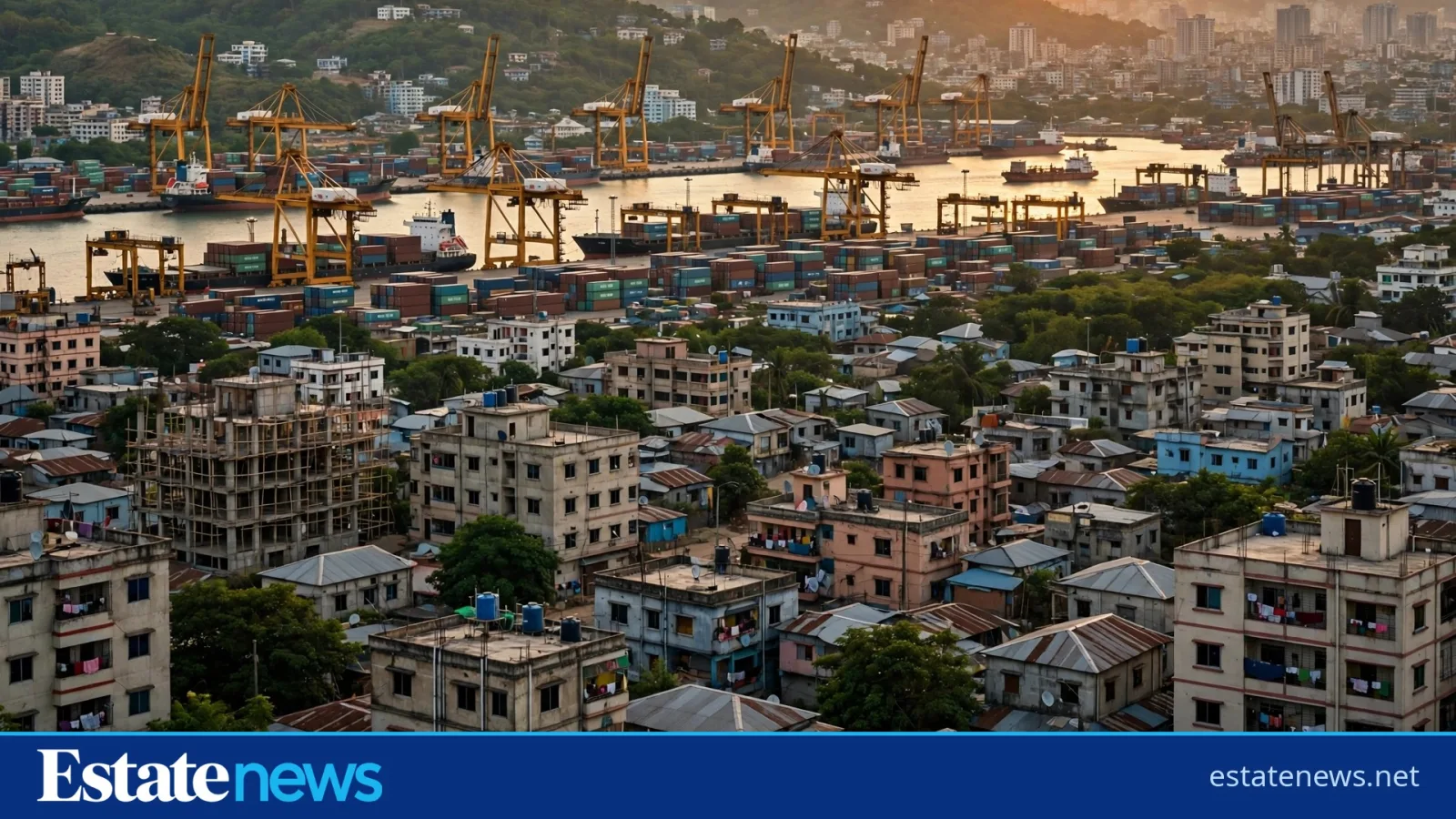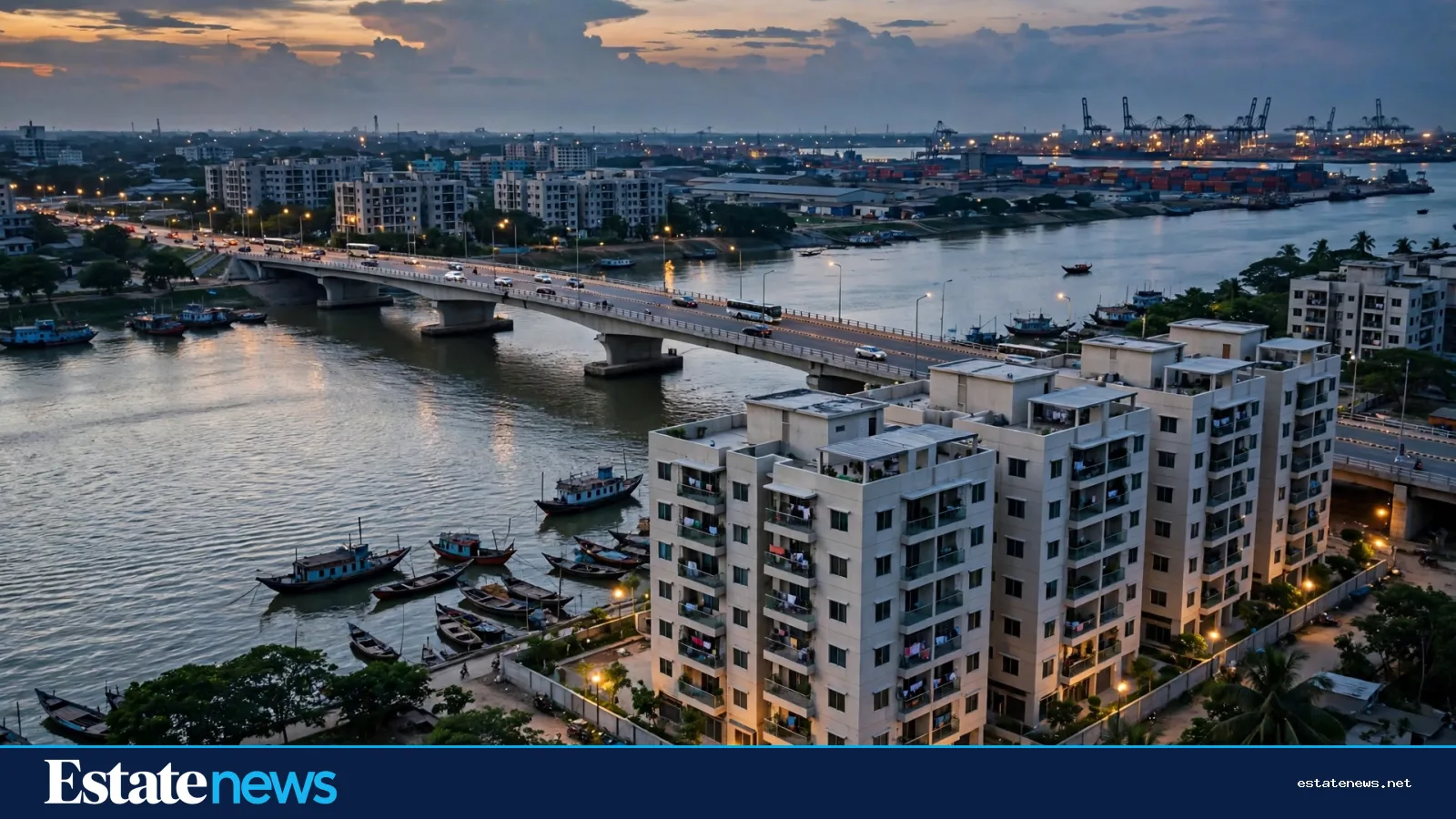
Rivers divide cities, and they also define them. For generations, the Karnaphuli divided Chattogram into a busy northern bank, where the port, the commercial centre and most established housing sit, and a quieter southern bank, reached by bridge and ferry and long treated as the city's elsewhere. The opening of the Karnaphuli tunnel — the river's first underwater road link — changed the crossing itself. What it has not yet settled is what the south bank becomes. That slower story, of housing, services and daily life taking shape on the far side of the river, is the one buyers need to understand.
The logic of the corridor is straightforward. Chattogram is Bangladesh's principal port city, and port-linked work — shipping, logistics, warehousing, manufacturing and the services around them — shapes where people need to live. Land on the northern bank, near established commercial and residential areas, is limited and expensive. The south bank offers space. A faster, all-weather crossing makes that space newly practical for people who work in or around the port economy, and for families who want a larger home than the northern bank easily offers. That is a real change in connectivity, and it is reasonable to expect it to influence where housing is built.
What it does not do, on its own, is guarantee anything about prices, demand or liveability. Infrastructure changes access; it does not by itself create schools, hospitals, reliable water, drainage or jobs in a new area. A corridor can carry commuters, but a neighbourhood needs far more than a road to become a good place to live. Buyers who treat a tunnel as a promise of rising prices are buying a headline, not a home.

What is actually changing on the south bank
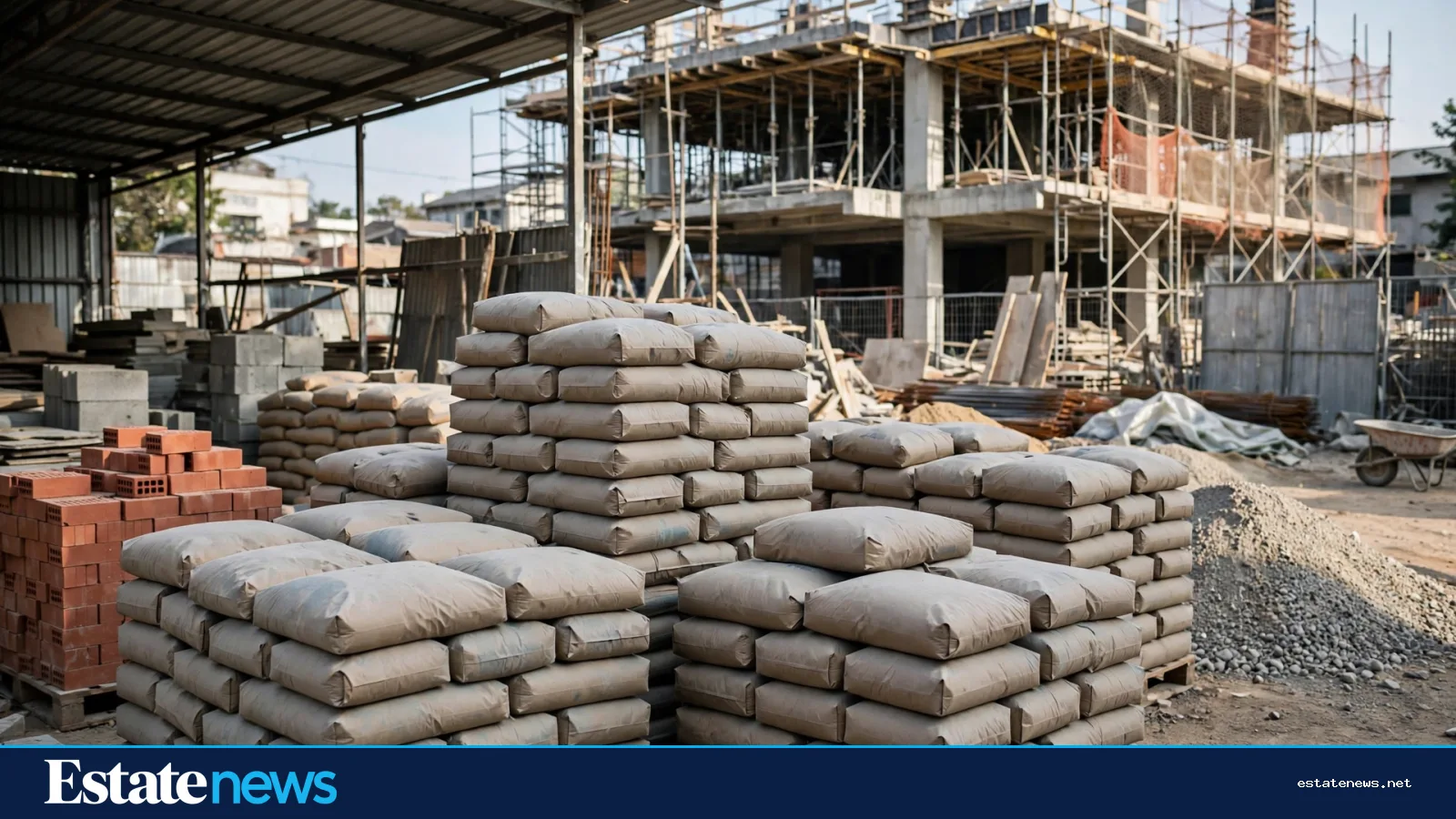
The visible change is construction and land activity: new housing projects, plots being prepared, and commercial interest following the improved crossing. That activity is worth noting, but it should be read alongside harder questions. Are the new projects served by all-weather internal roads, or do approach roads flood and clog? Is water supply reliable, and is drainage adequate for a low-lying riverine area? Are there schools, clinics and daily markets within practical reach, or does every errand still require a trip back across the river? The answers vary by location along the corridor, and they matter more than any general claim about the south bank as a whole.
Port-linked housing has its own character. Workers and managers connected to shipping and industry value proximity to work, but they also value the same things every family values: safe streets, decent schools, healthcare and a neighbourhood that functions after working hours. Areas that grow only as dormitories for a single industry are vulnerable when that industry slows. Areas that develop a mix — housing, small commerce, services and transport links — are more resilient. Buyers should look for that mix, or for credible signs of it, rather than assuming it will arrive.


What buyers should verify before buying
The checklist for a south-bank purchase is the same disciplined checklist that applies anywhere, with a few corridor-specific additions. First, title and approvals: verify the deed chain, mutation records and the relevant development authority approvals through a lawyer, and confirm that the plot or project is not caught in a dispute or an unapproved layout. Second, flood and drainage: ask about the area's history during heavy rain and monsoon, check ground levels relative to surrounding roads, and look at how water actually drains after a downpour. Riverine land rewards this scepticism.
Third, connectivity in practice, not on paper. Travel the route at peak hours. Time the crossing, the approach roads and the last mile to the project. A corridor that is fast at midday and congested at rush hour is a different proposition from one that is consistently reliable. Fourth, services and completion: if buying under construction, examine the developer's track record, the payment schedule and the handover terms with the same care as any Dhaka purchase, and be cautious about promises tied to future infrastructure that has no firm timeline. Fifth, resale reality: ask who the next buyer would be. A home that only makes sense if a particular road, bridge or industrial project arrives on schedule is a speculative purchase, not a housing decision.
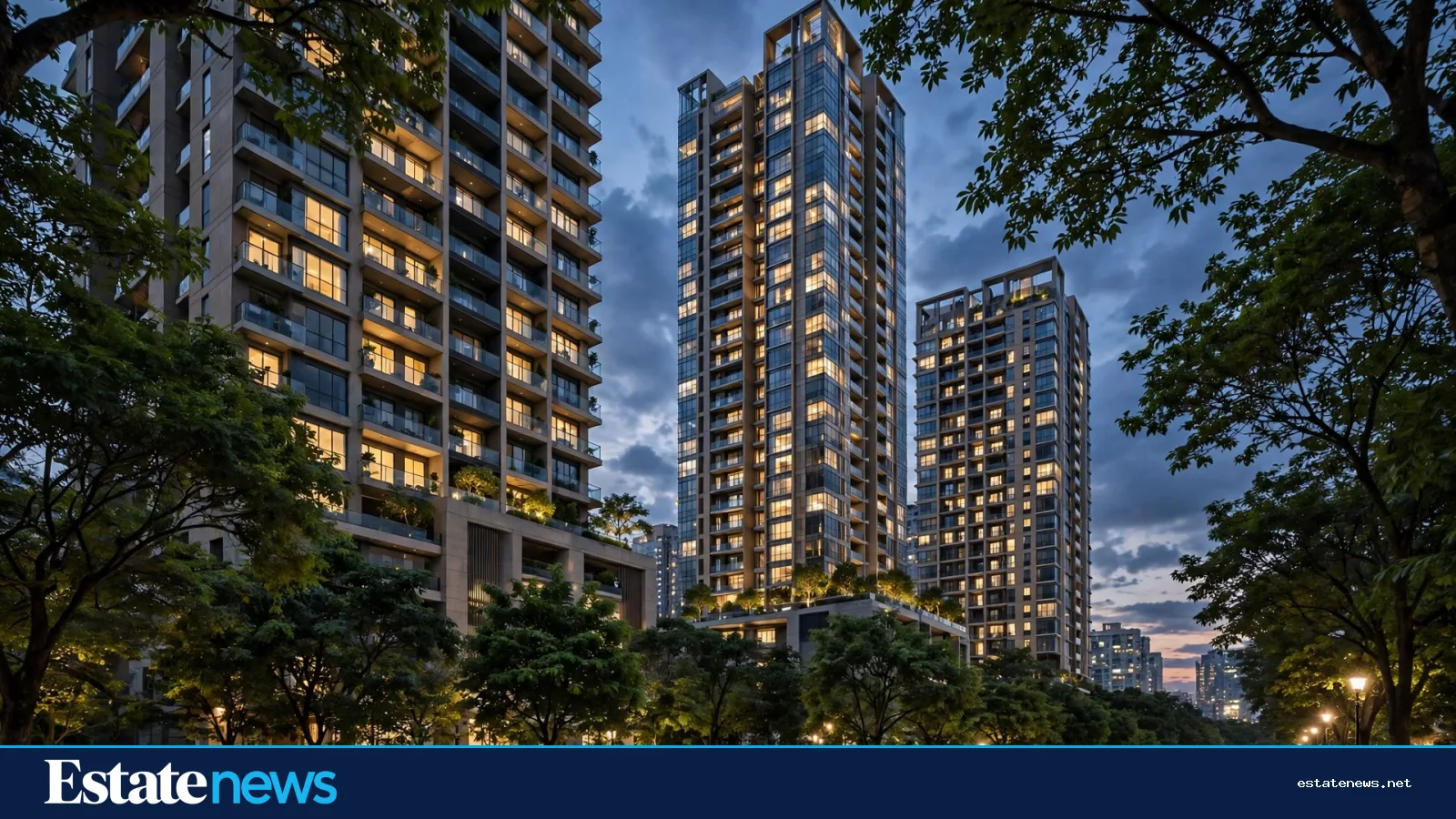
There is also a longer, more hopeful story here that deserves attention without exaggeration. If the south bank develops well — with planned roads, drainage, services and a mix of housing types — it could relieve pressure on Chattogram's crowded northern bank and offer families a genuine alternative. That is a planning achievement worth watching, and it is already visible in the attention the corridor receives. But planning achievements are judged over decades, not over a single season of launches. The tunnel opened a door. Whether the neighbourhoods beyond it become good places to live depends on everything that happens next: utilities, governance, services and the patience to build them properly.
For now, the fairest description of the Karnaphuli corridor is that it has changed Chattogram's geography and is beginning to change its housing map. That is significant enough without embellishment. Buyers who verify title, drainage, services and real travel times — and who buy a home they would be happy to live in even if no further infrastructure arrives — will be well placed whatever the corridor's next chapter brings.
Follow Estate News on Facebook for daily property, market and money updates: https://www.facebook.com/profile.php?id=61593817347872