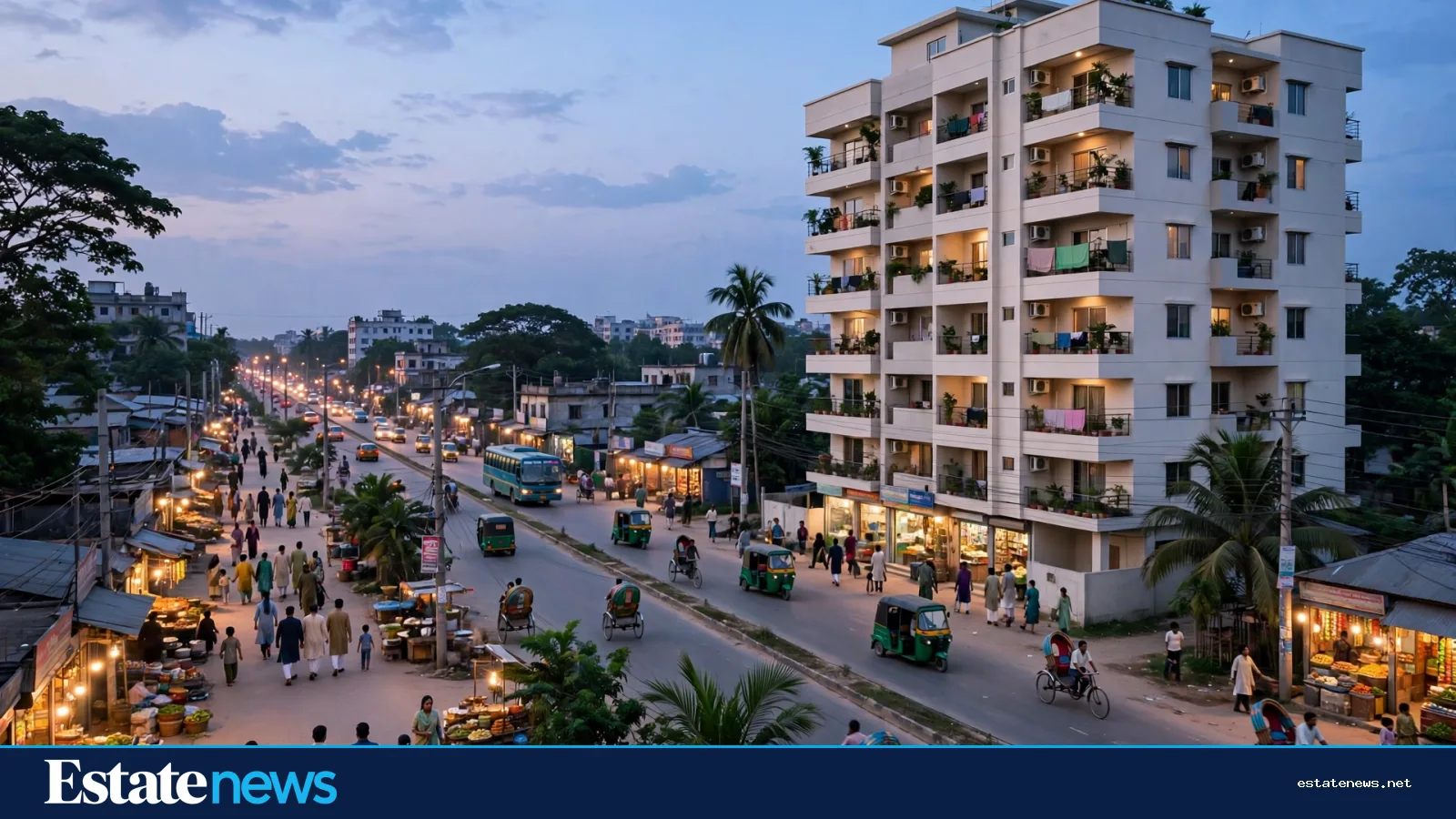
Dusk comes fast to the highway at Cumilla. Buses bound for Chattogram pull out of the town in a long line, their headlights already on, while rickshaws weave between them with shoppers heading home. On one side of the road a new apartment block stands with its windows lit, eight floors of balconies where washing hangs and a child leans on a railing to watch the traffic. Twenty years ago this stretch was a place to pass through. Now people stop here, and some of them stay.
Cumilla has spent a long time as a town on the way to somewhere else. It sits about halfway between Dhaka and Chattogram on the country's busiest road, and for decades that was its whole story: a market town, a district headquarters, a stop for a bus and a cup of tea. The town is changing shape. Flats are rising in its older neighbourhoods, Dhaka developers have arrived alongside local ones, and buyers who once looked only at the capital are looking at Cumilla instead. The question is whether a highway town can learn to be a city without losing the things that made people want to live there.
A river town that the highway remade

Cumilla stands on the banks of the Gomati river, with roots that reach back to the ancient Tripura kingdom, and it has long been an important regional hub, according to a Daily Star report from July 2025. The modern turn came with roads. The N120, the Dhaka-Chattogram highway, runs through the city, and the N114 bypass gives traffic a way around it. The Cumilla Export Processing Zone, CEPZ, keeps bringing in businesses and jobs, and each new job adds a household looking for a place to live.
The city took a formal step in 2011, when it was raised to city corporation status. The years after that brought steady growth, and the skyline began to move upward. Pradip Nandi, chairman of Nandi Real Estate and Developers Ltd and Sarna Kutir Developers Ltd, told the Daily Star that real estate development in Cumilla started from 2000, and that his own companies entered the market in 2008. Another local developer, Gold Silver Homes Ltd, told the paper that the city has seen a clear surge in high-rise projects since 2010. The low houses and scattered commercial buildings that once defined the town gave way, floor by floor, to something taller.
Seven to twelve floors, and a market finding its feet again
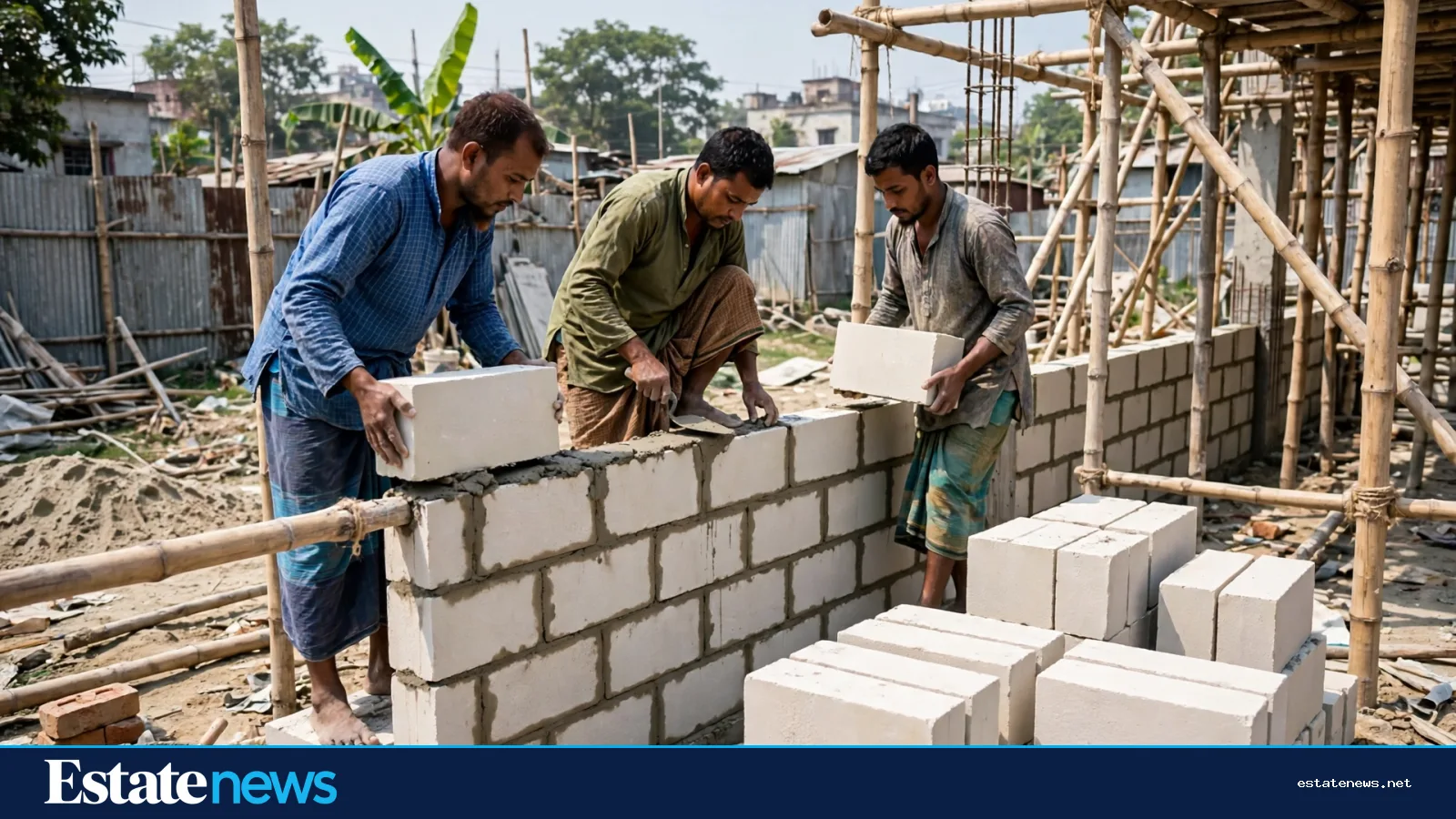
The new buildings share a shape. Local developers such as MRC Builders, Gold Silver Homes, Nandi Real Estate and Sarna Kutir Developers have put up multi-storey residential buildings, typically seven to twelve floors high, according to the Daily Star report. They replaced a low-rise skyline with a stepped one, and they did it with local money and local buyers: government and private jobholders, doctors, business owners, families who wanted to stay in Cumilla rather than move to Dhaka.
Dhaka companies followed. SEL, Structural Engineers Ltd, and bti have both taken on projects in Cumilla, the report said. Their arrival matters because it tells a buyer something no brochure can. A developer from Dhaka does not build in a district town unless it believes the town will keep growing.
Growth did not run in a straight line. The market suffered sharp setbacks during the Covid-19 pandemic, and again amid the political uncertainty that followed the ousting of the previous government. Projects stalled. Buyers waited. Then, in the words of Rtn. Md. Zahirul Kabir, a director of Gold Silver Homes, demand has been rising again since December 2024. Projects are restarting, buyers are regaining confidence, and the skyline is beginning to rise once more. A study of the city's land use, published in 2020, projected that its urban area could grow by almost 145 percent by 2030 compared with 2001, from 2,405 hectares to 5,893 hectares. That is a projection, not a promise, but it points the same way as the cranes: outward and upward.
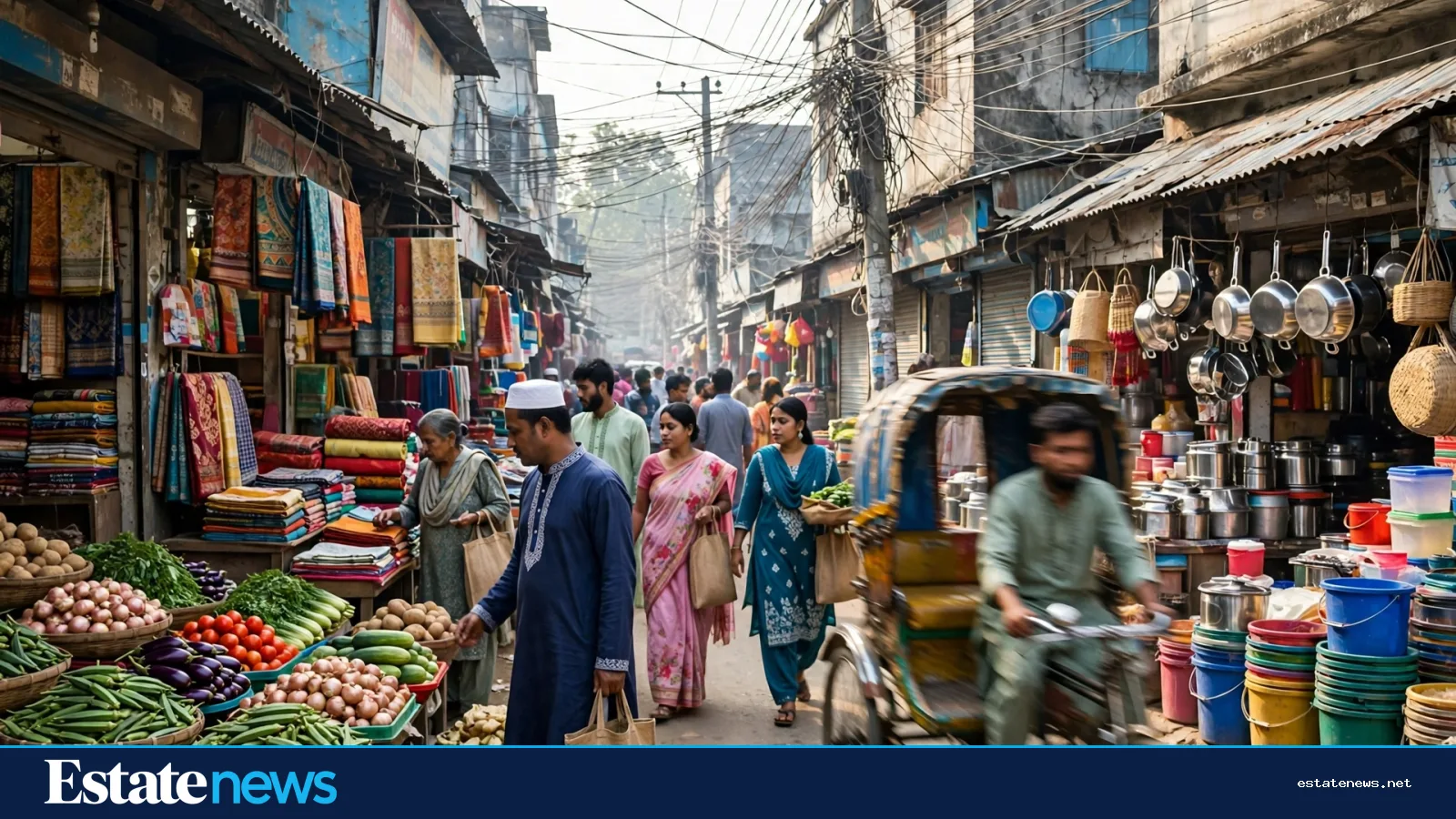
Walk through Jhawtola on a weekday morning and the change is easier to see than to measure. Shops open their shutters, schoolchildren cross the road in groups, and a new building's gate opens onto a street that still has the old town's rhythm. The flat blocks do not stand apart from Cumilla. They stand inside it, between the bazaar and the pond, and the people who buy in them are often people who grew up a few streets away.


Where buyers look first
Demand for flats stays strong in a handful of neighbourhoods, and the pattern says a lot about what Cumilla buyers want. Jhawtola, Bagichagaon, Badurtola and Talpukurpar draw buyers for their civic amenities, schools and connections, according to the Daily Star report. So do the localities near Nanua Dighi and Ranir Dighi, the two old ponds whose edges have become some of the town's most wanted addresses. Water and open space, it turns out, sell flats in Cumilla much as they do in Dhaka.
The buyers are a mixed group. Some work in government offices or the EPZ. Some run shops in the bazaar. Some are returning from abroad, or from Dhaka, with savings and a wish to live near family. What they share is a calculation that Dhaka's prices forced on them: a flat in Cumilla costs less, the commute to the capital is a highway drive, and the town has the schools and hospitals a family needs. The trade is distance for space, and for many families it is a trade worth making.
What a buyer should check before signing
A rising market is also a market where a buyer should slow down. Cumilla's new blocks look solid from the road, but the papers behind them are what decide whether a flat is safe to buy. Ask to see the RAJUK approval and the approved plan, and check that the building matches it. Ask for the deed and the chain of title, and confirm the mutation is done in the buyer's name. Visit a project the developer has already handed over, and talk to the people living there. Estate News explained the documents that matter in "How to Verify a Land Title in Bangladesh: The Documents That Matter", and the registration cost that follows a purchase in "Flat Registration Cost in Bangladesh: A Buyer's Guide for 2026".
The checks matter more in a growing town than in a settled one, because the rules are still catching up with the buildings. A developer with a finished project and residents who will speak well of it has passed the only test that counts. A brochure has not.
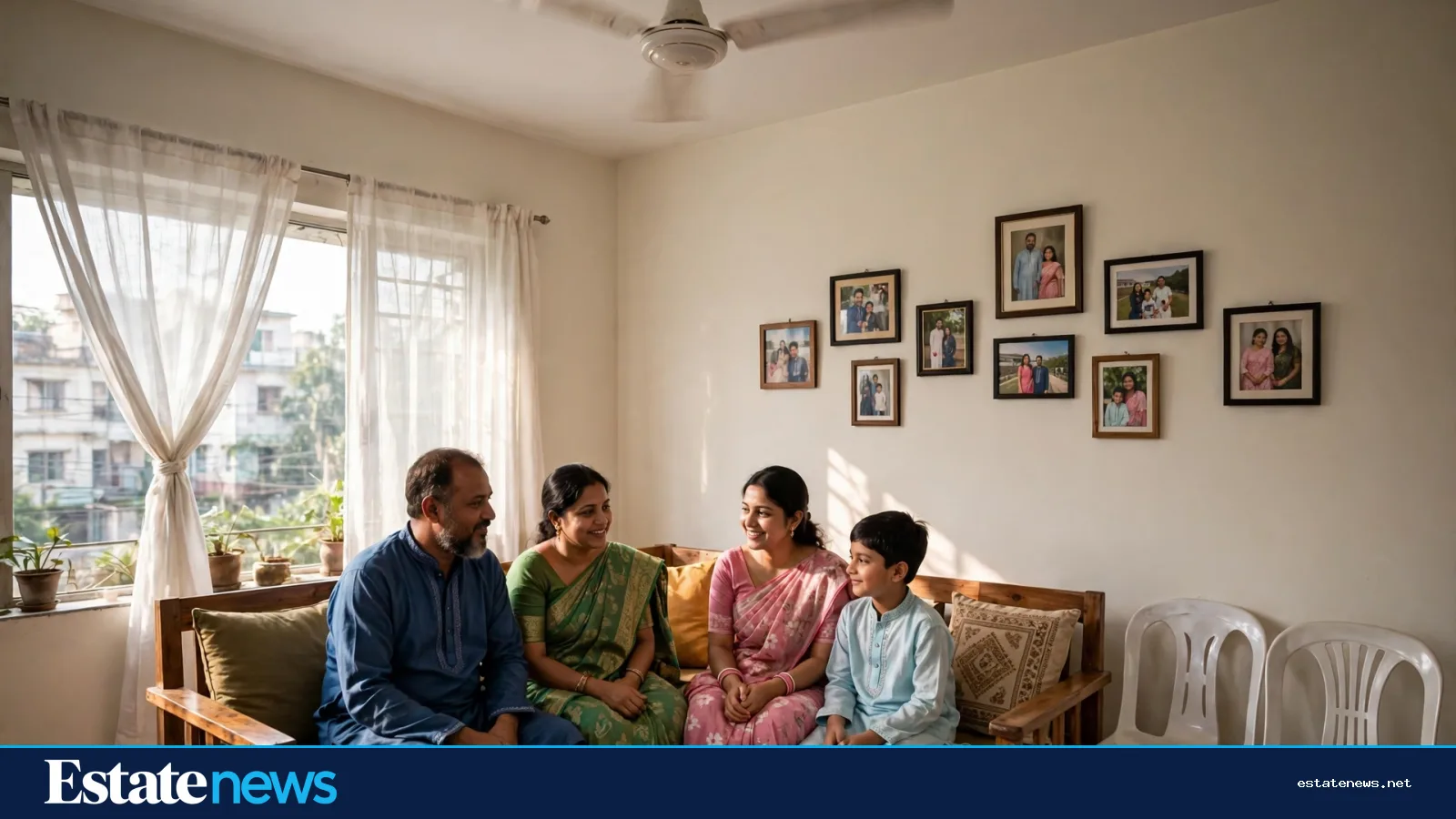
Inside one of the new flats, the change is quieter. The ceiling fan turns above a wooden sofa. Family photographs hang on the wall. A child does homework at the dining table while the highway hums outside the window, and the sound is distant enough to ignore. The family moved here from a rented house near the bazaar, and the flat is the first home they have owned. Nothing about the room is grand. That is the point. Cumilla is not selling grandeur. It is selling a place to live, at a price a working family can reach, in a town that is learning what a city needs.
Cumilla still has the highway running through it, and the buses still leave for Chattogram at dusk. The town has not stopped being a stop on the road. It has added something to the stop: flats with lit windows, shops that stay open late, neighbourhoods around old ponds where buyers now compete for space. Estate News told the story of the ancient city under its hills in "Mainamati: The Buddhist City Buried Under Cumilla's Hills", and the flat market across the country in "Apartment Price in Bangladesh: What a Flat Costs From Dhaka to Chattogram". The next chapter belongs to the town itself. If the growth holds, and if the buildings are matched by roads, water and honest paperwork, the highway town will have become a city in the only sense that matters: a place where people choose to live, not only to pass through. Readers weighing a similar choice in the capital can compare the two ways of living in Dhaka in "Dhanmondi or Bashundhara: Two Ways to Live in Dhaka".