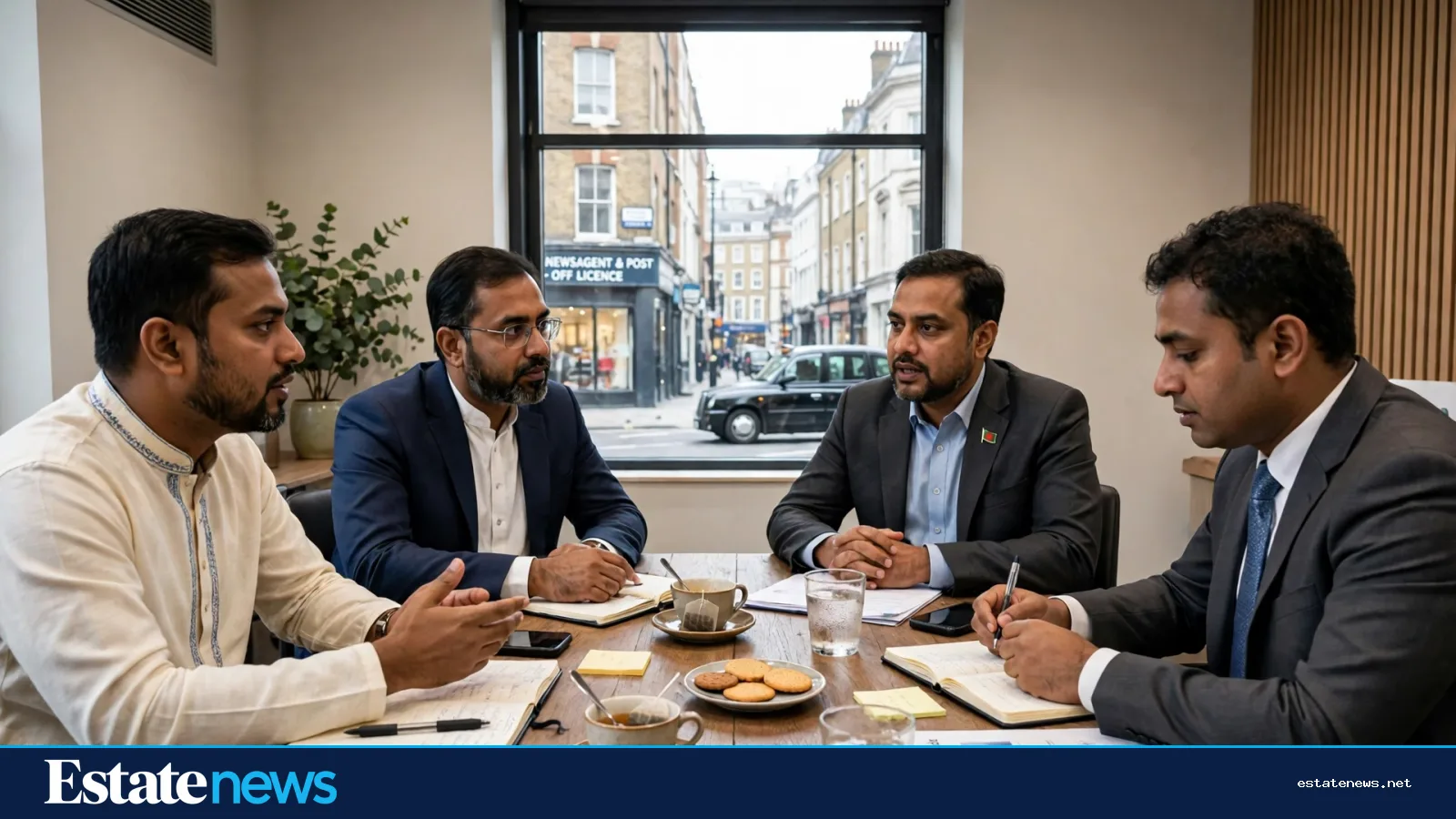
British Bangladeshi business leaders told a London roundtable that political uncertainty, bureaucratic inefficiency, corruption and weak export infrastructure are holding back investment in Bangladesh, even though the opportunities are plain to see. The roundtable, titled "Business Challenges and Emerging Prospects", was jointly organised by The Daily Star and the British Bangladesh Chamber of Commerce and Industry at the chamber's London office on 24 November.
The discussion was moderated by The Daily Star's UK Correspondent-at-Large Bulbul Hasan and presided over by BBCCI President Mohib Uddin Choudhury. BBCCI Secretary General Musleh Ahmed delivered the opening remarks, and BBCCI Director and London Region Chair Shafiqul Islam coordinated the event. What followed was not a list of complaints. It was a room of people who already invest in Bangladesh, or want to, spelling out what would let them invest more.
The barriers, named one by one

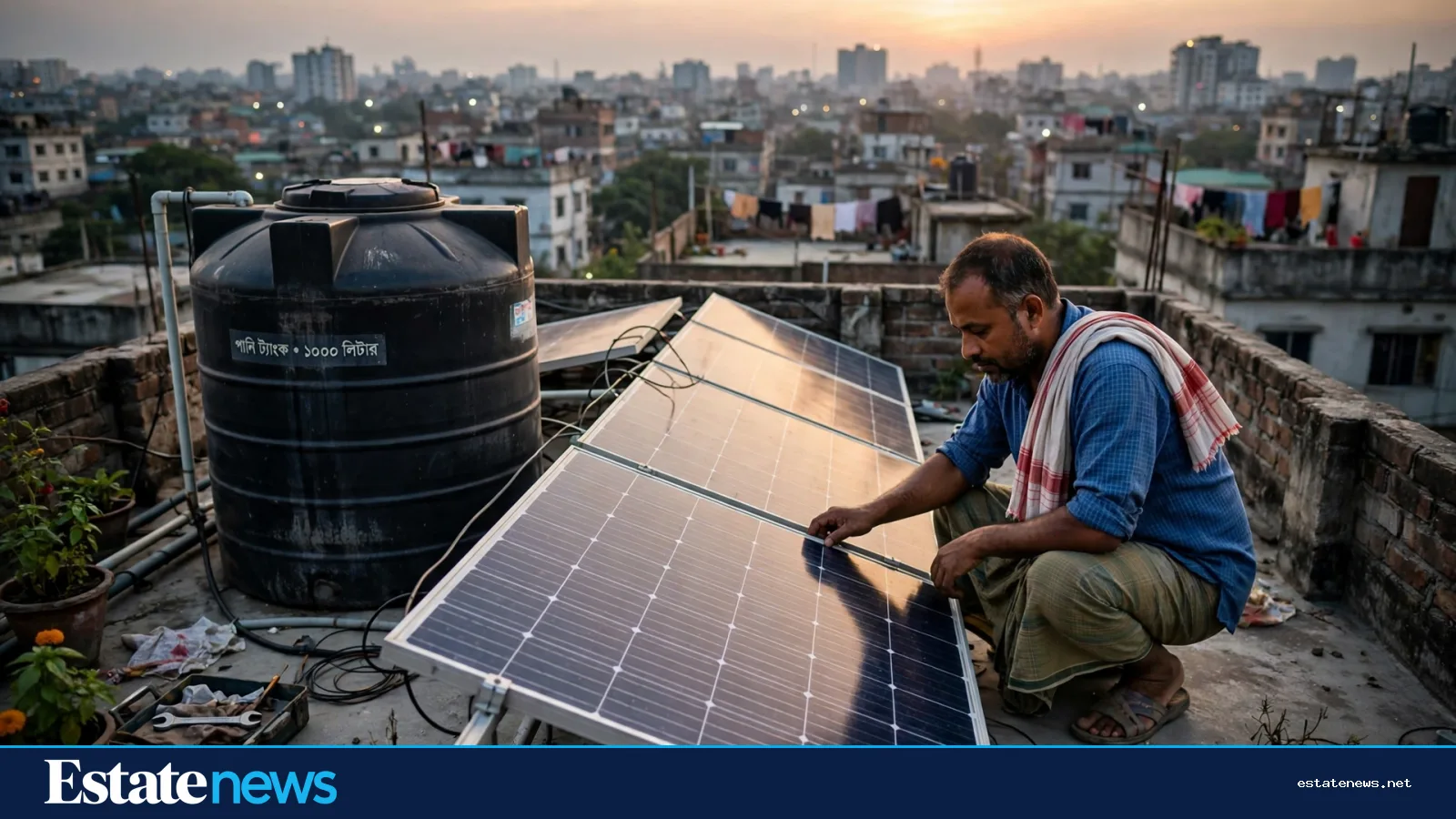
Political uncertainty came first. Former BBCCI President Syedur Rahman Ranu said the country's natural resources, competitive labour costs, large population and growing market offered enormous investment potential, but political uncertainty was undermining investor confidence. Former BBCCI President Bashir Ahmed gave a concrete example of what that means in practice: the cancellation of a solar power project following a government decision, which showed how a sudden policy change could jeopardise an investment already made.
Bureaucracy and corruption drew the sharpest stories. Musleh Ahmed recalled facing outdated licensing requirements when establishing a hotel in Bangladesh, and contrasted the experience with the United Arab Emirates' digital business registration and licensing services. BBCCI Director Abul Kalam Azad said businesses sometimes faced pressure from influential individuals seeking financial or commercial benefits. Unpredictable taxation and inadequate investor protection completed the list of obstacles the room agreed on.
The answer the participants asked for was institutional, not personal. They called for consistent policies, stronger contractual safeguards and effective commercial dispute resolution. Mohib Uddin Choudhury stressed the need for a dedicated arbitration code, and warned that investors must be confident their investments would be protected and commercial disputes resolved fairly and independently. They also called for a functional one-stop digital service, greater administrative accountability and a transparent taxation system.
The opportunity in construction materials


For all the warnings, the room was clear about where the money could go. Sadequl Alam, BBCCI life member and director of CDC Construction, identified construction materials as a promising export sector, citing porcelain tiles, ceramics, decorative bricks, furniture, interior materials and electrical products. He proposed a targeted strategy focusing on around ten competitive products to diversify exports beyond ready-made garments.
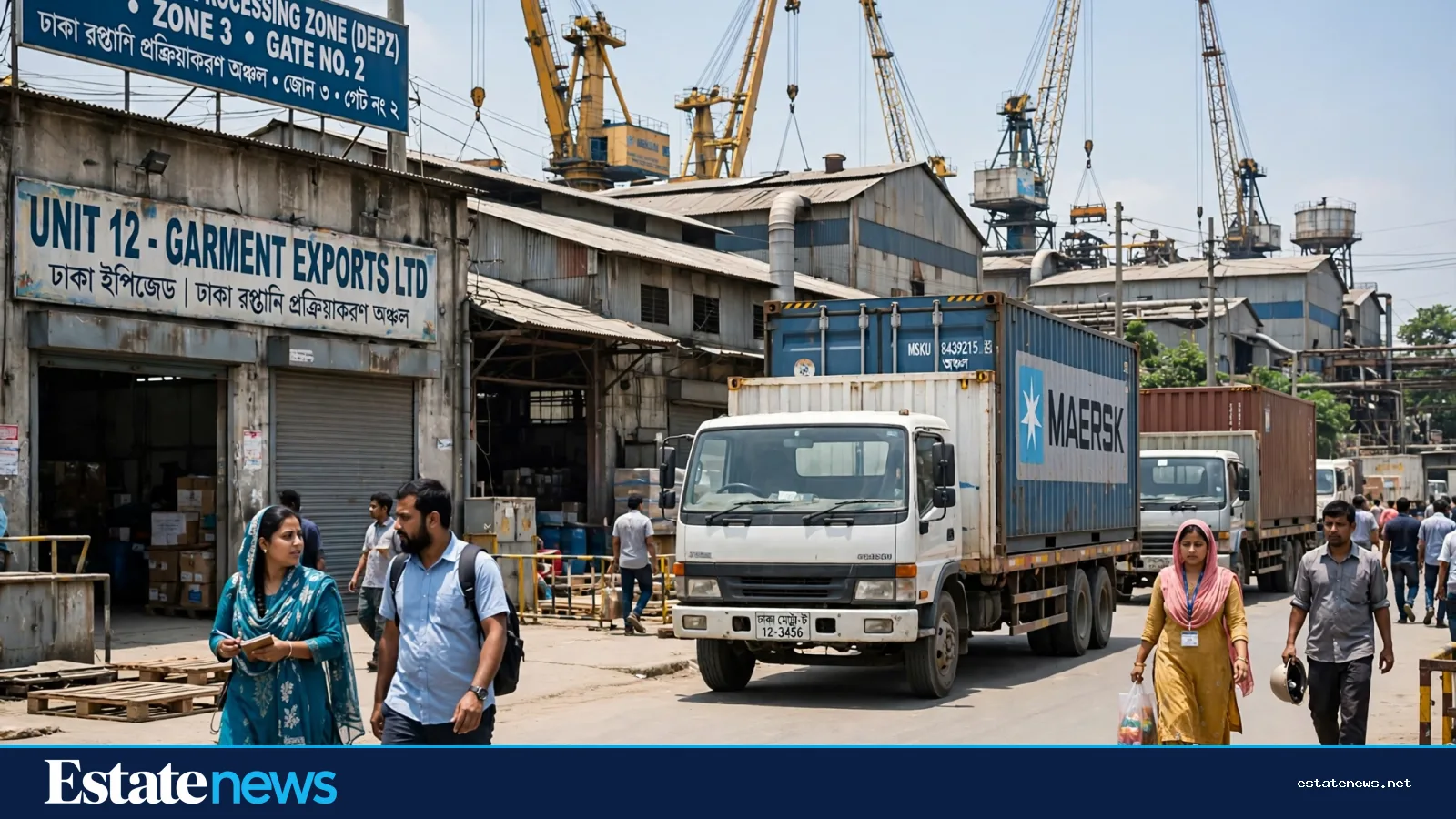
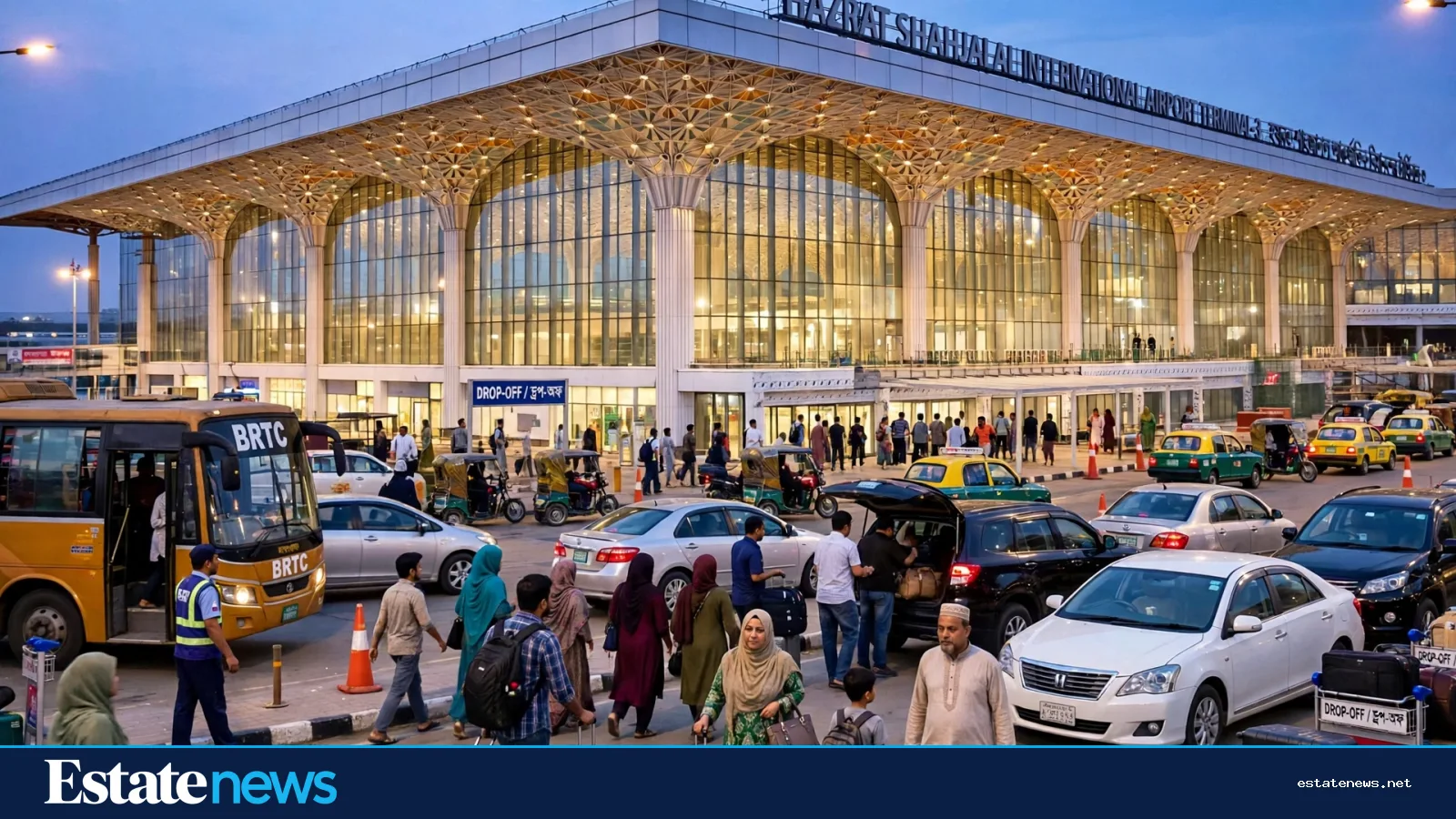
Agriculture offered a second opening. Mangoes, vegetables and Sundarbans honey could all sell abroad, the participants said, but inadequate cold storage, packaging, quarantine facilities and air cargo capacity continue to restrict exports. BBCCI Director Gulam Kibria Oyes shared his own experience of financial losses caused by administrative and airport delays when exporting fresh produce to the UK. The room pointed to modern packing houses, efficient cold chains and improved transport infrastructure, citing the Netherlands' flower export industry as an example of what organised logistics can do.
Skills shortages and the disconnect between education and industry were identified as further challenges. Bashir Ahmed called for stronger collaboration between universities and businesses, and said education and vocational training needed to be aligned with industry requirements.
Willing to invest, waiting for the rules to hold
The diaspora's appetite is not the problem. BBCCI Deputy Director General Abdul Mumin outlined his own diversified business interests in Bangladesh, spanning power generation, housing, healthcare, garments, education and hospitality. British Bangladeshi entrepreneur Juned Chowdhury, who has nearly two decades of experience in the UK construction sector, called for stronger institutional support, and said younger entrepreneurs needed help turning business introductions into viable investment projects. BBCCI Director Ataur Rahman Kuti encouraged the community to move beyond employment towards entrepreneurship and job creation.
Musleh Ahmed closed the discussion by describing it as constructive criticism from people deeply committed to Bangladesh's progress, and called for digitalisation, efficient public services and institutional accountability. The participants also encouraged The Daily Star to pursue follow-up reporting that identifies the responsible government departments and practical solutions, so the next roundtable can measure what changed.
The overarching message was clear, and it is the one worth carrying home. British Bangladeshi entrepreneurs remain willing to contribute capital, expertise and international networks to Bangladesh's development. What they are waiting for is political stability, transparent governance, reliable investor protection and a predictable business environment. Remove those barriers, and the construction materials, the mangoes and the honey have somewhere to go. The foreign investment picture is covered in Singapore Is Now Bangladesh's Biggest Investor as Net FDI Falls 13%, the remittance story behind the diaspora's ties in Sylhet: The City Remittance Built, and the week's wider picture in Bangladesh Market Wrap, 27 November: Tariffs, Terminal 3, the Thin Market.