The way homes are lit is changing, with comfort, mood and function becoming as important as brightness. From natural daylight to warm lamps and concealed fixtures, lighting design now focuses on how a space feels rather than simply how well it is illuminated.
Architect Sujaul Khan, a faculty member at North South University, believes the relationship between architecture and light is fundamental. "Sensitivity towards light is one of the primal considerations of architecture," he said. He notes that light is never static it moves, changes intensity and colour, and behaves differently from one season to another.
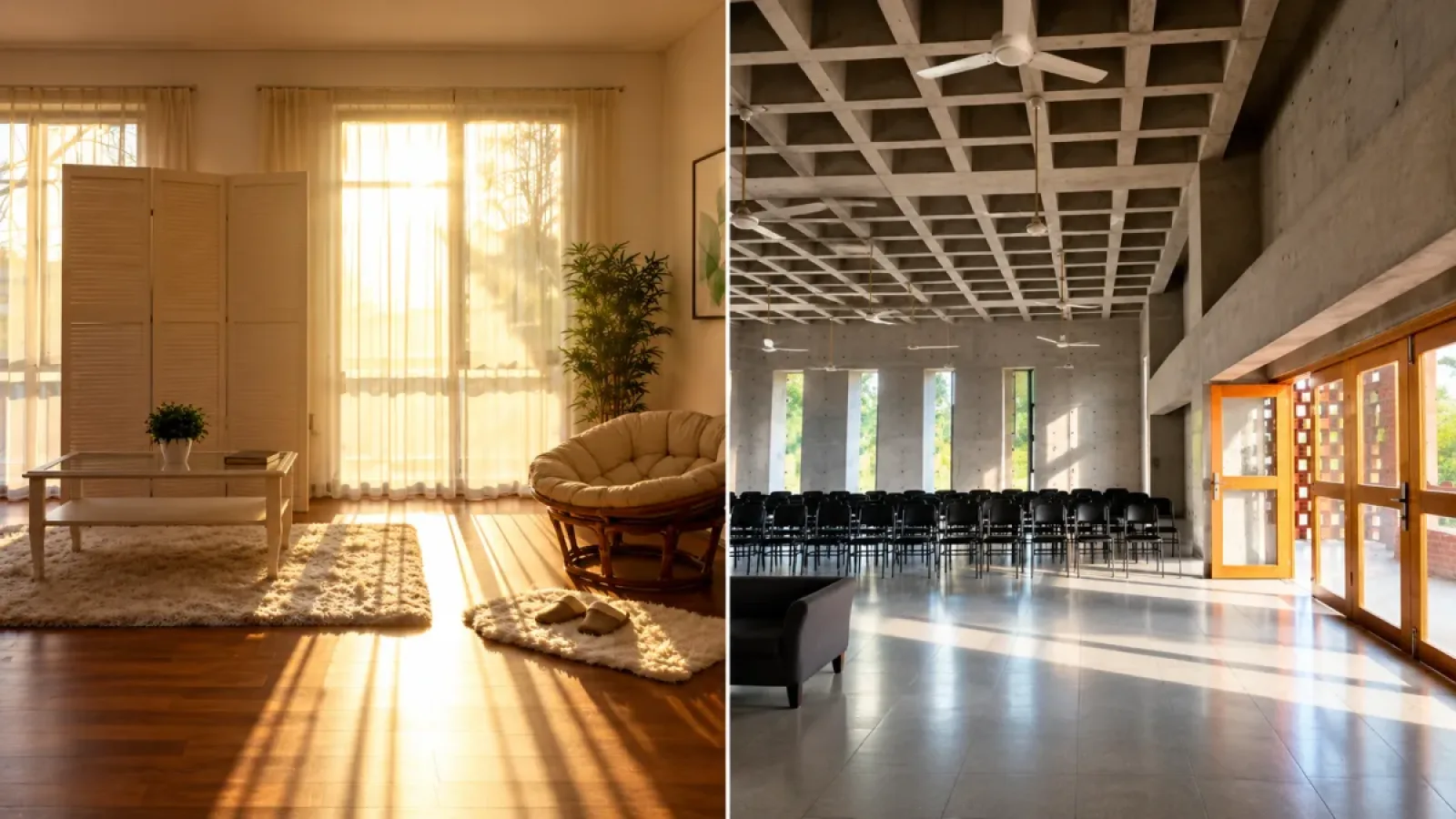
Natural light remains highly valuable, but in Bangladesh, the solution cannot simply be bigger windows. Intense sunlight brings heat, and large expanses of glass can turn apartments into ovens without proper shading. Sujaul argues that daylight must be considered alongside ventilation and shading. Cross-ventilation, balconies, overhangs and screens can reduce direct solar exposure, while sheer curtains soften harsh sunlight.

Traditional homes offer lessons in gradual light transition. Smaller openings, thick walls and shaded verandas protected interiors from glare and heat, creating a sequence of different experiences rather than uniformly bright spaces. Good light is not necessarily maximum light.
Artificial lighting is also evolving. The single bright ceiling light is being replaced by table lamps, floor lamps, pendants, wall lights and concealed fixtures. This layered approach allows different sources to perform different jobs a ceiling fixture for general illumination, a pendant over a dining table, a floor lamp for a softer corner. Sujaul favours hiding fixtures so light bounces off ceilings or walls rather than shining directly into eyes.
For apartments with limited daylight, colour and furnishings can help. Light-coloured walls and ceilings reflect available daylight, and two-layer curtains a fine sheer for filtered light and a heavier layer for privacy—offer flexibility. Keeping heavy curtains closed all day works against rooms already short of daylight. Furniture arrangement also matters; creating visual breathing space makes a room feel brighter without changing its dimensions.
Sujaul's fascination with light extends beyond homes. He recalls visiting the National Parliament Building as a student and being struck by how daylight moved through it, bouncing across concrete walls and floors a "city of light" where light itself became part of the architecture. As architect Louis Kahn said, "Light is the giver of all presences." Older mosques like Kusumba Mosque offered another lesson in restraint, where dark basalt stone absorbs much of the light.