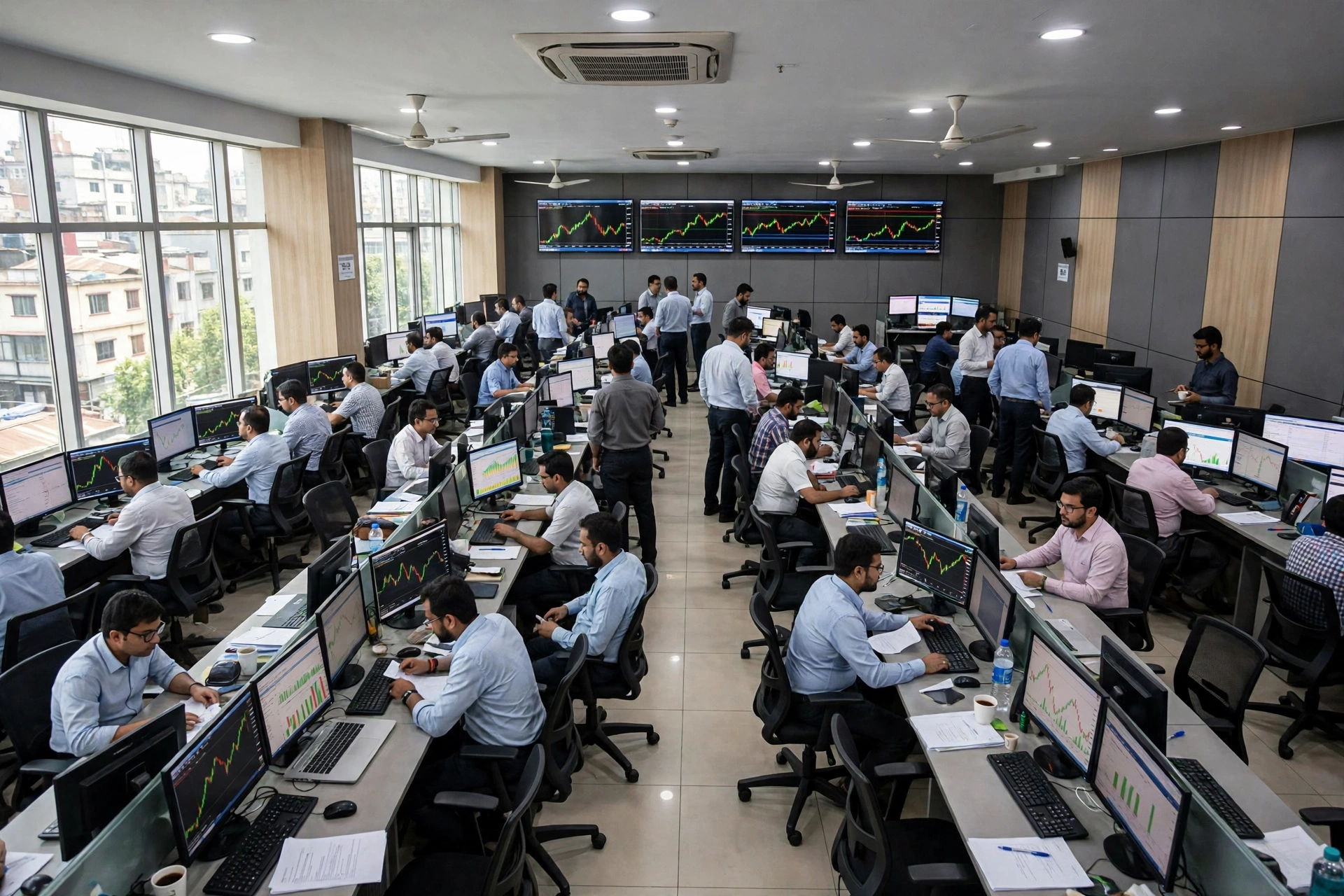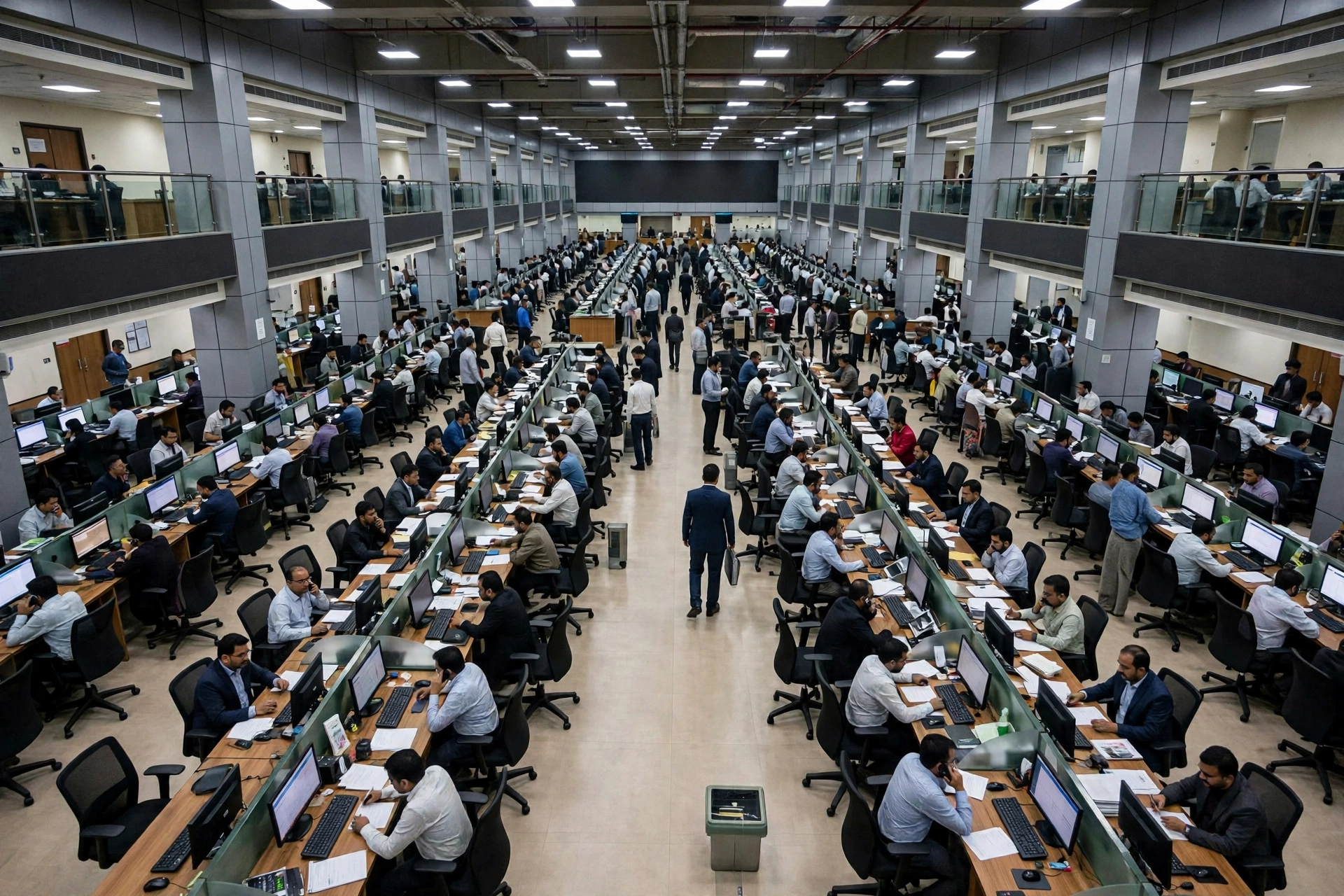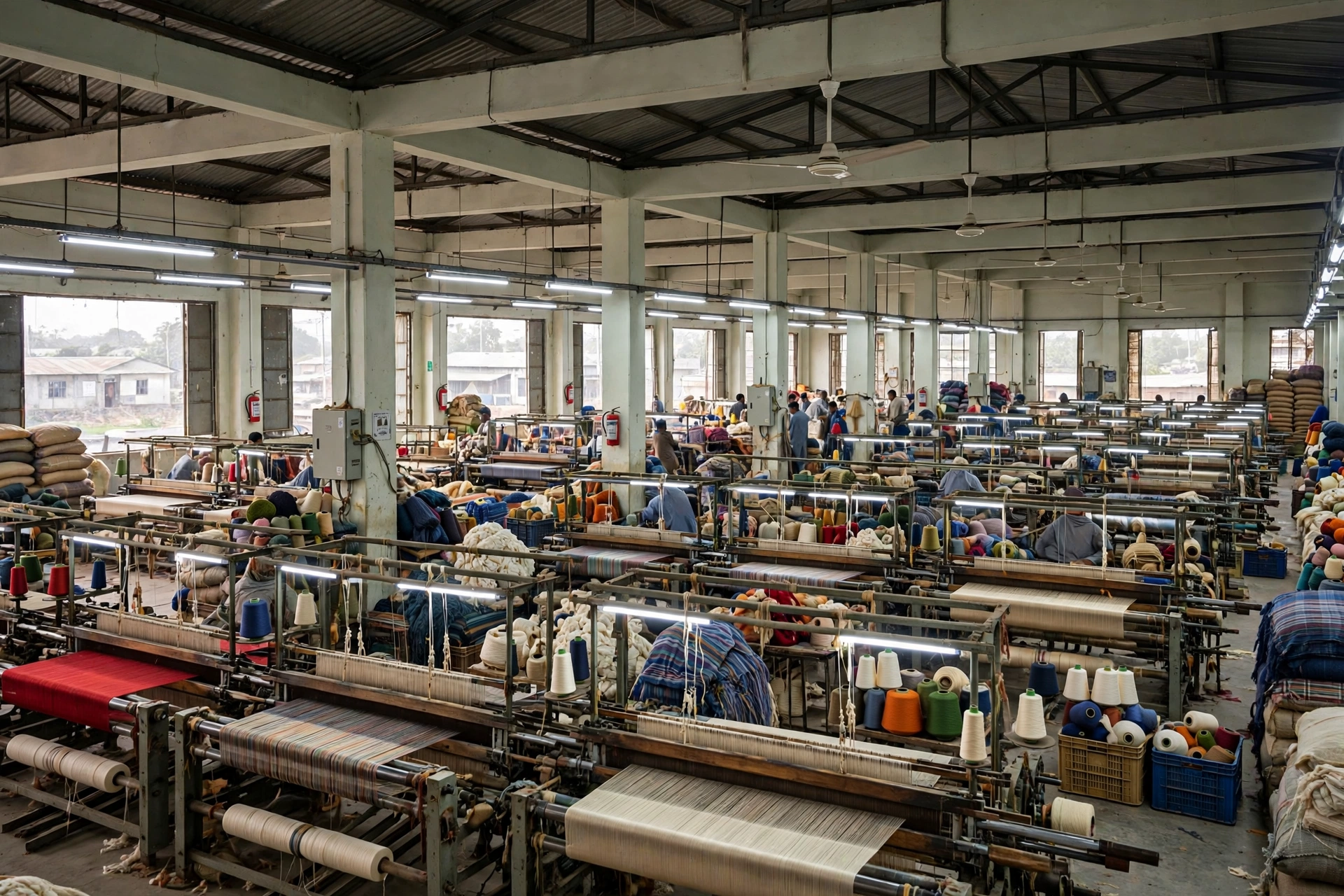
In a falling market, where money still trades is often more informative than where the index closes. On Monday, 26 October, banking stocks dominated turnover on the Dhaka Stock Exchange despite a fall in sector turnover to Tk77.73 crore, followed by textiles at Tk73.85 crore and pharmaceuticals and chemicals at Tk44.85 crore.
A week earlier, the pattern was similar but not identical: textiles accounted for 23.34 per cent of average daily traded value, followed by banking at 14.33 per cent, general insurance at 12.18 per cent and pharmaceuticals at 10.03 per cent. The rotation between banks and textiles as turnover leaders reflects two different investor instincts — defensive interest in large banks, and cyclical interest in export-linked textile names as export data improved.
What sector leadership does — and does not — mean
High turnover does not mean a sector is rising. On 25 October, banking gained 1.0 per cent even as most sectors fell, while jute fell 3.7 per cent, cement 3.6 per cent and ceramics 2.5 per cent. On 26 October, breadth remained deeply negative, with 252 decliners against 74 advancers. Selective buying in a few liquid names can coexist with broad selling elsewhere.
For property investors, the sector story matters indirectly. Banks' earnings and asset quality affect credit availability for housing and construction. Textile orders affect employment and incomes in industrial belts, which in turn affect rental demand around Dhaka, Gazipur and Narayanganj. A stock market is not separate from the real economy; it is an early, noisy reflection of it.
Turnover shows where traders are looking. It does not, by itself, show where value lies.
This article is for information only and is not personal financial advice. Investors should weigh company earnings, balance sheets and dividend records, not turnover rankings alone, before acting.