Amir Shriki's Manhattan real estate company, Aya New York, is seeking to exit the Israeli capital markets just eight months after raising approximately $96 million through a bond offering on the Tel Aviv Stock Exchange. The company is asking bondholders to approve the redemption of its outstanding Israeli debt and replace it with a loan from a United States-based bank, according to the Israeli financial newspaper Calcalist.
"For future deals, we'll use financing and mezzanine loans, and a $100 million transaction will require just $15 million in equity," Shriki told Calcalist in Hebrew. "Here in Israel, dealing with the bondholders is a headache and a drama that consumes valuable resources."
In February, Shriki raised about 292 million shekels, or $95.9 million at today's exchange rate, for Aya New York Limited, a newly formed company based in the British Virgin Islands. According to a prospectus filed with TASE in December 2025, the BVI-based firm included just five properties from Shriki's portfolio, which is mostly in New York City.
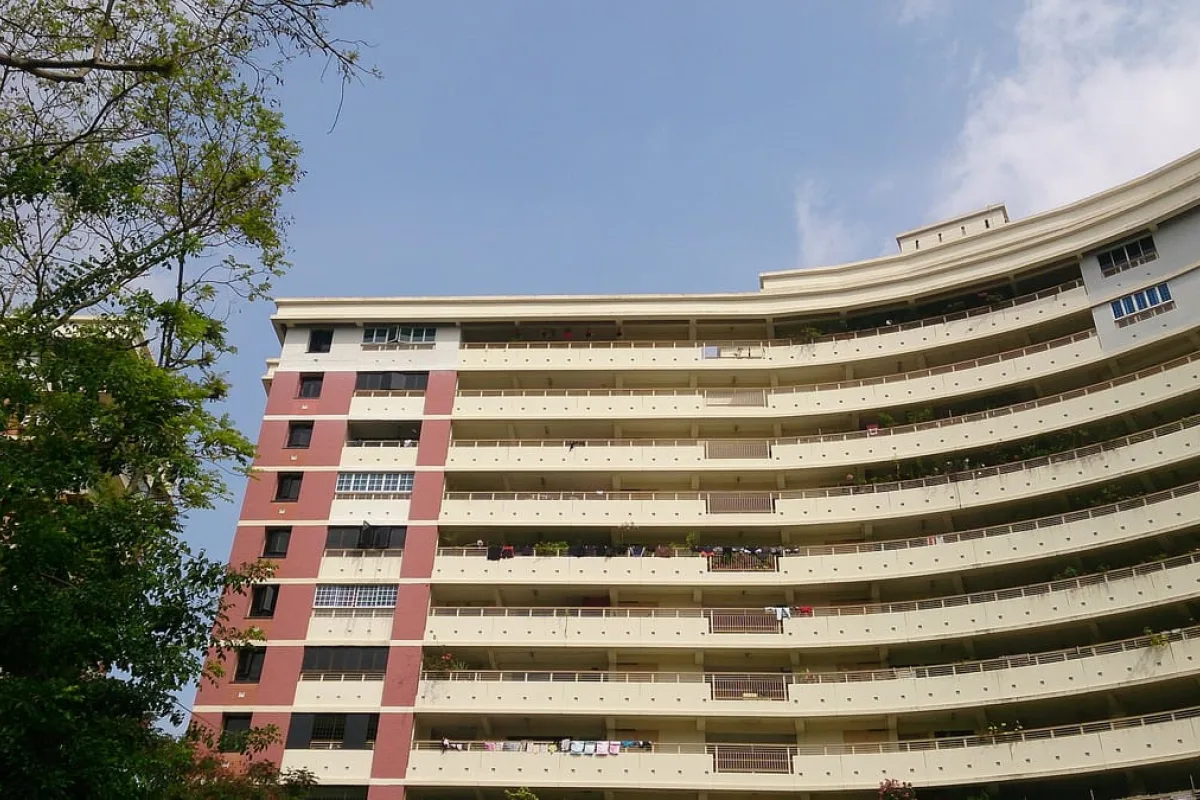
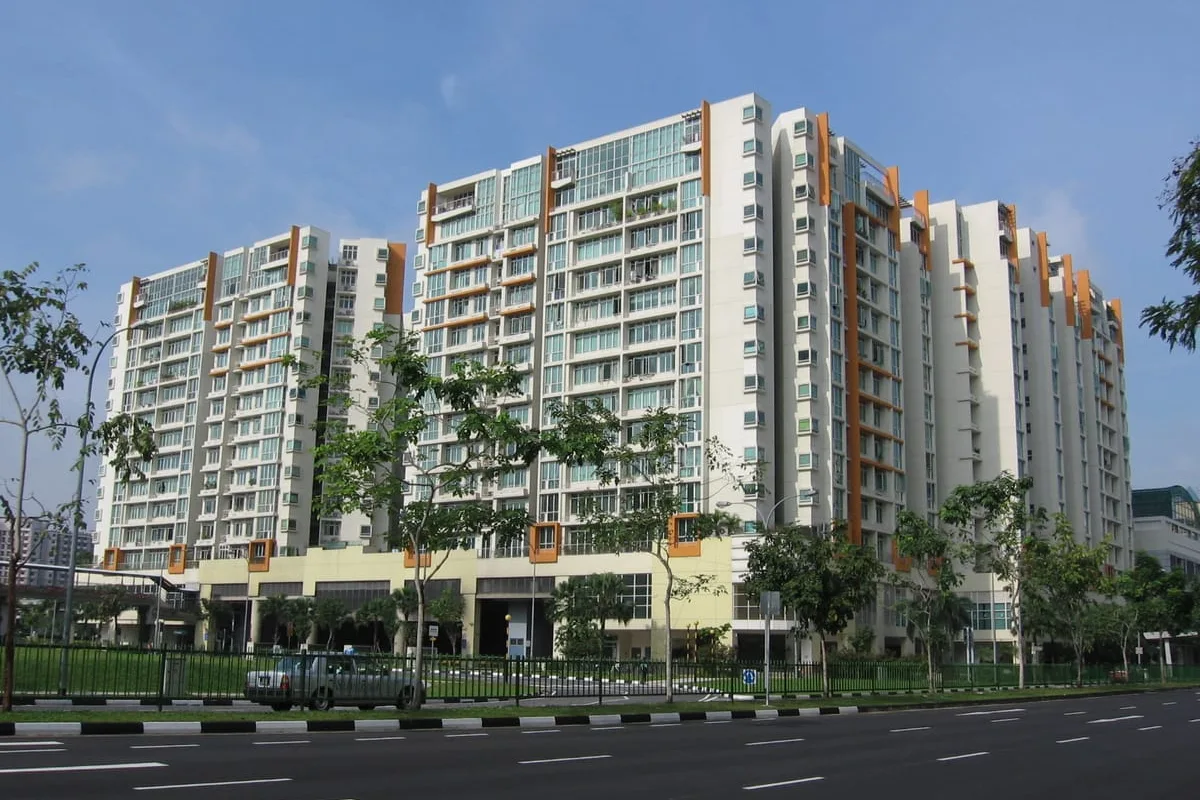
Of the five, Aya pledged two Manhattan multifamily properties as collateral for bondholders: the 151-unit Renoir House at 225 East 63rd Street, and Riverside, two buildings with a combined 82 units at 120-125 Riverside Drive. In July, the company's second-quarter financial statements revealed that some subsidiaries had entered into agreements with merchant cash advance companies, selling future receivables at properties that were already pledged to bondholders.
One such lender, Honest Funding, sued Shriki and a limited liability company in August in Kings County Supreme Court, alleging the company stopped allowing automated payments on a $200,000 advance, on which it owed $272,000. The firm claimed Shriki's LLC changed its bank account, interfering with collections and leaving a $255,000 outstanding balance. Shriki said he was unaware of the liens on pledged assets and had fixed the problem.
Still, holders of roughly 45 percent of the bonds appointed attorneys to represent them and alleged violations, according to Calcalist. Shriki did not immediately respond to requests for comment from TRD. "The bondholders used it to create exposure for us," Shriki said. "My choice was either to educate them or move on."
Shriki, who runs the company from Israel, opted to cut his losses. The proposed refinancing would allow Aya to repay the bonds in full, including accrued interest, within 45 days of bondholder approval. "I decided to redeem the bonds early at par value (100%), even though they are trading at 86% of par," Shriki told Calcalist. He said he had negotiated the proposal with major bondholders and the bond trustee.
For Aya, the move means avoiding Israeli bondholder scrutiny. The company said it plans to focus on its core business of acquiring, improving and managing New York real estate rather than continuing to raise money in Israel. Shriki was one of many American developers to turn to a bond offering in Israel to raise funds, but he said the American BVI companies have fallen out of favor with Israeli investors in the wake of Simad Holdings and GFI Capital's troubles on the bond market.
In September, Mike Kohan was removed as CEO and president and forced off the board of directors of Kohan Properties, another BVI-based entity listed on TASE, after the discovery of an allegedly unauthorized $4.5 million loan on five Manhattan office properties and an additional $7.4 million in personal withdrawals. "There's a kind of discrimination here against BVI companies," Shriki said, "although I understand the concerns about such companies in light of the fraud that has occurred at some of them."
Aya is best known for its co-living apartments, fully furnished rooms rented out individually, but has recently branched out beyond small-scale multifamily acquisitions and now specializes in free-market rental properties and hotels and owns multiple Manhattan properties. At Renoir House, which it bought in 2024 for $45 million, and Riverside, an Upper West Side property picked up for $31 million the same year, its renovations had led to renters paying thousands more per month in certain units, it told prospective bondholders. Both have some rent-regulated units.
The company had initially turned to Tel Aviv to refinance expensive U.S. debt, including mezzanine loans carrying interest rates of at least 17 percent. The Israeli offering was supposed to provide cheaper capital and fuel further acquisitions. The other buildings rolled into the BVI-based firm were Lady D, an under-construction hotel at 70 West 45th Street expected to open early next year, three mixed-use buildings at 321-325 West 42nd Street and 46 units under contract to purchase at the Miami condo-hotel Altair.
Shriki said his wife tried to dissuade him before the offering. "She warned me not to enter the capital market in Israel because 'they'll eat you alive,'" Shriki told Calcalist. "In hindsight, she was right."